Month: April 2025

  • Top Communities for Retirement: Best Places for an Active Lifestyle

    Top Communities for Retirement: Best Places for an Active Lifestyle

    Searching for the perfect retirement community? You’re in the right place. Our guide to the top communities for retirement in the U.S. will help you find the ideal spot that matches your lifestyle and budget. From vibrant cities to peaceful countryside retreats, discover where you can spend your golden years in comfort and style.

    Insights and Applications

    • The U.S. offers diverse retirement communities, with popular states like North Carolina, Florida, California, and Arizona providing unique benefits for active adults.
    • Choosing the right retirement community requires evaluating personal needs, researching options, and understanding associated costs to find a perfect fit.
    • Active lifestyle amenities and community engagement are key features of retirement communities, enhancing overall well-being and social connections for residents.

    Discover the Best Retirement Communities

    As you explore these destinations, envision yourself enjoying leisurely strolls in the mountains, engaging in cultural activities, or playing a round of golf under the clear blue sky. Each community has its own charm and character, waiting to be discovered by retirees like you.

    Western North Carolina: Mountain Views and Vibrant Culture

    If you’re dreaming of a retirement that blends natural beauty, vibrant culture, and a strong sense of community, Asheville and Western North Carolina should be at the top of your list. Nestled in the Blue Ridge Mountains, Asheville offers a mild climate, stunning landscapes, and a thriving arts scene. The area is also known for its excellent healthcare facilities, including Mission Hospital, which has been recognized for its cardiovascular care.​

    To help you navigate the many retirement options in this region, Carolina Living Choices provides a comprehensive print and online guide. This resource offers detailed information on 55+ communities, real estate options, and lifestyle amenities throughout Western North Carolina. Whether you’re looking for an active adult community or a serene mountain retreat, Carolina Living Choices can assist you in finding the perfect fit.​

    Florida: Sunshine and Leisure

    Florida continues to be a top choice for retirees, boasting over 500 retirement communities. The state’s warm climate, beautiful beaches, and tax-friendly policies make it an attractive destination. Communities like The Villages offer a plethora of amenities, including golf courses, fitness centers, and social clubs, catering to an active lifestyle.​

    With such a diverse range of communities, retirees can find the perfect fit tailored to their lifestyle. From vibrant cities to peaceful coastal towns, each community offers unique amenities that enhance the joy of living. Picture yourself enjoying the amenities of your dream retirement destination, where every day feels like a vacation.

    California: Diverse Landscapes and Culture

    California offers retirees a mix of coastal living, desert retreats, and mountain getaways. With its diverse landscapes and rich cultural offerings, the state provides numerous opportunities for recreation and engagement. Retirement communities here often feature amenities like swimming pools, walking trails, and arts programs.​

    Whether you’re an art enthusiast, a foodie, or someone who enjoys outdoor activities, California has something for everyone. The state’s retirement communities provide various amenities and services that ensure a comfortable and fulfilling life.

    Arizona: Outdoor Adventures Await

    Arizona’s dry climate and scenic beauty make it a haven for outdoor enthusiasts. Cities like Lake Havasu offer affordable living, access to healthcare, and a range of recreational activities, from boating to hiking.

    In addition to its natural beauty, Arizona’s retirement communities are equipped with amenities that cater to outdoor enthusiasts. From golf courses to fitness centers, these communities ensure that residents can maintain an active and healthy lifestyle. Whether you’re a seasoned golfer or someone who enjoys a leisurely walk, Arizona has something to offer everyone.

    Pennsylvania: History and Affordability

    Pennsylvania combines historical charm with affordable living. The state offers a variety of retirement communities set amidst picturesque landscapes. Residents can enjoy cultural attractions, outdoor activities, and a lower cost of living compared to many other states.​

    Texas: Warmth and Hospitality

    Texas is known for its friendly communities and diverse environments. From bustling cities to quiet countryside, the state offers a range of retirement options. Communities here often feature amenities like clubhouses, swimming pools, and organized social events, fostering a strong sense of camaraderie among residents.​

    Midwest: Hidden Gems

    The Midwest offers retirees the charm of small-town living combined with affordability. States like Iowa and Wisconsin boast low crime rates, quality healthcare, and a slower pace of life. Retirement communities in this region often provide spacious homes, community gardens, and access to nature trails.

    Finding Your Perfect Fit

    Choosing the right retirement community is a significant decision that involves aligning your choice with your lifestyle, needs, and long-term goals. Understanding your personal preferences and how they align with the community’s offerings is crucial. Imagine finding a place that feels just right, where you can thrive and enjoy your retirement years to the fullest.

    Exploring various community options and conducting thorough research are crucial steps in this process. Visiting potential communities allows you to get a feel for the environment and meet current residents to gauge satisfaction. This hands-on approach ensures that your chosen community meets your expectations and preferences.

    Understanding the costs and benefits associated with retirement living is also vital. Analyzing entrance fees, monthly costs, and overall living expenses can help you make an informed decision. Consider how these factors align with your budget and long-term financial plans.

    Assessing Your Needs

    When you’re looking for the right retirement community, it’s really important to think about what you need now—and what you might need down the road. Maybe you’re in great health today, but it’s smart to consider how things could change and what kind of medical care or support might be helpful later. Planning ahead for long-term care options can give you peace of mind, knowing you’re covered if your needs shift.

    It’s also worth thinking about the little things that make daily life more enjoyable. Do you love swimming laps? A pool might be a must-have. Prefer staying active with friends? A good fitness center or group classes could be perfect. And having on-site healthcare can be a big plus for convenience and confidence. These kinds of amenities can really boost your day-to-day quality of life.

    Exploring Community Options

    Doing your homework really pays off when it comes to choosing the right retirement community. Taking the time to visit a few places in person can give you a real feel for the atmosphere, meet some residents, and see what day-to-day life is like. It’s one thing to read about a community—and another to walk through the dining room or chat with someone who’s already living there. Those little details help you know whether it’s the right fit for you.

    Online tools can also be super helpful in narrowing down your options. With just a few clicks, you can filter communities by what matters most to you—like location, amenities, or budget. It’s a great way to explore different possibilities from the comfort of home before making a visit. When you combine that with a personal tour, you’re well on your way to finding a spot that really feels like home.

    Considering Costs and Benefits

    Understanding the costs associated with retirement living is crucial for long-term financial planning. Analyzing both the entrance fees and ongoing monthly costs is important. Monthly fees in Life Plan Communities can include a range of services that might be more economical than maintaining a private home.

    In addition to entrance fees, be aware of ongoing costs like association dues, which can significantly impact your budget. Analyzing the total cost of living in a retirement community helps in understanding potential savings compared to maintaining a private home.

    Embracing an Active Lifestyle

    Retirement communities encourage residents to maintain an active lifestyle, promoting overall health and well-being. Remaining active and engaged significantly contributes to physical and mental well-being. Many residents have reported significant improvements in their social lives and overall happiness after joining a retirement community.

    Engaging in physical activities, social events, and wellness programs can lead to a fulfilling and joyful retirement. Let’s explore the various ways retirement communities foster an active and engaged lifestyle.

    Amenities for Active Adults

    Many retirement communities feature recreational amenities such as fitness centers, golf courses, and swimming pools tailored for active residents. These facilities encourage residents to stay active and healthy.

    Swimming pools provide opportunities for low-impact exercise and social interaction.

    Community Engagement and Social Activities

    One of the best parts about moving into a retirement community is the chance to meet new people and feel connected right away. Getting involved in group activities or joining in on community events makes it easy to form friendships and feel like you truly belong. Whether it’s a group outing, a casual coffee hour, or a game night, there’s always something going on to bring folks together.

    Communities also love to host special events—like dinner parties, live music nights, or holiday celebrations—that really make the place feel lively and warm. It’s those shared experiences that help turn neighbors into friends and make your new community feel like home.

    Health and Wellness Programs

    Numerous retirement communities offer specialized wellness programs and fitness classes aimed at enhancing residents’ health. These programs range from yoga to strength training, significantly contributing to seniors’ health.

    Wellness education workshops inform residents about healthy aging and various wellness dimensions.

    Expert Advice on Transitioning to Retirement Living

    Making the move to retirement living is a big step, but with a little planning and the right support, it can actually be a really smooth—and even exciting—transition. One of the best things you can do is start the downsizing process early. Giving yourself plenty of time takes the pressure off and helps you feel more in control. Instead of feeling rushed or overwhelmed, you can go at your own pace and make thoughtful decisions about what to keep, what to let go of, and how to get organized for this next chapter.

    Planning Your Move

    Creating a step-by-step plan can help keep you organized and ensure that you don’t overlook important tasks during your move. Taking an inventory of your belongings can aid in making informed decisions about what to keep or discard. Using the four-box method—keep, donate, sell, or discard—can simplify the decision-making process during downsizing.

    Involving family or friends during packing can make the process enjoyable and alleviate emotional stress for families. Their support can transform a potentially daunting task into a shared experience, making it easier to face the changes ahead.

    Adjusting to Community Life

    One couple shared that after moving into their new 55+ community, they enjoyed a welcoming atmosphere with friendly neighbors and numerous social activities. Building relationships within a new community can greatly enhance one’s retirement experience.

    Moving to a community can help individuals regain a sense of independence and happiness after making the transition.

    Long-Term Care Considerations

    Retirement communities provide a wide range of care options tailored to meet various healthcare needs. Top communities frequently receive awards for excellence in long-term care, showcasing their commitment to quality living. Special programs are available in these communities to stimulate engagement for residents with memory care impairments.

    Planning for long-term care involves understanding these options and ensuring that the community you choose can meet your future healthcare needs.

    Celebrating Community Success Stories

    Community success stories illustrate the joy and fulfillment residents experience in their retirement communities. Many residents express gratitude for the social connections and sense of belonging they find in their communities.

    Special events such as community fairs, holiday celebrations, and wellness workshops are commonly organized, promoting engagement among residents.

    Resident Testimonials

    It’s amazing how often we hear folks say their retirement community turned out to be so much more than they expected. What starts as simple curiosity—maybe just stopping by for a tour—often grows into real love for the place. After settling in, many residents say they can’t imagine living anywhere else.

    These personal stories really show how being part of a vibrant, welcoming community can make such a difference. It’s not just about having a nice place to live—it’s about finding joy, connection, and new experiences that truly enrich your everyday life.

    Community Achievements

    Retirement communities frequently receive accolades for their supportive environments and well-planned social events that foster resident connections. Several senior living communities have been nationally recognized for innovative designs and exceptional lifestyle features tailored for older adults.

    Special Events and Milestones

    Many retirement communities regularly host special events such as holiday parties, arts and crafts fairs, and seasonal festivals. Communities frequently showcase resident achievements, highlighting the accomplishments of residents during dedicated recognition events.

    Milestones such as anniversaries of the community or individual resident celebrations are often recognized with special ceremonies and gatherings.

    Find Your Ideal Retirement Destination

    Finding the right retirement community can feel a little overwhelming at first—but having the right tools and resources makes all the difference. Whether you’re dreaming of peaceful mountain views, an active social scene, or specific amenities that match your lifestyle, a little guidance can go a long way in helping you find your perfect fit.

    That’s where the Carolina Living Choices website and magazine come in. They’re fantastic resources packed with helpful articles, community listings, and real-life stories to help you explore your options throughout Western North Carolina. It’s like having a local friend walk you through the process, making it easier (and more fun!) to find a place that truly feels like home.

    Virtual Tours and Open Houses

    Virtual tours provide an immersive way for potential residents to explore without needing to travel. These tours enable prospective residents to view community layouts and facilities remotely, facilitating a more informed decision-making process.

    This convenience allows you to envision your life in different communities and make a confident choice.

    Contacting Communities Directly

    Reaching out to retirement communities directly can provide personalized information and address specific questions about living in those areas. Engaging directly with representatives can yield personalized insights and options, making it easier to find the right fit. This direct engagement ensures that all your queries are answered, helping you make an informed decision.

    Conclusion

    When selecting a retirement community, consider factors such as cost, location, healthcare services, and personal preferences. Visiting potential communities and speaking with current residents can provide valuable insights. Utilizing resources like Carolina Living Choices can also streamline the decision-making process, offering detailed information tailored to your needs.​

    Whether you’re drawn to the mountains of North Carolina, the beaches of Florida, or the deserts of Arizona, there’s a retirement community that fits your desired lifestyle. By exploring various options and utilizing trusted resources, you can find the perfect place to enjoy your golden years.​

    Frequently Asked Questions

    How do I determine which retirement community is right for me?

    To determine the right retirement community for you, start by assessing your specific needs and exploring different options. Don’t forget to visit potential communities and weigh the costs and benefits to make an informed choice.

    What amenities should I look for in a retirement community?

    When choosing a retirement community, focus on amenities that boost your lifestyle, like fitness centers, swimming pools, and on-site healthcare. These features can really make a difference in your daily enjoyment and well-being.

    How can I ensure that a retirement community fits my budget?

    To make sure a retirement community fits your budget, take a close look at the entrance fees, monthly costs, and other living expenses. This way, you can see how everything aligns with your financial plans.

    What are the benefits of participating in community activities?

    Participating in community activities truly boosts your happiness and well-being by helping you forge new friendships and feel more connected to others. It’s a win-win for both your social life and mental health!

    How do retirement communities support long-term care needs?

    Retirement communities really step up by providing diverse care options to cater to different health needs, including specialized programs for memory care. This ensures that residents get the support they need to thrive in a comfortable environment.


  • What Is a Retirement Home? Understanding Your Senior Living Options

    What Is a Retirement Home? Understanding Your Senior Living Options

    A retirement home is a great option for older adults who want a safe, social, and low-maintenance lifestyle. These communities are designed with seniors in mind, offering helpful services and plenty of social activities. In this article, we’ll break down what a retirement home is, explore the different types, and share tips on how to find the one that’s right for you.

    What You Need To Know

    • Retirement homes provide a supportive, social environment for seniors, with various options like independent living and assisted living to meet different needs.
    • Choosing the right retirement community involves evaluating factors like costs, location, and available services to ensure it aligns with one’s lifestyle and care requirements.
    • Living in retirement homes promotes well-being through engaging activities, social connections, and a maintenance-free lifestyle, debunking myths that they are only for those needing constant care.

    Defining a Retirement Home

    A retirement home is a residential community tailored for older adults, typically those aged 65 and above, who seek a comfortable lifestyle with access to assistance and social activities. These communities are designed to cater to active seniors who desire a social environment and may require minimal help with daily tasks such as meal preparation and medical services.

    Retirement homes are inclusive, welcoming seniors of all genders and backgrounds, and providing a space where diverse groups of older adults can thrive together. Social activities are a cornerstone of these communities, fostering a sense of belonging and camaraderie among residents. Whether it’s group outings, game nights, or fitness classes that encourage movement, there’s always something happening to keep everyone engaged.

    Safety and security are top priorities in retirement homes, ensuring that residents feel secure within their community. Many of these homes also offer health and wellness programs to promote physical fitness and overall well-being, alongside personalized care plans such as therapy and nursing care to meet individual needs. Despite common misconceptions, many affordable options are available, making retirement homes accessible to a broader demographic.

    Types of Retirement Homes

    Retirement homes come in various forms, each tailored to meet the unique needs and preferences of older adults. The main types include:

    • Independent living communities
    • Assisted living communities
    • Memory care facilities
    • Continuing care retirement communities

    This variety ensures that seniors can find a senior living community that suits their lifestyle and care requirements.

    Retirement homes come in all shapes and sizes, each offering different levels of support and amenities. From active, independent living to more specialized care for memory-related needs, there’s something for everyone. Understanding these options is key to choosing the community that will best support you or your loved one in the years ahead.

    Independent Living Communities

    Independent living communities are perfect for healthy, active seniors who seek a vibrant, maintenance-free lifestyle. These senior living communities allow independent living residents to live independently in private apartments or houses while enjoying various services such as housekeeping, lawn care, and transportation.

    Life in an independent living community is anything but boring! Most residents enjoy a full, active lifestyle focused on well-being, with plenty of opportunities for socializing, exploring new interests, and staying engaged. Whether it’s joining a word game group, trying out a new hobby, or simply enjoying a walk through green spaces, there’s always something to do. Many communities offer great amenities like fitness centers, dining rooms, and relaxing outdoor areas—all designed to support both daily living and a vibrant, connected lifestyle.

    The key appeal of independent living is the blend of autonomy with the convenience of available support when needed. This setup enables seniors to enjoy their retirement years without the burdens of home maintenance, creating a carefree and engaging environment.

    Assisted Living Communities

    Assisted living communities are a great option for older adults who need a little help with daily tasks but still want to stay as independent as possible. They offer long-term care like meals, medication management, and 24/7 staff support—all designed to make life easier and more enjoyable for residents.

    Personalized personal care services plans ensure that each resident receives the appropriate level of assistance, from help with dressing and bathing to managing medications. This personalized approach promotes safety and well-being, allowing residents to enjoy their day-to-day activities with peace of mind.

    The supportive environment in assisted living communities fosters a sense of security and community. With various social activities and amenities, residents can maintain an active lifestyle while receiving the care they need.

    Memory Care Facilities

    Memory care facilities are specialized environments designed to support individuals with cognitive impairments, such as Alzheimer’s and other forms of dementia. These facilities provide a structured, secure setting that caters specifically to the unique needs of residents experiencing memory loss.

    The focus in memory care is on creating a safe and supportive atmosphere, with staff trained to handle the complexities of cognitive decline. Activities and care plans are tailored to promote cognitive function and ensure that residents feel comfortable and engaged.

    Continuing Care Retirement Communities (CCRCs)

    Continuing Care Retirement Communities (CCRCs) offer a comprehensive medical care solution for seniors as they age. These communities support various levels of care, from independent living to assisted living, to skilled nursing, all within the same campus. This setup allows residents to transition smoothly as their care needs evolve.

    In CCRCs, residents can move between different care levels without having to relocate, making it a convenient and reassuring option for many seniors. Housing and care services are typically organized on different floors or in adjacent buildings, ensuring easy access to the needed support.

    The blend of independent living, assisted living, and nursing home care in one community ensures that seniors receive the appropriate care at each stage of their retirement journey, providing peace of mind for both residents and their families.

    Choosing the Right Retirement Community

    Choosing the right retirement community, depicting a family discussing options with a senior.

    Choosing the right retirement community requires careful consideration of several factors. Costs can vary widely based on location and the services provided, so it’s essential to evaluate your budget and financial options.

    Consider the climate and convenience of nearby services when selecting a location. Proximity to medical care services and specialized care options should also be a priority, as these can significantly impact the quality of life and ease of access to necessary treatments.

    A checklist of essential and desirable features can aid decision-making. Involving family in discussions and visiting potential communities can provide valuable insights, helping ensure the chosen community feels like home.

    Benefits of Living in a Retirement Home

    Living in a retirement home offers numerous benefits that contribute to a higher quality of life. Engaging activities and social events combat loneliness and depression, promoting mental and emotional well-being. Residents in independent living communities enjoy access to fitness centers, salons, dining options, and green spaces, all of which promote a healthy, active lifestyle.

    The maintenance-free lifestyle reduces stress and allows residents to focus on enjoying their hobbies and interests. The sense of community in these homes fosters connections and friendships, creating a supportive environment where residents can thrive. These benefits are pivotal in ensuring a fulfilling and enjoyable retirement.

    Common Myths About Retirement Homes

    One common myth about retirement communities is that they are only for people who are sick or need constant supervision. In reality, many residents are active seniors who value the social opportunities and convenience these communities offer.

    Retirement communities are designed to support independence while providing varying levels of care and assistance as needed, ensuring that residents can live life to the fullest during their retirement years.

    Transitioning to a Retirement Home

    Transitioning to a retirement home can be a smooth process with a bit of planning and organization. Visualizing the layout of the new home can help in making effective decisions about what furniture and belongings to bring.

    Using the one-year rule can simplify the decision-making process by evaluating if items have been used in the past year. Digital storage solutions can also reduce physical clutter by allowing important documents and memories to be kept electronically.

    Balancing emotional attachment with practical usage is key in making final decisions about what to keep and what to let go of. This thoughtful approach can make the transition easier and more enjoyable.

    Summary

    Understanding the various types of retirement homes and the benefits they offer is crucial in making an informed decision for you or your loved ones. Each type of senior living community provides unique advantages, from the autonomy of independent living to the comprehensive care in CCRCs.

    By considering personal needs, preferences, and the provided services, you can select a community that will enhance your quality of life during your retirement years. Remember, the right retirement home is not just a place to live—it’s a place to thrive.

    Frequently Asked Questions

    What is a retirement home?

    A retirement home is a place where older adults, usually 65 and over, can live comfortably while receiving assistance and enjoying social activities. It’s all about creating a supportive community for a fulfilling lifestyle.

    What types of retirement homes are available?

    You’ll find different options like independent living communities, assisted living communities, memory care facilities, and continuing care retirement communities (CCRCs). Each type has its unique focus, so it’s worth exploring which one fits your needs best!

    How do I choose the right retirement community?

    Choosing the right retirement community comes down to a few key things—cost, location, healthcare services, and of course, your personal preferences. It helps to make a checklist of what matters most to you and visit a few communities to see which one feels like home. A resource like the Carolina Living Choices website can be a great starting point, offering listings and insights to help you narrow down your options and find the right fit.

    What are the benefits of living in a retirement home?

    Living in a retirement home offers engaging activities and a supportive community, making life enjoyable and less stressful. Plus, you get to enjoy a maintenance-free lifestyle that leads to better health outcomes.

    Are retirement homes only for people who need constant supervision?

    Not at all! Retirement homes cater to active seniors looking for social engagement and a convenient lifestyle, with options for care as needed, rather than just constant supervision.

  • Top 5 Best Houses for Retirement: Finding Your Perfect Future Home

    Top 5 Best Houses for Retirement: Finding Your Perfect Future Home

    Having just gone through the journey of finding my own retirement home in the Asheville area, I know firsthand how important it is to choose the right place for this next chapter of life. Whether you’re thinking about aging in place, downsizing, or exploring options like condos or active adult communities, finding the right fit can make all the difference. In this article, I’ll walk you through some of the top housing choices for retirement and share insights on the benefits, lifestyle considerations, and financial factors to help you make a confident, informed decision.

    Critical Aspects

    • Aging in place can be enhanced through home modifications that improve safety and accessibility, allowing seniors to maintain independence in familiar surroundings.
    • Downsizing to smaller homes or opting for condos and townhouses can reduce maintenance costs while improving financial stability during retirement.
    • Independent living communities and Life Plan Communities provide various housing options that promote social engagement and health services, addressing the diverse needs of retirees.

    Aging in Place: Modifying Your Current Home

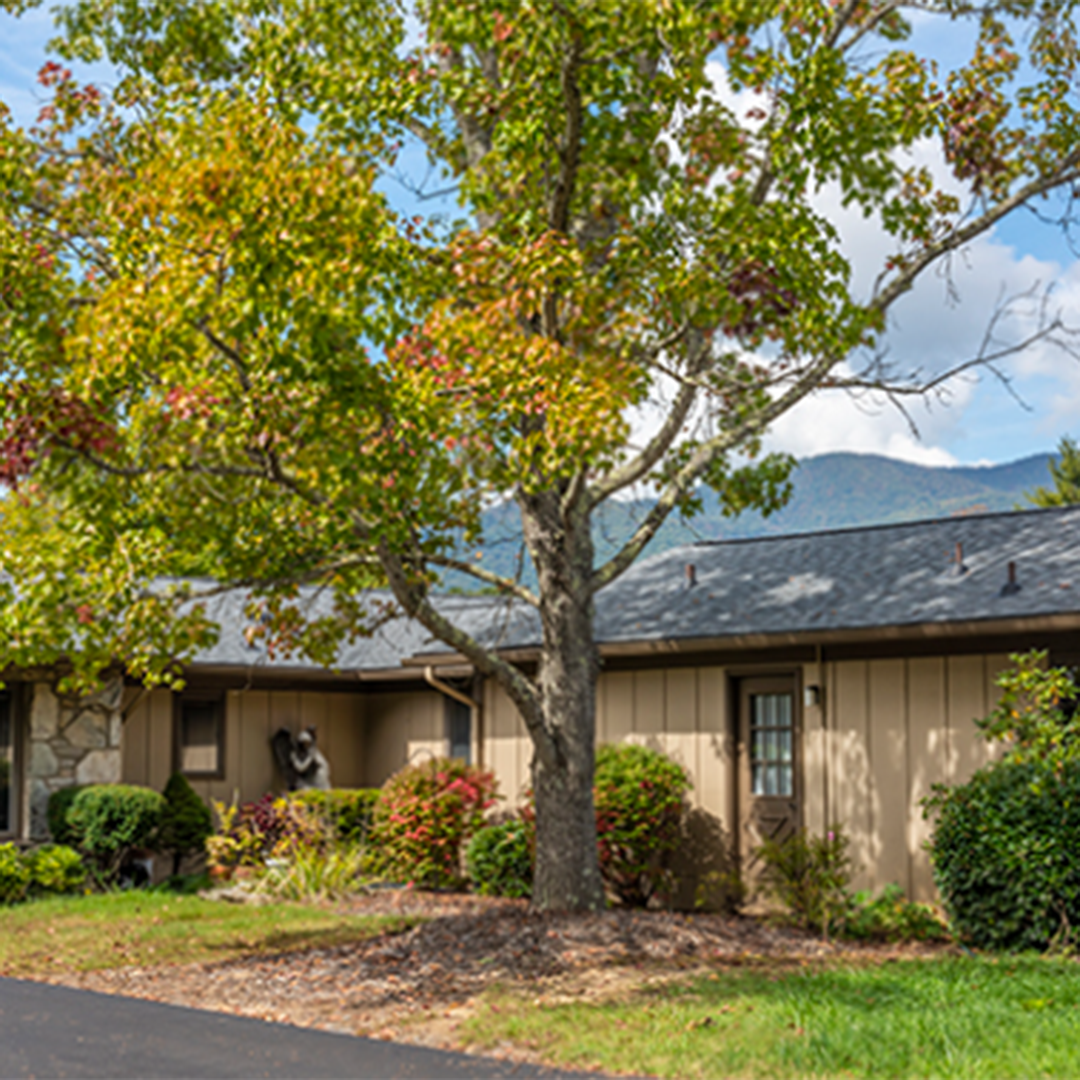
    Wynnshire Ridge Active Adult Community in Hickory NC. Single Level home with rock features and landscaping.

    One of the things I’ve come to really appreciate is the idea of aging in place—being able to stay in the home you love while making a few smart changes to keep it safe and comfortable as your needs evolve. There’s something deeply reassuring about staying in familiar surroundings, especially when the home is thoughtfully adapted. For many folks, that might mean adding grab bars in the bathroom, adjusting room layouts to improve flow, or widening doorways to make getting around easier. It’s all about making your home work for you, now and in the years to come.

    Relocating the bedroom to the main floor can reduce mobility challenges. Handrails in hallways, staircases, and near kitchen counters offer extra support. Low-impact flooring such as rubber or cork can mitigate fall risks. Together, these changes create a safer living space, fostering independence and peace of mind.

    Home assessments and various funding programs often provide financial assistance for these modifications, easing the financial burden and making aging in place more feasible for many seniors. Installing specialized medical alert systems can greatly enhance emergency response.

    Downsizing to a Smaller Home

    Givens Highland Farms

    Retiring to a smaller home offers a fresh start and easier navigation. Smaller homes require less upkeep, saving time and money on maintenance, leading to a more relaxed lifestyle.

    When I was house hunting in the Asheville area, one of the things at the top of my list was single-level living—and I ended up finding a great ranch-style home that fits just right. Having everything on one floor really makes day-to-day life easier, especially as we think long-term about comfort and mobility.

    These kinds of homes are popular with retirees for a reason—they cut out the hassle of stairs and make things like cleaning, cooking, and moving around so much simpler. Plus, smaller homes often come with a friendlier price tag, which can mean a bigger down payment and more manageable monthly expenses.

    Downsizing offers financial benefits, including lower mortgage payments and property taxes, allowing retirees to save significantly and enhance their retirement living or invest elsewhere.

    Embracing Condo Living

    Condos offer low-maintenance living, often in urban locations like Asheville, North Carolina. Many complexes include amenities like pools, gyms, and gated security. These features enhance quality of life and promote an active, healthy lifestyle.

    Condos provide social engagement opportunities and relieve residents of maintenance duties, freeing up leisure time. This lifestyle suits those who wish to enjoy retirement without the hassle of home upkeep. The convenience and community spirit of condo living make it a popular choice among retirees.

    One of the best parts about condo living is the built-in sense of community. With shared amenities and plenty of chances to socialize, it’s easy to meet neighbors and build real friendships. Whether it’s chatting by the pool, joining a walking group, or just bumping into familiar faces in the hallway, these little moments can really enrich your retirement and make every day feel a little more connected.

    Townhouses: A Middle Ground

    Townhouses have always been a smart option for retirees who want a comfortable home without stretching the budget too far. In many cases, they’ve been priced well under $200,000, which makes them especially appealing for anyone looking to keep costs in check. You still get that cozy, homey feel—just with fewer expenses and less maintenance than a standalone house. It’s a win-win!

    Offering more privacy and space than apartments, townhouses provide the potential for homeownership and serve as a balanced option for retirees. The blend of affordability and living benefits makes townhouses an appealing choice for retirees.

    Furthermore, townhouses offer retirement housing options that help retirees build equity, providing a significant advantage for future investment while enjoying comfortable, private living.

    Independent Living Communities

    Independent living communities are a great fit for older adults—especially baby boomers—who are ready to enjoy a maintenance-free lifestyle with just the right amount of support. Most of these communities welcome folks starting at age 62, though some open their doors as early as 55. Whether you’re looking for a cozy condo, a townhome, a single-family home, or even a mobile home, there’s a wide variety of housing options to choose from.

    Many communities also offer additional services like meal plans, housekeeping, and transportation. And while there is usually an application process, it’s often pretty straightforward and well worth it for the peace of mind and sense of community that come with the move.

    Independent living might not include daily care but often provides meal and laundry services. These communities frequently feature security, convenience, fitness facilities, and dining options tailored to dietary needs. On-site amenities such as beauty salons and barbershops boost residents’ self-esteem and well-being.

    Recent developments in urban development highlight outdoor spaces like gardens and walking trails, fostering a connection with nature. These communities are designed to promote social interaction through shared spaces and organized activities.

    Financing Your Retirement Home

    Seniors might sell their current home to finance a retirement home or modify their existing one using options like reverse mortgages. Programs from entities like the U.S. Department of Agriculture may offer financial assistance for home modifications, providing essential support for needed changes.

    Loans backed by FHA, VA, and USDA offer flexible financing options for seniors. Bank statement loans allow seniors to qualify for a mortgage using bank statements instead of traditional income verification. Asset depletion loans enable seniors to qualify for a mortgage based on their liquid assets’ value rather than traditional income.

    Seniors can use home equity lines of credit (HELOC) to access funds from their home’s equity. Transitioning to a smaller home usually lowers housing expenses, including mortgage payments and property taxes. Choosing retirement communities often results in savings, as they typically include services like maintenance and recreational facilities.

    Choosing the Right Location

    Access to healthcare services, including emergency care, is crucial when choosing a retirement location during retirement years. Local cultural amenities and activities greatly enhance the retirement experience and meet social needs. Cost of living varies widely; desirable locations may come with higher housing and service expenses.

    Being close to family and friends is vital, as it affects social connections and support networks. These areas are often close to essential services, shops, and recreational spots, enhancing convenience for residents. Your preferred climate, whether warm weather or distinct seasons, should match your daily comfort needs.

    Benefits of Active Adult Communities

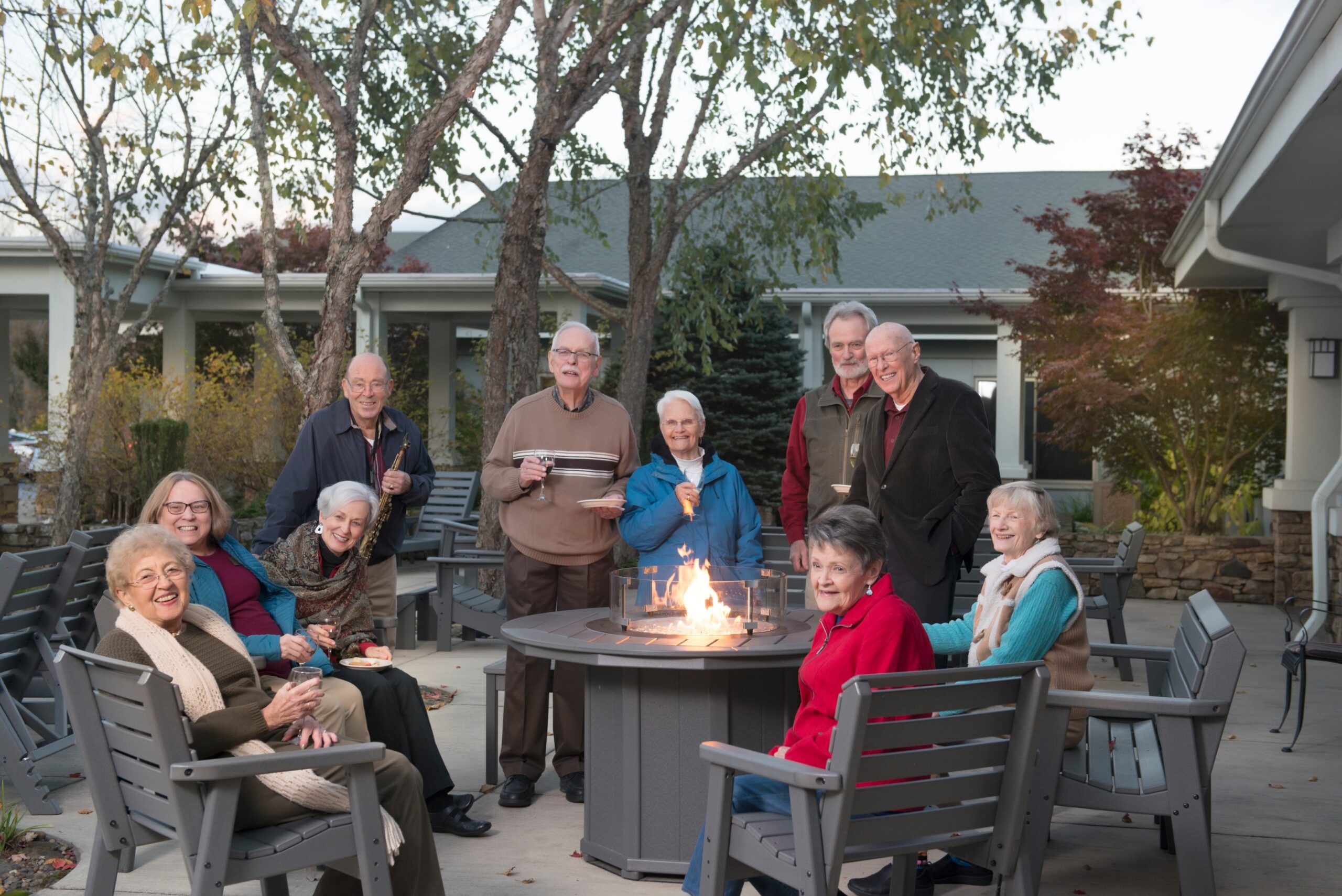
    Group of Ardenwoods residents enjoying their time together

    For most people, one of the big draws of active adult communities is the vibrant lifestyle they offer. These neighborhoods are designed with older adults in mind and often come packed with amenities—think golf courses, fitness centers, walking trails, and plenty of social activities to keep things fun and engaging. It’s easy to connect with neighbors who are in a similar stage of life, and that sense of community can be incredibly fulfilling. Plus, with a wide range of options available, there’s usually something to fit just about any financial situation.

    Health and wellness amenities in Life Plan Communities promote an active lifestyle in active retirement communities. They offer a supportive environment where retirees can enjoy their later years in a retirement community.

    Life Plan Communities: Comprehensive Care

    In a lively Asheville art studio, an older woman with short white hair from Ardenwoods smiles as she paints, embracing senior living. She holds a brush and palette filled with vibrant reds, yellows, and purples for her colorful abstract piece.

    Life Plan Communities, or continuing care retirement communities (CCRCs), offer a structured approach to retirement living. They are designed to provide varying levels of care and support as residents age. These communities offer peace of mind with a continuum of healthcare services as needs change. CCRCs facilitate seamless transitions from independent to assisted living as care needs evolve.

    Life Plan Communities, also known as Continuing Care Retirement Communities, offer a full spectrum of care all in one place—making them a smart choice for older adults who want to plan ahead. These communities typically include independent living options along with access to assisted living, memory care, and even nursing home services if needed down the road.

    Homes are often thoughtfully designed with aging in mind, featuring wide doorways and other accessible features. On top of that, many Life Plan Communities offer transportation services to help residents stay active and connected without the worry of driving. It’s a comforting blend of independence and support, all under one roof.

    Monthly fees may increase or stay the same as care needs grow, depending on community policies. Some communities offer assistance programs for residents who can no longer afford the monthly charge.

    Residents can tailor their schedules without fixed routines, promoting independence.

    When you’re thinking about relocating for retirement, having the right resources can make all the difference. Online directories focused on senior living are a great place to start—they help narrow down options and save time. Reading reviews from current or former residents can also give you a real feel for what life is like in different communities. Local community centers often have helpful information too.

    And don’t forget to check out Carolina Living Choices, both the website and our print magazine—they’re packed with trusted listings, articles, and advice tailored specifically for seniors and their families exploring retirement living in Western North Carolina.

    A senior living advisor can tailor the search to your specific needs and preferences. This personalized approach makes finding the perfect retirement home more manageable and less overwhelming.

    Summary

    In conclusion, finding the perfect retirement home requires careful consideration of various housing options, financial aspects, and personal preferences. From aging in place to exploring independent living communities, each choice offers unique benefits that can significantly enhance your retirement years.

    By understanding the different options and planning accordingly, you can ensure a comfortable and fulfilling retirement. Embrace this new chapter with confidence and excitement, knowing that the perfect home is within reach.

    Frequently Asked Questions

    What are the benefits of aging in place?

    Aging in place offers seniors the benefit of staying in familiar surroundings, promoting their independence and comfort while enhancing safety through necessary home modifications. This approach not only fosters emotional well-being but also allows for continuity in social connections and daily routines.

    Why should I consider downsizing to a smaller home?

    Downsizing to a smaller home can lead to lower maintenance costs and mortgage payments, allowing for a more manageable lifestyle and potential savings. This choice offers a practical solution for those seeking financial relief and simplicity.

    What amenities are typically available in independent living communities?

    Independent living communities typically offer amenities such as security, fitness facilities, dining options, and services like meal preparation and laundry, all designed to foster a convenient and active lifestyle.

    How can I finance my retirement home?

    You can finance your retirement home through various means such as selling your current home, obtaining a reverse mortgage, pursuing government-backed loans, or leveraging home equity lines of credit. These options can help you achieve your goal of securing a comfortable living situation in retirement.

    What factors should I consider when choosing a retirement location?

    Consider accessibility to healthcare, cost of living, proximity to family and friends, available local amenities, and your climate preferences when choosing a retirement location. Prioritizing these factors will help ensure a comfortable and fulfilling retirement.

  • Understanding Different Types of Dementia: Symptoms, Diagnosis, and Care

    Understanding Different Types of Dementia: Symptoms, Diagnosis, and Care

    Dementia affects memory, thinking, and behavior. This article breaks down the main types of dementia, their symptoms, causes, and differences.

    Dementia Key Highlights

    • Alzheimer’s disease is the most prevalent type of dementia, typically starting with memory loss and leading to significant cognitive decline; early detection through cerebrospinal fluid and blood tests is crucial for management.

    • Vascular dementia arises from impaired blood flow to the brain, often linked to cardiovascular issues; managing risk factors is essential to slow progression as no cure exists.

    • Frontotemporal dementia presents with personality changes and communication difficulties, and its diagnosis can be complex due to symptom overlap with other dementia types; early and precise diagnosis is vital for effective management.

    Alzheimer’s Disease

    Alzheimer’s disease is the most common type of dementia, affecting millions globally. This brain disorder primarily impacts memory and cognitive functions, gradually leading to severe disorientation and difficulty with basic tasks. In many cases, the initial symptom is memory loss, which progresses to more significant cognitive impairments. Interestingly, more than 80% of posterior cortical atrophy cases are linked to an atypical form of Alzheimer’s disease, highlighting its diverse manifestations.

    Detecting Alzheimer’s disease early can make a significant difference in management. Cerebrospinal fluid tests reveal biomarkers linked to Alzheimer’s, helping in its detection. Additionally, blood tests are being researched as non-invasive tools to identify these biomarkers, potentially revolutionizing early diagnosis.

    These diagnostic methods enable earlier interventions, potentially slowing progression and enhancing quality of life.

    Vascular Dementia

    Vascular dementia is another common type of dementia, often resulting from cardiovascular diseases. This condition arises when blood flow to the brain is impaired, leading to cognitive decline and affecting thinking skills and daily decision-making. High blood pressure and other cardiovascular issues are significant risk factors, underscoring the importance of maintaining cardiovascular health to prevent or slow the onset of this form of dementia.

    Individuals with vascular dementia often have a shorter life expectancy due to related cardiovascular conditions. Diagnosing vascular dementia typically involves cognitive tests and brain imaging, which help identify the extent of brain damage and guide treatment plans.

    Although there is no cure, managing cardiovascular risk factors can help mitigate the progression of dementia symptoms.

    Lewy Body Dementia

    Lewy body dementia is characterized by the presence of Lewy bodies in the brain and includes two forms: dementia with Lewy bodies and Parkinson’s disease dementia. This condition often presents with visual hallucinations early in the disease, which are typically realistic and detailed, making them a distinctive symptom. Cognitive fluctuations are also common, causing unpredictable changes in mental functioning that can impact attention and alertness.

    Mood changes, such as depression and anxiety, are prevalent in individuals with Lewy body dementia, affecting their overall well-being. Sleep disturbances, including REM sleep behavior disorder where individuals act out their dreams, further complicate their condition. These symptoms collectively contribute to a challenging and often distressing experience for both patients and caregivers.

    The average life expectancy after a diagnosis of Lewy body dementia ranges from two to twenty years, with most experiencing a decline over five to seven years. Despite the absence of a cure, understanding and managing symptoms through medication and supportive therapies can significantly improve the quality of life for those affected.

    Frontotemporal Dementia

    Frontotemporal dementia primarily affects neurons in the frontal and temporal lobes, leading to atrophy in these areas as the neurons die. This type of dementia manifests in various ways, including unusual behaviors, emotional disturbances, and difficulties with communication and movement. Behavioral variant frontotemporal dementia is notable for significant changes in personality and behavior, such as impulsivity and lack of empathy.

    Primary progressive aphasia is another variant of frontotemporal dementia that affects language abilities, leading to difficulties in speaking, reading, and understanding. Additionally, diseases associated with frontotemporal dementia, such as corticobasal syndrome, can cause significant movement issues like apraxia and movement control difficulties. Genetic factors also play a role, with specific genes linked to familial forms of the disorder.

    Frontotemporal dementia can be challenging to diagnose accurately due to overlapping symptoms with Alzheimer’s disease and mood disorders. Early and precise diagnosis is essential for effective management and support, emphasizing the need for awareness and understanding of this dementia type.

    Mixed Dementia

    Mixed dementia refers to a condition where a person experiences symptoms of more than one type of dementia, making its diagnosis and management particularly complex. This often involves a combination of Alzheimer’s disease and vascular dementia, leading to a range of symptoms from memory loss to behavioral shifts and difficulties with daily tasks. Cognitive tests and brain imaging are crucial in diagnosing mixed dementia, helping to identify issues associated with multiple dementia types.

    While there is no cure for mixed dementia, certain medications can help manage symptoms and slow progression. Understanding the intricacies of mixed dementia is vital for providing appropriate care and support, ensuring that individuals receive the most effective interventions tailored to their unique needs.

    Young Onset Dementia

    Young onset dementia, diagnosed in individuals under 65, affects over 70,800 people in the UK. Unlike older individuals, those with young onset dementia may not experience memory loss as their initial symptom. Instead, they often face challenges with movement, coordination, and balance. Initial symptoms might involve memory challenges, difficulty concentrating, and trouble completing familiar tasks.

    Frontotemporal dementia is common among younger individuals, with symptoms typically appearing between ages 45 to 64. The impact of young onset dementia extends beyond the individual, affecting family dynamics, relationships, and daily life. Recognizing these unique challenges is key to offering effective support and care.

    Posterior Cortical Atrophy

    Posterior cortical atrophy primarily affects brain cells in the rear section of the brain, which is essential for processing visual and spatial information. Individuals with this condition often face challenges with reading, distance judgment, and recognizing objects or familiar faces. Although it is linked to Alzheimer’s disease, posterior cortical atrophy presents differently, making its diagnosis and management unique.

    Recognizing the specific symptoms and effects of posterior cortical atrophy is vital for providing suitable care and support. This includes tailored interventions that address the visual and spatial processing difficulties experienced by those affected.

    Alcohol-related dementia is linked to chronic alcohol abuse and conditions like Wernicke-Korsakoff syndrome. This syndrome, often caused by vitamin B1 deficiency, presents with symptoms such as confusion, memory problems, and coordination issues. Excessive alcohol consumption can lead to significant brain health deterioration, increasing the risk of various types of dementia, including alcoholic dementia.

    Recovery from Wernicke-Korsakoff syndrome varies; some patients fully recover, while others may require ongoing support or long-term care. Recognizing the link between alcohol abuse and dementia is key for prevention and effective management.

    Huntington’s Disease

    Huntington’s disease is a hereditary disorder that leads to both motor and cognitive decline, typically manifesting between ages 30 and 50. The disease progresses through stages, with initial symptoms often related to movement difficulties followed by changes in behavior and cognitive impairment. Currently, there is no cure for Huntington’s disease, and it typically results in death within two decades of symptom onset, although symptom management options exist.

    Genetic factors contribute to about 10% of cases of young-onset dementia, increasing concerns for family members regarding their own risks. Recognizing the hereditary nature and progression of Huntington’s disease is vital for offering proper care and support to affected individuals and their families.

    Common Symptoms of Dementia

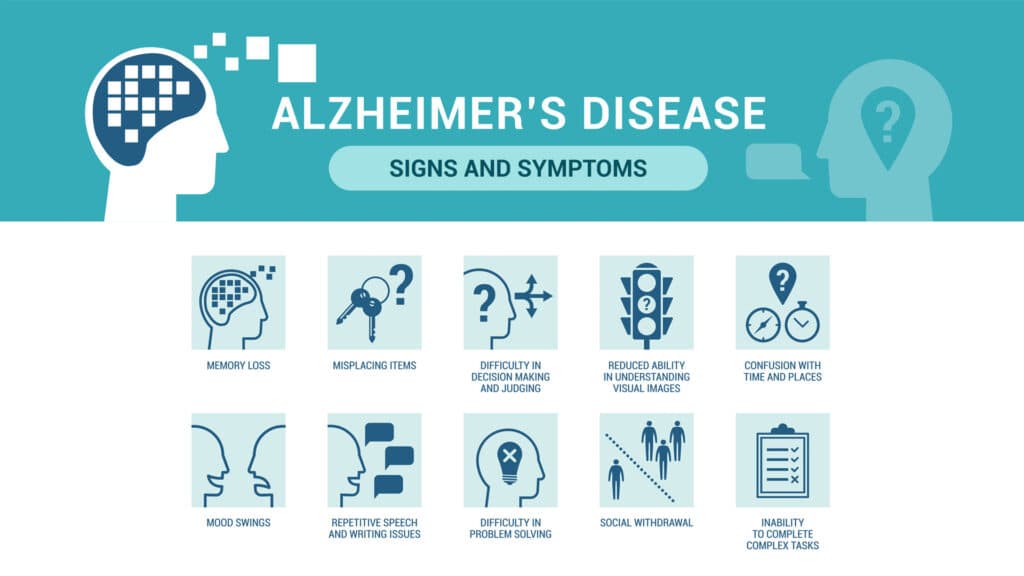
    Dementia symptoms can vary significantly based on the area of the brain affected. Common symptoms include memory loss, which is particularly prominent in Alzheimer’s disease, the leading cause of dementia. People may struggle to follow conversations or recall specific words, especially in the early stages. Mood fluctuations, such as increased emotional sensitivity or withdrawal, are also common.

    Confusion regarding time and place is often observed as a symptom of dementia. Patients with frontotemporal dementia may face challenges in work-related tasks like organization and planning due to their cognitive decline. Symptoms of posterior cortical atrophy may include anxiety, confusion, and alterations in personality, which tend to worsen gradually over time.

    Recognizing these common early symptoms aids in early detection and intervention, potentially improving outcomes for those with dementia.

    Diagnosing Dementia

    Diagnosing dementia involves a comprehensive approach that includes a patient’s medical history, cognitive assessments, neurological exams, and brain imaging techniques. Cognitive tests, which can be brief or complex, are used to evaluate a person’s memory, thinking, and problem-solving capabilities. Brain imaging, such as MRI or CT scans, is primarily utilized to exclude other medical conditions that might mimic dementia symptoms.

    Diagnosis of Lewy body dementia can be particularly challenging due to symptom overlap with Alzheimer’s disease, requiring careful assessment by medical professionals. Timely and accurate diagnosis is essential for effective management and support.

    Treatment and Care Options

    While there is no cure for most types of dementia, various treatment options focus on managing symptoms and improving quality of life. For instance, treatment options for Lewy body dementia may include medications that target cognitive symptoms, but no cure currently exists. Treatments for frontotemporal dementia also focus on managing symptoms, given the lack of options to slow its progression.

    Non-medication therapies, such as occupational therapy, music therapy, and pet therapy, can significantly enhance the well-being of individuals with dementia. Exercise is also beneficial, enhancing physical health and potentially slowing cognitive decline. Efforts to lower systolic blood pressure may help reduce the risk of cognitive decline, although evidence varies regarding the effectiveness of different interventions.

    Summary

    Understanding the various types of dementia, their symptoms, diagnosis, and care options is essential for providing effective support to those affected. From the common Alzheimer’s disease to the rarer forms like posterior cortical atrophy and Huntington’s disease, each type of dementia presents unique challenges that require tailored interventions.

    By recognizing the signs and seeking early diagnosis, we can improve the quality of life for individuals with dementia and their families. Knowledge is power, and with the right information, we can navigate the complexities of dementia with greater confidence and compassion.

    Frequently Asked Questions

    What is the most common cause of dementia?

    The most common cause of dementia is Alzheimer’s disease, which accounts for 60-80% of all cases. This prevalent condition significantly impacts cognitive function and quality of life.

    How is dementia diagnosed?

    Dementia is diagnosed through a comprehensive evaluation that includes the patient’s medical history, cognitive assessments, neurological examinations, and brain imaging techniques. This thorough process ensures an accurate diagnosis to guide effective treatment.

    Can young people get dementia?

    Yes, young people can indeed develop dementia, specifically referred to as young onset dementia, which occurs in individuals under the age of 65.

    Is there a cure for dementia?

    There is no cure for most types of dementia, but treatments are available to help manage symptoms and enhance quality of life.

    What are the common symptoms of dementia?

    Common symptoms of dementia are memory loss, confusion, mood changes, and challenges in performing daily activities. Recognizing these signs early can be crucial for timely intervention.