Month: May 2025

  • What Makes Asheville One of the Best Places to Retire?

    What Makes Asheville One of the Best Places to Retire?

    Are you thinking about retiring in Asheville, North Carolina? With its welcoming community, scenic mountain views, and rich cultural offerings, it’s easy to see why Asheville is a top choice for retirees. From affordable living to excellent healthcare and plenty of outdoor and recreational opportunities, this vibrant city offers something for everyone. In this article, we’ll explore the many reasons why retiring in Asheville could be the perfect fit for your next chapter.

    Key Takeaways

    • Asheville offers a high quality of life with a welcoming community, lower cost of living, and abundant outdoor and cultural activities, making it an attractive retirement destination.
    • The city features breathtaking natural landscapes, temperate climate, and a vibrant arts and culinary scene that enhance the retirement lifestyle.
    • Asheville provides diverse retirement communities and access to quality healthcare, alongside opportunities for lifelong learning and community engagement.

    Why Retire in Asheville, North Carolina?

    Having recently made the move to the Asheville area myself, I can say firsthand that it lives up to its reputation as one of the best places to live and retire in the U.S. The community here is incredibly welcoming, which makes it easy to feel connected and at home. Imagine enjoying mild seasons, a rich cultural scene, and plenty of chances to stay active—whether through lifelong learning, outdoor adventures, or simply soaking in the mountain views.

    Why Asheville Offers Big Value for Retirees

    Asheville’s blend of natural beauty, engaging lifestyle, and supportive atmosphere truly makes it a standout choice for retirement. Additionally, Asheville, like much of North Carolina, has a lower cost of living compared to the national average, making it easier for retirees to live comfortably without financial burden. In Asheville, retirees benefit from a lifestyle that is generally more affordable than many other popular retirement locations.

    These advantages contribute to Asheville’s reputation as one of the top retirement destinations.

    Majestic Blue Ridge Mountains

    One of the most compelling reasons to retire in Asheville is the breathtaking natural beauty of the Blue Ridge Mountains. The city is situated at a high elevation, providing stunning views of the surrounding mountains from several directions. Imagine waking up every day to postcard-worthy panoramic vistas that include not only the Blue Ridge Mountains but also the Great Smoky Mountains. The scenic beauty of the Blue Ridge Parkway, with its state parks and national forests, offers endless opportunities for exploration, whether you’re hiking, biking, or simply enjoying a peaceful drive.

    Adventure Awaits: Outdoor Fun for All Levels

    For those who love adventure, Asheville is a gateway to thousands of miles of hiking and biking trails suited to every experience level. Just a short drive away, Pisgah National Forest and the Great Smoky Mountains National Park offer endless opportunities to explore waterfalls, scenic overlooks, and peaceful forest paths—making it easy to stay active and connected to nature year-round.

    Whether you’re a seasoned hiker or prefer leisurely strolls, the Blue Ridge Mountains make Asheville a nature lover’s paradise.

    Temperate Climate

    Asheville’s temperate climate makes it a comfortable place to enjoy all year long. Summers are warm but not overly hot like some other Southern spots, which means you can really make the most of being outdoors. Winters are pretty mild, too—light on snow and often with daytime temps in the 50s—so it’s easy to stay active and enjoy fresh air even in the cooler months. It’s the kind of weather that encourages you to get outside and soak up the beauty around you.

    Enjoy All Four Seasons in Asheville NC

    One of the things that makes Asheville so special is that we get to enjoy all four distinct seasons—and each one has its own charm. Spring brings blooming flowers and fresh mountain air, while fall lights up the landscape with stunning foliage. Summers are warm and inviting, perfect for getting outside, and winters are mild enough to stay active without too much chill. This balanced climate is ideal for retirees who want to enjoy nature year-round and stay engaged in a healthy, active lifestyle.

    Cultural Vibrancy and Arts Scene

    Asheville is a city that pulses with cultural vibrancy and artistic energy. The city is known for its thriving arts scene, including numerous galleries, live music events, and artist studios. The River Arts District is a vibrant creative hub, home to thousands of artists and numerous galleries and studios. Whether you’re an artist or an art enthusiast, Asheville offers countless opportunities to engage with its cultural offerings.

    Soundtrack for Retirement: Asheville’s Vibrant Music Scene

    Music lovers will feel right at home in Asheville. The city’s rich musical heritage shines through in its abundance of live performances, from toe-tapping Bluegrass and old-time mountain music to soulful blues and indie folk. You’ll find music around every corner—whether it’s a casual street performance downtown, an intimate set at a local brewery, or a concert at one of the city’s many music venues. Asheville’s thriving arts and music scene adds another layer of joy to everyday life, making it easy to stay culturally engaged and entertained all year round.

    Downtown Asheville: A Hub of Arts, Culture, and Community

    Downtown Asheville buzzes with live performances, art galleries, and a variety of restaurants that add to its small-town charm and community spirit. Events like the monthly First Friday Art Walk and the LEAF Festival, which celebrates a blend of music, arts, and community culture, highlight Asheville as a city where the arts thrive.

    Diverse Dining Options

    Asheville’s culinary scene is as diverse and vibrant as its cultural landscape. The city is celebrated for its award-winning dining options and culinary creativity across various styles. From upscale bistros to casual cafes, Asheville offers dining experiences to cater to every palate. Many restaurants prioritize farm-fresh ingredients, often sourced locally, emphasizing a farm-to-table dining approach that highlights sustainability.

    Savor the Flavors: Asheville‘s Fresh and Diverse Food Scene

    No matter what you’re in the mood for, Asheville’s dining scene delivers. From comforting Southern classics to creative vegetarian dishes and bold international flavors, there’s something here for every palate. What really sets Asheville apart is its commitment to fresh, locally sourced ingredients—making every meal not just delicious, but a celebration of the region’s rich food culture.

    For retirees who love exploring new culinary delights, Asheville’s diverse dining options enhance their retirement lifestyle.

    Outdoor Recreation Opportunities

    Asheville is a true haven for outdoor lovers. Nestled near the stunning Blue Ridge Mountains and surrounded by national forests, the area offers endless opportunities for hiking, biking, paddling, and simply soaking in the beauty of nature. With so many trails, parks, and scenic spots just minutes away, it’s easy to enjoy the great outdoors whenever the mood strikes.

    Popular activities include:

    • Hiking
    • Biking
    • Fishing
    • Kayaking

    These activities offer many ways to stay active and explore the natural beauty of the area while promoting an active lifestyle with easy access to a haven.

    Adventure Awaits: Outdoor Thrills for Active Retirees in Asheville NC

    More adventurous retirees can enjoy mountain biking, rock climbing, whitewater rafting, and exploring thousands of miles of hiking trails and trout streams in nearby national forests. Whether pursuing a new hobby or continuing an existing passion, Asheville’s outdoor recreation options cater to all interests and skill levels, ensuring your retirement years are filled with adventure and exploration.

    Top Retirement Communities in Asheville NC
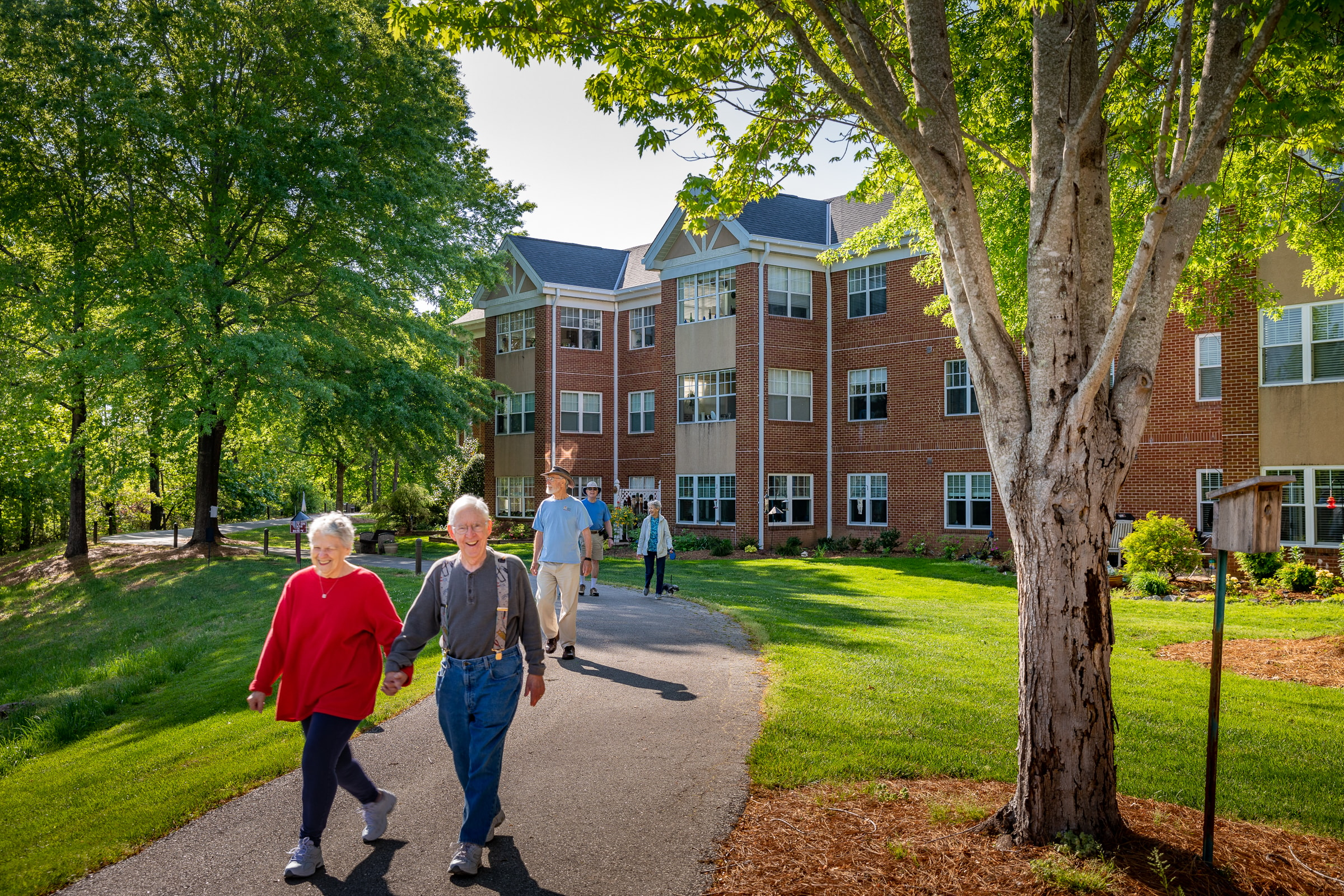
    Tryon Estates Retirement Community near Asheville, North Carolina

    Asheville offers a unique blend of both luxurious and budget-friendly retirement living options, making it easy for individuals to find a community that fits their lifestyle and financial comfort. Whether you’re looking for upscale amenities in a resort-style setting or a more modest, cozy place to call home, Asheville has a wide range of choices. This diversity ensures that retirees can enjoy the vibrant culture, natural beauty, and supportive community the area is known for—without compromising their personal or financial needs.
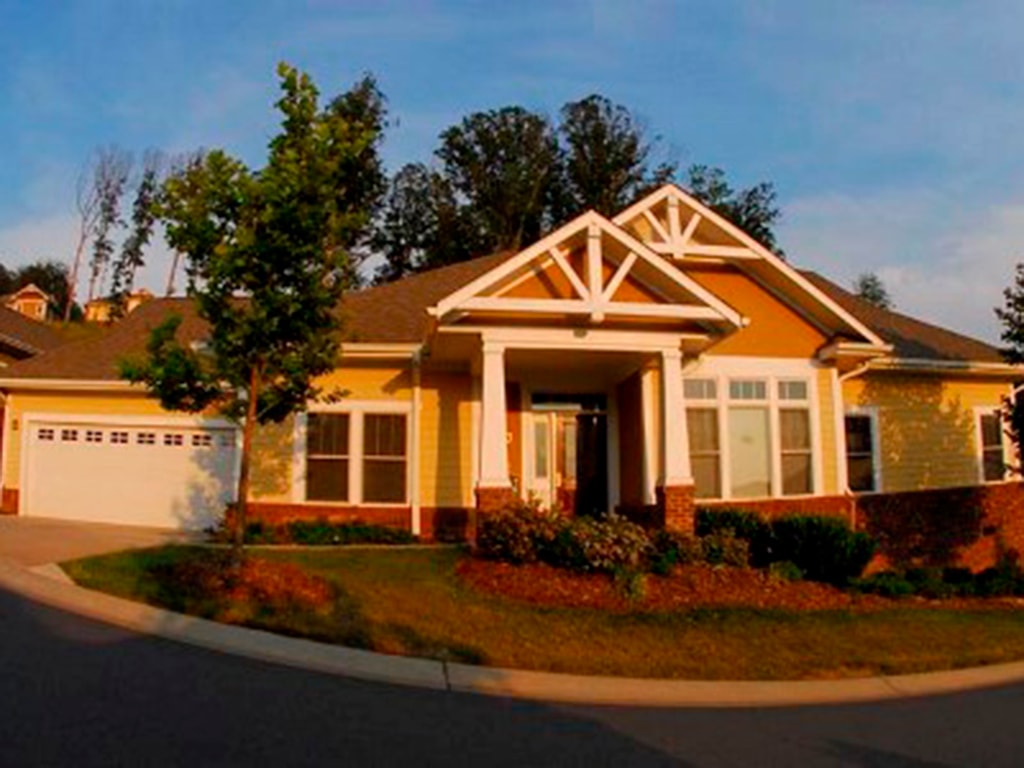
    View of beautiful home in Givens Estates Retirement Community

    Givens Estates stands out by offering a comprehensive array of retirement options, from independent homes to skilled nursing care, all on a large campus. This setup allows retirees to receive care as their needs evolve while remaining in a familiar environment.
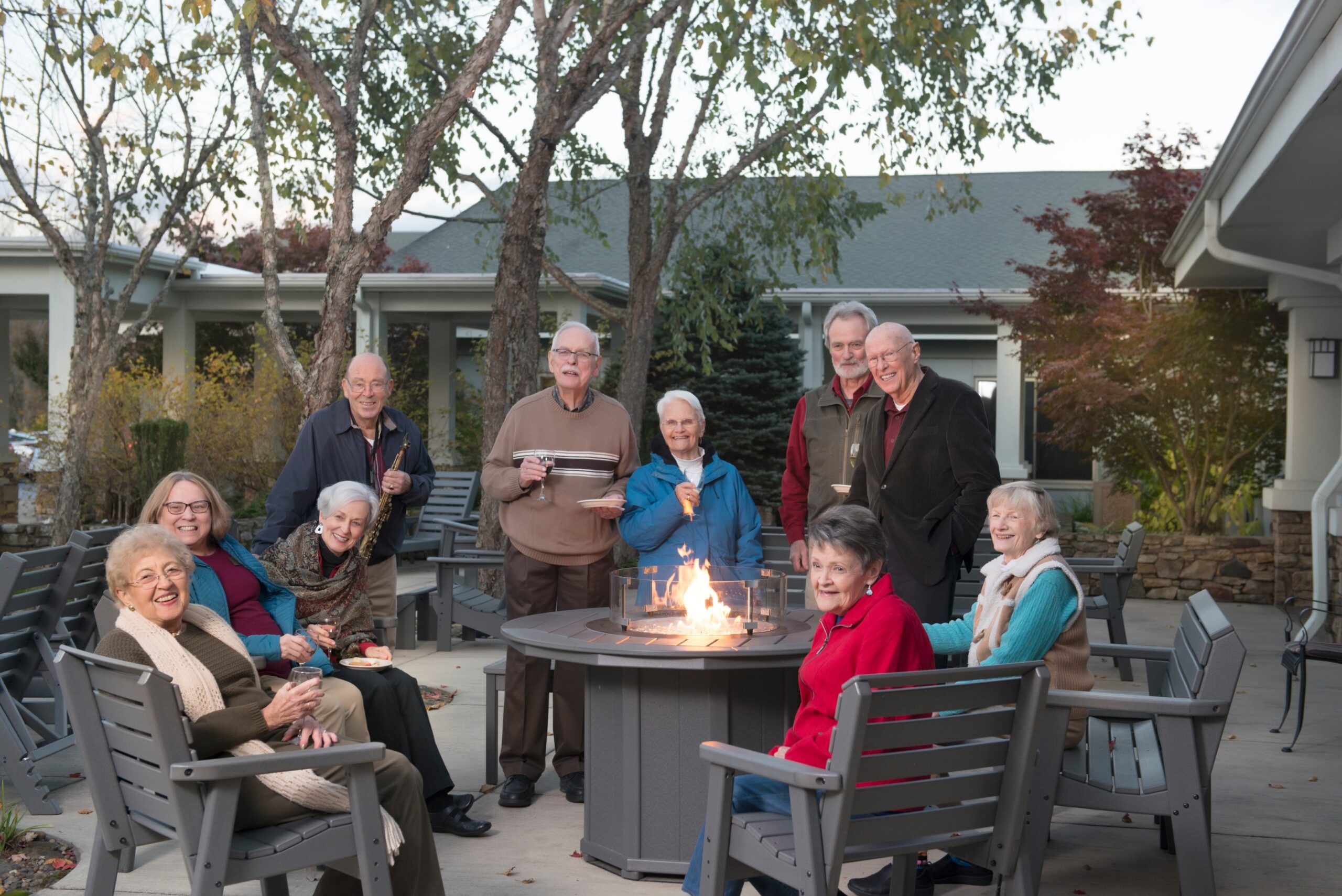
    Group of Ardenwoods residents enjoying their time together

    Ardenwoods is a standout retirement community that offers both independent living and assisted living options, allowing residents to age in place with confidence and ease. Located just outside Asheville, this peaceful, wooded campus provides a perfect blend of natural beauty and modern comfort. Residents enjoy amenities such as a fully equipped fitness center, chef-prepared meals, and engaging social activities—all designed to promote wellness and community connection. With its stunning mountain views and personalized approach to care, Ardenwoods offers a fulfilling and enriching lifestyle that supports residents through every stage of their retirement journey.

    Couple enjoying their surroundings at Pisgah Valley Retirement Community

    If you’re looking for a retirement setting that combines natural beauty with easy access to city life, Pisgah Valley Retirement Community is a wonderful option. Nestled in a serene, bucolic landscape with stunning views of Mt. Pisgah, this community offers a peaceful retreat just under 15 minutes from downtown Asheville. Residents enjoy the best of both worlds—quiet, scenic surroundings and a vibrant, engaging lifestyle close to everything Asheville has to offer.
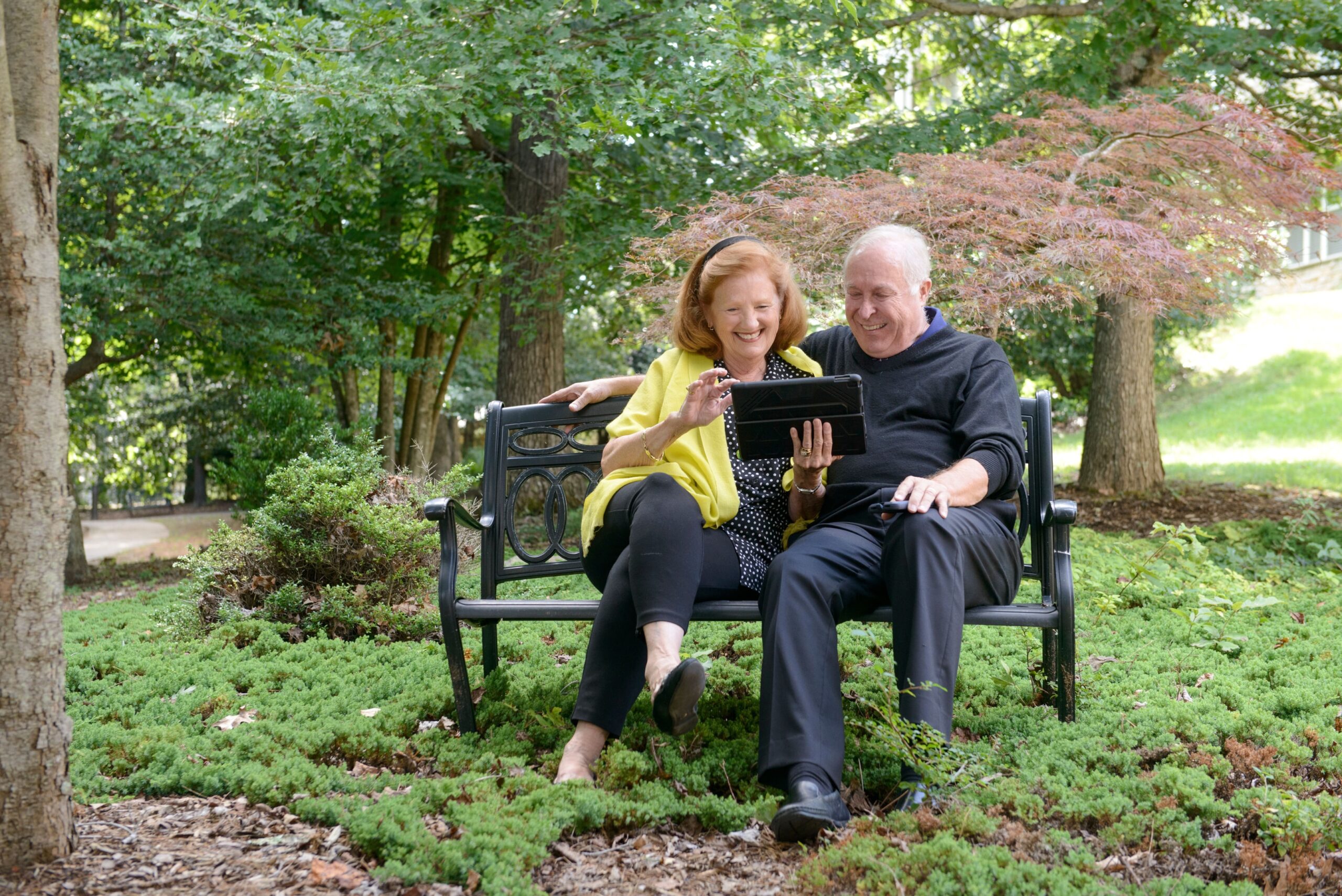
    Couple enjoying a peaceful moment on a bench at Deerfield Episcopal Retirement Community

    Deerfield Episcopal Retirement Community is more than just a beautiful place to live—it’s a chance to fully embrace the best years of your life. Nestled in the majestic mountains of Asheville, one of the country’s most beloved destinations, Deerfield offers a lifestyle that nurtures your body, mind, and spirit. Here, wellness is a way of life, friendships flourish, and every day brings new opportunities for enrichment and joy. With a full continuum of care—including independent living, assisted living, and skilled nursing—you can enjoy peace of mind knowing support is there if and when you need it. Deerfield isn’t just a community—it’s a movement toward living well, with purpose and connection.
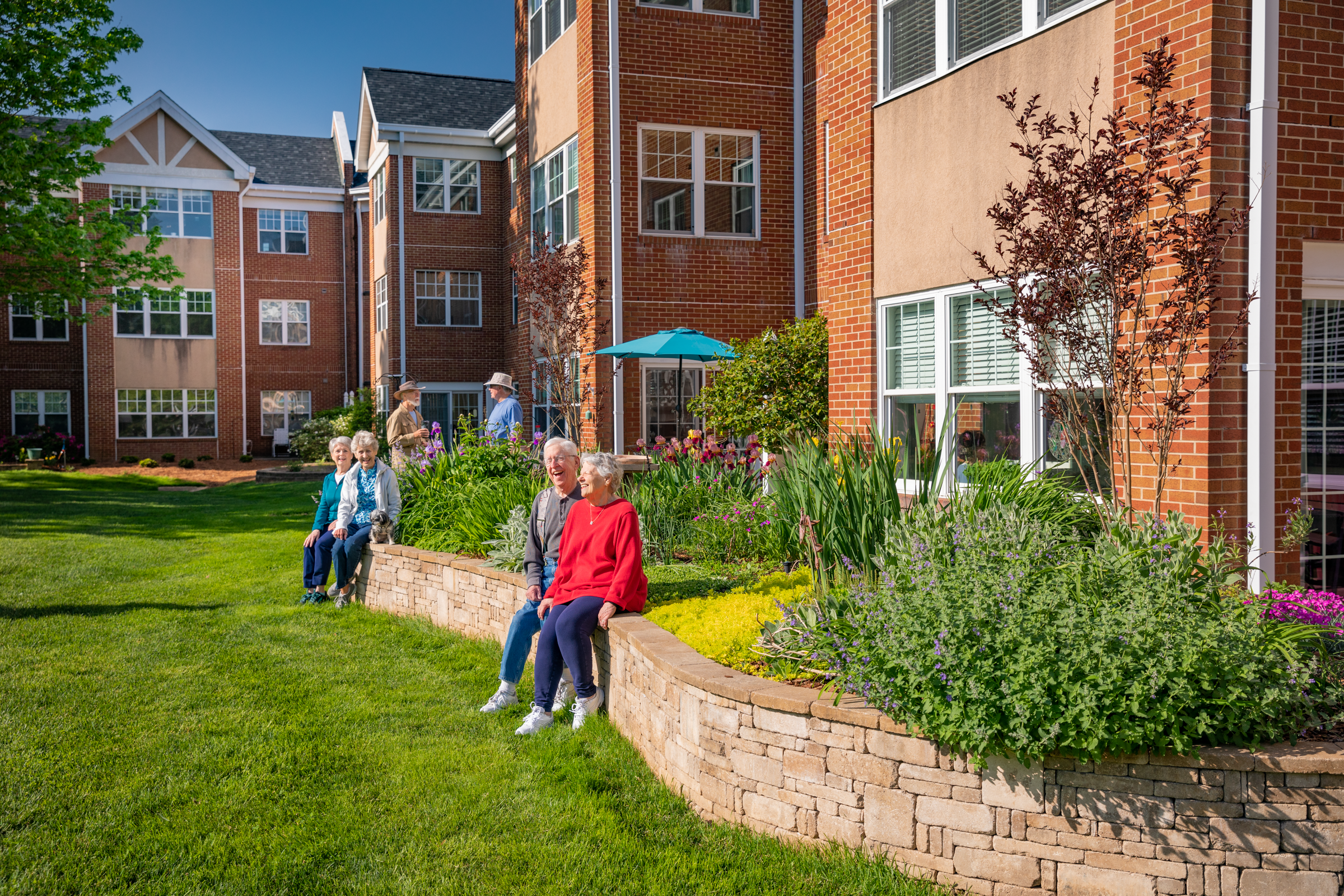
    Residents relaxing outdoors and enjoying the scenery at Tryon Estates

    Tryon Estates offers a resort-like lifestyle tailored to active retirees who value both comfort and choice. Set against a stunning natural backdrop just outside Asheville, this welcoming community features beautifully landscaped grounds, spacious residences, and a wide range of amenities designed to support wellness, connection, and personal growth. Residents can enjoy everything from chef-prepared dining and fitness programs to social clubs, lifelong learning opportunities, and cultural outings. With various living options and a full continuum of care available, Tryon Estates makes it easy for retirees to find the perfect balance of independence, support, and enjoyment—all in one beautiful place.

    Lifelong Learning in Asheville

    Lifelong learning is crucial for a fulfilling retirement, and Asheville promotes this through programs at the Osher Lifelong Learning Institute (OLLI). OLLI, an internationally recognized program, fosters lifelong learning and personal growth, offering a variety of educational experiences tailored for older adults. OLLI courses cover the arts and sciences, as well as topics on wellness and civic engagement.

    Stay Curious: Explore New Passions with OLLI Membership

    OLLI membership provides retirees with opportunities to participate in workshops and lectures focused on significant life transitions and retirement planning. This commitment to lifelong learning ensures retirees in Asheville can continue to grow, learn, and explore new interests, making their retirement years enriching and intellectually stimulating.

    Quality Healthcare Facilities

    Quality healthcare is crucial for retirees, and Asheville excels in this regard. Seniors have access to top-tier healthcare services through local hospitals and specialized programs. Mission Hospital, in particular, offers comprehensive healthcare services, including specialty care and senior health programs tailored to elderly patients.

    Organizations like Senior Helpers provide homecare services, ensuring seniors receive necessary support while aging in place. Several senior health programs focus on preventing and managing common age-related health issues, giving retirees in Asheville peace of mind with excellent healthcare facilities.

    Community Engagement and Volunteerism

    Engagement in community activities enriches retirees’ lives and fosters a stronger community spirit. Asheville provides numerous opportunities for community engagement and volunteerism. Retirees can join the ‘Retire United’ group through the United Way of Asheville, which focuses on engaging retirees in community service. This allows retirees to use their skills and expertise for community betterment, enhancing their sense of purpose and belonging.

    Stay Connected: Social Clubs and Activities for Retirees in Asheville area

    Asheville offers a vibrant social scene for retirees, with a wide range of groups and clubs designed to foster connection and community. Whether you’re interested in hiking, gardening, or simply meeting new people, there’s something for everyone. The city is home to numerous senior-friendly meetups, including outdoor recreation clubs and hobby groups. Asheville Parks & Recreation also hosts a variety of programs specifically for active adults, making it easy to stay engaged, active, and socially connected throughout your retirement years.

    These opportunities for civic engagement and community service make Asheville a thriving community where residents and retirees can stay active and involved.

    Invest in a Retirement Lifestyle That Inspires

    While Asheville’s cost of living is slightly higher than the national average—mainly due to housing—it continues to be a highly desirable place to retire thanks to its vibrant culture, stunning mountain scenery, and strong sense of community. Many retirees find the lifestyle, outdoor beauty, and wellness-focused living well worth the investment. With so much to offer, Asheville provides exceptional value for those looking to enjoy their retirement in a place that’s active, inspiring, and full of opportunity. If you’re considering making a move, Asheville is truly worth exploring!

    Nearby towns like Hendersonville also offer an affordable cost of living, providing additional options for retirees seeking a comfortable and budget-friendly lifestyle. This affordability, combined with Asheville’s many amenities, makes it one of the best places to retire.

    Proximity to Charming Small Towns

    Asheville’s location in western North Carolina means it’s surrounded by charming small towns that add to its appeal as a retirement destination. Weaverville, for example, is known for its walkable streets, local music and theater, and delicious food, making it a delightful day trip from Asheville. These small towns offer a sense of community and charm that many retirees find appealing.

    Black Mountain, with its pedestrian-friendly downtown and strong community spirit, is another nearby town retirees will enjoy exploring. The proximity of these charming small towns enhances the appeal of retiring in Asheville, offering retirees more opportunities to experience local culture and make new friends.

    Real Estate Market Insights

    Asheville‘s real estate market in 2025 presents a more balanced environment for both buyers and sellers. In April 2025, the median home sold price in Asheville was approximately $505,204, reflecting a 3.9% increase from the previous year . This steady growth indicates a stable market, offering potential buyers a range of options to consider.

    Homes in Asheville are spending an average of 37 days on the market, a slight decrease from the previous year, suggesting a healthy pace of sales . This timeframe provides buyers with sufficient opportunity to make informed decisions without the pressure of rapid turnover.

    Mortgage rates have seen a modest decline, with the average 30-year fixed rate in Asheville at 6.6% as of late April 2025, down from 6.76% the previous month . This decrease enhances affordability for prospective homeowners, making it an opportune time to explore the Asheville housing market.

    With a growing inventory of homes and favorable mortgage rates, Asheville offers a promising landscape for those looking to invest in a vibrant and scenic community.

    Summary

    In summary, Asheville, North Carolina, offers a unique and fulfilling retirement experience. From its majestic Blue Ridge Mountains and temperate climate to its vibrant arts scene and diverse dining options, Asheville has something for everyone. With top retirement communities, lifelong learning opportunities, quality healthcare facilities, and numerous chances for community engagement, Asheville is an ideal destination for retirees seeking an enriching and affordable lifestyle. Make the decision to retire in Asheville and embrace the next chapter of your life in this beautiful and welcoming city.

    Frequently Asked Questions

    Why is Asheville considered one of the best places to retire?

    Asheville is considered one of the best places to retire thanks to its high quality of life, welcoming community, and unique blend of natural beauty and vibrant culture. From scenic mountain views to a thriving arts and music scene, the area offers an ideal environment for retirees looking to enjoy a rich and fulfilling lifestyle.

    What outdoor activities are available for retirees in Asheville?

    Asheville offers a variety of outdoor activities for retirees, including hiking, biking, fishing, kayaking, and whitewater rafting. These options provide ample opportunity to engage with nature and stay active.

    What are some top retirement communities in Asheville?

    Top retirement communities in Asheville include Givens Estates, Ardenwoods, Pisgah Valley Retirement Community, Deerfield Episcopal Retirement Community, and Tryon Estates. These options offer a variety of amenities and a vibrant lifestyle for retirees.

    How does Asheville promote lifelong learning for retirees?

    Asheville promotes lifelong learning for retirees through the Osher Lifelong Learning Institute (OLLI), providing diverse educational programs specifically designed for older adults. This initiative fosters continuous personal growth and engagement in the community.

    What healthcare facilities are available for retirees in Asheville?

    Asheville offers various healthcare facilities for retirees, including Mission Hospital, which provides comprehensive services and senior health programs, as well as homecare options through organizations like Senior Helpers.


  • Aging Healthy: Top Tips for Every Stage of Life

    Aging Healthy: Top Tips for Every Stage of Life

    Aging healthy means making choices that help you stay physically and mentally fit as you grow older. This article provides tips on healthy eating, regular physical activity, sleep health, and preventing chronic diseases. Additionally, we’ll cover mental and emotional well-being and offer guidance on community resources and support. Let’s explore how to age healthily.

    Key Takeaways

    • Adopting a healthy lifestyle, including nutrition, physical activity, and sleep hygiene, is essential for improving quality of life and preventing chronic diseases in older adults.
    • Community resources, such as health promotion programs and caregiver support, play a vital role in assisting older adults in maintaining their independence and managing health effectively.
    • Mental and emotional well-being significantly impacts older adults’ quality of life, with social connections and engagement in cognitive activities helping combat feelings of isolation and decline in cognitive function.

    Adopting a Healthy Lifestyle

    The cornerstone of healthy aging lies in adopting a healthy lifestyle. It’s about making conscious choices that positively impact your well-being. Programs focused on healthy aging aim to help older adults stay healthy, improving their overall quality of life. With a rapidly growing demographic of those aged 65 and older, projected to reach around 78.3 million by 2040, focusing on healthy lifestyle choices has never been more critical. Community health programs and resources, like those offered by the Center for Healthy Aging, play a crucial role in promoting these healthy habits.

    How Community Healthcare and Lifestyle Choices Work Together

    Staying updated on current studies and engaging with wellness programs can significantly influence health outcomes for older adults. Community-integrated healthcare is vital for enabling older adults to live independently while accessing necessary services. Engaging with updated information and health promotion programs enables older adults to make informed decisions for better health outcomes. A healthy lifestyle encompasses several key areas, including healthy eating, regular physical activity, and good sleep habits. Concentrating on these aspects helps older adults reduce the risk of chronic health conditions and enhance their overall well-being. Let’s explore each of these components in more detail.

    Healthy Eating

    Nutrition plays a pivotal role in healthy aging. A balanced diet should include a variety of foods to ensure adequate intake of essential nutrients. Recent studies indicate that a diet rich in fruits, vegetables, and whole grains is linked to a greater likelihood of aging without chronic diseases. This dietary approach not only supports physical health but also contributes to brain health and overall well-being.

    Protein is a Building Block to Healthy Eating

    Protein is especially important for older adults as it helps preserve muscle mass, which can decline with age. Ensuring adequate protein intake through sources like lean meats, fish, beans, and legumes is vital for maintaining strength and mobility. Hydration is equally crucial, as the sense of thirst diminishes with age. Older adults should consume plenty of water and nutrient-rich beverages to stay healthy.

    How Senior Communities Support Nutrition and Wellness

    Residents of senior communities often benefit from well-balanced meals and planned fitness programs that contribute to better overall health. These communities provide structured support that makes healthy eating easier to maintain. Emphasizing nutrition allows older adults to significantly enhance their health outcomes and enjoy a higher quality of life. Incorporating these dietary practices into daily life can help prevent chronic health conditions and support a healthy lifestyle. Prioritizing nutrition is a foundational step in achieving healthy aging.

    Physical Activity

    Regular physical activity is a cornerstone of healthy aging. Engaging in exercise enhances various health aspects, including balance, strength, and mental function. Older adults are advised to achieve at least 150 minutes of moderate physical activity weekly to maintain health. This can include activities like walking, swimming, or cycling. Strength, balance, and flexibility exercises are recommended at least twice a week to reduce the risk of falls and improve overall mobility. Programs designed for older adults, such as the ‘Otago Exercise Program’, focus on these areas and have been shown to reduce falls by 35-40% among frail older adults.

    Disease Prevention

    Physical activity also plays a significant role in disease prevention. Regular exercise can help prevent chronic diseases such as heart disease and diabetes. Remaining active helps older adults manage existing health problems more effectively and boosts their overall quality of life. Incorporating physical activity into daily routines can make a substantial difference in health outcomes. Whether through structured exercise programs or simple daily activities, staying active is key to living longer and healthier work.

    Sleep Health

    Quality sleep is essential for healthy aging. Developing good sleep habits can help improve sleep quality and duration among older adults. Establishing a regular sleep schedule and creating a restful environment are simple yet effective ways to enhance sleep health. Sleep plays a vital role in overall well-being, impacting both physical and mental health. For older adults, quality sleep is linked to better cognitive function and emotional stability. Poor sleep can exacerbate health problems and negatively affect quality of life, making it crucial to prioritize good sleep hygiene.

    Get Quality Sleep for a Quality Life

    Improving sleep health supports overall well-being and leads to a more fulfilling life for older adults. Simple changes, such as avoiding caffeine before bed and maintaining a consistent sleep routine, can make a significant difference.

    Preventing Chronic Health Conditions

    Preventing chronic health conditions is essential for healthy aging. Chronic diseases such as heart disease, diabetes, and cancer can significantly impact quality of life. Adopting a healthy lifestyle, including proper nutrition, regular physical activity, and good sleep habits, is key to preventing these things.

    Supporting Healthy Aging with Prevention Programs

    Programs that assist with healthy aging can help in preventing falls and managing chronic conditions. Most chronic diseases are linked to common risk factors such as smoking and poor diet. Addressing these risk factors helps older adults reduce their likelihood of developing chronic health issues. Evidence-based health promotion programs are crucial for preventing chronic diseases. They contribute significantly to overall health management and improvement. These programs provide valuable resources and support, helping older adults stay healthy and manage their health more effectively.

    Disease Prevention

    Disease prevention is a critical component of healthy aging. Vaccinations can significantly reduce the risk of serious illnesses in older adults. The CDC provides comprehensive guidelines and recommendations for vaccinations and health screenings, ensuring that older adults receive the preventive care they need.

    Get Moving to Reduce Diseases

    Physical activity, even at moderate levels, is linked to a reduced risk of chronic diseases among seniors. Regular exercise can help prevent conditions like heart disease and diabetes, making it an essential part of disease prevention strategies.

    Staying current with vaccinations and maintaining regular physical activity helps older adults proactively prevent chronic health conditions and maintain good health.

    Managing Chronic Conditions

    Managing chronic conditions is crucial for maintaining quality of life in older adults. Monitoring blood sugar levels is essential for those managing diabetes. Regular physical activity, such as 150 minutes of moderate aerobic activity each week, promotes cardiovascular health and helps manage chronic conditions.

    Individualized Care Plans are the Key

    Many seniors experience multiple chronic illnesses, complicating their management. Home-based cardiac rehabilitation programs have shown variable effectiveness in improving health outcomes, highlighting the need for individualized care plans. Senior living communities often provide tailored support that allows residents to maintain independence while receiving necessary care. These communities offer structured programs and resources to help older adults manage their health effectively.

    Risk Factors

    Understanding risk factors is essential for disease prevention. For older adults, maintaining a varied diet can lower the risk of chronic illnesses such as heart disease and diabetes. Good nutrition supports physical health and improves quality of life.

    Heart Health and the Power of Physical Activity

    Engaging in regular physical activity reduces the risk of heart disease and stroke among older adults. Obesity is a significant risk factor that can lead to various chronic health issues. Addressing these risk factors through healthy lifestyle choices can significantly reduce the likelihood of developing chronic conditions.

    Older adults may also experience heightened risks from substance abuse due to interactions with medications and underlying health conditions. Understanding and mitigating these risks enhances overall health and well-being for older adults.

    Mental and Emotional Well-Being

    Mental and emotional well-being is critical for older adults, significantly impacting their quality of life and overall well-being. Quality sleep influences both physical and mental health, making it an essential aspect of overall wellness and living longer. Addressing mental health issues, such as depression and anxiety, is crucial for maintaining good health.

    Living in community settings can significantly improve mental and emotional health among older adults. These environments provide opportunities for social interaction and support, reducing feelings of loneliness and isolation.

    Social Connections

    Social engagement significantly enhances mental health and can mitigate feelings of loneliness and isolation among older adults. Maintaining strong social ties leads to notable health benefits, including reduced risks of depression and anxiety. Engaging with others enhances life satisfaction and mental well-being.

    The Social Side of Healthy Aging

    Community living arrangements facilitate social interactions, reducing loneliness and promoting mental and emotional well-being. Senior communities offer structured social activities that promote engagement, improving overall health outcomes.

    Living in a senior community reduces the risk of social isolation, which is linked to improved mental and physical health outcomes.

    Brain Health

    Engaging in activities that challenge the mind helps preserve cognitive functions and can mitigate the effects of cognitive decline. Regular mental challenges, such as puzzles and learning new skills, help preserve cognitive abilities as people age. Engaging in cognitive activities, such as puzzles or reading, is linked to a lower risk of cognitive decline in older adults. Physical activity also plays a significant role in improving cognitive function. Prioritizing brain health helps older adults maintain cognitive abilities and enjoy a higher quality of life.

    Substance Abuse

    Older adults often face higher risks of substance misuse, particularly with prescription medications, due to factors like chronic pain or mental health issues. Excessive alcohol consumption and smoking are major risk factors that can lead to various chronic health issues.

    A significant number of adults aged 65 and older struggle with substance use disorders, often related to alcohol and prescription medications. Resources are available for older adults seeking support and treatment for substance abuse issues, helping them manage their health more effectively.

    Safety and Fall Prevention

    Falls rank as one of the primary causes of injuries among older adults. Implementing safety measures can significantly reduce the risk of falls and improve overall well-being. Substance abuse poses significant dangers, including increased risks of falls and cognitive impairment.

    Home Safety

    Removing hazards like loose rugs and improving lighting can significantly enhance home safety for seniors. Using nonslip mats in bathrooms and making simple modifications, such as installing grab bars, can reduce the risk of falls. Ensuring a safe home environment is crucial for older adults to reduce the risk of falls and injuries. These measures help protect older adults and support healthy aging.

    Evidence Based Fall Prevention Programs

    Programs like ‘A Matter of Balance’ focus on building confidence and improving activity levels to help older adults manage the fear of falling. The ‘Stepping On’ program helps older adults regain confidence and encourages physical activity to prevent falls and change their approach to staying active. Many fall prevention initiatives involve assessing and modifying an individual’s home environment. These programs provide structured support to reduce the risk of falls and promote healthy aging.

    Community Resources and Support

    Community-integrated health care is essential for aging in place and delivering services to older adults. Community resources and support systems are crucial for aging individuals to thrive and maintain their independence.

    Health Promotion Programs

    Health promotion programs play a significant role in encouraging healthy aging and improving the quality of life for older adults. Initiatives like the Healthy People 2030 offer measurable objectives focused on enhancing the health and well-being of older adults. The World Health Organization also provides a wealth of resources and updates on healthy aging through its dedicated platform.

    Community-based fall prevention programs often integrate social engagement, which can enhance their effectiveness in reducing fall risk. National health promotion programs emphasize the importance of regular physical activity, healthy eating, and social interactions to maintain both physical and emotional well-being. By participating in these programs, older adults can adopt healthier lifestyles and benefit from structured support systems designed to promote good health and prevent chronic conditions.

    Caregiver Support

    Caregivers play a critical role in supporting older adults, and they need adequate resources to manage their responsibilities effectively. Caregiver support resources include training programs that educate caregivers on best practices for providing care. These programs can help caregivers understand the unique needs of older adults and how to address them.

    Respite care services are available to give caregivers a break from their duties, helping to reduce caregiver stress and prevent burnout. The Administration for Community Living offers various resources specifically aimed at assisting caregivers of older adults.

    Providing caregivers with the necessary support and resources is essential for ensuring that older adults receive the best possible care. These resources help caregivers manage their responsibilities while maintaining their well-being.

    Community Living

    Community living arrangements offer numerous benefits for older adults, including increased opportunities for social interactions and access to various activities and services. These environments help reduce feelings of loneliness and isolation, promoting mental and emotional well-being.

    Enhancing Quality of Life Through Supportive Services

    Support systems, such as community centers and transportation services, play a vital role in maintaining the autonomy and independence of older adults living in these environments. A supportive network in community living significantly enhances the quality of life for older adults. Living in a community setting can help older adults stay engaged, active, and healthy, contributing to a more fulfilling and enjoyable life through collaboration.

    Staying Informed

    Staying informed about the latest data and research on healthy aging is crucial for older adults to make informed health decisions. Continuous learning and understanding of effective health strategies can significantly improve quality of life as we age. Reliable sources of information, such as government health sites, respected medical organizations, and peer-reviewed journals, offer accurate and trustworthy guidance on healthy aging.

    Staying updated on the latest research allows older adults to adopt evidence-based practices that enhance their health and well-being. This proactive approach to health can help older adults maintain their independence and thrive.

    Latest Research

    The National Institutes of Health (NIH) provides access to research articles and guidelines specifically aimed at promoting health among older adults. These resources are invaluable for understanding effective strategies and practices that can enhance health outcomes in older populations.

    Knowledge is Power: Using Research to Age Well

    Staying informed about the latest research related to aging and health is crucial for improving quality of life. Older adults should actively seek out this research to make informed decisions about their health and wellness. Engaging with the latest data and evidence-based programs enables older adults to adopt practices supporting healthy aging and contributing to a higher quality of life.

    Reliable Sources

    Reputable health organizations like WHO and NIH offer valuable resources and research to help you find information pertaining to healthy aging. MyHealthfinder provides accessible health information specifically designed for older adults, covering various health topics and preventive care.

    These reliable sources ensure that older adults have access to accurate and up-to-date information, which is crucial for making informed health decisions. Relying on evidence-based programs and professionals’ guidance helps older adults maintain their independence and well-being.

    Staying informed through these trusted sources can help older adults learn to navigate the complexities of aging and adopt practices that promote long-term health.

    Summary

    Healthy aging is a multifaceted journey that involves adopting a healthy lifestyle, preventing chronic health conditions, addressing health problems, and maintaining mental and emotional well-being. By focusing on nutrition, physical activity, sleep health, and staying informed, older adults can significantly improve their quality of life. Community resources, caregiver support, and reliable information play crucial roles in supporting these efforts. Embrace these tips and strategies to thrive and enjoy a vibrant, fulfilling life as you age.

    Frequently Asked Questions

    What are some key components of a healthy lifestyle for older adults?

    A healthy lifestyle for older adults consists of nutritious eating, consistent physical activity, adequate sleep, and staying updated on health information. These components are essential for maintaining overall well-being and vitality and reducing health problems.

    How can older adults prevent chronic health conditions?

    To prevent chronic health conditions, older adults should focus on maintaining a healthy lifestyle, which includes staying physically active, eating a balanced diet, getting regular vaccinations, and avoiding harmful habits like smoking. This proactive approach is essential for long-term well-being.

    Why is mental and emotional well-being important for older adults?

    Mental and emotional well-being is crucial for older adults as it greatly affects their quality of life and decreases the likelihood of depression, anxiety, and cognitive decline. Maintaining social connections and engaging in community activities can further enhance their mental health.

    What safety measures can older adults take to prevent falls at home?

    To prevent falls at home, older adults should remove hazards such as loose rugs, use nonslip mats in bathrooms, install grab bars, and ensure adequate lighting throughout the home. Taking these steps significantly enhances safety and reduces fall risks.

    Where can older adults find reliable health information?

    Older adults can find reliable health information through reputable organizations such as the World Health Organization (WHO), National Institutes of Health (NIH), and MyHealthfinder, which provide evidence-based resources on healthy aging.

  • Top Signs and Symptoms for Dementia: What to Look For

    Top Signs and Symptoms for Dementia: What to Look For

    Notable Findings

    • Early signs of dementia, such as frequent forgetfulness and confusion, necessitate consultation with a doctor for timely diagnosis and management.
    • Symptoms of progressive dementias encompass various issues, including memory loss, language difficulties, disorientation, and poor judgment, which significantly affect daily life and independence.
    • A comprehensive approach to dementia diagnosis and treatment involves medical evaluation, support resources, and tailored interventions to enhance the quality of life for individuals and their caregivers.

    Early Warning Signs of Dementia

    The earliest symptoms of dementia often manifest as frequent forgetfulness and a difficulty to retain new information. These memory problems can be subtle at first, but they develop gradually to affect daily life and ability to independently function. Consulting a doctor at the onset of these symptoms can help for an early diagnosis of potential dementia with early treatment.

    Memory loss is also one of the early signs of Alzheimer’s disease. It differs from forgetfulness as a normal part with aging in that the person is unable to retrace their steps to recall where they put something or why they entered a room. They may not even recognize that they forgot!

    Memory issues like these will disrupt daily life and indicate the need for medical evaluation. Several treatable conditions produce symptoms similar to dementia such as memory loss and confusion and a complete medical workup can differentiate between these and actual onset of some types of dementia.

    Grasping the specifics of memory problems aids in early recognition of dementia. This knowledge is vital when seeking timely medical advice and support. Keep a journal of specific instances of forgetfulness to share with your physician to assist in diagnosis.

    Cognitive Decline, Memory Loss and Misplacing Items

    Identifying early memory symptoms can prompt a timely diagnosis, aiding in managing the condition and exploring treatment options related to early onset Alzheimer’s disease or Mild Cognitive Impairment. Mild Cognitive Impairment (MCI) often precedes significant cognitive decline, impacting daily living without severe symptoms. This may or may not progress into Alzheimer’s disease dementia. Organizations like the Alzheimer’s Association offer valuable resources for understanding and dealing with these early signs of dementia.

    It’s important to differentiate between normal aging and dementia-related symptoms. Typical age-related memory changes is to occasionally forget things like appointments or names, or have trouble locating something they later find. It does not interfere with daily life as dementia does. Individuals with dementia may forget simple words in conversation, the names of common items , or even forget what keys are used for!

    Misplacing items is a common behavior in individuals with dementia. They may put things in unusual places, like a remote control in the refrigerator., This can lead to frustration and confusion.

    Cognitive changes may be seen by an inability to easily perform multi step even familiar activities like following a recipe or the instructions to put something together. Also the person may not recognize the logic in doing something differently and is resistant to change .

    Difficulty with Routine Tasks

    As dementia gradually progresses, cognitive decline significantly disrupts a person’s ability to perform daily tasks and engage socially. Individuals with dementia often struggle with complex activities such as managing finances and household chores. These challenges can make it difficult to successfully maintain an independent lifestyle.

    Basic household chores like cooking and cleaning become increasingly hard to perform. As familiar tasks start to seem overwhelming, adaptations may be necessary to help individuals maintain their independence. Recognizing these difficulties enables caregivers to offer appropriate support and modifications.

    Language and Communication Issues

    Language difficulties are typically among the earliest symptoms of dementia. Individuals often struggle with word finding, leading to the use of incorrect words or complete inability to name familiar items. This can make coherent conversation challenging.

    As dementia progresses, people may experience the following changes:

    • Forgetting the names of loved ones
    • Reduced verbal expression
    • Decreased comprehension, making it increasingly difficult for patients to engage in conversations

    Early recognition of these issues facilitates seeking appropriate interventions and support.

    Disorientation and Confusion

    Disorientation and confusion are common signs of dementia. Individuals may lose track of time, struggling to remember dates, seasons, or even how they arrived at a location. Assistance may be needed to realize if an event is occurring or has already happened.

    People with dementia can experience confusion regarding the current date or time , and may think it is an earlier time in their lives. This can lead to significant challenges in understanding their surroundings and recognizing familiar places.

    Such difficulties can cause significant distress and impair the ability to navigate familiar environments, often leading to feelings of being lost. This may result in unexpected mood changes . Recognizing these symptoms allows caregivers to offer needed support and reassurance.

    Poor Judgment and Decision-Making

    Poor judgment and decision-making are hallmark symptoms of cognitive impairment. Individuals may fail to recognize health risks, such as dressing inappropriately for the weather. They might not recognize smoke as a reason for alarm after cooking. These issues can lead to potentially unsafe situations.

    Cognitive decline can also impact financial management. Individuals with dementia may show poor judgment in financial matters, such as making unwise purchases or neglecting bills. These challenges highlight the importance of monitoring and supporting individuals with dementia in their daily decisions.

    Mood and Personality Changes

    Mood and personality changes are common symptoms of dementia such as severe mood swings, increased tearfulness, confusion, and suspicion. These changes can be triggered by external cues, making it difficult for individuals to manage their moods.

    Behavioral changes may include withdrawal from social interaction, as individuals feel confused or less engaged with their surroundings. Frontotemporal dementia often leads to profound changes in personality and behavior, impacting social interactions.

    Caregivers’ nonverbal communication significantly influences the mood of individuals with dementia. They may not understand the frustration in the caregivers voice which leads to escalating upset. Recognizing these changes aids in offering compassionate care and support.

    Loss of Interest in Activities

    Loss of interest in activities is a notable sign of dementia. Individuals may show a significant drop in enthusiasm for activities they once enjoyed. This can lead to greater passivity and withdrawal from previously engaging pursuits.

    Apathy frequently creates reduced social interactions. The common inability to initiate any activity requires active encouragement from a caregiver. Participation in meaningful tasks can help combat feelings of uselessness in individuals with dementia. A structured supervised routine can also provide the necessary support to re-engage with activities.

    Visual and Spatial Difficulties

    Visual and spatial difficulties are common in dementia. Problems with peripheral vision, depth perception, and accuracy of movement can lead to significant challenges in daily tasks . These difficulties can significantly impact an individual’s safety and independence.

    Experiencing visual and spatial challenges necessitates a visit to a doctor and an eye specialist for evaluation. Early intervention can help manage these symptoms and awareness of these dementia like symptoms can improve quality of life.

    Specific Symptoms by Dementia Type

    Dementia encompasses various cognitive impairments affecting memory, thinking, and social abilities, which interfere with daily life. Different types of dementia can be classified based on the unique proteins deposited in the brain or the specific brain areas affected. Mixed dementia occurs when 2 or more types are present together and complicates both diagnosis and management.

    Identifying the specific symptoms of each type is vital for accurate diagnosis and effective management.

    Alzheimer’s Disease Symptoms

    Alzheimer’s disease is the most common cause of dementia, accounting for 60%-80% of all cases. Brain changes in Alzheimer’s include plaques, which are clumps of beta-amyloid protein, and tangles, made of tau protein.

    Vascular Dementia Symptoms

    Vascular dementia is caused by damage to blood vessels supplying the brain. The onset of symptoms can develop suddenly and quickly worsen or gradually over months to years.

    Common symptoms consist of difficulty with problem-solving and slowed thinking. Additionally, individuals may experience loss of focus and challenges with organization.

    Lewy Body Dementia Symptoms

    Lewy Body dementia is caused by abnormal protein deposit in the brain, different from those associated with Alzheimer’s disease.

    Lewy Body dementia is characterized by distinct symptoms, including visual hallucinations and motor impairments. These visual hallucinations can be an early indicator of the condition. Motor symptoms may include rigidity and tremors, resembling those found in Parkinson’s disease.

    Frontotemporal Dementia Symptoms

    Most cases of frontotemporal dementia are diagnosed between the ages of 45 and 65. Primarily the frontal and temporal lobes of brain are involved. Common early symptoms may include changes in behavior and language, impacting interpersonal interactions, and personality.

    Risk Factors and Prevention

    Age, genetics, and lifestyle choices are key factors contributing to the dementia risk of developing dementia. Unchangeable risk factors include age and genetics. However, addressing modifiable risk factors like managing high blood pressure, high cholesterol, and diabetes can help reduce the likelihood of developing dementia.

    Regular physical activity can assist in slowing cognitive decline in individuals with dementia. Eating a healthy diet, getting restful sleep ,and managing stress also beneficial for brain function.

    Diagnosis of Dementia

    A standard physical examination and a detailed medical history are critical first steps in identifying dementia. Diagnosing dementia involves various tests to evaluate cognitive functions, neurological health, and brain imaging. Imaging techniques such as MRI or CT scans are utilized to examine brain structure and rule out other conditions. PET scans can visualize how the brain is functioning.

    Consulting neurologists, psychiatrists, and geriatric specialists are often part of the diagnostic process for specifying the type of dementia.

    Treatment and Management

    An early, correct diagnosis of dementia maximizes treatment benefits and defining the specific disease process enables participation in clinical trials. Clinical trials play a crucial role in discovering new treatments and enhancing dementia care.

    Medications such as cholinesterase inhibitors are used to temporarily boost cognitive function in dementia patients. New options are being offered although there is no cure yet.

    Non-drug therapies assist in reducing certain symptoms of dementia. Music and art therapies can promote relaxation and enhance mood. Mentally stimulating activities can increase alertness and engagement.

    Support and Resources

    The Alzheimer’s Association provides a 24/7 helpline that offers assistance and reliable information to those affected by dementia and their families. ALZ Navigator is an online tool designed to help individuals and caregivers find tailored resources and support based on their specific needs.

    The organization hosts free webinars called ALZ Talks, which offer valuable insights and updates on various dementia-related topics. Families can access a variety of publications covering a wide array of topics related to dementia and caregiving.

    Specific diseases affect people differently. Non Alzheimer’s diagnoses and mixed dementias present with varied dementia like symptoms. Many of these groups also have their own organizations and websites to support those dealing with their specific type of dementia.

    Summary

    Recognizing the signs and symptoms of dementia early can make a significant difference in the correct diagnosis and subsequent management and treatment of the condition. Understanding the specific symptoms of different types of dementia, risk factors, and available resources can empower individuals and families to take proactive steps. Seek early diagnosis, explore treatment options, and utilize support resources to improve quality of life. Stay informed and connected to navigate the challenges of dementia with confidence.

    Frequently Asked Questions

    What are the early warning signs of dementia?

    Frequent forgetfulness and difficulty retaining new information are key early warning signs of dementia. If you or someone you know is experiencing these symptoms, it is advisable to seek professional evaluation.

    How does cognitive decline differ from normal aging?

    Cognitive decline differs from normal aging in that it involves memory loss and symptoms that significantly disrupt daily life and social engagement, unlike the age-related changes that do not affect functional abilities. Therefore, recognizing these distinctions is crucial for appropriate intervention.

    What are some specific symptoms of Alzheimer’s disease?

    Alzheimer’s disease is characterized by significant memory impairment and difficulties with language and communication, alongside brain changes such as plaques and tangles. Recognizing these symptoms early can be crucial for management and support.

    How can lifestyle choices impact the risk of developing dementia?

    Lifestyle choices significantly impact the risk of developing dementia; managing high blood pressure, high cholesterol, and diabetes, combined with regular physical activity, good sleep and managing stress can mitigate this risk. Prioritizing these health measures is crucial for maintaining cognitive function.