Month: June 2025

  • 9 Practical Tips on How to Avoid Dementia

    9 Practical Tips on How to Avoid Dementia

    Worried about dementia? Learn practical steps on how to avoid dementia and keep your brain healthy. This guide offers clear tips to help reduce your risk factors.

    Key Takeaways

    • Staying physically active and engaging in aerobic and strength exercises can significantly reduce the risk of dementia by improving cardiovascular health and brain function.
    • Limiting alcohol consumption, quitting smoking, and managing chronic health conditions are essential steps to protect brain health and lower dementia risk.
    • Maintaining social connections, prioritizing quality sleep, and monitoring hearing and vision are crucial for cognitive health and can help prevent dementia.

    Stay Physically Active

    Physical activity is vital for overall health and plays a key role in preventing dementia. It enhances cardiovascular health, boosts circulation, and improves mental well-being, all contributing to better brain health. Regular activities such as walking, jogging, dancing, swimming, biking, and even energetic gardening can significantly reduce dementia risk and support a brain-healthy lifestyle.

    Aerobic activities and strength-building resistance exercises are particularly effective in maintaining and improving brain health. Moderate-intensity aerobic activities are those which produce a slight shortness of breath while performing ,like with brisk walking or during a Zumba class. These are most beneficial and can be easily incorporated into your daily routine. These forms of exercise help in reducing dementia risk by enhancing blood flow to the brain and supporting heart health, which is vital for preventing conditions that elevate dementia risk.

    Engaging in regular physical activity supports heart health and reduces the risk of conditions like high blood pressure, diabetes, and obesity, all of which are linked to increased dementia risk. Staying physically active provides numerous health benefits, including a healthier brain and a reduced risk of dementia.

    Limit Alcohol Consumption

    Excessive alcohol consumption can have detrimental effects on brain health and significantly increase the risk of developing dementia. High alcohol intake can lead to brain damage, high blood pressure, falls with subsequent brain injuries, all of which contribute to an increased dementia risk. Other general health risks include liver disease, some cancers, Limiting regular alcohol consumption and adhering to recommended guidelines can reduce your risk of dementia and these other health concerns.

    Consuming more than 5-7 alcoholic drinks per week can significantly raise the risk of developing dementia. Regularly exceeding 8 standard drinks a week in midlife can be particularly harmful. Also it is best to spread the alcohol consumption over several days as opposed to binge drinking all at once., Striking a balance is key—some studies reveal low or moderate drinking may offer some protective benefits against Alzheimer’s disease, but regularly drinking too much alcohol exposes the brain to harmful substances and increases the risk of cognitive decline.

    Limiting alcohol consumption helps protect your brain from potential damage and reduces the risk of dementia, and other health issues. If you regularly drink alcohol, consider cutting back and finding healthier ways to unwind and socialize that do not involve alcohol. Even switching to less alcohol by volume drinks can be of benefit.

    Quit Smoking

    Smoking is another significant risk factor for developing dementia. The harmful effects of smoking on blood circulation can lead to a greater risk of cognitive decline and other health issues limiting the adequate oxygenation to the brain. Current research on the risk of dementia impact with using the newly popular electronic cigarettes or “vaping” predict a similar increase in the risk.

    Evidence shows that both long-term quitters and never smokers have a lower risk of Alzheimer’s disease and vascular dementia compared to active smokers. It’s never too late to quit smoking, and taking this step can make a big difference in your overall health and reduce your risk of dementia in later life at any age. Support from healthcare professionals can be invaluable in this journey.

    Quitting smoking improves overall health and significantly reduces dementia risk. The benefits of quitting smoking extend beyond brain health, positively impacting your heart, lungs, and overall well-being.

    Engage in Mentally Stimulating Activities

    Keeping your brain active through mentally stimulating activities is essential for maintaining cognitive function and lowering dementia risk. Activities like reading, taking classes, playing board games, “brain” games, dancing with specific steps, and playing musical instruments can significantly lower the likelihood of developing dementia, particularly in individuals aged 75 and older. The greatest impact occurs when the task is not mastered, but continues to challenge your brain. Try new things, even if you fail at first.

    Research suggests that increased cognitive activity enhances brain connections and networks, potentially delaying the onset of dementia symptoms. Other research indicates that social activities also play a crucial role in cognitive resilience. Individuals who maintain strong social networks tend to exhibit better cognitive performance compared to those with fewer social interactions.

    Active participation in social groups and rebuilding friendships can yield cognitive benefits. Even minimal social interaction positively affects thinking and memory, highlighting the importance of staying socially active.

    Manage Chronic Health Conditions

    Proper management of chronic health conditions is crucial in reducing dementia risk factors. Conditions like high blood pressure, high cholesterol, and diabetes greatly elevate the risk of dementia and can lead individuals to develop vascular dementia. . Regular monitoring and management of these conditions are essential for overall health and to reduce risk dementia.

    Uncontrolled high blood pressure can damage blood vessels and limit blood flow to the brain, increasing dementia risk. Similarly, if diabetes is not managed, it can lead to high blood sugar and damage to important organs, including the brain. Maintaining regular check-ups and monitoring blood pressure and heart disease health is essential for reducing these risks.

    Effectively managing chronic health conditions can protect your brain and reduce the risk of dementia. Proactively monitoring and controlling these conditions is vital for overall health and prevent dementia.

    Protect Your Head

    Protecting your head from injuries is crucial for maintaining brain health and lowering dementia risk. Wearing protective headgear in high-risk environments such as when cycling or during construction work can significantly reduce the occurrence of traumatic brain injury. Research indicates that frequent minor brain injuries, or concussions, increases risk of dementia later in life, as does more severe head injuries.

    Any injury involving the head, especially if there was even a brief loss of consciousness, must be evaluated by medical staff to rule out a more severe brain injury. As we age our blood vessels become thinner and more likely to tear with injury. Coaching staff should be educated on proper concussion management to ensure athletes receive timely medical attention on the field, plus appropriate rest time prior to their return to the sport.

    Maintain Social Connections

    Social isolation is a significant risk factor for dementia, emphasizing the importance of maintaining social interactions. Participating in social activities helps relieve stress, improve mood, and reduce anxiety, contributing to overall emotional health and mental well-being.. Some studies show a 70% reduction in the rate of cognitive decline in socially active individuals .

    Engaging in community events and clubs fosters social connections and combats isolation. These interactions can also generate leads for new friendships and support networks. Building and sustaining relationships through social activities is key to a healthy life.

    Maintaining social connections supports cognitive health and reduces the risk of dementia.

    Prioritize Quality Sleep

    Quality sleep is crucial for brain health and reducing dementia risk. Aim for 6 to 8 hours each night to support cognitive function and overall health. Sleep disorders like insomnia or obstructive sleep apnea can hinder sufficient rest and increase the risk of dementia.

    If you experience sleep issues, consult your healthcare provider for treatment options. Quality sleep helps the brain eliminate waste products, making it essential for dementia prevention.

    Monitor Hearing and Vision

    Hearing and vision loss are linked to a higher likelihood of developing dementia. Regular check-ups and using hearing aids or corrective lenses can help reduce this risk. Monitoring your hearing and vision helps protect brain health, maintain cognitive function and reduces the risk of dementia.

    Hearing loss makes the brain work harder, impacting thinking and memory. People with hearing loss often isolate and withdraw from others from the difficulties and mistakes involved with verbal interactions. This lessening of social interactions increases the risk for dementia.

    Uncorrected vision loss significantly raises the risk of developing dementia. The more severe the uncorrected vision loss, the greater the dementia risk, especially with cataracts and diabetic retinopathy. However, once these vision issues are addressed the risk of dementia does decline.

    Summary

    These 9 points are all based on research evidence about the risk factors for developing dementia. Every point emphasizes some ways within your control to do something about it. On which point will you begin making a positive change? Be proactive with making the practical steps to benefit your long term brain health and even prevent dementia! Invite someone to walk this out with you as everyone can do better on these items, plus accountability helps continuity and success.

    Frequently Asked Questions

    How does physical activity reduce dementia risk?

    Engaging in regular physical activity enhances blood circulation and mental well-being, thereby supporting brain health and effectively reducing the risk of developing dementia. Prioritizing daily exercise can be a critical step in maintaining cognitive function as you age.

    To reduce dementia risk, it is advisable to limit alcohol consumption to no more than 7 normally portioned drinks per week. This small adjustment can significantly benefit your long-term brain health.

    Can quitting smoking really make a difference in dementia prevention?

    Yes, quitting smoking can lower the risk of cognitive decline and dementia, particularly when done early in life, but stopping is beneficial at any age. Taking this step can play a crucial role in preserving your brain and body health.

    What types of mentally stimulating activities are most effective in reducing dementia risk?

    Engaging in mentally stimulating activities like reading, taking classes, playing board games, dancing with steps, and learning to play musical instruments can help reduce the risk of dementia. Prioritizing these type activities is essential for maintaining cognitive health, but also to continually be adding new challenges as the initial ones become easy.

    How does social interaction impact dementia risk?

    Engaging in regular social interaction significantly lowers the risk of cognitive decline and dementia by alleviating stress, enhancing mood, reducing anxiety and preventing isolation and depression. Prioritizing building these connections is crucial for brain health.

  • What’s Your Biggest Retirement Dream?

    What’s Your Biggest Retirement Dream?

    Retirement is not the end—it’s the beginning of a new life. From traveling the world to relaxing in a quiet town, retirement is full of opportunity. At Carolina Living Choices, we hear from retirees daily who are reshaping what retirement looks like. Many choose retirement living in North Carolina—and for good reason.

    So, what’s your biggest retirement dream?

    Let’s explore popular goals and how communities in North Carolina help make them real.

    Active Adults hikers looking out over the Blue Ridge Mountains.

    1. Travel the World: A Dream Beyond Other States

    Poll Option: “I want to travel the world!”

    Many retirees finally have the time and freedom to travel as they please.

    Some want road trips. Others crave international adventures. Whether it’s RVing across other states or sailing through Europe, travel remains a top dream.

    Popular travel goals include:

    • Exploring Route 66 by RV
    • Visiting grandkids and friends in other states
    • Bucket-list trips to Ireland or Bali

    Asheville, NC and Charlotte, NC offer convenient airports.

    That makes North Carolina a great launch pad for your next trip.


    2. Finding the Perfect Retirement Community in North Carolina

    Poll Option: “I want my dream retirement home!”

    For some, the dream is staying local—but with style and ease.

    They’re looking for the ideal retirement community that fits their lifestyle.

    Common wish list items:

    • Single-story homes in active retirement communities
    • Mountain-view cabins with low maintenance
    • Condos near shops and parks

    In places like Hendersonville and Brevard, homes are built with accessibility in mind.

    Think no-step entries, wide hallways, and smart layouts. Amenities often include walking trails, fitness centers, and clubhouses.

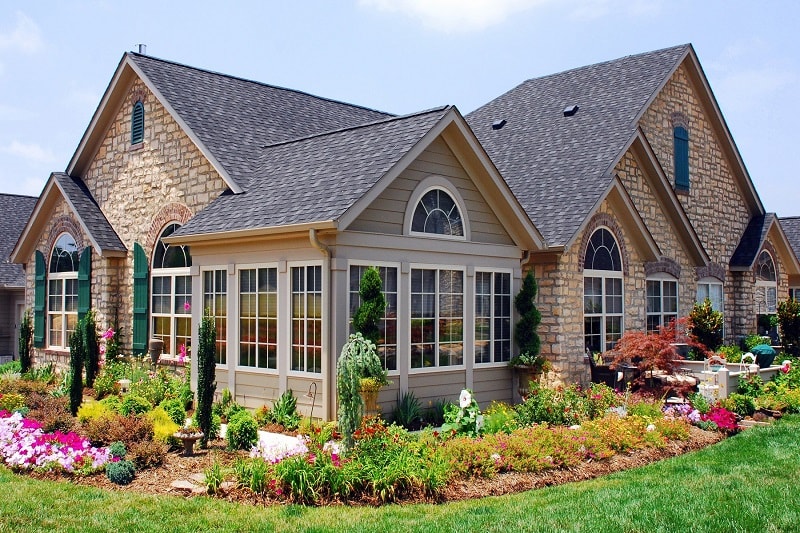
    Wynnshire Ridge Active Adult Community in Hickory NC. Single Level home with rock features and landscaping.

    3. Wellness-Focused Retirement Living in North Carolina

    Poll Option: “I want to stay healthy, active, and independent!”

    Today’s retirees value wellness more than ever. Retirement living in North Carolina supports this lifestyle beautifully. From fitness to fresh food, wellness is woven into daily life.

    Activities include:

    • Yoga or pickleball on community campuses
    • Walks at the NC Arboretum
    • Farm-to-table meals from local markets

    The Blue Ridge Mountains provide fresh air and natural scenery.

    It’s like a built-in wellness retreat.

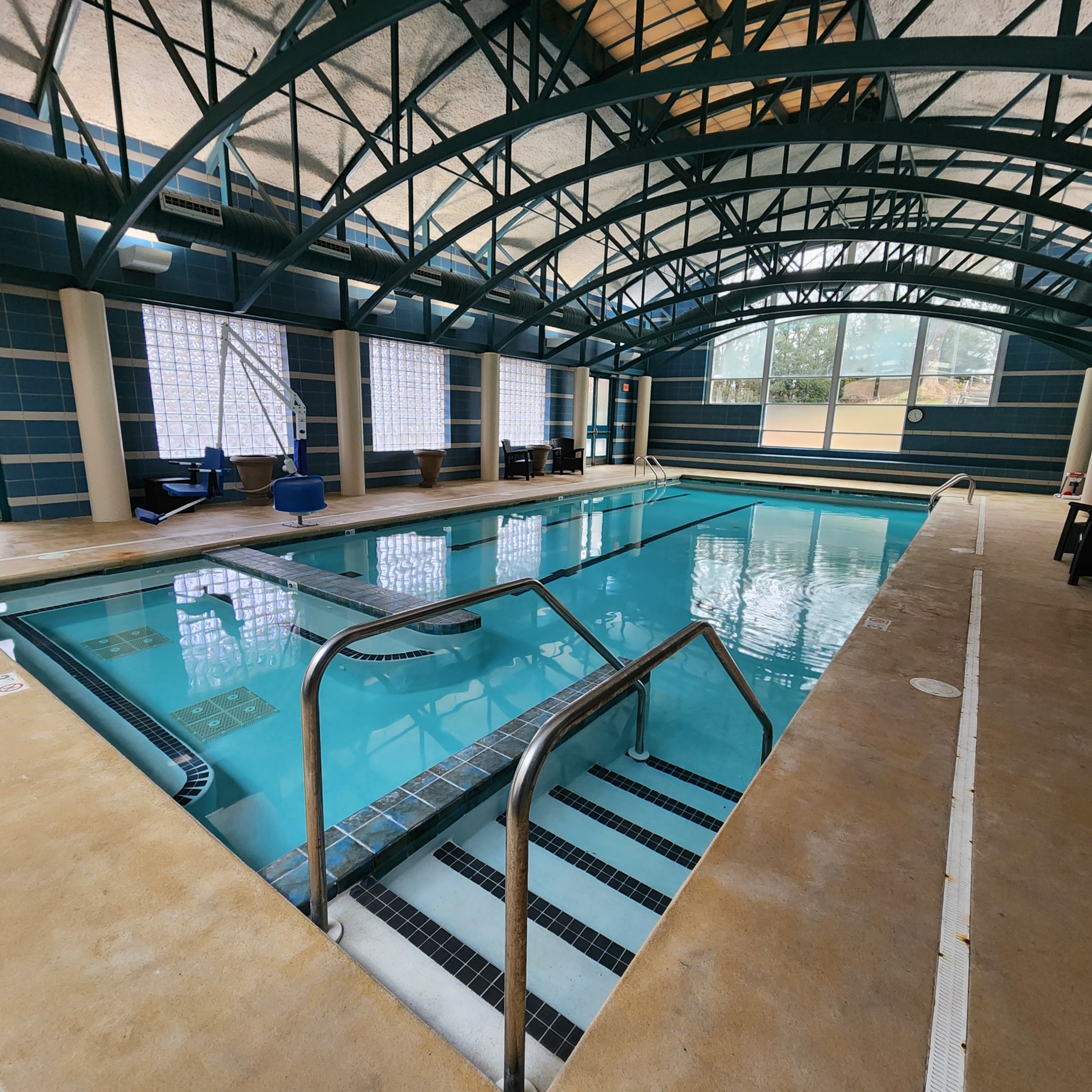
    Brooks Howell Retirement Community indoor swimming pootl

    4. Rediscover Yourself in Active Retirement Communities

    Poll Option: “I want to pursue my passion—or discover a new one!”

    Retirement offers the freedom to explore new or old interests.

    Active retirement communities often provide the perfect setting for this.

    Popular pastimes include:

    • Painting or woodworking
    • Volunteering or mentoring
    • Joining local book clubs

    Towns like Asheville, Tryon, and Mars Hill support lifelong learning. Many communities partner with colleges or art centers nearby.

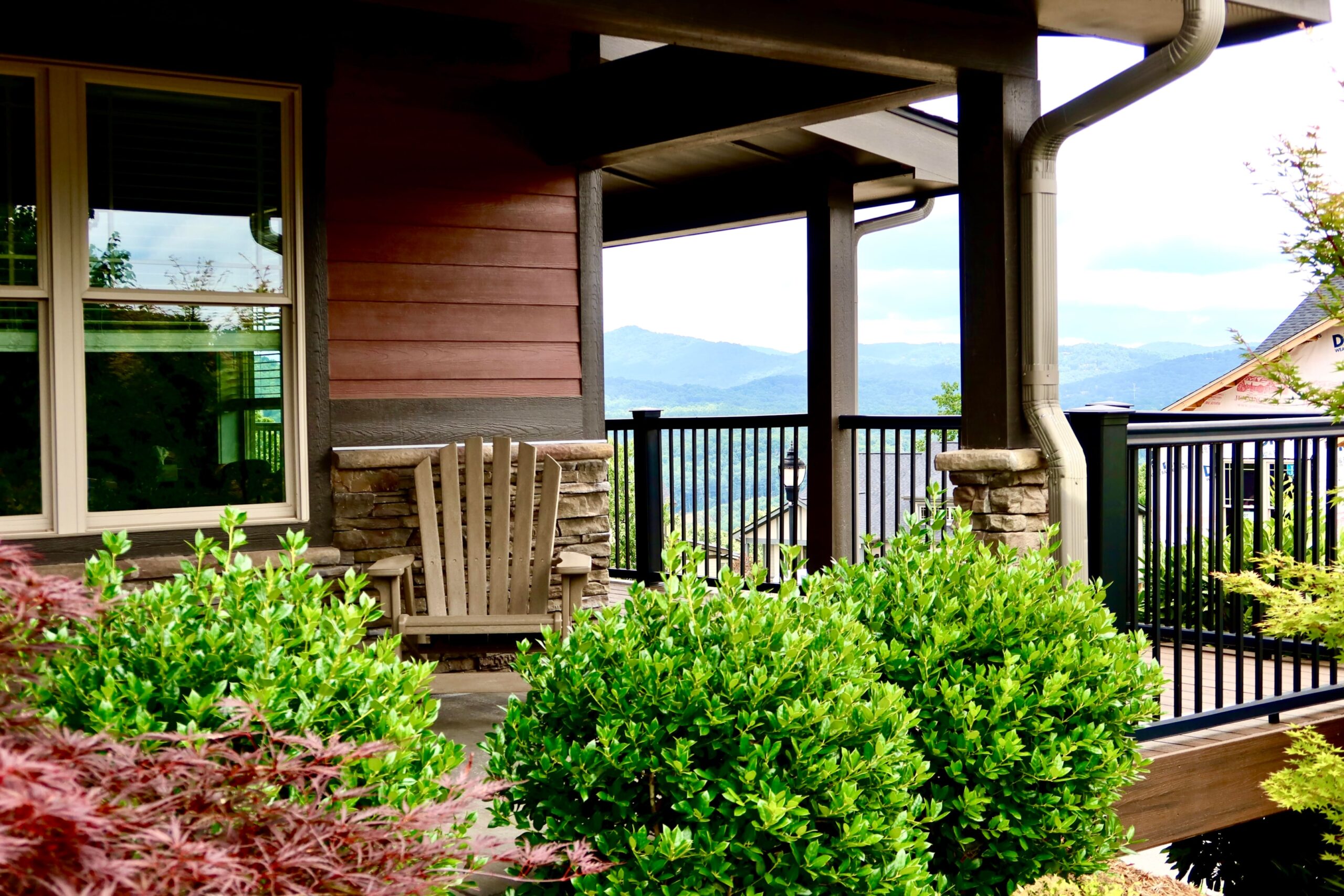
    Pinnacle at Arabella Covered Porch

    5. Communities in North Carolina Keep Families Close

    Poll Option: “I want to spend more time with loved ones!”

    Quality time with family and friends tops many people’s lists. Communities in North Carolina make that dream easier to achieve. Guest suites and community gathering spaces are common. Nearby attractions include lakes, trails, and seasonal events. These help create lasting memories with family of all ages.


    6. Purpose-Driven Retirement Living in North Carolina

    Poll Option: “I want to feel fulfilled and make a difference.”

    Many retirees want more than rest—they want purpose. Retirement communities often support meaningful involvement.

    Opportunities include:

    • Volunteering in schools or museums
    • Joining civic groups
    • Helping organize local events

    Feeling fulfilled is a big part of staying vibrant in retirement.


    7. Simplicity and Peace in a North Carolina Retirement Community

    Poll Option: “I want a slower pace of life and less stress.”

    For many, the dream is about slowing down and simplifying.

    That may include:

    • Downsizing to a smaller home
    • Living near nature
    • Reducing clutter and costs
    • Having easy access to healthcare

    These retirement communities combine comfort with smart amenities.

    Pisgah Valley Villa A Liberty Senior Living Community

    What’s Your Retirement Dream?

    Which dream speaks to you?

    • Travel the world
    • Build or buy your dream home
    • Stay active and healthy
    • Explore hobbies or start a business
    • Be near family and friends
    • Live with purpose
    • Enjoy peace and simplicity

    Real-Life Stories from Retirement Living in North Carolina

    We’re always inspired by residents who are truly living their retirement dreams. Here’s what a few had to say:

    “We travel the world every year,” said Bruce and Susan from Asheville, NC. “But coming home to our cozy and friendly neighborhood and home in the mountains is the best part.”

    “After retiring from nursing, I found a new passion,” shared Sherrye. “Now I teach watercolor painting to others in my community—it’s brought so much joy.”

    “We love our one-level home,” said Ray and Claudia. “It’s perfect for hosting Sunday dinners with the family, and we take daily walks with our neighbors. It’s everything we hoped for.”


    Carolina Living Choices Helps You Find the Right Fit

    We’re here to help you discover your dream retirement community.

    Explore our listings of active retirement communities in North Carolina.

    You’ll also find planning tools, stories, and updates on community life.

    ????️ Ready to visit? Check out our featured communities.

    ???? Want more inspiration? Subscribe to our newsletter.

    Picture of multi-media devices
  • Understanding Different Types of Dementia: Symptoms, Diagnosis, and Care

    Understanding Different Types of Dementia: Symptoms, Diagnosis, and Care

    Dementia is a broad term for changes in the brain which affect memory, thinking, language and behavior. Multiple diseases cause these symptoms. Here we will discuss the main types of dementia, their symptoms, causes, and differences. Understanding of the brain changes producing the symptoms can improve the level of care and compassion provided by their care partners.

    The impact of dementia extends beyond the individual, affecting family dynamics, relationships, and daily life. Recognizing these unique challenges is key to offering effective support and care.

    Key Takeaways

    • Alzheimer’s disease is the most prevalent cause of dementia, typically starting with memory loss and leading to significant cognitive decline; early detection is possible through cerebrospinal fluid, blood tests and scans but there is no cure, yet.
    • Lewy Body dementia has distinctive visual hallucinations and often coincides with Parkinson’s disease which significantly impairs mobility. Appropriate medications can improve physical abilities, mood , and assist cognition.
    • Vascular dementia arises from impaired blood flow to the brain, can occur following cardiac issues and strokes; managing cardiac risk factors is essential to slow the progression of future brain impact. Its presentation varies on the location of low blood flow in the brain cells.
    • Frontotemporal dementia presents with personality changes and communication difficulties, with memory skills are often retained. Typical onset is between 40 and 65 years old. An accurate diagnosis can be complex; early and precise diagnosis is vital for effective understanding and care.

    Alzheimer’s Disease

    Alzheimer’s disease is the most common type of dementia, claiming 60-80% of the dementia diagnoses and affecting millions globally. This brain disorder impacts memory and cognitive functions, over time leading to severe disorientation and difficulty with basic tasks. The initial symptom can be memory loss, yet impairments in thinking, judgement, and language are often also present.

    As the disease progresses a caregiver will be needed to assist with the safe performance of the activities of daily life.

    Detecting Alzheimer’s disease early is possible via testing the Cerebrospinal fluid and testing the blood for certain biomarkers. These diagnostic methods enable the earlier interventions of new medicines which potentially slows the progression of this disease. There is still no cure, but doing what we can early in the disease will improve the quality of life for all those impacted.

    Vascular Dementia

    Vascular dementia is another common type of dementia, resulting from cardiovascular diseases. This condition arises when blood flow to the brain is impaired, damaging the brain tissue. High blood pressure, high cholesterol, strokes, and other cardiac issues are significant risk factors.

    The cognitive decline can affect thinking skills, daily decision-making, memory and language skills. Diagnosing vascular dementia typically involves cognitive tests and brain imaging, which help identify the extent of brain damage. The presentation of symptoms in Vascular dementia can vary widely and benefits from a unique treatment plan.

    Although there is no cure, managing cardiovascular risk factors can help mitigate the progression of dementia symptoms.

    Lewy Body Dementia

    Lewy body dementia is characterized by the presence of Lewy bodies in the brain and includes two forms: dementia with Lewy bodies and Parkinson’s Disease Dementia. This condition often presents with the distinctive symptom of visual hallucinations which are realistic and detailed. Cognitive fluctuations are also common, causing unpredictable changes in mental functioning that can impact attention and alertness.

    Mood changes, such as depression and anxiety, are prevalent in individuals with Lewy body dementia, affecting their overall well-being. Sleep disturbances, including REM sleep behavior disorder where individuals act out their dreams, further complicate their condition.

    These symptoms collectively contribute to a challenging and often distressing experience for both patients and caregivers although proper medications can assist with lessening some symptoms. There is yet no cure.

    Frontotemporal Dementia

    .Frontotemporal dementia primarily affects neurons in the frontal and temporal lobes, leading to atrophy in these areas as the neurons die. The frontal lobe controls executive functioning (logic reasoning, problem solving, and emotional regulation) This type of dementia manifests in various ways, including unusual behaviors, emotional disturbances, and difficulties with communication and movement, however memory often remains intact until later stages. This disease emerges at 40 -65 years old.

    Behavioral variant frontotemporal dementia is notable for significant changes in personality such as impulsivity and lack of empathy.

    Primary progressive aphasia is a variant of frontotemporal dementia that affects language abilities, leading to difficulties in speaking, reading, and understanding. Genetic factors can play a role, with specific genes linked to increased risk for familial forms of the disorder

    Other diseases associated with frontotemporal dementia, such as Corticobasal Syndrome and Progressive Supranuclear Palsy, cause significant movement issues like apraxia and movement control difficulties.

    Frontotemporal dementia is challenging to diagnose accurately due to overlapping symptoms with Alzheimer’s disease and mood disorders. Precise diagnosis is essential for effective management, emphasizing the need for awareness and understanding of this dementia type.

    Mixed Dementia

    Mixed dementia refers to a condition where a person experiences symptoms of more than one type of dementia, making its diagnosis and management particularly complex. This most often involves a combination of Alzheimer’s disease and vascular dementia, and occurs at ages greater than 75. Cognitive tests and brain imaging help in diagnosing mixed dementia and many cases are discovered at autopsy. Some sources report 1 in 10 dementia diagnosis are actually of the mixed type.

    Young Onset Dementia

    Young onset dementia ( previously termed early onset dementia) is diagnosed in individuals under 65, and occurs in 119 per 100,00 worldwide. Often misdiagnosed due to dementia being unexpected at this age , initial symptoms might involve difficulty concentrating, and trouble completing familiar tasks. They may not initially have memory loss. Instead, they may face challenges with movement, coordination, and balance.

    Most people with Young Onset Dementia have the Alzheimer’s type, and may have a familial history of the disease. Several gene mutations have been identified which can cause the disease as early as 30 years old. People with Down syndrome also more likely to have Alzheimer’s starting in their 50s progressing to 80% diagnosed by age 65.

    Understandably, dealing with Young Onset Dementia will significantly impact work, finances and families, many with young children yet in the home. An early and accurate diagnosis facilitates planning for care and fosters understanding of the cognitive and physical changes.

    Posterior Cortical Atrophy

    Posterior cortical atrophy primarily affects brain cells in the rear section of the brain, which is essential for processing visual and spatial information. Individuals with this condition face challenges with vision in reading, distance judgment, and recognizing objects or familiar faces. Although it is linked to Alzheimer’s disease, posterior cortical atrophy presents differently with its specific visual spatial symptoms, making its diagnosis and management unique. Its onset is between 50 -65 years old

    Alcohol-related dementia is linked to chronic alcohol abuse and Wernicke-Korsakoff syndrome. This syndrome, caused by vitamin B1 deficiency, presents with symptoms such as confusion, memory problems, and coordination issues. Recognizing the link between alcohol abuse and dementia is key for prevention and effective management.

    Huntington’s Disease

    Huntington’s disease is a hereditary disorder that leads to both motor and cognitive decline, typically manifesting between ages 30 and 50. The disease progresses through stages, with initial symptoms related to movement difficulties, followed by changes in behavior and cognitive impairment. When one parent has Huntington’s , their child has a 50% chance of inheriting the causative gene mutation. Currently, there is no cure for Huntington’s disease, although symptom management options exist.

    Additional Types of Dementia

    Other lesser known yet equally debilitating types of dementia include those caused by infections, repetitive trauma and structural issues. Rapidly progressive Creutzfeldt-Jakob ( or “mad cow”) disease comes from eating infected beef. Chronic Traumatic Encephalopathy (or CTE) is common in prior boxers and football players after suffering years of concussions in their sport. Normal Pressure Hydrocephalus is a build up of excess spinal fluid in the brain putting pressure on the its tissues. The cause of this is unknown however relieving the fluid’s pressure can alleviate some of the dementia symptoms.

    Common Symptoms of Dementia

    Over 100 diseases can cause the symptoms of dementia. Dementia symptoms vary significantly based on the area of the brain affected. Common symptoms include memory loss, prominent in Alzheimer’s disease, confusion regarding time and place, and poor judgement in previously familiar situations. People may struggle to follow conversations or recall specific words, especially in the early stages. Mood fluctuations, such as increased emotional sensitivity or withdrawal, and a strong resistance to change in routine are also common.

    Many of the types of dementia can be recognized by its specific symptoms. Patients with frontotemporal dementia may face challenges in work-related tasks like organization and planning due to their cognitive decline, while their impulsivity and language issues negatively impact social situations . People with Lewy Body dementia may see things which are actually not there, or physically act out what they are dreaming at night. Those with Huntington’s disease may exhibit uncontrollable body movements while people with Posterior Cortical Atrophy have difficulty distinguishing between moving and stationary objects. Each type has unique symptoms despite all being termed as “dementia”

    Diagnosing Dementia

    It is critical to see your primary care MD with your concerns, as other issues may mimic dementia symptoms, but these issues are treatable: Depression, dehydration, urinary tract infections, medication interactions, thyroid problems and post COVID symptoms . Once these are resolved, so do the dementia like symptoms. A full medical workup is the essential first step.

    Diagnosing dementia involves a comprehensive approach that includes a patient’s medical history, cognitive assessments, neurological exams, and brain imaging techniques , which may be repeated over time. Cognitive tests, which can be brief or complex, are used to evaluate a person’s memory, thinking, and problem-solving capabilities. Brain imaging, such as MRI or CT scans, is utilized to exclude other medical conditions that might cause dementia symptoms, and assesses the quality of brain tissue. PET scans reveal the functioning of the various parts of the brain. Newer blood tests can reveal biomarkers for Alzheimer’s disease. Early diagnosis is the key to proper care.

    Treatment and Care Options

    There is no cure for most types of dementia. The various treatment options for each type of dementia focus on managing symptoms to improve the quality of life. It is important to begin planning at diagnosis for what can be done now and the extra assist which will be needed later on as the dementia progresses. Early planning allows the person living with dementia to participate in creating their future plan as well as maximizing the good times now.

    Non-medication therapies, such as physical and occupational therapy, music therapy, and pet therapy, can significantly enhance the well-being of individuals with dementia. Exercise is also beneficial, enhancing physical health and potentially slowing cognitive decline. Healthy eating , like the MIND diet, (Mediterranean-DASH Intervention for Neurodegenerative Delay) improves nutrition, inflammation, hypertension and blood sugar to facilitate Brain health. Ensuring regular sleep patterns can allow the brain to refresh itself overnight.

    Engaging with a Dementia Care Specialist or Case Manager can assist families with practical understanding of the dementia disease and provide insight into the changing levels of care required.

    Summary

    Understanding the various types of dementia, their symptoms, diagnosis, and care options is essential for providing effective support to those affected. From the common Alzheimer’s disease to the rarer forms Huntington’s disease, each type of dementia presents unique challenges that require tailored interventions. Seek out the national organizations for the specific type of dementia for more detailed information and to connect with others dealing with the same situation.

    Knowledge is power, and with the right information, we can navigate the complexities of the dementia journey with greater confidence and compassion.

  • Top Benefits of a Continuing Care Retirement Community

    Top Benefits of a Continuing Care Retirement Community

    A continuing care retirement community (CCRC) offers an all-in-one solution for your evolving healthcare needs in retirement. With options ranging from independent living to skilled nursing care, CCRCs ensure you can stay in the same community as your needs change. This article dives into the key benefits of CCRCs, how they operate, and why they are becoming a popular choice for many retirees.

    Key Takeaways

    • Continuing Care Retirement Communities (CCRCs) provide a continuum of care options, allowing residents to age in place and access necessary medical assistance seamlessly as their needs evolve.
    • CCRC contracts vary significantly, including Extensive Life Care Contracts for predictable costs, Modified Contracts with limited coverage, and Fee-for-Service Contracts which can lead to higher overall expenses.
    • Prospective residents should thoroughly evaluate the financial commitment, community atmosphere, and available services before selecting a CCRC to ensure it aligns with their needs and lifestyle preferences.

    What Is a Continuing Care Retirement Community?

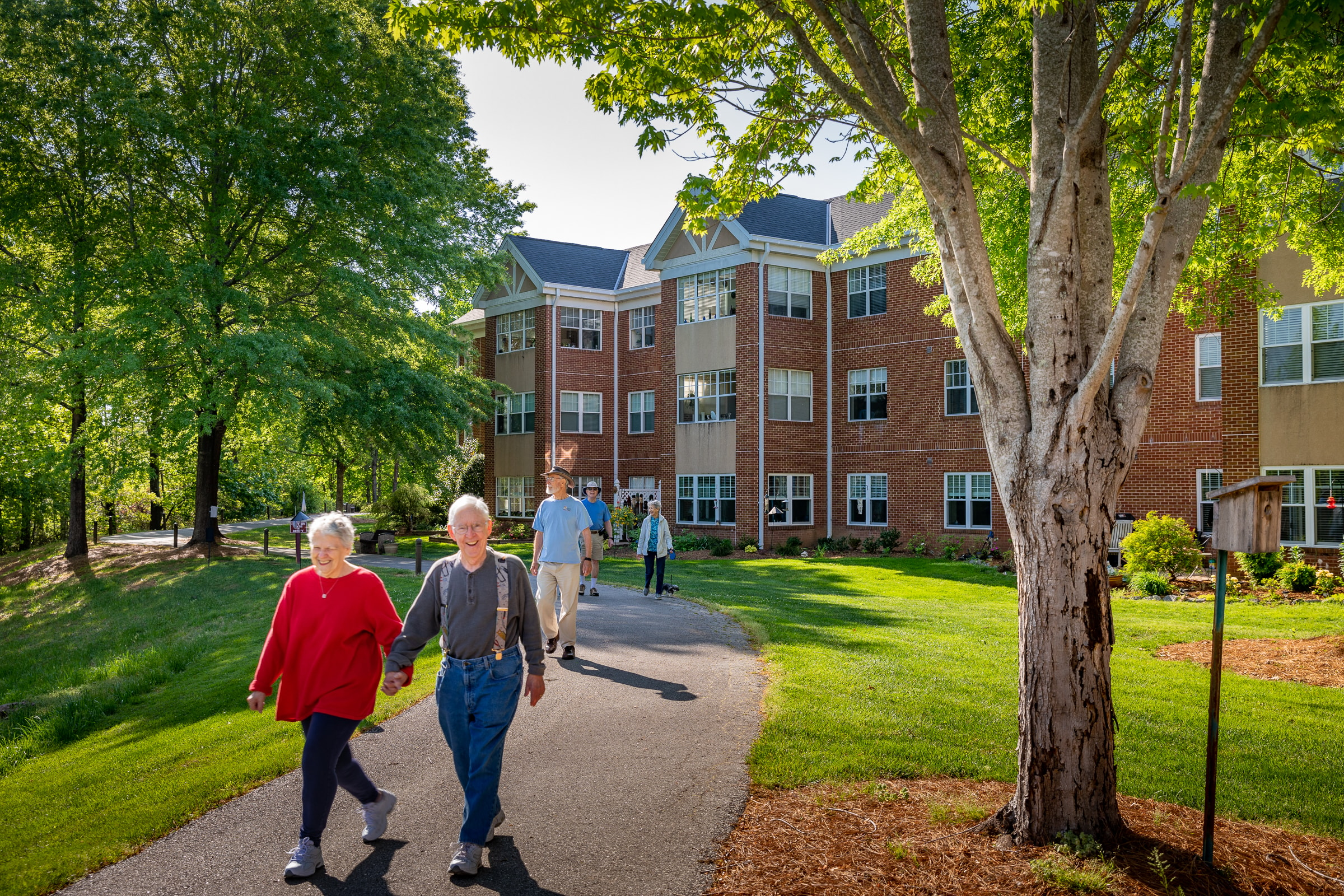
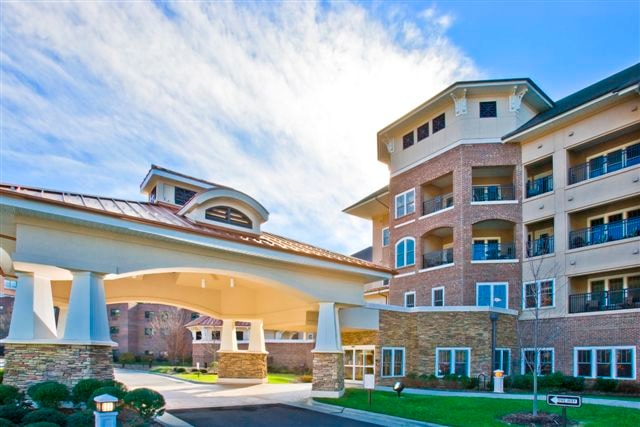
    Photo Credit: Tryon Estates is a continuing care Acts Retirement-Life Community located in Columbus, North Carolina, showcasing beautiful landscaping and residential buildings.

    Discover the Benefits of Continuing Care Retirement Communities (CCRCs)

    As retirement needs evolve, Continuing Care Retirement Communities (CCRCs) offer a smart, all-in-one solution designed for peace of mind and long-term comfort. These communities provide a full spectrum of care-from independent living and assisted living to skilled nursing and memory support-all within the same community. That means as your health needs change, you won’t have to uproot your life or leave a place you love.

    In Western North Carolina, several outstanding CCRCs are helping retirees enjoy vibrant, secure lifestyles:

    • Givens Estates in Asheville, NC: Nestled on a beautifully wooded campus, Givens Estates offers a dynamic mix of wellness programs, cultural activities, and on-site healthcare services-making it a top choice for retirees seeking both independence and future peace of mind.
    • Givens Highland Farms in Black Mountain, NC: Just east of Asheville, this close-knit community blends small-town charm with comprehensive care, allowing residents to age in place with grace and support.
    • Pisgah Valley Retirement Community in Candler, NC: Surrounded by the beauty of the Blue Ridge Mountains, Pisgah Valley offers a full continuum of care along with a vibrant social calendar and wellness-focused living.
    • Deerfield Episcopal Retirement Community in Asheville, NC: With a strong emphasis on spiritual wellness, lifelong learning, and compassionate care, Deerfield delivers a holistic approach to aging in a serene, thoughtfully planned setting.
    • Tryon Estates, an ACTS Retirement-Life Community in Columbus, NC: This scenic community near the NC/SC border offers elegant living with the security of ACTS Life Care®, a contract that ensures health services are available when you need them.
    • Abernethy Laurels located in Newton, NC Abernethy Laurels is located on a gentle rolling 120-acre site nestled in the foothills of the Blue Ridge Mountains. We combine casual, comfortable, independent housing with convenient full-service accommodations on a fee-for-service basis. The conveniences of Charlotte, Asheville and Hickory offer a very appealing destination for retirement living.

    These communities typically offer:

    • Independent living
    • Assisted living
    • Memory care
    • Skilled nursing care

    All within the same place campus, providing a seamless transition through different levels of care.

    One of the standout features of CCRCs is their ability to provide stability and comprehensive services to residents. Older adults can live independently for as long as possible, and access higher-level care like skilled nursing and memory care without leaving the community when their medical needs change. Designed with all stages of aging in mind, this integrated support system allows residents to live their best lives with peace of mind.

    Families also gain significant peace of mind knowing that their loved ones have access to necessary support and medical assistance around the clock. Most communities offer a one-stop-shop living environment with various housing options like single-family homes or townhomes alongside nursing facilities. This arrangement ensures residents don’t have to worry about their living arrangements as their needs evolve, making CCRCs a compelling option for retirement living.

    How CCRCs Work

    Also known as life plan communities, CCRCs are meticulously structured to cater to the evolving needs of their residents. They offer independent living, assisted living, skilled nursing care, and memory care, all within the same location. This setup ensures that as a resident’s health needs change, they can smoothly transition from one level of care to another without the disruption of moving to a different facility.

    A chief advantage of CCRCs is their continuity of care. Residents start their journey in independent living, where they can enjoy a vibrant, self-sufficient lifestyle. As their health needs evolve, they can transition to assisted living or skilled nursing care seamlessly within the same community. This not only ensures a familiar environment but also continuity in the quality of care and social connections.

    The operational structure of CCRCs provides comprehensive support, allowing for a smooth transition between different levels of care. This continuity is crucial for maintaining quality of life and ensuring that changing health needs are met in a supportive and familiar environment.

    This arrangement offers peace of mind to both residents and their families, knowing all necessary health and human services and health care services are available under one roof, provided by specially trained staff.

    Types of CCRC Contracts

    Understanding the different basic types of contracts is crucial when considering a move to a continuing care retirement community. CCRCs offer various contract options that outline the financial commitments and care services provided. The primary types include Extensive Life Care Contracts, Modified Contracts, and Fee-for-Service Contracts, each catering to different needs and preferences.

    The Extensive Life Care Contract is among the most comprehensive options available. It guarantees residents access to various levels of care for life while maintaining stable monthly fees, regardless of increased care needs. This contract type is ideal for those looking for predictability in their financial planning and assurance that their care needs will be met without additional costs.

    Modified Contracts provide coverage for skilled nursing facility services for a specific period, typically at least 60 days. During this time, only a portion of the resident’s monthly fee remains stable despite increased care needs. After the covered period, additional care costs are incurred.

    Lastly, the fee for service contract does not include long-term care benefits, meaning residents pay for medical expenses as they incur them, which can lead to higher medical costs if extensive medical care is needed. This option usually has lower upfront service fees but can result in an additional cost if extensive medical care is needed.

    Entrance Fees and Monthly Fees

    A significant consideration when evaluating a CCRC is the cost structure, which typically includes an upfront entrance fee and ongoing monthly fees. Entrance fees are a substantial initial financial commitment that guarantees housing and access to medical services for a lifetime. These fees can vary widely, from as low as $40,000 to over $2 million, depending on the community and the level of services included.

    The average entrance fee for CCRCs generally falls around $300,000, with more inclusive communities ranging from $150,000 to over $1 million. Monthly fees, which cover essential services such as maintenance, dining, and healthcare, typically range from $2,500 to $5,000. It’s important to clarify what these fees cover, as additional charges may apply for certain services like assisted living or healthcare.

    Residents should inquire about expected annual increases in monthly fees and the monthly service fee, which typically range from 3 to 4 percent, as financial stability is key. It’s important to understand the procedures if a resident exhausts their financial resources, as policies can vary among CCRCs.

    Prospective residents are advised to seek the guidance of a financial advisor to navigate these costs effectively and ensure a secure investment.

    Services and Amenities

    Photo Credit: Pisgah Valley CCRC offers an array of amenities including recreational areas and health services.

    Continuing care retirement communities provide a wide range of residential services and amenities designed to enhance the quality of life for their residents. These services often include housekeeping, laundry, and transportation, which support daily living and allow residents to focus on enjoying their retirement.

    Healthcare services, featuring on-site medical professionals and wellness programs tailored to residents’ needs, are a cornerstone of CCRCs. Many communities also boast fitness facilities and organized fitness classes to promote physical health. Social events and recreational activities are regularly scheduled to foster community engagement and reduce isolation, making CCRCs vibrant places to live. Additionally, health related services enhance the overall well-being of residents.

    Living in a CCRC offers an all-inclusive lifestyle with provided meals, maintenance, and security, creating a hassle-free environment. This service model ensures residents have access to all necessary support systems within one location. The presence of a built-in social network and a health care support system offers peace of mind to both residents and their families, knowing that their medical and personal care needs are well taken care of.

    Pros and Cons of CCRCs

    Continuing care retirement communities provide an array of benefits, including housing and medical care under one roof, ensuring that multiple needs are addressed simultaneously. As the population ages, the demand for retirement housing with comprehensive care options is increasing, making CCRCs a popular choice.

    However, adjusting to a CCRC can be challenging for some seniors as it requires adapting to a new environment and lifestyle. Additionally, the financial commitment can be significant, with high entrance and ongoing fees. It’s important for prospective residents to consider these factors and evaluate their personal needs and circumstances carefully.

    Weighing the advantages and potential drawbacks helps seniors and their families make informed choices about CCRCs. The stability, comprehensive care, and peace of mind provided by CCRCs make them an attractive option for many, but it’s crucial to consider all aspects before making a decision.

    Alternatives to CCRCs

    While continuing care retirement communities offer a comprehensive solution for senior living, they are not the only option available. Various alternatives can also provide suitable living and care arrangements for older adults.

    Assisted living communities, for instance, offer support with daily activities and personal care in a residential setting. Independent living communities cater to seniors who are mostly self-sufficient but seek a community environment. Home care services allow seniors to remain in their own homes while living independently and receiving the necessary support and medical care.

    Each alternative offers its own benefits and may be more suitable depending on individual needs and preferences. Evaluating these options alongside CCRCs can help families and seniors make the best choice for their specific situation.

    What to Look for When Choosing a CCRC

    Photo Credit: Givens Estates, a continuing care retirement community located in Asheville, NC

    Choosing the right CCRC involves careful consideration of several factors. Prospective residents should gather financial information from the CCRC to ensure the stability of their investment and understand the fee structures.

    In-person visits to CCRCs are highly recommended to gauge the community’s environment, staff members’ interactions, and daily activities. It’s also beneficial to inquire about staff training, their approach to personal care, and the availability of emergency response systems.

    Engaging with current residents living and their families provides honest perspectives on the quality of life and care within the community. When a prospective resident decides to review housing options, floor plans, and available healthcare services at various levels of care, it is essential for making an informed decision.

    Understanding CCRC Contracts

    Thoroughly reviewing CCRC contracts before signing ensures clarity on terms and conditions. The residency agreement outlines financial commitments and care services provided, making it essential to understand every detail.

    In fee-for-service CCRCs, long-term care services are billed on a per diem basis, which can lead to higher costs if extensive care is needed. Modified contracts typically cover skilled nursing services for a specific period, after which residents pay a market or per diem rate for additional care days.

    Asking basic contract questions and understanding different contract options helps prospective residents choose the best financial and care arrangement for their needs.

    Finding a CCRC Near You

    Finding the right CCRC involves using available resources effectively. Online directories and comparison tools can simplify the process by showcasing the amenities and services of different CCRCs. Professional senior living advisors can also assist in locating CCRCs that align with specific health and lifestyle needs.

    Considering factors like location, amenities, and financial options is vital for making an informed decision. Evaluating and comparing different CCRCs based on these criteria can help families and seniors find the best community that meets their specific needs and preferences.

    Summary

    Recap the key points covered in the post, emphasizing the benefits of CCRCs, the different types of contracts, costs, services, and tips for choosing the right community. Encourage readers to consider CCRCs as a viable option for retirement living and use the provided information to make informed decisions.

    Frequently Asked Questions

    What are the main benefits of living in a CCRC?

    Living in a Continuing Care Retirement Community (CCRC) offers the primary benefit of a continuum of care, enabling residents to age in place while receiving comprehensive services. This arrangement fosters stability and provides peace of mind for both residents and their families.

    How much do entrance and monthly fees cost in a CCRC?

    Entrance fees for a Continuing Care Retirement Community (CCRC) can vary significantly, typically ranging from $40,000 to over $2 million, while monthly fees generally fall between $2,500 and $5,000, including housing and healthcare services.

    What types of contracts do CCRCs offer?

    CCRCs offer Extensive Life Care Contracts, Modified Contracts, and Fee-for-Service Contracts, catering to varying levels of care and financial commitments based on residents’ needs. Selecting the appropriate contract is crucial for ensuring long-term security and care.

    What should I look for when choosing a CCRC?

    When selecting a Continuing Care Retirement Community (CCRC), prioritize financial stability, staff qualifications, healthcare services, housing options, and conduct in-person visits to evaluate the community environment. This comprehensive approach ensures you choose a facility that meets your long-term needs effectively.

    Are there alternatives to CCRCs?

    Yes, alternatives to CCRCs include assisted living communities, independent living options, and home care services, which provide varying levels of support to meet individual needs.