Month: May 2026

  • Aging in Place Starts Earlier Than You Think: Planning Ahead with Jessie Bosshard

    Aging in Place Starts Earlier Than You Think: Planning Ahead with Jessie Bosshard

    Key Takeaways

    • How to evaluate home safety
    • Common caregiver mistakes
    • Local Asheville senior resources
    • Professionals every family should consult
    • Emergency planning checklist

    Most families don’t think about aging in place until something goes wrong. Jessie Bosshard explains what a real plan looks like—and why starting earlier changes everything.

    The bigger takeaway is this: you don’t have to solve everything today. Start early, start small, and keep the focus on the life your loved one wants to keep living—right at home, with support that grows as needed. Aging in Place Starts With the Life You Want to Keep Living

    In Carolina Living Choices’ Ask the Expert series, publisher and host Betsy O’Leary sat down with Jessie Bosshard, Executive Director of Givens Home First, to talk about what it really takes to age in place safely and confidently in Western North Carolina. Their message was simple: planning for independence isn’t only about avoiding problems. It’s about protecting the lifestyle that matters most—especially as retirement approaches and daily routines begin to shift.

    Start the Conversation Before There’s a Crisis

    Many families don’t start senior planning until something goes wrong—a fall, a hospitalization, or a sudden change that forces urgent decisions. Jessie encourages families in Asheville and surrounding communities to begin earlier, when choices are wider and stress is lower.

    Instead of leading with “What care do you need?” she recommends starting with the bigger question: “How do you want to live?” That approach keeps the focus on quality of life, not fear. It also helps older adults feel respected and in control, which is often the most important part of aging in place.

    Home Care Isn’t Only for Emergencies

    One of the biggest misconceptions is that in-home care is only needed after a major event. Jessie shared that home care can start small—just a few hours a month—to support independent living and preserve energy for the things that bring joy.

    That support might look like help with grocery shopping, meal prep, light housekeeping, errands, or simply companionship. For someone who lives alone, having a consistent, trusted helper can create a “rhythm of support” that makes it easier to stay connected and confident at home over time.

    Home Safety and Home Modifications That Prevent Falls

    A home safety evaluation is one of the most practical first steps for fall prevention. A Certified Aging in Place Specialist can look at the home environment with fresh eyes and recommend changes that reduce risk without turning the house upside down.

    Home modifications don’t have to be major renovations. Often, small, thoughtful updates make the biggest difference: better lighting, safer bathroom setups, sturdy handholds, adjusted bed height, and improved pathways through the home. These changes support home safety now and can also prepare the home for future needs.

    Avoid the “All-or-Nothing” Trap

    Jessie emphasized that aging services are not one-size-fits-all. A well-thought-out aging in place plan doesn’t follow a neat checklist from A to Z. It’s personal, and it evolves.

    When families wait too long, it can feel like choices are “all or nothing”—either full-time caregiving or a drastic move. Planning earlier opens the door to flexible options that can be layered in gradually, based on what the older adult wants and what the family can realistically support.

    Who to Call When You’re Not Sure Where to Start

    For adult children visiting from out of town and noticing concerns, Jessie recommended starting with a trusted medical provider and being honest about what you’re seeing. Primary care teams often know local senior resources and can help connect families to next steps.

    She also pointed to community hubs like the local Council on Aging, which can guide families to reputable options for in-home care, care coordination, support groups, and other senior resources across the region, including Asheville and Hendersonville.

    Coordinating Care Without Taking Over

    Families often worry that helping will feel like “taking over.” Jessie offered a helpful reminder: most families don’t have it all figured out, and they’re not meant to. The goal isn’t perfection. It’s being intentional and taking one step at a time.

    To keep a parent empowered, start with a conversation before appointments and ask permission to participate. Framing support as teamwork (instead of supervision) helps protect autonomy while still addressing safety.

    When the moving parts feel overwhelming—care needs, home decisions, and long-term planning—working with a care coordinator can reduce pressure on the family. Care coordination can help prioritize, connect the dots, and keep the plan aligned with the older adult’s preferences.

    A Simple Question to Open the Door

    If “Where do you see yourself in 10 years?” feels too big, Jessie suggests starting smaller: “What brings you joy?” Then build from there.

    For example, if walking the dog brings joy, the next step is to talk about what might become harder in a year or two—carrying food, managing long walks, lifting heavy items, or handling errands. From there, families can add targeted help that supports the goal, rather than focusing only on limitations.

    Support for Caregivers in Western North Carolina

    Caregiving insights matter, especially for adult daughters managing responsibilities from a distance. Jessie encouraged caregivers to lean on trusted friends or family first if the conversation feels hard to start. Then, reach out locally for guidance.

    A family is gathered around a table, discussing insurance documents and exploring financial assistance options with a knowledgeable advisor, ensuring they understand the care services available for their aging loved ones. This scene highlights the importance of family caregivers in navigating community-based services to support older adults in their own homes.

    Support groups and caregiver education may be available through regional organizations, including Councils on Aging and memory care education programs. Even if your parent lives outside Asheville, starting with local senior resources can quickly point you toward the most relevant help.

    Small Ideas Can Make a Big Difference

    Aging in place is often improved by practical, everyday solutions. Jessie shared an example that surprised many people: simple bathroom upgrades—like adding a bidet attachment—can support cleanliness and dignity and may reduce health issues like UTIs for some older adults.

    The bigger takeaway is this: you don’t have to solve everything today. Start early, start small, and keep the focus on the life your loved one wants to keep living—right at home, with support that grows as needed.

  • Aging at Home Without Crisis: Why Small Steps Make the Biggest Difference with Daniel Pickus

    Aging at Home Without Crisis: Why Small Steps Make the Biggest Difference with Daniel Pickus

    Key Takeaways

    • How to evaluate home safety
    • Common caregiver mistakes
    • Local Asheville senior resources
    • Professionals every family should consult
    • Emergency planning checklist

    “If you make just one decision today, that’s one less decision you’ll have to make during a crisis.”

     In a recent conversation with Daniel Pickus of Senior Helpers of Asheville, NC, this simple but powerful reminder highlights the importance of planning early—before a fall or hospitalization—to reduce stress and support better long-term decisions.

    Aging in Place Starts with Small Steps: How to Stay Safe and Independent at Home

    Introduction

    For many families in Western North Carolina, including Asheville and Hendersonville, the goal is clear: remain at home safely and independently for as long as possible. Aging in place is achievable, but it requires thoughtful planning, awareness, and the right support systems. In a recent Ask the Expert conversation, Daniel Pickus of Senior Helpers of Asheville shared practical guidance to help families take those first steps with confidence.

    Start with Daily Routines and Home Safety

    The first step in senior planning is surprisingly simple—take an honest look at daily routines and the home environment. Most people don’t need major renovations, but small changes can significantly improve safety.

    Think about everyday activities like bathing, cooking, taking medications, and moving through the home. Are there risks? Could better lighting prevent a fall? Would adding a second handrail make stairs easier to navigate?

    Even minor home modifications can support aging in place while maintaining independence.

    Why Waiting Too Long Creates Bigger Problems

    One of the most common mistakes families make is waiting for a crisis. A fall, hospitalization, or caregiver burnout often forces quick decisions under pressure.

    Without a plan, options become limited. Families may feel overwhelmed trying to coordinate care, rehabilitation, and home support all at once. Creating a care plan early allows for thoughtful decisions instead of reactive ones.

    As Daniel Pickus emphasized, putting even one piece of a plan in place today can ease the burden later and help families avoid unnecessary stress.

    Senior Helpers with Elderly Woman

    Build a Support Team Before You Need It

    Aging in place is not a solo journey. It requires a team of professionals and community support. Consider connecting with:

    • A home care agency that understands both health needs and home safety
    • An occupational therapist to evaluate mobility and home layout
    • A primary care provider to manage health conditions and medications
    • Care coordinators or geriatric care managers for long-term planning

    One simple but critical step is maintaining an up-to-date medication list. This ensures accurate care during doctor visits or emergencies.

    The Value of a Home Assessment

    When planning for care for a loved one, it can feel overwhelming, stressful, and even confusing to understand what type of support is truly needed. Families often ask: Where do we start? Who should be involved? And what level of care makes sense right now?

    In the conversation, Betsy O’Leary, Publisher and CAPS asked about how families can get clarity early, and Daniel explained that it doesn’t have to be complicated. Senior Helpers offers a unique approach through their Senior Helpers LIFE Profile (Life, Independence, Function, Evaluation) Assessment.

    “We wanted to make this easier for families,” Daniel shared. “

    The LIFE Profile is a data-driven assessment that gives a full picture of what’s really going on—looking at safety, independence, and overall quality of life.”

    Unlike a basic walkthrough, this assessment provides a holistic view of the risks and factors that influence whether someone can continue aging in place safely in their home. It evaluates everything from mobility and fall risks to daily routines and social engagement.

    Betsy noted how helpful that can be for families trying to avoid crisis situations. Instead of guessing or reacting after a fall, this type of care coordination offers a clear starting point and actionable insights.

    The result is not just information—but a practical roadmap. Families walk away with a better understanding of current needs, future risks, and what steps can be taken now to support independence.

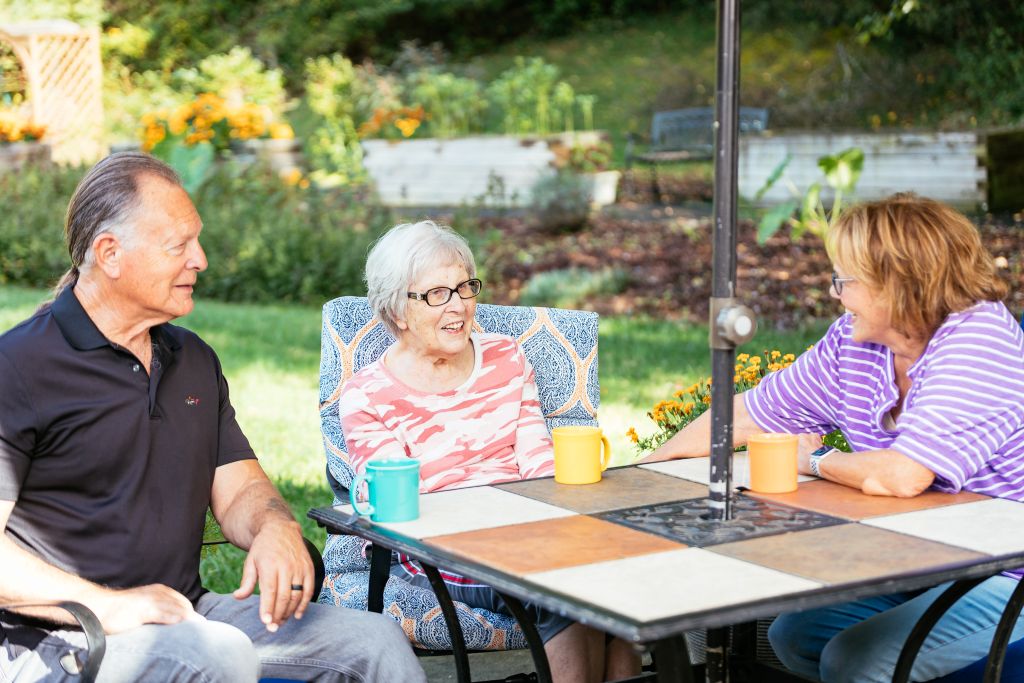
    Three people having a drink at a patio table at Heather Glen at Ardenwoods

    Recognizing Early Warning Signs

    Subtle changes at home can signal that additional support is needed. These signs are easy to miss but important to address early.

    Look for:

    • Unfinished laundry or a decline in housekeeping
    • Expired food or cluttered kitchen spaces
    • Changes in sleeping habits, such as avoiding the bedroom
    • Difficulty keeping up with daily routines
    • Concerns about driving, including getting lost or confused

    These are often early indicators that it’s time to explore senior resources or in-home care options.

    Balancing Independence and Safety

    One of the biggest challenges for families is balancing a parent’s desire for independence with the need for safety. This can create tension, especially as roles begin to shift.

    Approaching the conversation with empathy is key. Framing support as a way to maintain independence—not take it away—can help ease resistance.

    Introducing care as companionship rather than supervision is often a helpful way to begin.

    Companionship Matters More Than You Think

    Social connection plays a major role in healthy aging. Isolation can lead to both physical and emotional decline.

    In-home care often begins with companionship—someone to help with errands, light housekeeping, or simply provide conversation. These small interactions can greatly improve quality of life and reduce loneliness.

    Start Early and Take Small Steps

    Aging in place can feel overwhelming, but it doesn’t have to be. Start with small, manageable steps:

    • Schedule a home safety assessment
    • Update medical and medication information
    • Research local senior resources in Asheville and Hendersonville
    • Begin conversations with family members

    Each step reduces future stress and builds a stronger plan for long-term care and retirement living.

    Final Thoughts

    Aging in place is not about doing everything at once—it’s about doing something now. With the right planning, resources, and support, families can create a safer and more confident path forward.

    Even one small decision today can make tomorrow significantly easier.

  • Planning Ahead to Age in Place: Practical Guidance for Families in Western North Carolina

    Planning Ahead to Age in Place: Practical Guidance for Families in Western North Carolina

    Aging in place is the goal for many families across Western North Carolina, including Asheville and Hendersonville. But staying safely at home requires more than good intentions—it takes planning, honest assessment, and the right support system.

    In a recent Ask the Expert conversation,Edward Jones, a Family Caregiver Specialist from the Area Agency on Aging shared practical steps families can take now to prepare for the future.

    Start with a Home Safety Reality Check

    One of the most overlooked steps in senior planning is evaluating whether a home is truly safe and accessible. Many people don’t realize how challenging their space can be until mobility becomes limited.

    A helpful strategy is to simulate a temporary disability. Try navigating your home using a walker, crutches, or even one-handed movement. This reveals barriers like narrow doorways, tight bathrooms, or slippery surfaces.

    Bathrooms are especially critical. Ask yourself:

    • Can you safely step in and out of the shower?
    • Are there grab bars?
    • Is there enough room for a caregiver to assist if needed?

    These questions are essential for fall prevention and long-term home safety.

    Common Mistakes Families Make

    One of the biggest challenges in caregiving is waiting too long to ask for help. Many families try to manage everything on their own until they reach a crisis point. By then, decisions feel rushed and overwhelming.

    Another common issue is isolation. People often relocate to beautiful mountain areas for retirement but end up far from family and support systems. Without a community, aging in place becomes much harder.

    Delaying home modifications is also risky. Installing grab bars, widening doorways, or improving lighting is much easier—and more affordable—before it becomes urgent.

    Build Your Professional Support Team

    A strong plan for aging in place includes guidance from trusted professionals. Consider connecting with:

    • A financial advisor to understand the costs of long-term care and available resources.
    • An elder law attorney to ensure wills, advance directives, and legal documents are up to date.
    • An aging life care manager who can help coordinate care and provide expert guidance as needs change.
    • A veteran service officer for those who may qualify for valuable benefits.

    These professionals help families make informed decisions and avoid costly mistakes.

    Understanding Local Senior Resources

    Western North Carolina offers a wide range of senior resources that support both older adults and caregivers. Many programs are designed to help individuals remain independent while reducing caregiver stress.

    Services may include respite care vouchers, which provide short-term relief for caregivers, as well as home visits to assess safety and needs. There are also programs focused on fall prevention, chronic disease management, and caregiving support.

    Two men and a woman holding balls while enjoying the outdoors

    Volunteer-based programs, such as senior companions and intergenerational initiatives, help reduce isolation and build meaningful connections within the community.

    The Importance of Community and Connection

    Isolation is one of the biggest threats to successful aging in place. Building relationships early—through volunteering, community groups, or local organizations—creates a support network that becomes invaluable later.

    Volunteering not only helps others but also provides purpose, structure, and social connection. Whether it’s mentoring children, assisting at a food bank, or participating in a senior center, these activities strengthen both individual well-being and community resilience.

    When Should You Start Planning?

    The best time to begin planning is before there is a crisis. If you’re new to the Asheville or Hendersonville, NC area, learning about available resources early can make a significant difference.

    Families should also pay attention to subtle changes in health or memory. These early signs are often the right moment to explore care coordination options and build a plan.

    Have an Emergency Plan in Place

    Unexpected events—from falls to natural disasters—can quickly change a situation. Having an emergency plan ensures that everyone knows what to do and who to call.

    This plan should include emergency contacts, medical information, evacuation strategies, and access to important documents. Preparing for the “what ifs” brings peace of mind and reduces stress during difficult moments.

    Final Thoughts

    Aging in place is achievable with the right preparation, resources, and mindset. By taking proactive steps—evaluating your home, building a support team, and staying connected—you can create a safer, more confident path forward.

    The key takeaway is simple: don’t wait. Start planning today to make tomorrow easier for both you and your loved ones.