Author: Cindy Keehn

  • Memory Care: Complete Guide to Specialized Dementia Support

    Memory Care: Complete Guide to Specialized Dementia Support

    When a loved one is showing signs of dementia or Alzheimer’s disease, families face one of life’s most challenging decisions. The realization that your family member may need more care than you can safely provide at home brings a mix of emotions—guilt, sadness, and overwhelming uncertainty about what comes next.

    Memory care offers a specialized solution designed specifically for seniors with cognitive impairments who need more support than traditional assisted living can provide, yet may not require the intensive medical intervention of a skilled nursing facility. Understanding your options, costs, and how to choose the right facility can help you make this difficult decision with confidence and peace of mind.

    Key Takeaways

    • Memory care provides 24-hour specialized care for seniors with Alzheimer’s disease, dementia, and other cognitive impairments in secure environments
    • Average monthly cost is $8,399, which is higher than assisted living ($6,694) but lower than nursing homes ($12,240) per AARP 2024
    • Memory care facilities feature secured, or locked, units, specially trained staff, structured routines, and personalized activities to enhance quality of life
    • Medicare does not cover memory care costs, but Medicaid, veterans benefits, and long-term care insurance may help with funding
    • Signs like wandering, increasing difficulty with daily living tasks, and safety concerns often indicate the need for memory care placement

    What is Memory Care?

    Memory care represents a specialized form of residential care purpose-built for individuals living with dementia, Alzheimer’s disease, or other cognitive impairments that interfere with memory and daily functioning. Unlike general senior living communities, memory care facilities emphasize 24-hour supervision in a secure environment, specialized programming to support cognitive function, and staff members who receive specialized training specifically in dementia care.

    This level of care addresses the escalating needs stemming not just from memory loss, but from associated changes in judgment, personality, and behavior. Memory care communities create an atmosphere of familiarity, routine, and safety for vulnerable residents while providing families with peace of mind that their loved ones receive appropriate specialized support.

    The key differences between memory care and other senior living options become apparent in both the physical environment and care approach. Memory care facilities feature secured entries and exits, structured environments designed to reduce confusion, and therapeutic activities specifically chosen to engage residents with cognitive impairments.

    Types of Memory Care Settings

    Memory Care Units Within Assisted Living Facilities

    Many assisted living facilities include a dedicated memory care unit that provide specialized care within a larger senior living community. These secured sections offer enhanced supervision, specialized activities, and tailored behavioral support while maintaining some connection to the broader community. Families often choose this option when they want specialized dementia care with the potential for a family member to move between different levels of care as needs change.

    Dedicated Memory Care Wings in Nursing Homes

    Nursing homes frequently operate specialized memory care wings that combine the medical support capabilities of skilled nursing care with environments adapted specifically for dementia patients. These settings handle more complex medical conditions that may exceed the capabilities of assisted living facilities, making them suitable for residents with advanced dementia who also have significant health issues requiring ongoing medical monitoring.

    Standalone Memory Care Communities

    Stand alone facilities dedicated exclusively to dementia care typically offer the most robust programming, specialized design features, and staff expertise. These memory care communities are often considered the gold standard for moderate-to-severe dementia due to their intense specialization. Every aspect of the environment, from the color-coded hallways to the secured outdoor spaces, is designed with dementia patients in mind.

    Small Residential Care Homes

    Sometimes called board-and-care or group homes, these intimate settings house very few residents—typically 6 to 10 people—offering a high staff-to-resident ratio and a homelike atmosphere. Many families prefer these smaller memory care facilities for loved ones in the early stages of dementia who benefit from personalized attention and consistency in a less institutional setting.

    Key Features of Memory Care Facilities

    Secured Environments and Safety Features

    Memory care facilities implement comprehensive security features including secured entries, alarmed doors, monitored exits, and layouts designed for inside wandering—a major safety concern for people with dementia. These security features create a safe and secure environment without feeling overly restrictive or institutional.

    The specially designed environment includes clear sightlines throughout common areas, predictable floor plans that reduce confusion, and spaces furnished with familiar objects to help residents navigate more easily. Many facilities use color-coding systems and clear signage to help residents find their way to dining areas, bathrooms, and their private rooms.

    24-Hour Specialized Supervision

    Staff members in memory care receive extensive specialized training in dementia care, including techniques for managing challenging behaviors such as aggression, sundowning, and resistance to care. This training enables them to use non-pharmacological approaches to reduce confusion and provide compassionate support during difficult moments.

    The structured environment includes consistent daily routines that help reinforce predictability and decrease anxiety. Activities are often repeated at the same time each day and personalized for individual functional levels, helping residents maintain a sense of familiarity and purpose.

    Specialized Care Services

    Personal Care Assistance: Memory care staff provide direct assistance with personal care tasks including bathing, grooming, dressing, toileting, and incontinence care. This assistance is individualized as dementia progresses and residents require increasing support with everyday tasks.

    Medication Management: Specialized tracking systems and nursing oversight ensure proper medication administration and prevent missed doses or drug-related confusion. This is particularly important as cognitive decline can make managing medication independently unsafe.

    Behavioral Support: Staff receive training to handle interventions for agitation, wandering, repeated questioning, paranoia, and sundowning using evidence-based approaches that prioritize resident dignity and emotional well being.

    Therapeutic Activities and Programs

    Music Therapy: Research shows music therapy can evoke positive memories, decrease anxiety, and improve social engagement. Many residents respond to music even when verbal communication becomes difficult, making it a powerful tool for maintaining connection and reducing agitation.

    Art Therapy: Creative expression programs offer non-verbal outlets for communication and help residents tap into procedural and emotional memory. These activities can improve quality of life and provide meaningful engagement even as cognitive function declines.

    Reminiscence Therapy: Using photographs, personal items like memory boxes, and discussion of past events, reminiscence therapy promotes memory recall, enhances mood, and fosters social connections among residents.

    Physical Therapy: Working with physical therapists, memory care communities maintain and improve mobility, balance, and daily functioning through gentle exercise groups, adapted activities, and supervised walks in secure environment areas.

    Memory Care vs Other Senior Living Options

    Understanding the distinct differences between memory care and other senior living facilities helps families make informed decisions about the most appropriate level of care.

    Feature

    Memory Care

    Assisted Living

    Nursing Homes

    Independent Living

    Target Residents

    Dementia/Alzheimer’s patients

    Seniors needing help with daily tasks

    Frail seniors with complex medical needs

    Active, healthy seniors

    Security Level

    High (secured, monitored)

    Low-medium (open environment)

    Medium (some secured areas)

    Lowest (independent access)

    Staff Training

    Specialized dementia training

    General geriatric care

    Medical and some memory training

    General assistance

    24-Hour Supervision

    Yes, specialized for memory issues

    Yes, general assistance

    Yes, skilled nursing care

    No supervision

    Medical Care

    Moderate, coordinated with healthcare professionals

    Low-moderate

    High, skilled nursing care

    Minimal

    Average Monthly Cost

    $8,399

    $6,694

    $12,240

    $3,000–$5,000

    The key differences highlight how memory care facilities bridge the gap between assisted living facilities and nursing homes, providing specialized services without the intensive medical focus of skilled nursing care.

    Memory Care Costs and Payment Options

    Understanding Memory Care Cost

    The average monthly cost for memory care nationally stands at $8,399, making it one of the more expensive senior living options due to the specialized training requirements, enhanced security features, and intensive programming. However, memory care costs remain lower than skilled nursing homes while providing more specialized support than standard assisted living facilities.

    Several factors influence memory care costs:

    • Geographic location and local market conditions
    • Size and amenities of the memory care community
    • Staff-to-resident ratios and level of specialized training
    • Private room versus semi private room accommodations
    • Additional services and specialized assistance required

    What’s Included in Memory Care Costs

    Base memory care costs typically cover room and board, all meals, personal care assistance, basic activities and programming, medication management, and security features. Most families find this comprehensive approach simplifies budgeting compared to piecing together individual services.

    Additional fees may apply for specialized services such as internet access, cable television, beauty and barber services, pet accommodations, or individualized medical therapies not included in the base rate.

    Funding Sources for Memory Care

    Out-of-Pocket Payments: Most families pay for memory care through personal savings, retirement funds, or the sale of assets. This remains the most common funding method, as public funding options for memory care are limited.

    Long-Term Care Insurance: Policies purchased before the onset of cognitive decline may cover memory care expenses. Coverage varies significantly between policies, so families should review their specific benefits and coverage limitations with their insurance provider.

    Medicaid Coverage: In certain states, Medicaid waiver programs help offset memory care costs for eligible individuals. However, benefits and eligibility requirements differ substantially between states, and many memory care facilities have limited Medicaid beds available.

    Veterans Benefits: Eligible veterans and surviving spouses may qualify for Aid and Attendance benefits or Improved Pension programs to help cover memory care expenses. These veterans benefits can provide substantial financial assistance for qualifying families.

    Other Funding Options: Some families use life insurance cash-outs, reverse mortgages, or consult with an elder law attorney to explore additional funding strategies.

    It’s important to note that Medicare does not cover memory care facility room and board costs, providing only limited coverage for skilled medical services when required.

    When to Consider Memory Care

    Safety Concerns and Warning Signs

    The decision to move a loved one to memory care often stems from increasing safety concerns that family members can no longer manage at home. Repeated wandering or exit-seeking behavior presents serious risks, particularly when individuals get lost or venture into unsafe situations.

    Other safety indicators include frequent falls, leaving appliances on, not locking doors, or poor judgment in daily situations. When these behaviors become frequent or dangerous, memory care’s secure environment and constant supervision provide essential protection.

    Difficulty with Daily Living Tasks

    As cognitive decline progresses, many individuals struggle with basic activities of daily living such as bathing, dressing, eating, and personal hygiene. When family members find themselves unable to provide adequate assistance or when resistance to care becomes problematic, memory care staff training in gentle persuasion and person-centered approaches can be invaluable.

    Challenging Behaviors and Emotional Changes

    The emergence of challenging behaviors such as aggression, severe sundowning, paranoia, or significant mood changes often overwhelms family caregivers. Memory care staff members receive specialized training to manage these behaviors using evidence-based, non-pharmacological approaches that maintain resident dignity while ensuring safety.

    Caregiver Burnout

    Many families reach a point where the physical and emotional demands of providing adequate supervision and care become overwhelming. Caregiver burnout not only affects the family member providing care but can also compromise the safety and well-being of the person with dementia. Recognizing these limits and seeking professional help demonstrates wisdom and love, not failure.

    Early Warning Signs

    Families should consider memory care consultation when they notice:

    • Forgetting familiar people, places, or routine tasks
    • Poor judgment leading to financial vulnerability or unsafe situations
    • Aggressive behavior or significant personality changes
    • Neglecting personal hygiene or household maintenance
    • Getting lost in familiar places or inability to follow simple directions

    Healthcare professionals can provide cognitive assessments and recommendations about appropriate timing for memory care placement based on individual circumstances.

    Choosing the Right Memory Care Facility

    Essential Evaluation Criteria

    Selecting appropriate memory care requires careful evaluation of multiple factors. Start by touring several memory care communities to compare environments, observe staff interactions with residents, and assess the overall atmosphere. Quality facilities should feel warm and homelike rather than institutional.

    Pay particular attention to staff-to-resident ratios, as higher ratios typically indicate more individualized attention and better outcomes for residents. Ask about staff training programs, employee turnover rates, and certifications in dementia care.

    Questions to Ask During Tours

    About Care and Services:

    • What specialized training do staff members receive in dementia care?
    • How do you handle challenging behaviors or emergency situations?
    • What medical professionals are available, and how often do they visit?
    • How do you coordinate with residents’ existing healthcare professionals for medical appointments and ongoing care?

    About Daily Life and Activities:

    • What does a typical day look like for residents?
    • How do you engage residents with different cognitive abilities?
    • What therapeutic activities are offered, such as music therapy or art therapy?
    • How do you handle residents who become agitated or confused?

    About Safety and Security:

    • What security features prevent wandering while maintaining dignity?
    • How do you handle emergencies or medical situations?
    • What protocols exist for medication administration and management?

    What to Observe During Visits

    Look for engaged residents participating in activities rather than sitting passively. Notice whether staff members interact warmly and patiently with residents, using person-centered communication techniques. Clean, well-maintained facilities with dementia-friendly design elements indicate attention to detail and resident needs.

    Observe meal times to see how staff assist residents who need help eating and whether the dining environment feels pleasant and social. Check activity calendars for variety and appropriateness for different stages of dementia.

    Red Flags to Avoid

    Be cautious of facilities with high staff turnover, inadequate staffing during your visit, or staff who seem rushed or impatient. Avoid places that feel overly institutional, have strong odors, or where residents appear neglected or overly sedated.

    Facilities that cannot provide clear information about their licensing, inspection reports, or care protocols should be avoided. Trust your instincts—if something feels wrong during your visit, investigate further or consider other options.

    Transitioning to Memory Care

    Preparing Your Loved One

    When possible, involve your loved one with dementia in the decision-making process to maintain their dignity and sense of control. Visit the chosen facility together multiple times before the move to help them become familiar with the new environment.

    Bring familiar items such as favorite photographs, blankets, or small pieces of furniture to help create comfort in their new private room or semi private room. These personal touches can ease the emotional impact of relocation and provide anchors to familiar memories.

    Managing the Adjustment Period

    Expect an adjustment period that may last several weeks to several months. Some residents adapt quickly, while others may experience increased confusion or distress initially. Stay in close contact with facility staff to monitor your loved one’s adjustment and address any concerns promptly.

    Maintain regular visit schedules while allowing your family member time to develop new routines and relationships. Consider reducing visit frequency temporarily if your presence seems to increase agitation or confusion during the early adjustment period.

    Working with Care Teams

    Collaborate closely with memory care staff to develop personalized care plans that reflect your loved one’s preferences, history, and needs. Share information about their former routines, favorite activities, and effective strategies for managing difficult moments.

    Regular care conferences provide opportunities to discuss your loved one’s progress, adjust care approaches, and address any concerns. These meetings help ensure that care remains person-centered and responsive to changing needs.

    Benefits of Memory Care for Families

    Peace of Mind and Reduced Stress

    Memory care provides families with confidence that their loved ones receive appropriate 24-hour supervision from specially trained professionals. This peace of mind allows family members to return to more normal routines while maintaining meaningful relationships with their loved ones.

    The specialized support available in memory care often exceeds what families can provide at home, particularly as dementia progresses and care needs become more complex. Professional staff expertise in managing challenging behaviors and medical complications can significantly improve outcomes for residents.

    Improved Quality of Life

    Many families find that their loved one’s quality of life actually improves in memory care settings. The structured environment, consistent routines, and specialized activities designed to engage residents with cognitive impairments can reduce confusion and agitation.

    Social interaction with other residents and participation in therapeutic programs like music therapy and art therapy often provide stimulation and enjoyment that may be difficult to achieve at home. The secure environment allows for greater freedom of movement without safety concerns.

    Support for Family Members

    Memory care communities typically offer support services for families, including educational programs about dementia progression, support groups, and counseling resources. These services help families cope with the emotional challenges of watching a loved one’s cognitive decline.

    Regular communication from care staff keeps families informed about their loved one’s status and helps them feel connected to their care. Many families report that memory care placement actually strengthens their relationship with their loved one by removing the stress of daily caregiving responsibilities.

    Alternatives to Memory Care

    Home Care with Specialized Training

    For families preferring to keep their loved one at home, professional home care services with dementia training can provide personal care assistance and cognitive stimulation. This option works best in the early stages of dementia when safety risks are manageable and family support is available.

    Home care allows individuals to remain in familiar surroundings with established routines, which can be beneficial for those with mild cognitive impairment. However, this option becomes less viable as cognitive decline progresses and behavioral challenges increase.

    Adult Day Programs

    Adult day programs provide structured activities, socialization, and supervision during daytime hours while allowing individuals to return home each evening. These programs offer families respite while providing their loved ones with therapeutic activities and social engagement.

    Day programs work well for individuals in early to moderate stages of dementia who can still participate in group activities and benefit from social interaction. They’re often used in combination with home care services to provide comprehensive support.

    Technology Solutions and Safety Devices

    GPS tracking devices, medication reminder systems, and monitored personal alert devices can enhance safety for individuals living at home with mild cognitive impairment. These technologies can delay the need for residential care while providing families with added security.

    Smart home technologies, including automatic shut-offs for appliances and door alarms, can address some safety concerns. However, these solutions become less effective as cognitive decline progresses and judgment deteriorates.

    When Alternatives Are No Longer Sufficient

    Alternative care arrangements may not suffice for advanced dementia with complex behavioral needs, significant wandering behavior, or high risk for falls and accidents. When safety cannot be maintained at home even with professional support, memory care becomes the most appropriate option.

    Frequently Asked Questions

    How much does memory care cost per month? The average monthly cost for memory care nationally is $8,399, though costs vary significantly by geographic location, facility amenities, and level of care required. Private rooms typically cost more than semi private rooms, and additional services may incur extra fees.

    Does Medicare cover memory care costs? No, Medicare does not cover memory care facility room and board expenses. Medicare only provides limited coverage for skilled medical services when medically necessary. Families typically need to rely on private pay, long-term care insurance, or Medicaid in qualifying states.

    What’s the difference between memory care and assisted living? Memory care provides specialized dementia care with secured environments, specially trained staff, and programming designed for cognitive impairments. Assisted living offers general assistance with daily tasks but lacks the specialized training and security features necessary for dementia patients.

    When should someone move to memory care? Consider memory care when safety concerns arise that cannot be managed at home, such as wandering, frequent falls, or dangerous judgment errors. Other indicators include difficulty with personal care tasks, challenging behaviors that overwhelm family caregivers, and recommendations from healthcare professionals based on cognitive assessments.

    How do I choose the best memory care facility? Tour multiple facilities to compare environments, staff interactions, and programming. Ask about staff training, ratios, and experience with dementia care. Observe residents during activities and meal times, and check licensing and inspection records. Trust your instincts about the overall atmosphere and care quality.

    What activities are available in memory care? Quality memory care facilities offer music therapy, art therapy, reminiscence programs using personal items and memory boxes, gentle exercise with physical therapists, brain games for cognitive stimulation, and sensory activities. Programs are adapted for different cognitive abilities and designed to maintain the individual’s engagement and dignity.

    Can residents leave memory care facilities? Memory care facilities are secured to prevent wandering and ensure resident safety, but residents can leave with family members for outings and medical appointments. The level of restriction depends on individual needs and safety assessments, with the goal of providing maximum freedom within a safe framework.

    How is memory care different from nursing homes? Memory care focuses specifically on dementia and cognitive impairments with specialized programming and environmental design. Nursing homes provide broader medical care for complex health conditions. Memory care costs less than nursing homes but more than standard assisted living, reflecting the specialized staffing and programming required.


    Choosing memory care for a loved one represents one of life’s most difficult decisions, but it’s also an act of love that ensures they receive the specialized support they need. Take time to research your options thoroughly, visit multiple facilities, and trust your instincts about which environment will best serve your family member’s needs.

    Remember that quality memory care can actually enhance your loved one’s quality of life while providing your family with peace of mind and the opportunity to focus on meaningful connections rather than daily caregiving stress. The right memory care community becomes a partner in your loved one’s journey, providing professional expertise while honoring their dignity and individual story.

    Consider consulting with healthcare professionals, an elder law attorney, or eldercare specialists to help navigate this process and explore all available funding options. With careful planning and the right support, you can make this transition as smooth as possible for everyone involved.


  • Tips to Better Care for Someone Living With Dementia: A Comprehensive Guide for Caregivers

    Tips to Better Care for Someone Living With Dementia: A Comprehensive Guide for Caregivers

    Caring for a loved one with dementia can feel overwhelming, especially when you’re navigating this journey alone. The progressive nature of Alzheimer’s disease and the other types of dementia means that you will continually face new challenges. However, when equipped with knowledge, strategies, and support systems, you can provide compassionate and effective care while maintaining your own health and well-being.

    Nearly 12 million adults in the United States provide unpaid care for someone with dementia, contributing an estimated 19 billion hours of care according to a 2025 report . Most dementia caregivers are family members or friends who step into this role without formal training, but simply, learning as they go. Understanding that there are proven strategies to help you succeed can support you toward becoming a confident caregiver.

    This comprehensive guide will walk you through some essential aspects of dementia care, from effective communication techniques to managing daily activities, handling challenging behaviors, and building a strong support network. Whether you’re in the early stages of caregiving or looking to enhance your current approach, these evidence-based strategies will help you provide better care while reducing stress and anxiety for both you and the person you’re caring for.

    Understanding Dementia Caregiving

    Dementia caregiving involves much more than simply helping with everyday tasks. As a caregiver, you’ll need to adapt to the progressive changes in your loved one’s memory, thinking abilities, communication skills, and behavior. Dementia is a general term for the condition that impairs a person’s ability to remember, think logically, make decisions, and interact socially such that it interfere with daily life. Alzheimer’s disease is the most common cause of these brain changes, but over 120 diseases can produce these symptoms.

    The caregiving journey typically evolves through different stages, each presenting unique challenges and requiring different approaches. In the early stages of dementia, you might primarily assist with complex tasks like managing finances or medication schedules. As the disease progresses, care partners often need to provide increasing support with personal care, safety supervision, and emotional comfort.

    Family caregivers play a crucial role in maintaining quality of life for individuals living with dementia. Your support extends beyond practical assistance to include emotional connection, dignity preservation, and advocacy for your loved one’s needs and preferences. Understanding this broader scope of caregiving helps you prepare for the journey ahead whether you remain the primary caregiver, or employ other individuals to assist.

    The variable nature of dementia progression requires flexibility in the care partner. What works today may not work tomorrow, and strategies that help one person may not benefit another. There is not one perfect way This is why having a toolkit of different approaches and techniques is so valuable for successfully providing appropriate care for someone living with dementia..

    Essential Communication Strategies

    Effective communication is the foundation of quality care of someone living with dementia. The disease affects both language processing and verbal expression, so adapting your communication style becomes crucial for maintaining connection and reducing frustration and anxiety for both parties.

    Verbal Communication Techniques

    Use the person’s name frequently during conversation to help maintain their attention, sense of identity and connectedness. Speak about familiar topics and shared memories, especially from their earlier life, as these often remain accessible longer than recent events.

    When guiding someone living with dementia, use simple, direct phrases. Speak slowly and pause to allow time for the person to process what was said. Break down complex instructions into single steps, For example, instead of saying “Let’s get ready for dinner by washing your hands and setting the table,” try “Let’s go wash hands”

    There is no need to explain what is happening or why you need them to do something. Explanations become confusing to the person who has dementia as they have difficulty with logic and reasoning. Simple step by step instructions are best, and repeat the same information when needed.

    Non-Verbal Communication

    Making eye contact and using a gentle but firm touch can provide comfort when words become difficult. Position yourself at the same level as the person living with dementia, and use pleasant facial expressions and gestures to echo your verbal messages. Visual cues become increasingly more important than words as the condition progresses.

    Maintain a calm, reassuring tone and body posture even during challenging moments. The person experiences your emotional state through your voice and demeanor, so staying composed helps create a peaceful environment.

    Managing Communication Challenges

    If the person becomes confused or upset during conversation, try helping them discover their thoughts by providing a couple of “this or that” choices rather than open-ended or yes/no questions. Avoid arguments , scolding, and correcting someone living with dementia as this causes upset and can damage their relationship with you.

    Listen patiently without interrupting, and allow the person time to find words or complete thoughts, rather than you “filling in the blanks”. Your body language must convey acceptance and interest, even when communication becomes frustrating. The person may understand more than they can express, so treat them with the same respect and dignity you always have.

    It can deeply hurt a family caregiver when their person forgets, or uses the wrong name for them. Recognize that your relationship with them is more important that a name or role. Communicate how important they are to you versus correcting the name used .

    Managing Daily Care Activities

    Establishing consistent routines helps reduce confusion and anxiety while promoting independence for as long as possible. Structure provides security and predictability in a world that increasingly feels uncertain for someone with dementia.

    Creating Supportive Daily Routines

    A well-structured daily routine should include regular times for meals, personal care, activities, and rest. Allow extra time for each activity and avoid rushing, as time pressure can increase stress and resistance. Break complex tasks into smaller, manageable steps that the person can complete successfully, and guide them step by simple step.

    Use visual cues like labels on cupboards, doors, and rooms to help with navigation and independence. Simple signs with both words and pictures can guide the person through their environment and support their autonomy in familiar spaces. Keep the environment organized and clutter-free to reduce fall risk.

    Encourage the person to participate in everyday tasks to whatever extent they can manage, even if not perfectly. Something like folding washcloths, sorting mail, or helping with simple meal preparation helps to maintain a sense of purpose and supports emotional well-being and self-esteem.

    Eating and Nutrition Support

    Monitor food and fluid intake carefully to prevent malnutrition and dehydration, which can worsen dementia symptoms and create additional health complications. Make mealtimes enjoyable experiences by eating together and creating pleasant relaxed atmosphere.

    Address dental problems promptly, as pain or discomfort can significantly reduce food intake. Regular dental care becomes even more important when someone has difficulty communicating oral discomfort.

    When fine motor skills decline, consider using adaptive utensils or offering finger foods like sandwiches cut into small pieces, cheese cubes, or soft fruits. These can maintain nutrition while preserving independence at meal times. Adjust food consistency as swallowing becomes difficult.

    Personal Care and Hygiene

    Maintaining personal hygiene becomes increasingly challenging as dementia progresses, but it’s essential for health, comfort, and dignity. Approach all personal care activities with respect and gentleness. Support and allow the person to participate in these activities as able to provide a sense of control over these sensitive body areas.

    Create a warm, comfortable bathroom environment with adequate lighting and safety features like shower chairs and grab bars. Keep bath water at a comfortable temperature and consider the person’s preferences for bathing time and routine. Prepare the area with all needed items prior to beginning the bath/shower.

    If full bathing becomes distressing, sponge baths can provide an effective alternative that feels less overwhelming. Allow the person to do as much as they can independently, offering assistance only when needed. For incontinence management, incontinence pads and protective clothing can maintain dignity while ensuring cleanliness and comfort.

    Handling Challenging Behaviors

    Behavioral and psychological symptoms are common in people living with dementia and represent some of the greatest challenges that family members face. Understanding that these behaviors are a means of communicating something rather than deliberately “being mean” helps you respond with patience and compassion.

    Understanding Behavior Triggers

    Most challenging behaviors have underlying causes or triggers. Common factors include physical discomfort, unmet needs (hunger, thirst, need for bathroom), overstimulation, fatigue, or changes in routine which the person is not able to effectively verbalize. Keep a simple log to identify patterns and potential triggers for specific behaviors and proactively avert the reoccurrence.

    Environmental factors also contribute to behavioral changes. Too much noise, poor lighting, unfamiliar surroundings, or the presence of strangers can increase confusion and agitation. Creating a calm, familiar and friendly environment supports better behavior and emotional regulation.

    Pain or illness may manifest as increased confusion or agitation. Regular medical check-ups help identify and address physical issues that might be contributing to behavioral changes.

    Redirection and De-escalation Techniques

    When challenging behaviors occur, try redirection rather than confrontation. Consider what might be the underlying emotion driving the actions. Affirm their feelings and proceed accordingly as you gently guide attention to a different activity, topic, or location. For example, if someone becomes agitated about wanting to “go home,” you might say, “There is no place like home, tell me about yours” . Shift the conversation to pleasant memories.

    Your emotional response significantly influences the situation’s outcome. Take a deep breath, and release your own tension in that moment. Move slowly and respond, versus reacting. Remain calm. Avoid taking the behaviors personally. Be inquisitive as to what they are experiencing. Speak in a soothing voice, acknowledge that you connect with how they are feeling. Be their friend.

    Redirection can be effective for managing repetitive questions or behaviors. After affirming their initial expression ,engage the person in a simple physical activity they enjoy. Dance to familiar music, or look at photo albums together. The goal is to redirect anxious energy into something positive and calming.

    Managing Wandering and Safety Concerns

    Wandering presents serious safety risks and requires both preventive measures and emergency planning. Install door alarms and consider locks that are difficult for someone with dementia to operate but still allow safe exit in emergencies.

    Create safe walking paths in your home or yard where the person can move freely without danger. Remove obstacles and ensure adequate lighting along these routes. Some families find that providing a specific purpose for walking, like “checking the mail” or “watering plants,” can satisfy the urge to move while maintaining safety.

    Ensure the person wears identification at all times, including medical alert bracelets or ID cards with your contact information. GPS tracking devices designed for people with dementia can provide additional security and peace of mind for the family.

    Addressing Sleep Disturbances and Sundowning

    Sleep problems affect many people with dementia. Maintain consistent bedtime routines and sleep schedules to support better rest patterns. Long daytime naps can interfere with nighttime sleep. Times of rest are necessary, but keep naps short.

    Create calming evening routines that signal bedtime approach. This might include gentle music, warm baths, or quiet activities like looking at photographs. Avoid stimulating activities, large meals, or caffeine in the evening hours.

    Sundowning refers to increased confusion and agitation in late afternoon/evening. Providing time outdoors in sunshine during the day and increase lighting during late afternoon hours can help.

    Creating a Dementia-Friendly Environment

    The physical environment plays a crucial role in supporting independence, safety, and well-being for someone with dementia. Thoughtful modifications can significantly improve daily functioning and reduce stress for both the person and their caregivers.

    Safety Modifications

    Remove or secure potential hazards throughout the home. This includes sharp objects, toxic substances, small items that could be swallowed, and anything that could cause falls or injury. Install safety locks on cabinets containing dangerous items, but ensure that frequently needed items remain accessible.

    Improve lighting throughout the home, as limited peripheral vision and poor depth perception often accompany dementia. Use nightlights in hallways and bathrooms, motion sensor triggers can be helpful to ensure all walking areas are well-lit during evening hours. Avoid harsh fluorescent lighting, which can create confusion and agitation.

    Install grab bars in bathrooms and use non-slip mats in tubs and showers. Consider raising toilet seats and installing shower chairs to make personal care safer and more comfortable. These modifications support independence while reducing fall risk.

    Navigation and Organization Support

    Use contrasting colors to help distinguish objects and surfaces. For example, a dark plate on a light placemat makes food more visible, while contrasting tape on stair edges improves visibility of step.

    Keep the living space organized and minimize clutter, which can be overwhelming. Maintain familiar furniture arrangements, as changes in the environment can increase disorientation. Store important items in consistent, easily accessible locations.

    Label drawers, cabinets, and rooms with both words and pictures to support recognition and independence. Use clear, simple language and familiar images that the person can easily understand. This helps maintain autonomy in daily activities and reduces frustration.

    Caregiver Self-Care and Support

    Caring for yourself is not selfish—it’s essential for providing sustainable, quality care to your loved one. Caregiver stress and burnout are common experiences that can negatively impact both your health and your ability to provide effective care.

    Recognizing Caregiver Stress

    Watch for signs of caregiver burnout, including persistent fatigue, irritability, difficulty sleeping, social isolation, and physical health problems. Many caregivers experience anxiety, depression, or feelings of grief as they watch their loved one change. These reactions are normal responses to this challenging situation.

    Don’t ignore your own health needs. Maintain regular medical check-ups, continue taking prescribed medications, and address health concerns promptly. Caregivers often neglect their own health while focusing on their loved one’s needs.

    Physical activity, even in small amounts, can significantly improve your emotional well-being and energy levels. This might be as simple as taking short walks, doing stretching exercises, or participating in online fitness classes when you have time.

    Building Your Support Network

    Accept help from family members, friends, and neighbors when offered. Many people want to help but don’t know how, so create a specific list about what would be most useful. This might include grocery shopping, meal preparation, household tasks, or staying with your loved one while you take a break.

    Join support groups for dementia caregivers, either in person or online. Connecting with others who understand your experience provides emotional support, practical advice, and a sense of community. Many caregivers find these connections invaluable for coping with the isolation that caregiving can create.

    Ask for assistance when you need it. Simply having someone to talk with when you’re feeling overwhelmed can relieve your stress. Regularly spending time away from caregiving is necessary for your well being. Knowing there is support for you is crucial for long-term caregiving success.

    Professional Support Resources

    The Alzheimer’s Association operates a 24/7 helpline (1-800-272-3900) that provides guidance, crisis support, and information about local resources. This free service connects you with trained professionals who understand dementia care challenges and can offer immediate assistance.

    Licensed social workers specializing in dementia care can provide case management services, help navigate healthcare systems, and offer emotional support. Many communities have aging services that include these professionals as part of their support offerings.

    Explore local adult day programs and respite care services that provide temporary relief from caregiving responsibilities. These services give you time to rest, attend to personal needs, or handle other responsibilities while ensuring your loved one receives appropriate care and social interaction.

    The Eldercare Locator (1-800-677-1116) can help you find local aging services and support programs in your area. This national service connects families with community resources and can be invaluable for identifying assistance options you might not know about.

    Planning for Progressive Care Needs

    Dementia is a progressive condition, and planning for future care needs helps ensure continuity and quality of care as the disease advances. Early planning, while the person with dementia can still participate in decisions, leads to better outcomes for everyone involved.

    Address important decisions about future care preferences while your loved one can still express their wishes. This includes preferences about medical treatments, living arrangements, and end-of-life care. Document these conversations and ensure all family members understand the person’s wishes.

    Establish legal documents including power of attorney for healthcare and financial decisions, advance directives, and wills. These documents should be completed early in the disease process when the person still has the capacity to make informed decisions. Consult with an elder law attorney who understands dementia-related legal issues.

    Discuss care preferences with all family members to ensure everyone understands the plan and their potential roles. Clear communication about expectations and responsibilities helps prevent conflicts and ensures coordinated care as needs increase.

    Exploring Care Options

    Research long-term care options including in-home care services, adult day programs, assisted living facilities, and specialized memory care units. Each option has advantages and considerations, and the best choice depends on the person’s specific needs, family resources, and personal preferences.

    Putting plans in place early gives you time to research options thoroughly and make informed decisions rather than rushing into arrangements during a crisis. Visit facilities, ask detailed questions about their dementia care approaches, and understand their admission criteria and costs.

    Consider the financial aspects of long-term care, including insurance coverage, personal resources, and potential need for Medicaid planning. Professional financial advisors who specialize in elder care can help you understand options and create sustainable funding strategies.

    Staying Informed About Treatment Options

    Stay aware of new research and treatment developments, as the field of dementia care continues to evolve. This might include new medications, clinical trials, or innovative care approaches that could benefit your loved one.

    Maintain regular communication with healthcare providers about the person’s condition and any changes in symptoms or functioning. Regular medical monitoring helps ensure optimal treatment and early identification of complications or new issues.

    Consider whether participation in clinical trials might be appropriate for your loved one. Research studies can provide access to new treatments while contributing to scientific understanding that may help future families facing similar challenges.

    Building Your Care Team

    Effective dementia care requires a team approach that includes family members, healthcare professionals, and community resources. Coordinating care among multiple people ensures comprehensive support and prevents important needs from being overlooked.

    Family and Friend Networks

    Include extended family members and close friends in your care planning discussions. Even those who cannot provide direct care may be able to contribute in other ways, such as providing emotional support, helping with household tasks, or staying in regular contact with your loved one.

    Clearly define roles and responsibilities among family members to prevent confusion and ensure all aspects of care are covered. Regular family meetings can help coordinate care, share updates, and address concerns or conflicts before they become problematic.

    Don’t underestimate the value of neighbors and community connections. Local community members who know your loved one may be willing to help with simple tasks or provide social interaction that enhances quality of life.

    Healthcare Professional Coordination

    Work closely with your loved one’s primary care doctor to coordinate all aspects of medical care. This includes managing medications, monitoring for complications, and ensuring regular screenings and preventive care continue.

    Build relationships with specialists who may be involved in care, including neurologists, geriatricians, and psychiatrists who specialize in dementia. Each brings specific expertise that can improve care quality and help manage different aspects of the condition.

    Include rehabilitation professionals such as occupational therapists, physical therapists, and speech therapists who can help maintain function and independence for as long as possible. These professionals can also provide valuable training for family caregivers.

    Community and Professional Services

    Connect with local aging services and community organizations that provide support for older adults and their families. These organizations often offer services like transportation, meal delivery, and social programs that can enhance quality of life and provide caregiver respite time.

    When additional support is needed, consider professional caregivers and home health aides who specialize in dementia care. These trained professionals can provide both personal care assistance and companionship while giving family caregivers necessary breaks.

    Maintain regular communication among all team members to ensure coordinated, consistent care. This might include regular care conferences, shared communication systems, or designated family coordinators who serve as primary contacts for different aspects of care.

    Conclusion

    Learning how to care for someone with dementia is an ongoing process that requires patience, flexibility, and continuous learning. While the journey presents significant challenges, remember that millions of families navigate dementia caregiving well and the shared experiences can help you.

    Remember that you don’t have to face this alone. Professional resources, support groups, and community services exist to help you provide the best possible care while maintaining your own well-being. Remember that asking for help is a sign of strength, not weakness, and that every small act of care makes a significant difference in your loved one’s daily experience. Take advantage of these resources early and often—they are designed specifically to support families like yours.

    Your role as a caregiver is both challenging and deeply meaningful. By implementing the strategies outlined in this guide, staying connected with your support network, and taking care of your own health, you can provide compassionate, effective care that enhances quality of life for both you and your loved one.

    If you’re feeling overwhelmed or need immediate support, don’t hesitate to contact the Alzheimer’s Association 24/7 Helpline at 1-800-272-3900. Professional guidance is always available to help you navigate the challenges and celebrate the victories along this caregiving journey.

  • 9 Practical Tips on How to Avoid Dementia

    9 Practical Tips on How to Avoid Dementia

    Worried about dementia? Learn practical steps on how to avoid dementia and keep your brain healthy. This guide offers clear tips to help reduce your risk factors.

    Key Takeaways

    • Staying physically active and engaging in aerobic and strength exercises can significantly reduce the risk of dementia by improving cardiovascular health and brain function.
    • Limiting alcohol consumption, quitting smoking, and managing chronic health conditions are essential steps to protect brain health and lower dementia risk.
    • Maintaining social connections, prioritizing quality sleep, and monitoring hearing and vision are crucial for cognitive health and can help prevent dementia.

    Stay Physically Active

    Physical activity is vital for overall health and plays a key role in preventing dementia. It enhances cardiovascular health, boosts circulation, and improves mental well-being, all contributing to better brain health. Regular activities such as walking, jogging, dancing, swimming, biking, and even energetic gardening can significantly reduce dementia risk and support a brain-healthy lifestyle.

    Aerobic activities and strength-building resistance exercises are particularly effective in maintaining and improving brain health. Moderate-intensity aerobic activities are those which produce a slight shortness of breath while performing ,like with brisk walking or during a Zumba class. These are most beneficial and can be easily incorporated into your daily routine. These forms of exercise help in reducing dementia risk by enhancing blood flow to the brain and supporting heart health, which is vital for preventing conditions that elevate dementia risk.

    Engaging in regular physical activity supports heart health and reduces the risk of conditions like high blood pressure, diabetes, and obesity, all of which are linked to increased dementia risk. Staying physically active provides numerous health benefits, including a healthier brain and a reduced risk of dementia.

    Limit Alcohol Consumption

    Excessive alcohol consumption can have detrimental effects on brain health and significantly increase the risk of developing dementia. High alcohol intake can lead to brain damage, high blood pressure, falls with subsequent brain injuries, all of which contribute to an increased dementia risk. Other general health risks include liver disease, some cancers, Limiting regular alcohol consumption and adhering to recommended guidelines can reduce your risk of dementia and these other health concerns.

    Consuming more than 5-7 alcoholic drinks per week can significantly raise the risk of developing dementia. Regularly exceeding 8 standard drinks a week in midlife can be particularly harmful. Also it is best to spread the alcohol consumption over several days as opposed to binge drinking all at once., Striking a balance is key—some studies reveal low or moderate drinking may offer some protective benefits against Alzheimer’s disease, but regularly drinking too much alcohol exposes the brain to harmful substances and increases the risk of cognitive decline.

    Limiting alcohol consumption helps protect your brain from potential damage and reduces the risk of dementia, and other health issues. If you regularly drink alcohol, consider cutting back and finding healthier ways to unwind and socialize that do not involve alcohol. Even switching to less alcohol by volume drinks can be of benefit.

    Quit Smoking

    Smoking is another significant risk factor for developing dementia. The harmful effects of smoking on blood circulation can lead to a greater risk of cognitive decline and other health issues limiting the adequate oxygenation to the brain. Current research on the risk of dementia impact with using the newly popular electronic cigarettes or “vaping” predict a similar increase in the risk.

    Evidence shows that both long-term quitters and never smokers have a lower risk of Alzheimer’s disease and vascular dementia compared to active smokers. It’s never too late to quit smoking, and taking this step can make a big difference in your overall health and reduce your risk of dementia in later life at any age. Support from healthcare professionals can be invaluable in this journey.

    Quitting smoking improves overall health and significantly reduces dementia risk. The benefits of quitting smoking extend beyond brain health, positively impacting your heart, lungs, and overall well-being.

    Engage in Mentally Stimulating Activities

    Keeping your brain active through mentally stimulating activities is essential for maintaining cognitive function and lowering dementia risk. Activities like reading, taking classes, playing board games, “brain” games, dancing with specific steps, and playing musical instruments can significantly lower the likelihood of developing dementia, particularly in individuals aged 75 and older. The greatest impact occurs when the task is not mastered, but continues to challenge your brain. Try new things, even if you fail at first.

    Research suggests that increased cognitive activity enhances brain connections and networks, potentially delaying the onset of dementia symptoms. Other research indicates that social activities also play a crucial role in cognitive resilience. Individuals who maintain strong social networks tend to exhibit better cognitive performance compared to those with fewer social interactions.

    Active participation in social groups and rebuilding friendships can yield cognitive benefits. Even minimal social interaction positively affects thinking and memory, highlighting the importance of staying socially active.

    Manage Chronic Health Conditions

    Proper management of chronic health conditions is crucial in reducing dementia risk factors. Conditions like high blood pressure, high cholesterol, and diabetes greatly elevate the risk of dementia and can lead individuals to develop vascular dementia. . Regular monitoring and management of these conditions are essential for overall health and to reduce risk dementia.

    Uncontrolled high blood pressure can damage blood vessels and limit blood flow to the brain, increasing dementia risk. Similarly, if diabetes is not managed, it can lead to high blood sugar and damage to important organs, including the brain. Maintaining regular check-ups and monitoring blood pressure and heart disease health is essential for reducing these risks.

    Effectively managing chronic health conditions can protect your brain and reduce the risk of dementia. Proactively monitoring and controlling these conditions is vital for overall health and prevent dementia.

    Protect Your Head

    Protecting your head from injuries is crucial for maintaining brain health and lowering dementia risk. Wearing protective headgear in high-risk environments such as when cycling or during construction work can significantly reduce the occurrence of traumatic brain injury. Research indicates that frequent minor brain injuries, or concussions, increases risk of dementia later in life, as does more severe head injuries.

    Any injury involving the head, especially if there was even a brief loss of consciousness, must be evaluated by medical staff to rule out a more severe brain injury. As we age our blood vessels become thinner and more likely to tear with injury. Coaching staff should be educated on proper concussion management to ensure athletes receive timely medical attention on the field, plus appropriate rest time prior to their return to the sport.

    Maintain Social Connections

    Social isolation is a significant risk factor for dementia, emphasizing the importance of maintaining social interactions. Participating in social activities helps relieve stress, improve mood, and reduce anxiety, contributing to overall emotional health and mental well-being.. Some studies show a 70% reduction in the rate of cognitive decline in socially active individuals .

    Engaging in community events and clubs fosters social connections and combats isolation. These interactions can also generate leads for new friendships and support networks. Building and sustaining relationships through social activities is key to a healthy life.

    Maintaining social connections supports cognitive health and reduces the risk of dementia.

    Prioritize Quality Sleep

    Quality sleep is crucial for brain health and reducing dementia risk. Aim for 6 to 8 hours each night to support cognitive function and overall health. Sleep disorders like insomnia or obstructive sleep apnea can hinder sufficient rest and increase the risk of dementia.

    If you experience sleep issues, consult your healthcare provider for treatment options. Quality sleep helps the brain eliminate waste products, making it essential for dementia prevention.

    Monitor Hearing and Vision

    Hearing and vision loss are linked to a higher likelihood of developing dementia. Regular check-ups and using hearing aids or corrective lenses can help reduce this risk. Monitoring your hearing and vision helps protect brain health, maintain cognitive function and reduces the risk of dementia.

    Hearing loss makes the brain work harder, impacting thinking and memory. People with hearing loss often isolate and withdraw from others from the difficulties and mistakes involved with verbal interactions. This lessening of social interactions increases the risk for dementia.

    Uncorrected vision loss significantly raises the risk of developing dementia. The more severe the uncorrected vision loss, the greater the dementia risk, especially with cataracts and diabetic retinopathy. However, once these vision issues are addressed the risk of dementia does decline.

    Summary

    These 9 points are all based on research evidence about the risk factors for developing dementia. Every point emphasizes some ways within your control to do something about it. On which point will you begin making a positive change? Be proactive with making the practical steps to benefit your long term brain health and even prevent dementia! Invite someone to walk this out with you as everyone can do better on these items, plus accountability helps continuity and success.

    Frequently Asked Questions

    How does physical activity reduce dementia risk?

    Engaging in regular physical activity enhances blood circulation and mental well-being, thereby supporting brain health and effectively reducing the risk of developing dementia. Prioritizing daily exercise can be a critical step in maintaining cognitive function as you age.

    To reduce dementia risk, it is advisable to limit alcohol consumption to no more than 7 normally portioned drinks per week. This small adjustment can significantly benefit your long-term brain health.

    Can quitting smoking really make a difference in dementia prevention?

    Yes, quitting smoking can lower the risk of cognitive decline and dementia, particularly when done early in life, but stopping is beneficial at any age. Taking this step can play a crucial role in preserving your brain and body health.

    What types of mentally stimulating activities are most effective in reducing dementia risk?

    Engaging in mentally stimulating activities like reading, taking classes, playing board games, dancing with steps, and learning to play musical instruments can help reduce the risk of dementia. Prioritizing these type activities is essential for maintaining cognitive health, but also to continually be adding new challenges as the initial ones become easy.

    How does social interaction impact dementia risk?

    Engaging in regular social interaction significantly lowers the risk of cognitive decline and dementia by alleviating stress, enhancing mood, reducing anxiety and preventing isolation and depression. Prioritizing building these connections is crucial for brain health.

  • Understanding Different Types of Dementia: Symptoms, Diagnosis, and Care

    Understanding Different Types of Dementia: Symptoms, Diagnosis, and Care

    Dementia is a broad term for changes in the brain which affect memory, thinking, language and behavior. Multiple diseases cause these symptoms. Here we will discuss the main types of dementia, their symptoms, causes, and differences. Understanding of the brain changes producing the symptoms can improve the level of care and compassion provided by their care partners.

    The impact of dementia extends beyond the individual, affecting family dynamics, relationships, and daily life. Recognizing these unique challenges is key to offering effective support and care.

    Key Takeaways

    • Alzheimer’s disease is the most prevalent cause of dementia, typically starting with memory loss and leading to significant cognitive decline; early detection is possible through cerebrospinal fluid, blood tests and scans but there is no cure, yet.
    • Lewy Body dementia has distinctive visual hallucinations and often coincides with Parkinson’s disease which significantly impairs mobility. Appropriate medications can improve physical abilities, mood , and assist cognition.
    • Vascular dementia arises from impaired blood flow to the brain, can occur following cardiac issues and strokes; managing cardiac risk factors is essential to slow the progression of future brain impact. Its presentation varies on the location of low blood flow in the brain cells.
    • Frontotemporal dementia presents with personality changes and communication difficulties, with memory skills are often retained. Typical onset is between 40 and 65 years old. An accurate diagnosis can be complex; early and precise diagnosis is vital for effective understanding and care.

    Alzheimer’s Disease

    Alzheimer’s disease is the most common type of dementia, claiming 60-80% of the dementia diagnoses and affecting millions globally. This brain disorder impacts memory and cognitive functions, over time leading to severe disorientation and difficulty with basic tasks. The initial symptom can be memory loss, yet impairments in thinking, judgement, and language are often also present.

    As the disease progresses a caregiver will be needed to assist with the safe performance of the activities of daily life.

    Detecting Alzheimer’s disease early is possible via testing the Cerebrospinal fluid and testing the blood for certain biomarkers. These diagnostic methods enable the earlier interventions of new medicines which potentially slows the progression of this disease. There is still no cure, but doing what we can early in the disease will improve the quality of life for all those impacted.

    Vascular Dementia

    Vascular dementia is another common type of dementia, resulting from cardiovascular diseases. This condition arises when blood flow to the brain is impaired, damaging the brain tissue. High blood pressure, high cholesterol, strokes, and other cardiac issues are significant risk factors.

    The cognitive decline can affect thinking skills, daily decision-making, memory and language skills. Diagnosing vascular dementia typically involves cognitive tests and brain imaging, which help identify the extent of brain damage. The presentation of symptoms in Vascular dementia can vary widely and benefits from a unique treatment plan.

    Although there is no cure, managing cardiovascular risk factors can help mitigate the progression of dementia symptoms.

    Lewy Body Dementia

    Lewy body dementia is characterized by the presence of Lewy bodies in the brain and includes two forms: dementia with Lewy bodies and Parkinson’s Disease Dementia. This condition often presents with the distinctive symptom of visual hallucinations which are realistic and detailed. Cognitive fluctuations are also common, causing unpredictable changes in mental functioning that can impact attention and alertness.

    Mood changes, such as depression and anxiety, are prevalent in individuals with Lewy body dementia, affecting their overall well-being. Sleep disturbances, including REM sleep behavior disorder where individuals act out their dreams, further complicate their condition.

    These symptoms collectively contribute to a challenging and often distressing experience for both patients and caregivers although proper medications can assist with lessening some symptoms. There is yet no cure.

    Frontotemporal Dementia

    .Frontotemporal dementia primarily affects neurons in the frontal and temporal lobes, leading to atrophy in these areas as the neurons die. The frontal lobe controls executive functioning (logic reasoning, problem solving, and emotional regulation) This type of dementia manifests in various ways, including unusual behaviors, emotional disturbances, and difficulties with communication and movement, however memory often remains intact until later stages. This disease emerges at 40 -65 years old.

    Behavioral variant frontotemporal dementia is notable for significant changes in personality such as impulsivity and lack of empathy.

    Primary progressive aphasia is a variant of frontotemporal dementia that affects language abilities, leading to difficulties in speaking, reading, and understanding. Genetic factors can play a role, with specific genes linked to increased risk for familial forms of the disorder

    Other diseases associated with frontotemporal dementia, such as Corticobasal Syndrome and Progressive Supranuclear Palsy, cause significant movement issues like apraxia and movement control difficulties.

    Frontotemporal dementia is challenging to diagnose accurately due to overlapping symptoms with Alzheimer’s disease and mood disorders. Precise diagnosis is essential for effective management, emphasizing the need for awareness and understanding of this dementia type.

    Mixed Dementia

    Mixed dementia refers to a condition where a person experiences symptoms of more than one type of dementia, making its diagnosis and management particularly complex. This most often involves a combination of Alzheimer’s disease and vascular dementia, and occurs at ages greater than 75. Cognitive tests and brain imaging help in diagnosing mixed dementia and many cases are discovered at autopsy. Some sources report 1 in 10 dementia diagnosis are actually of the mixed type.

    Young Onset Dementia

    Young onset dementia ( previously termed early onset dementia) is diagnosed in individuals under 65, and occurs in 119 per 100,00 worldwide. Often misdiagnosed due to dementia being unexpected at this age , initial symptoms might involve difficulty concentrating, and trouble completing familiar tasks. They may not initially have memory loss. Instead, they may face challenges with movement, coordination, and balance.

    Most people with Young Onset Dementia have the Alzheimer’s type, and may have a familial history of the disease. Several gene mutations have been identified which can cause the disease as early as 30 years old. People with Down syndrome also more likely to have Alzheimer’s starting in their 50s progressing to 80% diagnosed by age 65.

    Understandably, dealing with Young Onset Dementia will significantly impact work, finances and families, many with young children yet in the home. An early and accurate diagnosis facilitates planning for care and fosters understanding of the cognitive and physical changes.

    Posterior Cortical Atrophy

    Posterior cortical atrophy primarily affects brain cells in the rear section of the brain, which is essential for processing visual and spatial information. Individuals with this condition face challenges with vision in reading, distance judgment, and recognizing objects or familiar faces. Although it is linked to Alzheimer’s disease, posterior cortical atrophy presents differently with its specific visual spatial symptoms, making its diagnosis and management unique. Its onset is between 50 -65 years old

    Alcohol-related dementia is linked to chronic alcohol abuse and Wernicke-Korsakoff syndrome. This syndrome, caused by vitamin B1 deficiency, presents with symptoms such as confusion, memory problems, and coordination issues. Recognizing the link between alcohol abuse and dementia is key for prevention and effective management.

    Huntington’s Disease

    Huntington’s disease is a hereditary disorder that leads to both motor and cognitive decline, typically manifesting between ages 30 and 50. The disease progresses through stages, with initial symptoms related to movement difficulties, followed by changes in behavior and cognitive impairment. When one parent has Huntington’s , their child has a 50% chance of inheriting the causative gene mutation. Currently, there is no cure for Huntington’s disease, although symptom management options exist.

    Additional Types of Dementia

    Other lesser known yet equally debilitating types of dementia include those caused by infections, repetitive trauma and structural issues. Rapidly progressive Creutzfeldt-Jakob ( or “mad cow”) disease comes from eating infected beef. Chronic Traumatic Encephalopathy (or CTE) is common in prior boxers and football players after suffering years of concussions in their sport. Normal Pressure Hydrocephalus is a build up of excess spinal fluid in the brain putting pressure on the its tissues. The cause of this is unknown however relieving the fluid’s pressure can alleviate some of the dementia symptoms.

    Common Symptoms of Dementia

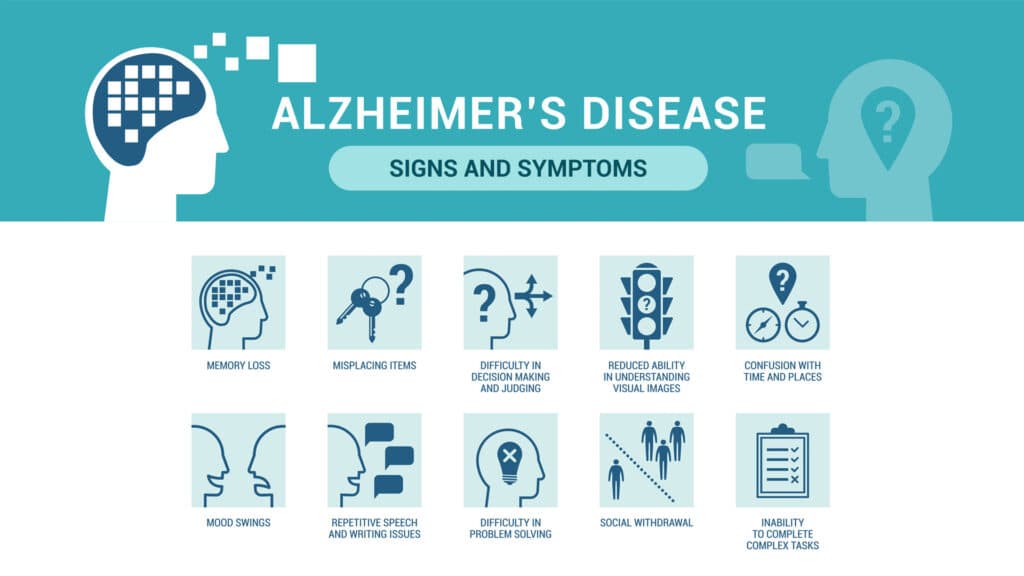
    Over 100 diseases can cause the symptoms of dementia. Dementia symptoms vary significantly based on the area of the brain affected. Common symptoms include memory loss, prominent in Alzheimer’s disease, confusion regarding time and place, and poor judgement in previously familiar situations. People may struggle to follow conversations or recall specific words, especially in the early stages. Mood fluctuations, such as increased emotional sensitivity or withdrawal, and a strong resistance to change in routine are also common.

    Many of the types of dementia can be recognized by its specific symptoms. Patients with frontotemporal dementia may face challenges in work-related tasks like organization and planning due to their cognitive decline, while their impulsivity and language issues negatively impact social situations . People with Lewy Body dementia may see things which are actually not there, or physically act out what they are dreaming at night. Those with Huntington’s disease may exhibit uncontrollable body movements while people with Posterior Cortical Atrophy have difficulty distinguishing between moving and stationary objects. Each type has unique symptoms despite all being termed as “dementia”

    Diagnosing Dementia

    It is critical to see your primary care MD with your concerns, as other issues may mimic dementia symptoms, but these issues are treatable: Depression, dehydration, urinary tract infections, medication interactions, thyroid problems and post COVID symptoms . Once these are resolved, so do the dementia like symptoms. A full medical workup is the essential first step.

    Diagnosing dementia involves a comprehensive approach that includes a patient’s medical history, cognitive assessments, neurological exams, and brain imaging techniques , which may be repeated over time. Cognitive tests, which can be brief or complex, are used to evaluate a person’s memory, thinking, and problem-solving capabilities. Brain imaging, such as MRI or CT scans, is utilized to exclude other medical conditions that might cause dementia symptoms, and assesses the quality of brain tissue. PET scans reveal the functioning of the various parts of the brain. Newer blood tests can reveal biomarkers for Alzheimer’s disease. Early diagnosis is the key to proper care.

    Treatment and Care Options

    There is no cure for most types of dementia. The various treatment options for each type of dementia focus on managing symptoms to improve the quality of life. It is important to begin planning at diagnosis for what can be done now and the extra assist which will be needed later on as the dementia progresses. Early planning allows the person living with dementia to participate in creating their future plan as well as maximizing the good times now.

    Non-medication therapies, such as physical and occupational therapy, music therapy, and pet therapy, can significantly enhance the well-being of individuals with dementia. Exercise is also beneficial, enhancing physical health and potentially slowing cognitive decline. Healthy eating , like the MIND diet, (Mediterranean-DASH Intervention for Neurodegenerative Delay) improves nutrition, inflammation, hypertension and blood sugar to facilitate Brain health. Ensuring regular sleep patterns can allow the brain to refresh itself overnight.

    Engaging with a Dementia Care Specialist or Case Manager can assist families with practical understanding of the dementia disease and provide insight into the changing levels of care required.

    Summary

    Understanding the various types of dementia, their symptoms, diagnosis, and care options is essential for providing effective support to those affected. From the common Alzheimer’s disease to the rarer forms Huntington’s disease, each type of dementia presents unique challenges that require tailored interventions. Seek out the national organizations for the specific type of dementia for more detailed information and to connect with others dealing with the same situation.

    Knowledge is power, and with the right information, we can navigate the complexities of the dementia journey with greater confidence and compassion.

  • Top Signs and Symptoms for Dementia: What to Look For

    Top Signs and Symptoms for Dementia: What to Look For

    Notable Findings

    • Early signs of dementia, such as frequent forgetfulness and confusion, necessitate consultation with a doctor for timely diagnosis and management.
    • Symptoms of progressive dementias encompass various issues, including memory loss, language difficulties, disorientation, and poor judgment, which significantly affect daily life and independence.
    • A comprehensive approach to dementia diagnosis and treatment involves medical evaluation, support resources, and tailored interventions to enhance the quality of life for individuals and their caregivers.

    Early Warning Signs of Dementia

    The earliest symptoms of dementia often manifest as frequent forgetfulness and a difficulty to retain new information. These memory problems can be subtle at first, but they develop gradually to affect daily life and ability to independently function. Consulting a doctor at the onset of these symptoms can help for an early diagnosis of potential dementia with early treatment.

    Memory loss is also one of the early signs of Alzheimer’s disease. It differs from forgetfulness as a normal part with aging in that the person is unable to retrace their steps to recall where they put something or why they entered a room. They may not even recognize that they forgot!

    Memory issues like these will disrupt daily life and indicate the need for medical evaluation. Several treatable conditions produce symptoms similar to dementia such as memory loss and confusion and a complete medical workup can differentiate between these and actual onset of some types of dementia.

    Grasping the specifics of memory problems aids in early recognition of dementia. This knowledge is vital when seeking timely medical advice and support. Keep a journal of specific instances of forgetfulness to share with your physician to assist in diagnosis.

    Cognitive Decline, Memory Loss and Misplacing Items

    Identifying early memory symptoms can prompt a timely diagnosis, aiding in managing the condition and exploring treatment options related to early onset Alzheimer’s disease or Mild Cognitive Impairment. Mild Cognitive Impairment (MCI) often precedes significant cognitive decline, impacting daily living without severe symptoms. This may or may not progress into Alzheimer’s disease dementia. Organizations like the Alzheimer’s Association offer valuable resources for understanding and dealing with these early signs of dementia.

    It’s important to differentiate between normal aging and dementia-related symptoms. Typical age-related memory changes is to occasionally forget things like appointments or names, or have trouble locating something they later find. It does not interfere with daily life as dementia does. Individuals with dementia may forget simple words in conversation, the names of common items , or even forget what keys are used for!

    Misplacing items is a common behavior in individuals with dementia. They may put things in unusual places, like a remote control in the refrigerator., This can lead to frustration and confusion.

    Cognitive changes may be seen by an inability to easily perform multi step even familiar activities like following a recipe or the instructions to put something together. Also the person may not recognize the logic in doing something differently and is resistant to change .

    Difficulty with Routine Tasks

    As dementia gradually progresses, cognitive decline significantly disrupts a person’s ability to perform daily tasks and engage socially. Individuals with dementia often struggle with complex activities such as managing finances and household chores. These challenges can make it difficult to successfully maintain an independent lifestyle.

    Basic household chores like cooking and cleaning become increasingly hard to perform. As familiar tasks start to seem overwhelming, adaptations may be necessary to help individuals maintain their independence. Recognizing these difficulties enables caregivers to offer appropriate support and modifications.

    Language and Communication Issues

    Language difficulties are typically among the earliest symptoms of dementia. Individuals often struggle with word finding, leading to the use of incorrect words or complete inability to name familiar items. This can make coherent conversation challenging.

    As dementia progresses, people may experience the following changes:

    • Forgetting the names of loved ones
    • Reduced verbal expression
    • Decreased comprehension, making it increasingly difficult for patients to engage in conversations

    Early recognition of these issues facilitates seeking appropriate interventions and support.

    Disorientation and Confusion

    Disorientation and confusion are common signs of dementia. Individuals may lose track of time, struggling to remember dates, seasons, or even how they arrived at a location. Assistance may be needed to realize if an event is occurring or has already happened.

    People with dementia can experience confusion regarding the current date or time , and may think it is an earlier time in their lives. This can lead to significant challenges in understanding their surroundings and recognizing familiar places.

    Such difficulties can cause significant distress and impair the ability to navigate familiar environments, often leading to feelings of being lost. This may result in unexpected mood changes . Recognizing these symptoms allows caregivers to offer needed support and reassurance.

    Poor Judgment and Decision-Making

    Poor judgment and decision-making are hallmark symptoms of cognitive impairment. Individuals may fail to recognize health risks, such as dressing inappropriately for the weather. They might not recognize smoke as a reason for alarm after cooking. These issues can lead to potentially unsafe situations.

    Cognitive decline can also impact financial management. Individuals with dementia may show poor judgment in financial matters, such as making unwise purchases or neglecting bills. These challenges highlight the importance of monitoring and supporting individuals with dementia in their daily decisions.

    Mood and Personality Changes

    Mood and personality changes are common symptoms of dementia such as severe mood swings, increased tearfulness, confusion, and suspicion. These changes can be triggered by external cues, making it difficult for individuals to manage their moods.

    Behavioral changes may include withdrawal from social interaction, as individuals feel confused or less engaged with their surroundings. Frontotemporal dementia often leads to profound changes in personality and behavior, impacting social interactions.

    Caregivers’ nonverbal communication significantly influences the mood of individuals with dementia. They may not understand the frustration in the caregivers voice which leads to escalating upset. Recognizing these changes aids in offering compassionate care and support.

    Loss of Interest in Activities

    Loss of interest in activities is a notable sign of dementia. Individuals may show a significant drop in enthusiasm for activities they once enjoyed. This can lead to greater passivity and withdrawal from previously engaging pursuits.

    Apathy frequently creates reduced social interactions. The common inability to initiate any activity requires active encouragement from a caregiver. Participation in meaningful tasks can help combat feelings of uselessness in individuals with dementia. A structured supervised routine can also provide the necessary support to re-engage with activities.

    Visual and Spatial Difficulties

    Visual and spatial difficulties are common in dementia. Problems with peripheral vision, depth perception, and accuracy of movement can lead to significant challenges in daily tasks . These difficulties can significantly impact an individual’s safety and independence.

    Experiencing visual and spatial challenges necessitates a visit to a doctor and an eye specialist for evaluation. Early intervention can help manage these symptoms and awareness of these dementia like symptoms can improve quality of life.

    Specific Symptoms by Dementia Type

    Dementia encompasses various cognitive impairments affecting memory, thinking, and social abilities, which interfere with daily life. Different types of dementia can be classified based on the unique proteins deposited in the brain or the specific brain areas affected. Mixed dementia occurs when 2 or more types are present together and complicates both diagnosis and management.

    Identifying the specific symptoms of each type is vital for accurate diagnosis and effective management.

    Alzheimer’s Disease Symptoms

    Alzheimer’s disease is the most common cause of dementia, accounting for 60%-80% of all cases. Brain changes in Alzheimer’s include plaques, which are clumps of beta-amyloid protein, and tangles, made of tau protein.

    Vascular Dementia Symptoms

    Vascular dementia is caused by damage to blood vessels supplying the brain. The onset of symptoms can develop suddenly and quickly worsen or gradually over months to years.

    Common symptoms consist of difficulty with problem-solving and slowed thinking. Additionally, individuals may experience loss of focus and challenges with organization.

    Lewy Body Dementia Symptoms

    Lewy Body dementia is caused by abnormal protein deposit in the brain, different from those associated with Alzheimer’s disease.

    Lewy Body dementia is characterized by distinct symptoms, including visual hallucinations and motor impairments. These visual hallucinations can be an early indicator of the condition. Motor symptoms may include rigidity and tremors, resembling those found in Parkinson’s disease.

    Frontotemporal Dementia Symptoms

    Most cases of frontotemporal dementia are diagnosed between the ages of 45 and 65. Primarily the frontal and temporal lobes of brain are involved. Common early symptoms may include changes in behavior and language, impacting interpersonal interactions, and personality.

    Risk Factors and Prevention

    Age, genetics, and lifestyle choices are key factors contributing to the dementia risk of developing dementia. Unchangeable risk factors include age and genetics. However, addressing modifiable risk factors like managing high blood pressure, high cholesterol, and diabetes can help reduce the likelihood of developing dementia.

    Regular physical activity can assist in slowing cognitive decline in individuals with dementia. Eating a healthy diet, getting restful sleep ,and managing stress also beneficial for brain function.

    Diagnosis of Dementia

    A standard physical examination and a detailed medical history are critical first steps in identifying dementia. Diagnosing dementia involves various tests to evaluate cognitive functions, neurological health, and brain imaging. Imaging techniques such as MRI or CT scans are utilized to examine brain structure and rule out other conditions. PET scans can visualize how the brain is functioning.

    Consulting neurologists, psychiatrists, and geriatric specialists are often part of the diagnostic process for specifying the type of dementia.

    Treatment and Management

    An early, correct diagnosis of dementia maximizes treatment benefits and defining the specific disease process enables participation in clinical trials. Clinical trials play a crucial role in discovering new treatments and enhancing dementia care.

    Medications such as cholinesterase inhibitors are used to temporarily boost cognitive function in dementia patients. New options are being offered although there is no cure yet.

    Non-drug therapies assist in reducing certain symptoms of dementia. Music and art therapies can promote relaxation and enhance mood. Mentally stimulating activities can increase alertness and engagement.

    Support and Resources

    The Alzheimer’s Association provides a 24/7 helpline that offers assistance and reliable information to those affected by dementia and their families. ALZ Navigator is an online tool designed to help individuals and caregivers find tailored resources and support based on their specific needs.

    The organization hosts free webinars called ALZ Talks, which offer valuable insights and updates on various dementia-related topics. Families can access a variety of publications covering a wide array of topics related to dementia and caregiving.

    Specific diseases affect people differently. Non Alzheimer’s diagnoses and mixed dementias present with varied dementia like symptoms. Many of these groups also have their own organizations and websites to support those dealing with their specific type of dementia.

    Summary

    Recognizing the signs and symptoms of dementia early can make a significant difference in the correct diagnosis and subsequent management and treatment of the condition. Understanding the specific symptoms of different types of dementia, risk factors, and available resources can empower individuals and families to take proactive steps. Seek early diagnosis, explore treatment options, and utilize support resources to improve quality of life. Stay informed and connected to navigate the challenges of dementia with confidence.

    Frequently Asked Questions

    What are the early warning signs of dementia?

    Frequent forgetfulness and difficulty retaining new information are key early warning signs of dementia. If you or someone you know is experiencing these symptoms, it is advisable to seek professional evaluation.

    How does cognitive decline differ from normal aging?

    Cognitive decline differs from normal aging in that it involves memory loss and symptoms that significantly disrupt daily life and social engagement, unlike the age-related changes that do not affect functional abilities. Therefore, recognizing these distinctions is crucial for appropriate intervention.

    What are some specific symptoms of Alzheimer’s disease?

    Alzheimer’s disease is characterized by significant memory impairment and difficulties with language and communication, alongside brain changes such as plaques and tangles. Recognizing these symptoms early can be crucial for management and support.

    How can lifestyle choices impact the risk of developing dementia?

    Lifestyle choices significantly impact the risk of developing dementia; managing high blood pressure, high cholesterol, and diabetes, combined with regular physical activity, good sleep and managing stress can mitigate this risk. Prioritizing these health measures is crucial for maintaining cognitive function.

  • Understanding Different Types of Dementia: Symptoms, Diagnosis, and Care

    Understanding Different Types of Dementia: Symptoms, Diagnosis, and Care

    Dementia affects memory, thinking, and behavior. This article breaks down the main types of dementia, their symptoms, causes, and differences.

    Dementia Key Highlights

    • Alzheimer’s disease is the most prevalent type of dementia, typically starting with memory loss and leading to significant cognitive decline; early detection through cerebrospinal fluid and blood tests is crucial for management.

    • Vascular dementia arises from impaired blood flow to the brain, often linked to cardiovascular issues; managing risk factors is essential to slow progression as no cure exists.

    • Frontotemporal dementia presents with personality changes and communication difficulties, and its diagnosis can be complex due to symptom overlap with other dementia types; early and precise diagnosis is vital for effective management.

    Alzheimer’s Disease

    Alzheimer’s disease is the most common type of dementia, affecting millions globally. This brain disorder primarily impacts memory and cognitive functions, gradually leading to severe disorientation and difficulty with basic tasks. In many cases, the initial symptom is memory loss, which progresses to more significant cognitive impairments. Interestingly, more than 80% of posterior cortical atrophy cases are linked to an atypical form of Alzheimer’s disease, highlighting its diverse manifestations.

    Detecting Alzheimer’s disease early can make a significant difference in management. Cerebrospinal fluid tests reveal biomarkers linked to Alzheimer’s, helping in its detection. Additionally, blood tests are being researched as non-invasive tools to identify these biomarkers, potentially revolutionizing early diagnosis.

    These diagnostic methods enable earlier interventions, potentially slowing progression and enhancing quality of life.

    Vascular Dementia

    Vascular dementia is another common type of dementia, often resulting from cardiovascular diseases. This condition arises when blood flow to the brain is impaired, leading to cognitive decline and affecting thinking skills and daily decision-making. High blood pressure and other cardiovascular issues are significant risk factors, underscoring the importance of maintaining cardiovascular health to prevent or slow the onset of this form of dementia.

    Individuals with vascular dementia often have a shorter life expectancy due to related cardiovascular conditions. Diagnosing vascular dementia typically involves cognitive tests and brain imaging, which help identify the extent of brain damage and guide treatment plans.

    Although there is no cure, managing cardiovascular risk factors can help mitigate the progression of dementia symptoms.

    Lewy Body Dementia

    Lewy body dementia is characterized by the presence of Lewy bodies in the brain and includes two forms: dementia with Lewy bodies and Parkinson’s disease dementia. This condition often presents with visual hallucinations early in the disease, which are typically realistic and detailed, making them a distinctive symptom. Cognitive fluctuations are also common, causing unpredictable changes in mental functioning that can impact attention and alertness.

    Mood changes, such as depression and anxiety, are prevalent in individuals with Lewy body dementia, affecting their overall well-being. Sleep disturbances, including REM sleep behavior disorder where individuals act out their dreams, further complicate their condition. These symptoms collectively contribute to a challenging and often distressing experience for both patients and caregivers.

    The average life expectancy after a diagnosis of Lewy body dementia ranges from two to twenty years, with most experiencing a decline over five to seven years. Despite the absence of a cure, understanding and managing symptoms through medication and supportive therapies can significantly improve the quality of life for those affected.

    Frontotemporal Dementia

    Frontotemporal dementia primarily affects neurons in the frontal and temporal lobes, leading to atrophy in these areas as the neurons die. This type of dementia manifests in various ways, including unusual behaviors, emotional disturbances, and difficulties with communication and movement. Behavioral variant frontotemporal dementia is notable for significant changes in personality and behavior, such as impulsivity and lack of empathy.

    Primary progressive aphasia is another variant of frontotemporal dementia that affects language abilities, leading to difficulties in speaking, reading, and understanding. Additionally, diseases associated with frontotemporal dementia, such as corticobasal syndrome, can cause significant movement issues like apraxia and movement control difficulties. Genetic factors also play a role, with specific genes linked to familial forms of the disorder.

    Frontotemporal dementia can be challenging to diagnose accurately due to overlapping symptoms with Alzheimer’s disease and mood disorders. Early and precise diagnosis is essential for effective management and support, emphasizing the need for awareness and understanding of this dementia type.

    Mixed Dementia

    Mixed dementia refers to a condition where a person experiences symptoms of more than one type of dementia, making its diagnosis and management particularly complex. This often involves a combination of Alzheimer’s disease and vascular dementia, leading to a range of symptoms from memory loss to behavioral shifts and difficulties with daily tasks. Cognitive tests and brain imaging are crucial in diagnosing mixed dementia, helping to identify issues associated with multiple dementia types.

    While there is no cure for mixed dementia, certain medications can help manage symptoms and slow progression. Understanding the intricacies of mixed dementia is vital for providing appropriate care and support, ensuring that individuals receive the most effective interventions tailored to their unique needs.

    Young Onset Dementia

    Young onset dementia, diagnosed in individuals under 65, affects over 70,800 people in the UK. Unlike older individuals, those with young onset dementia may not experience memory loss as their initial symptom. Instead, they often face challenges with movement, coordination, and balance. Initial symptoms might involve memory challenges, difficulty concentrating, and trouble completing familiar tasks.

    Frontotemporal dementia is common among younger individuals, with symptoms typically appearing between ages 45 to 64. The impact of young onset dementia extends beyond the individual, affecting family dynamics, relationships, and daily life. Recognizing these unique challenges is key to offering effective support and care.

    Posterior Cortical Atrophy

    Posterior cortical atrophy primarily affects brain cells in the rear section of the brain, which is essential for processing visual and spatial information. Individuals with this condition often face challenges with reading, distance judgment, and recognizing objects or familiar faces. Although it is linked to Alzheimer’s disease, posterior cortical atrophy presents differently, making its diagnosis and management unique.

    Recognizing the specific symptoms and effects of posterior cortical atrophy is vital for providing suitable care and support. This includes tailored interventions that address the visual and spatial processing difficulties experienced by those affected.

    Alcohol-related dementia is linked to chronic alcohol abuse and conditions like Wernicke-Korsakoff syndrome. This syndrome, often caused by vitamin B1 deficiency, presents with symptoms such as confusion, memory problems, and coordination issues. Excessive alcohol consumption can lead to significant brain health deterioration, increasing the risk of various types of dementia, including alcoholic dementia.

    Recovery from Wernicke-Korsakoff syndrome varies; some patients fully recover, while others may require ongoing support or long-term care. Recognizing the link between alcohol abuse and dementia is key for prevention and effective management.

    Huntington’s Disease

    Huntington’s disease is a hereditary disorder that leads to both motor and cognitive decline, typically manifesting between ages 30 and 50. The disease progresses through stages, with initial symptoms often related to movement difficulties followed by changes in behavior and cognitive impairment. Currently, there is no cure for Huntington’s disease, and it typically results in death within two decades of symptom onset, although symptom management options exist.

    Genetic factors contribute to about 10% of cases of young-onset dementia, increasing concerns for family members regarding their own risks. Recognizing the hereditary nature and progression of Huntington’s disease is vital for offering proper care and support to affected individuals and their families.

    Common Symptoms of Dementia

    Dementia symptoms can vary significantly based on the area of the brain affected. Common symptoms include memory loss, which is particularly prominent in Alzheimer’s disease, the leading cause of dementia. People may struggle to follow conversations or recall specific words, especially in the early stages. Mood fluctuations, such as increased emotional sensitivity or withdrawal, are also common.

    Confusion regarding time and place is often observed as a symptom of dementia. Patients with frontotemporal dementia may face challenges in work-related tasks like organization and planning due to their cognitive decline. Symptoms of posterior cortical atrophy may include anxiety, confusion, and alterations in personality, which tend to worsen gradually over time.

    Recognizing these common early symptoms aids in early detection and intervention, potentially improving outcomes for those with dementia.

    Diagnosing Dementia

    Diagnosing dementia involves a comprehensive approach that includes a patient’s medical history, cognitive assessments, neurological exams, and brain imaging techniques. Cognitive tests, which can be brief or complex, are used to evaluate a person’s memory, thinking, and problem-solving capabilities. Brain imaging, such as MRI or CT scans, is primarily utilized to exclude other medical conditions that might mimic dementia symptoms.

    Diagnosis of Lewy body dementia can be particularly challenging due to symptom overlap with Alzheimer’s disease, requiring careful assessment by medical professionals. Timely and accurate diagnosis is essential for effective management and support.

    Treatment and Care Options

    While there is no cure for most types of dementia, various treatment options focus on managing symptoms and improving quality of life. For instance, treatment options for Lewy body dementia may include medications that target cognitive symptoms, but no cure currently exists. Treatments for frontotemporal dementia also focus on managing symptoms, given the lack of options to slow its progression.

    Non-medication therapies, such as occupational therapy, music therapy, and pet therapy, can significantly enhance the well-being of individuals with dementia. Exercise is also beneficial, enhancing physical health and potentially slowing cognitive decline. Efforts to lower systolic blood pressure may help reduce the risk of cognitive decline, although evidence varies regarding the effectiveness of different interventions.

    Summary

    Understanding the various types of dementia, their symptoms, diagnosis, and care options is essential for providing effective support to those affected. From the common Alzheimer’s disease to the rarer forms like posterior cortical atrophy and Huntington’s disease, each type of dementia presents unique challenges that require tailored interventions.

    By recognizing the signs and seeking early diagnosis, we can improve the quality of life for individuals with dementia and their families. Knowledge is power, and with the right information, we can navigate the complexities of dementia with greater confidence and compassion.

    Frequently Asked Questions

    What is the most common cause of dementia?

    The most common cause of dementia is Alzheimer’s disease, which accounts for 60-80% of all cases. This prevalent condition significantly impacts cognitive function and quality of life.

    How is dementia diagnosed?

    Dementia is diagnosed through a comprehensive evaluation that includes the patient’s medical history, cognitive assessments, neurological examinations, and brain imaging techniques. This thorough process ensures an accurate diagnosis to guide effective treatment.

    Can young people get dementia?

    Yes, young people can indeed develop dementia, specifically referred to as young onset dementia, which occurs in individuals under the age of 65.

    Is there a cure for dementia?

    There is no cure for most types of dementia, but treatments are available to help manage symptoms and enhance quality of life.

    What are the common symptoms of dementia?

    Common symptoms of dementia are memory loss, confusion, mood changes, and challenges in performing daily activities. Recognizing these signs early can be crucial for timely intervention.