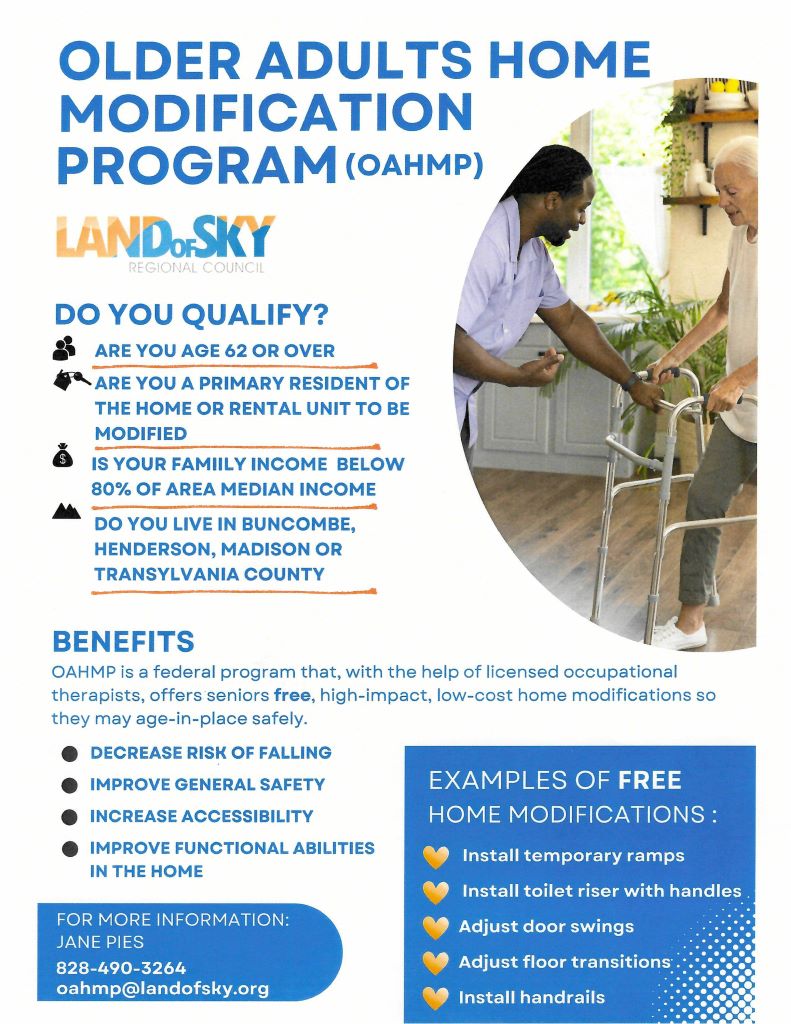
OAHMP is a federal program that, with the help of licensed occupational therapists, offer seniors free, high-impac, low-cost home modifications so they may age-in-place safely. Benefits include decrease risk of falling, improve general safety, increase accessibility, and improve functional abilities in the home. Examples of free home modifications are install temporary ramps, install toilet riser with handle, adjust door swing, repair floor transitions, or install handrails.
Do you qualify?
Are you age 62 or ove?
Are you the primary resident of the home or rental unit to be repaired?
Is your family income below 80% of area median income?
Do you live in Buncombe, Henderson, Madison or Transylvania County?
Considering an independent residence? This article explains what independent living involves, what to consider, and how to determine if it’s your best choice.
Key Takeaways
Independent living communities offer a maintenance-free lifestyle for active seniors, focusing on convenience and social engagement.
Choosing the right independent residence involves considering factors like services, community size, location, and personal needs.
Budgeting is crucial for independent living; understanding average costs and planning for additional expenses can help ensure financial stability.
Understanding Independent Living Communities
Independent living communities are a wonderful option for active adults 55+ who want to enjoy life without the hassle of home maintenance. These communities are designed to give you the best of both worlds—your own space and independence, paired with the convenience that makes everyday living easier. It’s a great choice for seniors who want more time, more freedom, and more opportunities to focus on what truly brings them joy.
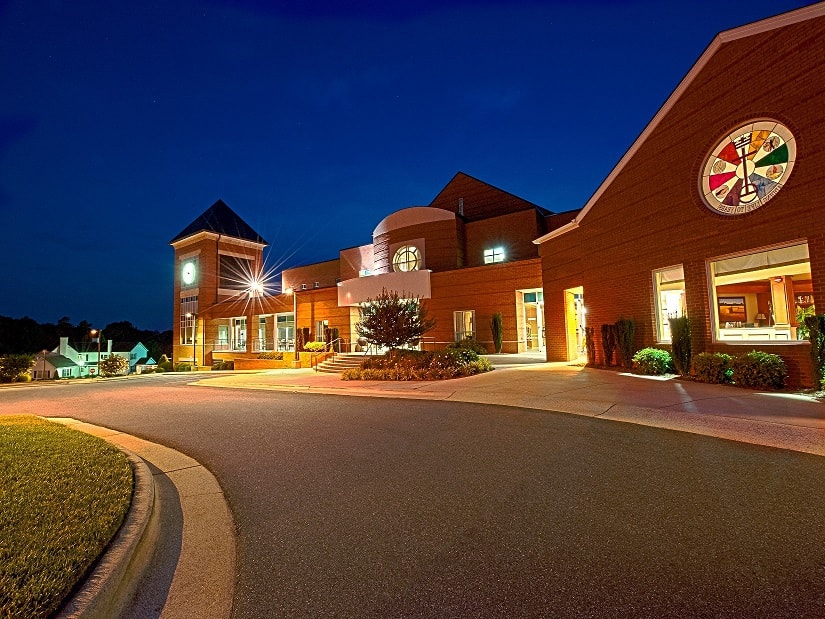
Most communities are made up of several buildings spread across a spacious campus, with a welcoming central hub for meals, gatherings, and activities. This layout naturally brings people together, making it easy to meet new friends, stay active, and feel part of a warm, connected community. The heart of independent living is simple: helping residents maintain independence while making daily life more enjoyable and stress-free.
Along with freedom from home upkeep, many communities offer helpful safety features like emergency response systems and staff available around the clock. These added layers of support provide peace of mind, letting residents relax, feel secure, and make the most of their retirement years.
Types of Independent Residences
When you start exploring independent living, you’ll find that there are several types of residences designed to fit different lifestyles and preferences. Many people choose senior or private apartments—comfortable spaces created specifically for older adults, often with built-in community activities and helpful services that make daily life easier and more enjoyable.
Retirement communities are another wonderful option. These neighborhoods, usually for adults 55 and up, often feature different housing styles along with a wide variety of amenities. They’re great for anyone who wants a fun, social environment with plenty of things to do and people to meet.
For those looking for long-term peace of mind, Continuing Care Retirement Communities (CCRCs) offer multiple levels of support all in one place. You can start in independent living and have access to higher levels of care—like assisted living or skilled nursing—if you ever need them down the road.
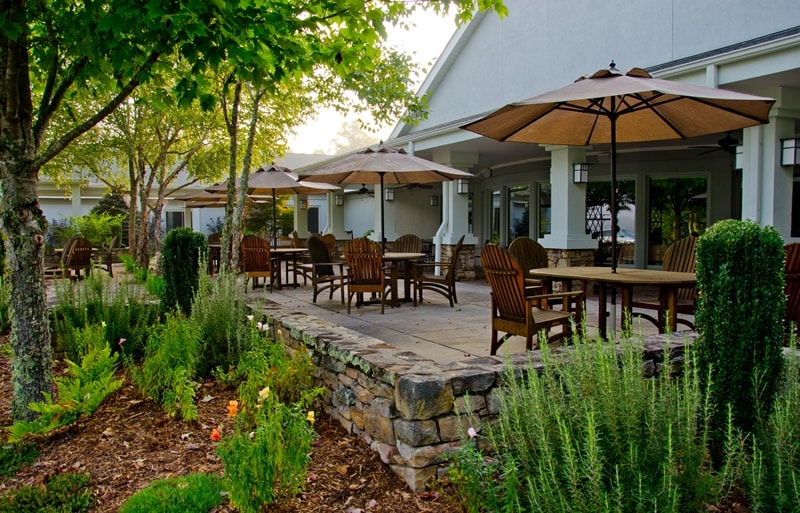
No matter what style you choose, many independent living communities offer amenities that feel more like a resort than a residence. Think pools, fitness centers, beautiful dining spaces, and so much more. Whether you prefer something simple and cozy or a community packed with luxuries, there’s an independent living option that fits your personality, needs, and lifestyle perfectly.
Services and Amenities in Independent Living Communities
Independent living communities offer many services and amenities intended to improve the quality of life for all of their residents. Examples of these amenities include:
Fitness facilities
Parks
Swimming pools
Fine dining options
Transportation services are also a significant benefit, helping residents benefit by maintaining their independence through easy access to various destinations outside the community. This service is especially valuable for those who may no longer feel comfortable driving or just want to take a break from driving. Health care services and medication management services are crucial for ensuring residents take their medications correctly and on time, providing peace of mind for both residents and their families.
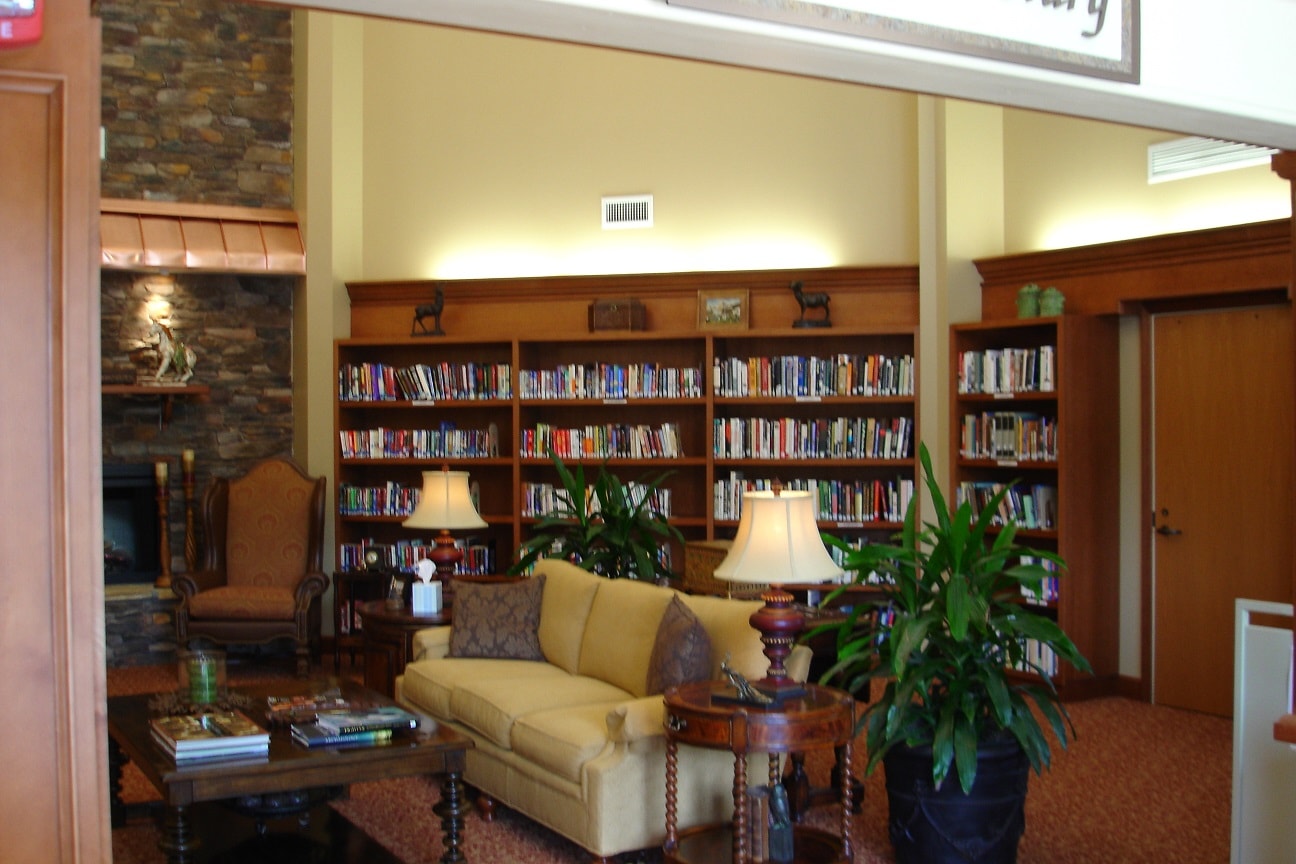
Additional amenities often include beauty and barber salons, libraries, and pet care services, as well as onsite amenities. These convenient services, including housekeeping and laundry services, contribute to a sense of home and community, making the transition to independent living smoother and more enjoyable.
Is Independent Living Right for You?
A senior living community is an excellent option for active, healthy seniors who want a stress-free, social environment. However, it’s not suitable for everyone, particularly those who need more assistance with daily activities or medical care. Evaluating your ability to manage daily activities and your current and future health status is crucial in determining if independent living is the right choice.
Building connections with the people around you can make life feel more comfortable and a whole lot less lonely. It’s just as important to stay in touch with friends and family—those relationships play a big role in keeping our spirits up. And if you or a loved one ever find that a little extra help would make daily life easier, it might be worth exploring options like assisted living to find the right level of support.
Evaluating Your Current Home Maintenance Needs
One of the biggest perks of moving to an independent living community is letting go of all the stressful home upkeep. As the years go by, taking care of a large house can start to feel like a lot—from regular maintenance to simply getting around safely. If keeping up with your home is becoming difficult, or if you’re feeling more isolated than you’d like, it may be a good time to explore independent living.
These communities—and assisted living communities as well—offer helpful services like delicious meal programs, fitness opportunities, transportation, and plenty of social activities. All of these can make the move feel easier and bring more joy and connection into your daily life.
When you’re thinking about the financial side, start by looking at what you currently spend on housing, utilities, and healthcare. This can give you a clearer picture of what independent living might look like for your budget.
Social Connections and Activities
Independent living communities are well-known for their vibrant social environments. These communities often provide a variety of activities that cater to diverse interests, including recreational programs, fitness programs, wellness activities, social outings, fitness classes, group activities, and an active lifestyle.
Participating in community activities can significantly decrease feelings of isolation and enhance mental well-being. When touring independent living facilities, engaging with current independent living residents can provide valuable insight into the community’s social life and activities.
Accessibility and Mobility
Accessibility and mobility are critical considerations when evaluating independent living communities. Many communities offer transportation services to help residents get to various destinations, making it easier for those who may have trouble driving or face mobility challenges.
Safety measures, such as emergency response systems and grab bars, are also important to ensure the well-being of everyone. Considering safety at different times and the walking distance to amenities can provide peace of mind and enhance the overall living experience.
Costs and Financial Planning for Independent Residences
The cost of independent living can vary significantly based on location and the specific amenities offered by the community. On average, independent living costs around Asheville, NC are about $2,000-4,000 per month, but it can go up to $6,000 depending on the community. The monthly fees typically cover:
Maintenance
Housekeeping
Security
Some meals
Programming
Financial benefits of independent living include the convenience of a single monthly fee that often covers utilities and various amenities. For low-income seniors, the U.S. Department of Housing and Urban Development offers subsidies to reduce rent, allowing them to live independently, although these options may come with long waiting lists and strict residency criteria.
Independent living is generally less expensive than assisted living, costing about 30-50% less per month because it does not include personal care assistance and health services.
Budgeting for Independent Living
Budgeting for independent living requires careful planning and consideration of various factors. It’s advisable to overestimate your retirement expenses to account for inflation and rising costs. Regularly reviewing your financial situation is vital to adapt to any changes in living expenses and ensure ongoing financial stability.
When planning for independent living, consider all potential costs, including:
Housing
Utilities
Healthcare
Other personal expenses
This well-rounded approach will help you create a realistic and sustainable budget.
Comparing Independent Living with Other Senior Living Options
Independent living is just one of many senior living options available. Unlike assisted living, independent living communities typically do not have on-site medical care, focusing instead on providing a social and engaging environment for active seniors. Assisted living, on the other hand, offers more extensive support for daily activities, such as bathing and dressing, and includes regular health monitoring.
Independent living provides a unique kind of support that really stands apart from other senior housing options. It’s designed for active, independent seniors who don’t need personal care, which also makes it the most affordable type of senior living. These communities are perfect for those who enjoy staying busy and connected, offering plenty of social events, activities, and opportunities to live life to the fullest in a fun, engaging environment.
Choosing the Right Independent Residence
Selecting the right independent living community involves considering various factors, including the services offered, personal needs, and future preferences. The process can be confusing, but taking the time to visit multiple communities and involving trusted professionals like family members or financial advisors can provide valuable insights and help you make an informed decision.
Trying out short-term stays at different life plan communities can be a great way to get a real feel for each place. It gives you the chance to see what daily life is like, meet people, and decide whether the community’s lifestyle and atmosphere feel like a good fit for your comfort and preferences.
Visiting Potential Communities
Visiting potential independent living communities is crucial for understanding the environment and lifestyle they offer. During your visits, engage with current residents to get a sense of the community’s atmosphere and assess the support services available.
Testing the dining experience by trying a meal in the communal dining room can also provide insight into the quality of food, including chef prepared meals, and the social opportunities available for daily living. Observing the variety of scheduled activities can help you determine if the community caters to your interests and lifestyle.
Assessing Community Size and Location
The size and location of an independent living community can really shape your day-to-day experience. Some people enjoy the cozy, close-knit feel of a smaller community, while others love the energy and variety that come with a larger one.
It’s also important to think about how close you’ll be to healthcare services, since easy access to medical care can bring peace of mind. And being near family can make a huge difference—staying connected and having support close by often makes life feel more comfortable and enjoyable.
Transitioning to an Independent Living Community
Transitioning to an independent living community can be an emotional process. It’s normal to experience feelings of anger, embarrassment, regret, and vulnerability during the move. Planning the move early and packing well in advance can help reduce stress and make the transition smoother.
To feel comfortable in your new community, socialize and participate in activities. Personalizing your new home with family photos and familiar items can also help create a sense of belonging and make the new space feel like home.
Supporting Loved Ones in Independent Living
Supporting a loved one during their transition to independent living is crucial for their well-being. It is common for older adults to experience grief and feelings of loss when moving to a new living situation. Families should be involved in the planning process to help their loved ones feel a sense of control and to ensure that their preferences are taken into account.
To support a loved one after moving:
Make frequent visits and maintain regular communication to provide emotional support and reassurance.
Take any concerns they raise seriously and discuss possible solutions.
Bring personal items from their previous home to help create a sense of familiarity and comfort in the new living space.
Summary
Choosing the best independent residence involves careful consideration of various factors, including the types of residences available, the services and amenities offered, and whether independent living is the right fit for your needs. Financial planning is also crucial to ensure that you can comfortably afford your new lifestyle. By comparing different senior living options and visiting potential communities, you can make an informed decision that aligns with your preferences and future plans.
Ultimately, independent living communities provide a maintenance-free lifestyle, vibrant social opportunities, and a secure environment for active seniors. By taking the time to evaluate your options and plan carefully, you can enjoy a fulfilling and independent retirement. Embrace this new chapter with confidence and excitement, knowing that you have chosen the best path for your golden years.
Frequently Asked Questions
What is the average cost of independent living?
The average monthly cost of independent living is around $2,000-4,000, but it can vary widely depending on where you are and the amenities available. Make sure to consider your local options, as they can significantly affect your budget!
What types of activities are available in independent living communities?
You’ll find a great mix of activities in independent living communities, like fitness classes, social outings, and fun group events. It’s all about keeping things lively and ensuring there’s something for everyone to enjoy!
How do independent living communities ensure the safety of their residents?
Independent living communities prioritize resident safety with features like emergency response systems, round-the-clock staff support, and accessibility enhancements like grab bars. These measures create a secure and supportive environment for everyone.
What should I consider when choosing an independent living community?
When picking an independent living community, focus on the services they provide, whether they meet your personal needs and preferences, and how close they are to healthcare and family. It’s all about finding a place that feels right for you!
How can family members support their loved ones during the transition to independent living?
You can really make a difference by being actively involved in the planning and visiting often. Regular communication and helping them bring personal items to their new place can greatly ease the transition for your loved one.
Searching for the perfect retirement community? You’re in the right place. Our guide to the top communities for retirement in the U.S. will help you find the ideal spot that matches your lifestyle and budget. From vibrant cities to peaceful countryside retreats, discover where you can spend your golden years in comfort and style.
Insights and Applications
The U.S. offers diverse retirement communities, with popular states like North Carolina, Florida, California, and Arizona providing unique benefits for active adults.
Choosing the right retirement community requires evaluating personal needs, researching options, and understanding associated costs to find a perfect fit.
Active lifestyle amenities and community engagement are key features of retirement communities, enhancing overall well-being and social connections for residents.
Discover the Best Retirement Communities
As you explore these destinations, envision yourself enjoying leisurely strolls in the mountains, engaging in cultural activities, or playing a round of golf under the clear blue sky. Each community has its own charm and character, waiting to be discovered by retirees like you.
Western North Carolina: Mountain Views and Vibrant Culture
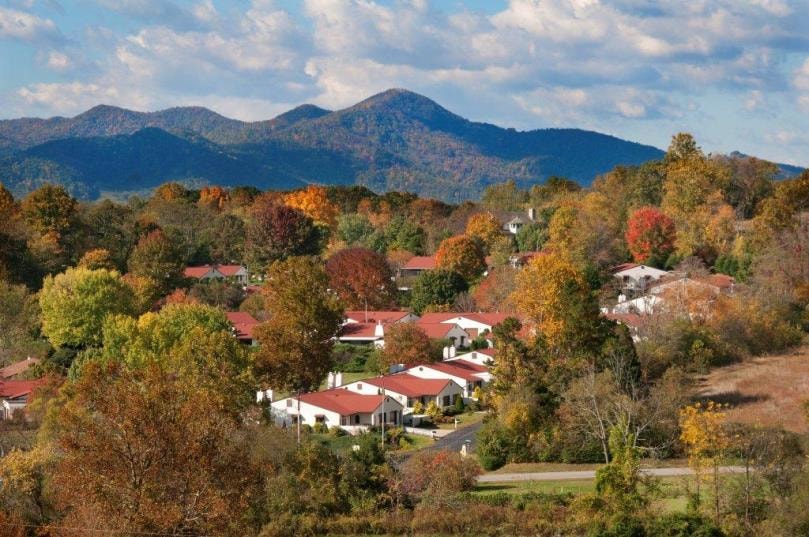
If you’re dreaming of a retirement that blends natural beauty, vibrant culture, and a strong sense of community, Asheville and Western North Carolina should be at the top of your list. Nestled in the Blue Ridge Mountains, Asheville offers a mild climate, stunning landscapes, and a thriving arts scene. The area is also known for its excellent healthcare facilities, including Mission Hospital, which has been recognized for its cardiovascular care.
To help you navigate the many retirement options in this region, Carolina Living Choices provides a comprehensive print and online guide. This resource offers detailed information on 55+ communities, real estate options, and lifestyle amenities throughout Western North Carolina. Whether you’re looking for an active adult community or a serene mountain retreat, Carolina Living Choices can assist you in finding the perfect fit.
Florida: Sunshine and Leisure
Florida continues to be a top choice for retirees, boasting over 500 retirement communities. The state’s warm climate, beautiful beaches, and tax-friendly policies make it an attractive destination. Communities like The Villages offer a plethora of amenities, including golf courses, fitness centers, and social clubs, catering to an active lifestyle.
With such a diverse range of communities, retirees can find the perfect fit tailored to their lifestyle. From vibrant cities to peaceful coastal towns, each community offers unique amenities that enhance the joy of living. Picture yourself enjoying the amenities of your dream retirement destination, where every day feels like a vacation.
California: Diverse Landscapes and Culture
California offers retirees a mix of coastal living, desert retreats, and mountain getaways. With its diverse landscapes and rich cultural offerings, the state provides numerous opportunities for recreation and engagement. Retirement communities here often feature amenities like swimming pools, walking trails, and arts programs.
Whether you’re an art enthusiast, a foodie, or someone who enjoys outdoor activities, California has something for everyone. The state’s retirement communities provide various amenities and services that ensure a comfortable and fulfilling life.
Arizona: Outdoor Adventures Await
Arizona’s dry climate and scenic beauty make it a haven for outdoor enthusiasts. Cities like Lake Havasu offer affordable living, access to healthcare, and a range of recreational activities, from boating to hiking.
In addition to its natural beauty, Arizona’s retirement communities are equipped with amenities that cater to outdoor enthusiasts. From golf courses to fitness centers, these communities ensure that residents can maintain an active and healthy lifestyle. Whether you’re a seasoned golfer or someone who enjoys a leisurely walk, Arizona has something to offer everyone.
Pennsylvania: History and Affordability
Pennsylvania combines historical charm with affordable living. The state offers a variety of retirement communities set amidst picturesque landscapes. Residents can enjoy cultural attractions, outdoor activities, and a lower cost of living compared to many other states.
Texas: Warmth and Hospitality
Texas is known for its friendly communities and diverse environments. From bustling cities to quiet countryside, the state offers a range of retirement options. Communities here often feature amenities like clubhouses, swimming pools, and organized social events, fostering a strong sense of camaraderie among residents.
Midwest: Hidden Gems
The Midwest offers retirees the charm of small-town living combined with affordability. States like Iowa and Wisconsin boast low crime rates, quality healthcare, and a slower pace of life. Retirement communities in this region often provide spacious homes, community gardens, and access to nature trails.
Finding Your Perfect Fit
Choosing the right retirement community is a significant decision that involves aligning your choice with your lifestyle, needs, and long-term goals. Understanding your personal preferences and how they align with the community’s offerings is crucial. Imagine finding a place that feels just right, where you can thrive and enjoy your retirement years to the fullest.
Exploring various community options and conducting thorough research are crucial steps in this process. Visiting potential communities allows you to get a feel for the environment and meet current residents to gauge satisfaction. This hands-on approach ensures that your chosen community meets your expectations and preferences.
Understanding the costs and benefits associated with retirement living is also vital. Analyzing entrance fees, monthly costs, and overall living expenses can help you make an informed decision. Consider how these factors align with your budget and long-term financial plans.
Assessing Your Needs
When you’re looking for the right retirement community, it’s really important to think about what you need now—and what you might need down the road. Maybe you’re in great health today, but it’s smart to consider how things could change and what kind of medical care or support might be helpful later. Planning ahead for long-term care options can give you peace of mind, knowing you’re covered if your needs shift.
It’s also worth thinking about the little things that make daily life more enjoyable. Do you love swimming laps? A pool might be a must-have. Prefer staying active with friends? A good fitness center or group classes could be perfect. And having on-site healthcare can be a big plus for convenience and confidence. These kinds of amenities can really boost your day-to-day quality of life.
Exploring Community Options
Doing your homework really pays off when it comes to choosing the right retirement community. Taking the time to visit a few places in person can give you a real feel for the atmosphere, meet some residents, and see what day-to-day life is like. It’s one thing to read about a community—and another to walk through the dining room or chat with someone who’s already living there. Those little details help you know whether it’s the right fit for you.
Online tools can also be super helpful in narrowing down your options. With just a few clicks, you can filter communities by what matters most to you—like location, amenities, or budget. It’s a great way to explore different possibilities from the comfort of home before making a visit. When you combine that with a personal tour, you’re well on your way to finding a spot that really feels like home.
Considering Costs and Benefits
Understanding the costs associated with retirement living is crucial for long-term financial planning. Analyzing both the entrance fees and ongoing monthly costs is important. Monthly fees in Life Plan Communities can include a range of services that might be more economical than maintaining a private home.
In addition to entrance fees, be aware of ongoing costs like association dues, which can significantly impact your budget. Analyzing the total cost of living in a retirement community helps in understanding potential savings compared to maintaining a private home.
Embracing an Active Lifestyle
Retirement communities encourage residents to maintain an active lifestyle, promoting overall health and well-being. Remaining active and engaged significantly contributes to physical and mental well-being. Many residents have reported significant improvements in their social lives and overall happiness after joining a retirement community.
Engaging in physical activities, social events, and wellness programs can lead to a fulfilling and joyful retirement. Let’s explore the various ways retirement communities foster an active and engaged lifestyle.
Many retirement communities feature recreational amenities such as fitness centers, golf courses, and swimming pools tailored for active residents. These facilities encourage residents to stay active and healthy.
Swimming pools provide opportunities for low-impact exercise and social interaction.
Community Engagement and Social Activities
One of the best parts about moving into a retirement community is the chance to meet new people and feel connected right away. Getting involved in group activities or joining in on community events makes it easy to form friendships and feel like you truly belong. Whether it’s a group outing, a casual coffee hour, or a game night, there’s always something going on to bring folks together.
Communities also love to host special events—like dinner parties, live music nights, or holiday celebrations—that really make the place feel lively and warm. It’s those shared experiences that help turn neighbors into friends and make your new community feel like home.
Health and Wellness Programs
Numerous retirement communities offer specialized wellness programs and fitness classes aimed at enhancing residents’ health. These programs range from yoga to strength training, significantly contributing to seniors’ health.
Wellness education workshops inform residents about healthy aging and various wellness dimensions.
Making the move to retirement living is a big step, but with a little planning and the right support, it can actually be a really smooth—and even exciting—transition. One of the best things you can do is start the downsizing process early. Giving yourself plenty of time takes the pressure off and helps you feel more in control. Instead of feeling rushed or overwhelmed, you can go at your own pace and make thoughtful decisions about what to keep, what to let go of, and how to get organized for this next chapter.
Planning Your Move
Creating a step-by-step plan can help keep you organized and ensure that you don’t overlook important tasks during your move. Taking an inventory of your belongings can aid in making informed decisions about what to keep or discard. Using the four-box method—keep, donate, sell, or discard—can simplify the decision-making process during downsizing.
Involving family or friends during packing can make the process enjoyable and alleviate emotional stress for families. Their support can transform a potentially daunting task into a shared experience, making it easier to face the changes ahead.
Adjusting to Community Life
One couple shared that after moving into their new 55+ community, they enjoyed a welcoming atmosphere with friendly neighbors and numerous social activities. Building relationships within a new community can greatly enhance one’s retirement experience.
Moving to a community can help individuals regain a sense of independence and happiness after making the transition.
Long-Term Care Considerations
Retirement communities provide a wide range of care options tailored to meet various healthcare needs. Top communities frequently receive awards for excellence in long-term care, showcasing their commitment to quality living. Special programs are available in these communities to stimulate engagement for residents with memory care impairments.
Planning for long-term care involves understanding these options and ensuring that the community you choose can meet your future healthcare needs.
Celebrating Community Success Stories
Community success stories illustrate the joy and fulfillment residents experience in their retirement communities. Many residents express gratitude for the social connections and sense of belonging they find in their communities.
Special events such as community fairs, holiday celebrations, and wellness workshops are commonly organized, promoting engagement among residents.
Resident Testimonials
It’s amazing how often we hear folks say their retirement community turned out to be so much more than they expected. What starts as simple curiosity—maybe just stopping by for a tour—often grows into real love for the place. After settling in, many residents say they can’t imagine living anywhere else.
These personal stories really show how being part of a vibrant, welcoming community can make such a difference. It’s not just about having a nice place to live—it’s about finding joy, connection, and new experiences that truly enrich your everyday life.
Community Achievements
Retirement communities frequently receive accolades for their supportive environments and well-planned social events that foster resident connections. Several senior living communities have been nationally recognized for innovative designs and exceptional lifestyle features tailored for older adults.
Special Events and Milestones
Many retirement communities regularly host special events such as holiday parties, arts and crafts fairs, and seasonal festivals. Communities frequently showcase resident achievements, highlighting the accomplishments of residents during dedicated recognition events.
Milestones such as anniversaries of the community or individual resident celebrations are often recognized with special ceremonies and gatherings.
Finding the right retirement community can feel a little overwhelming at first—but having the right tools and resources makes all the difference. Whether you’re dreaming of peaceful mountain views, an active social scene, or specific amenities that match your lifestyle, a little guidance can go a long way in helping you find your perfect fit.
That’s where the Carolina Living Choices website and magazine come in. They’re fantastic resources packed with helpful articles, community listings, and real-life stories to help you explore your options throughout Western North Carolina. It’s like having a local friend walk you through the process, making it easier (and more fun!) to find a place that truly feels like home.
Virtual Tours and Open Houses
Virtual tours provide an immersive way for potential residents to explore without needing to travel. These tours enable prospective residents to view community layouts and facilities remotely, facilitating a more informed decision-making process.
This convenience allows you to envision your life in different communities and make a confident choice.
Contacting Communities Directly
Reaching out to retirement communities directly can provide personalized information and address specific questions about living in those areas. Engaging directly with representatives can yield personalized insights and options, making it easier to find the right fit. This direct engagement ensures that all your queries are answered, helping you make an informed decision.
Conclusion
When selecting a retirement community, consider factors such as cost, location, healthcare services, and personal preferences. Visiting potential communities and speaking with current residents can provide valuable insights. Utilizing resources like Carolina Living Choices can also streamline the decision-making process, offering detailed information tailored to your needs.
Whether you’re drawn to the mountains of North Carolina, the beaches of Florida, or the deserts of Arizona, there’s a retirement community that fits your desired lifestyle. By exploring various options and utilizing trusted resources, you can find the perfect place to enjoy your golden years.
To determine the right retirement community for you, start by assessing your specific needs and exploring different options. Don’t forget to visit potential communities and weigh the costs and benefits to make an informed choice.
When choosing a retirement community, focus on amenities that boost your lifestyle, like fitness centers, swimming pools, and on-site healthcare. These features can really make a difference in your daily enjoyment and well-being.
To make sure a retirement community fits your budget, take a close look at the entrance fees, monthly costs, and other living expenses. This way, you can see how everything aligns with your financial plans.
What are the benefits of participating in community activities?
Participating in community activities truly boosts your happiness and well-being by helping you forge new friendships and feel more connected to others. It’s a win-win for both your social life and mental health!
Retirement communities really step up by providing diverse care options to cater to different health needs, including specialized programs for memory care. This ensures that residents get the support they need to thrive in a comfortable environment.
Strength, Endurance, and a Bright Future: A Message from Lifestyle Homes
At Lifestyle Homes, we understand that a home is more than just a place to live-it’s where memories are made, and futures are built. That’s why we’re proud to share that even after facing recent storms, our communities remain strong and enduring.
Our Publisher Betsy O’Leary recently had a conversation with Mark Floan, a Licensed Real Estate Broker with over 14 years of experience, serving buyers in the Western North Carolina area. Mark represents the stunning “Pinnacle at Arabella” community, and his message was one of “hope and optimism”. Despite recent challenges, Pinnacle at Arabella experienced only minimal tree damage, and life within the community continues as planned.
“Our focus is always on the future,” says Mark. “It’s not just about weathering the storm, but about coming out stronger on the other side.”
This positive outlook isn’t limited to just Pinnacle at Arabella. Across all of our communities-“Pinebrook Farms”, “The Vistas of Westfield”, “Wynnshire Ridge”* in Hickory, and “Pinnacle at Arabella”-the spirit of strength and community is alive and well. Lifestyle Homes remains committed to offering high-quality single-family homes in thoughtfully designed neighborhoods, where residents can thrive in a peaceful and secure environment.
Whether you’re looking for an active lifestyle, a welcoming community, or a home surrounded by the natural beauty of Western North Carolina, Lifestyle Homes has something for everyone. Our communities are designed to offer the best in modern living, from beautifully crafted homes to amenities that enhance your lifestyle.
Explore our neighborhoods:
– Pinebrook Farms: Perfect for those seeking a tranquil lifestyle with easy access to Asheville.
– The Vistas of Westfield: Offering the perfect balance of community living and privacy.
– Pinnacle at Arabella: A premier community where nature and comfort meet.
– Wynnshire Ridge (Hickory, NC): For those who want a mix of Southern charm and modern living.
We invite you to come and discover the Lifestyle Homes difference. Visit one of our communities today, and see firsthand the strength, endurance, and sense of belonging that make them so special.
**Your future starts here-let’s build it together.**
Aging in Place: Tips for Making Your Home Senior-Friendly
Aging in place allows seniors to enjoy their golden years in the comfort and familiarity of their own homes. Making your home senior-friendly is key to ensuring safety, independence, and a high quality of life. Here are some practical tips to help you create a comfortable and safe environment.
Safety First
Start with safety modifications. Install grab bars in the bathroom near the toilet and in the shower to prevent falls. Non-slip mats in the bathroom and kitchen are essential. Consider adding railings on both sides of stairways and improving lighting throughout your home to reduce the risk of accidents.
Accessibility
Ensure your home is accessible. Clear pathways and remove clutter to prevent trips and falls. If you have stairs, think about installing a stairlift or creating a bedroom on the ground floor. Widening doorways can accommodate walkers or wheelchairs, making it easier to move around.
Ease of Use
Make everyday tasks easier. Replace traditional doorknobs with lever handles, which are simpler to operate for those with arthritis. Opt for faucets with single-lever controls and install pull-out shelves in cabinets to minimize reaching and bending.
Comfortable Living Spaces
Create comfortable living spaces. Choose furniture that is easy to get in and out of, such as chairs with sturdy arms and a higher seat height. Arrange furniture to allow easy movement and place frequently used items within easy reach.
Smart Home Technology
Embrace technology for added convenience and security. Smart home devices, like voice-activated assistants, can help control lights, thermostats, and even make emergency calls. Video doorbells and security cameras can enhance safety and provide peace of mind.
Regular Maintenance
Regularly maintain your home to keep it in good condition. Check for and repair any potential hazards, like loose floorboards or faulty wiring. Ensure your home is well-insulated and ventilated to maintain a comfortable temperature year-round.
Aging in place is about creating a home environment that supports your needs as you grow older. By making these thoughtful modifications, you can enjoy a safe, comfortable, and independent lifestyle in the place you love.










 **Your future starts here-let’s build it together.**