Category: Community Services

Discover essential community services that enhance well-being. Explore various resources available for support and engagement in this area.

  • Maintaining Strength and Mobility: Community Support with Elizabeth Williams

    When most people think about aging in place, they picture remaining in a familiar home surrounded by treasured memories and routines. While that goal is achievable for many older adults, it requires more than simply staying where you are. Aging safely at home depends on maintaining physical strength, creating a safe environment, and being willing to address small warning signs before they become major problems.

    According to Elizabeth Williams, Executive Director of Mountain Aging Partners, one of the biggest challenges families face is that gradual changes often go unnoticed. Both older adults and their loved ones become accustomed to their surroundings and routines, making it easy to overlook hazards or changes in health and mobility.

    The good news is that many safety risks can be identified early, and small improvements can make a significant difference in maintaining independence.

    The House Tells a Story

    One of the most valuable insights Williams shares is that the home environment often reveals what is happening in someone’s daily life.

    Over time, people stop noticing certain things in their homes because they have become part of the routine. A pile of newspapers next to a favorite chair, cluttered walkways, poor lighting, loose rugs, or items stored in difficult-to-reach places may seem harmless. However, these everyday conditions can become serious fall hazards.

    The home can also reveal larger concerns. Unopened mail, spoiled food in the refrigerator, missed medications, and changes in housekeeping habits may indicate challenges with memory, mobility, vision, or overall health.

    When adult children visit a parent, it helps to look beyond the obvious. Instead of focusing on one major issue, pay attention to the small details. Often, those details tell the story of how safely someone is managing daily life.

    Common Home Safety Risks for Older Adults

    Many falls occur during ordinary activities such as getting out of bed, carrying groceries, walking to the bathroom, or navigating familiar rooms.

    Some of the most common home safety concerns include:

    • Loose rugs and cluttered walkways

    • Poor lighting

    • Stairs without handrails

    • Bathrooms without grab bars

    • Medication management challenges

    • Social isolation and lack of regular check-ins

    • Subtle cognitive changes that affect judgment and decision-making

    Because these risks develop gradually, many older adults adapt without realizing the potential danger. What once felt easy at age 60 may present a very different challenge at age 80 or 90.

    Why Strength Matters More Than Ever

    Physical strength is often overlooked in conversations about aging in place, yet it may be the single most important factor in maintaining independence.

    Simple daily activities such as standing from a chair, bathing, cooking, carrying groceries, walking to the mailbox, and getting into a vehicle all depend on strength, balance, and mobility.

    As people age, maintaining muscle mass requires greater effort than it did in younger years. Without intentional activity, strength gradually declines, making everyday tasks more difficult.

    Unfortunately, this can create a cycle. When people feel weaker, they often become more cautious and less active. Reduced activity leads to additional strength loss, which increases the risk of falls and injuries.

    The encouraging news is that strength can improve at almost any age. Small exercises performed consistently can have a significant impact on mobility, confidence, and independence.

    Simple Ways to Build Strength Every Day

    You don’t necessarily need a gym membership or complicated workout routine to improve strength and balance.

    Williams encourages older adults to incorporate simple movements into their daily routines. Standing up from a chair without using your hands is an excellent exercise that builds lower-body strength. Repeating this movement several times throughout the day can make a noticeable difference.

    Balance can also be improved through everyday activities. Standing on one foot while brushing your teeth, taking regular walks, or participating in chair yoga and tai chi classes can help strengthen muscles and improve stability.

    The key is consistency. Small efforts performed daily often provide greater benefits than occasional intense workouts.

    Recognizing Early Warning Signs

    Families often expect a major event to signal that help is needed. In reality, warning signs usually appear much earlier.

    Some common indicators include:

    • Increased falls or near-falls

    • Difficulty standing up from a seated position

    • Hesitation when using stairs

    • Avoiding activities or outings

    • Weight loss

    • Missed medications

    • Changes in housekeeping or personal care routines

    • Fear of falling

    Many of these changes are subtle. Families should avoid dismissing them as “just getting older.” Instead, view them as opportunities to start conversations and explore solutions before a crisis occurs.

    Reframing the Conversation About Help

    One reason many older adults resist assistance is because they associate accepting help with losing independence.

    In reality, the opposite is often true.

    The right support helps people remain independent longer. Installing a grab bar, using transportation services, attending a balance class, or receiving meal delivery can prevent injuries and preserve quality of life.

    Rather than focusing on what a loved one can no longer do, families should focus on shared goals.

    Questions such as “What do we need to do to help you stay in your home safely?” often lead to more productive conversations than simply telling someone they need help.

    Listening first is equally important. Many older adults have concerns, fears, and preferences that deserve to be part of the discussion. Successful senior planning begins with collaboration, not control.

    The Emotional Impact of Falls

    A fall affects more than physical health. Even when injuries are minor, many people experience a loss of confidence afterward.

    Fear of falling again may cause someone to avoid activities they once enjoyed. They may stop walking outside, limit social outings, or become hesitant to move around independently.

    As activity decreases, strength and balance often decline further, increasing the risk of future falls.

    Breaking this cycle requires both physical and emotional support. Building strength, improving home safety, and encouraging gradual activity can help restore confidence while reducing risk.

    Start Before a Crisis Happens

    The most important message for families is simple: don’t wait.

    You do not need a major intervention to begin planning for safer aging. Small conversations, minor home modifications, strength-building activities, and early awareness can make a tremendous difference.

    Whether you live in Asheville, NC, Hendersonville, NC, or elsewhere in Western North Carolina, there are resources available to support aging in place. Physical therapists, occupational therapists, senior centers, YMCA programs, Parks and Recreation departments, and community organizations can all help older adults maintain strength, mobility, and independence.

    The earlier families begin paying attention to what the home environment is telling them, the more options they will have. Aging well at home isn’t about avoiding change—it’s about making thoughtful changes that allow independence to continue for years to come.


  • Recognizing and Preventing Isolation: Community Support with Elizabeth Williams

    Recognizing and Preventing Isolation: Community Support with Elizabeth Williams

    Aging well is not only about home safety, physical health, or medical care. It is also about emotional health, cognitive health, purpose, and joy. For older adults in Asheville, Hendersonville, and across Western North Carolina, social connection can be one of the most important parts of aging in place.

    Isolation often happens slowly. A loved one may stop attending activities, miss appointments, call less often, or seem less interested in daily life. These changes may look like “normal aging,” but they can be signs that someone’s world is becoming smaller.

    Loneliness and Social Isolation Are Not the Same

    Loneliness is the feeling of being disconnected, even when other people are nearby. Social isolation is more about limited contact with others. A person can attend church, join a book club, or live with family and still feel lonely.

    Social isolation may happen because of loss, health changes, hearing loss, vision changes, mobility challenges, or no longer being able to drive. It can also happen after a move, especially when an older adult leaves a longtime neighborhood, church, or friend group to live closer to adult children.

    Photo Credit: College Walk Retirement Community

    Connection Takes Ongoing Effort

    Community is not something we build once and then check off a list. Like physical health, it needs regular attention. Friend groups change. People move. Spouses and friends pass away. Interests shift. Healthy aging means continuing to look for meaningful ways to stay connected.

    Family caregivers can help by asking what still brings their loved one joy. Is it volunteering, attending a meal program, joining a spiritual community, walking with a group, or visiting a local thrift store where they enjoy conversation? Small, regular connections can make a big difference.

    Community Meals and Adult Day Services

    Community dining programs offer more than a hot meal. They create a place where older adults can sit with peers who understand their season of life. A widower may meet others who have lost a spouse. Someone who recently moved to Hendersonville or Asheville may meet others adjusting to the same kind of change.

    Adult day services can also support older adults who are experiencing physical or cognitive changes. These programs provide structure, purpose, activities, and social connection while also offering support for family caregivers.

    Photo Credit: College Walk Retirement Community

    Volunteering Builds Purpose

    Volunteering is another powerful form of connection. Nonprofits, churches, thrift stores, and community programs often depend on volunteers. For older adults, volunteering can restore a sense of purpose while helping them build new relationships.

    Connection does not always have to be formal. A weekly chat with a bank teller, a friendly visit to a local shop, or a conversation with someone delivering a meal can all support emotional well-being.

    What Families Should Watch For

    When visiting an aging parent, try to look at the home with fresh eyes. Notice what has changed. If your loved one was always tidy and the home is now cluttered, that may be a sign they need support. If the yard was always carefully maintained and now it is not, something may be shifting.

    Also consider home safety and physical strength. A parent who always changed light bulbs, trimmed trees, or handled repairs may no longer be safe doing those tasks. Aging in place is possible, but it takes senior planning, care coordination, home modifications, and honest conversations.

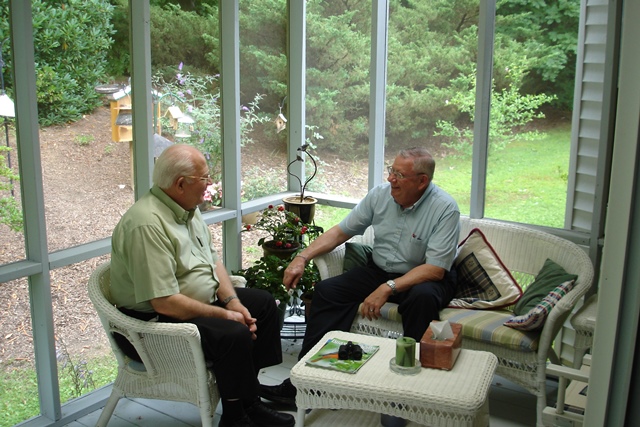
    Two men conversing at Heritage Hills

    Photo Credit: Heritage Hills

    Sibling Conversations Matter

    Siblings may see a parent differently. A loved one may “pull it together” for an out-of-town visit, while the local caregiver sees the harder days. This is common. Families should talk openly about what each person notices, what support is needed, and how each sibling can help.

    One sibling may be comfortable helping with personal care. Another may be better at managing appointments, transportation, finances, or senior resources. The goal is not for everyone to do the same thing. The goal is to create a realistic plan.

    No One Has to Age Alone

    Isolation is usually not caused by one event. It is often the result of many small changes over time. That is why early conversations matter. Families can begin by asking what is meaningful, what feels difficult, and what kind of support would help their loved one stay connected.

    Aging in place can be a wonderful choice, but it works best with planning, connection, community support, and long-term planning. No one has to do it alone.

  • Extending Independence at Home: Community Support Options with Elizabeth Williams

    Extending Independence at Home: Community Support Options with Elizabeth Williams

    For many older adults, aging in place is the preferred option. Remaining in a familiar home and community offers comfort, independence, and a strong sense of connection. However, aging in place doesn’t happen by accident. It requires thoughtful planning, community support, and a willingness to have important conversations before a crisis occurs.

    In a recent Aging Well at Home discussion, Elizabeth Williams, Executive Director of Mountain Aging Partners, shared practical caregiving insights and strategies that can help older adults and their families prepare for the future with confidence.

    Start with Three Key Areas

    Successful aging in place begins by evaluating three important areas: your home, your health, and your support system.

    First, assess whether your home is safe and accessible. Consider home modifications that support aging in place, such as grab bars, improved lighting, and fall prevention measures. Next, evaluate your current and future health needs. Are you staying active, managing medications, and maintaining regular healthcare appointments? Finally, consider your circle of support, including family, neighbors, friends, and community resources.

    Rather than trying to solve everything at once, focus on one improvement at a time. Small changes made today can have a significant impact later.

    The Biggest Mistake Families Make

    One of the most common challenges is waiting until a crisis occurs. Many families avoid difficult conversations or assume everything will work itself out. Unfortunately, a fall, hospitalization, or sudden health event often forces families into making quick decisions with limited options.

    Planning ahead allows older adults to maintain greater control over their future. It also reduces stress, costs, and uncertainty for family members.

    A helpful exercise is to consider worst-case scenarios. What happens if driving is no longer possible? What if stairs become difficult to navigate? What if daily tasks become overwhelming? Thinking through these possibilities helps families create realistic long-term planning strategies before they become urgent.

    Why Community Support Matters

    Many people underestimate the role community support services play in helping older adults remain independent. Organizations such as Mountain Aging Partners, Area Agencies on Aging, and local Councils on Aging provide valuable senior resources, information, and care coordination services.

    Throughout Asheville, NC, Hendersonville, NC, and surrounding communities, these organizations offer guidance, assessments, educational programs, caregiver support, and connections to local services designed to help older adults age well.

    The key is reaching out early. Waiting until a crisis occurs can limit available options and make decision-making much more difficult.

    Programs That Help Older Adults Stay Independent

    Many families are familiar with Meals on Wheels, but these programs provide far more than nutrition. Volunteers offer regular safety checks and social interaction that can identify concerns before they become emergencies.

    A simple observation—such as noticing changes in appearance, mood, or routine—can prompt additional support and intervention. These small touchpoints often become an important part of a larger aging in place strategy.

    Adult day programs also provide benefits for both participants and caregivers. These programs offer social engagement, activities, and supervision for older adults while giving caregivers much-needed respite. This balance helps support independent living while reducing caregiver burnout.

    Community dining programs provide similar benefits by combining nutrition with social connection and regular wellness check-ins.

    Recognizing Warning Signs

    For adult children who live outside Western North Carolina, visits home often reveal changes that may otherwise go unnoticed.

    Warning signs can include unexplained weight loss, changes in grooming habits, increased isolation, depression, confusion, missed appointments, or noticeable differences in household upkeep.

    The important thing is to pay attention to anything that seems different from your loved one’s normal behavior. These changes may signal underlying health concerns, cognitive changes, or challenges with daily living.

    If concerns arise, scheduling a medical evaluation is often a good first step. Families should also discuss healthcare decision-making, power of attorney documents, and ways to stay informed about ongoing health needs.

    How to Start Difficult Conversations

    Many families struggle with discussing retirement, caregiving, and future planning. A good approach is to begin with open-ended questions rather than focusing immediately on problems.

    Ask questions such as:

    What is most important to you as you get older?

    What does aging in place look like for you?

    What would you do if you could no longer drive?

    How can I support you in maintaining your independence?

    These conversations help build trust while encouraging realistic planning.

    Two valuable resources recommended by aging professionals are the book Being Mortal by Atul Gawande and The Conversation Project, which provides conversation guides and planning tools for families navigating long-term planning decisions.

    Be Proactive, Not Reactive

    One of the most powerful reminders is that everyone is aging. Whether you are planning for yourself, a spouse, or a parent, now is the time to start.

    Retirement planning should include more than finances. It should also address home safety, healthcare needs, transportation, social connections, caregiving support, and care coordination resources available in your community.

    The reality is simple: either you create a plan for aging in place, or circumstances may create one for you. By taking small steps today and utilizing available senior resources throughout Asheville, NC, Hendersonville, NC, and Western North Carolina, older adults can remain independent longer and enjoy a safer, more fulfilling future.

  • Healthy Aging Starts With Connection: Why Social Engagement Matters for Seniors with Cori Search

    Healthy Aging Starts With Connection: Why Social Engagement Matters for Seniors with Cori Search

    Why Social Connection Matters for Healthy Aging

    As families begin planning for retirement and long-term aging needs, one important topic is often overlooked: social connection. While many older adults in Asheville, NC and Hendersonville, NC value independence and aging in place, maintaining meaningful relationships and regular interaction is just as important as home safety, healthcare, and financial planning.

    How Isolation Impacts Older Adults

    Isolation does not always mean being physically alone. Many seniors experience loneliness even while living with family or participating in group settings. A lack of meaningful interaction, fear of burdening loved ones, or limited mobility can all contribute to feelings of disconnection.

    Research consistently shows that social isolation can increase the risk of depression, anxiety, memory decline, and other health concerns. In contrast, regular social interaction can help lower stress, improve emotional well-being, and encourage healthier daily routines.

    For many families exploring retirement options or senior planning resources in Western North Carolina, understanding the emotional side of aging is just as important as preparing for physical care needs.

    Simple Ways to Encourage Social Connection

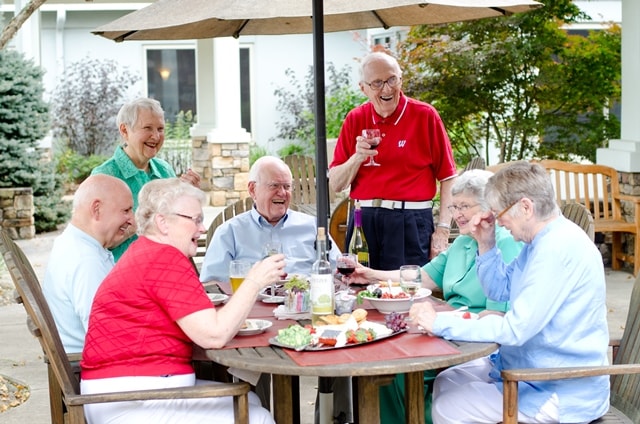
    Elderly people sitting at a patio table outside

    Photo Credit: Ardenwoods Retirement Community

    Participate in Community Activities

    Retirement communities, senior centers, and local organizations throughout Asheville, NC and Hendersonville, NC often offer activities designed to encourage social engagement. Music programs, fitness classes, arts and crafts, educational workshops, and group outings can help older adults build friendships and maintain a sense of purpose.

    Families can support aging loved ones by reviewing community calendars together and encouraging participation in activities that match their interests and comfort level.

    Encourage Shared Hobbies

    Spending time together around familiar hobbies can help strengthen family relationships and reduce feelings of isolation. Reading together, gardening, cooking, knitting, or even watching favorite movies can create valuable opportunities for conversation and connection.

    These small moments often become meaningful routines that improve emotional well-being over time.

    Use Local Senior Resources

    Programs like Meals on Wheels offer more than nutritional support. Regular visits from volunteers or delivery drivers provide important social interaction and wellness check-ins for seniors aging in place.

    Many senior resources in Western North Carolina also offer transportation services, support groups, wellness programs, and educational opportunities that encourage older adults to stay active and engaged.

    Group of people talking at Curio Wealth

    The Important Role of Caregivers

    Caregivers often become one of the most consistent sources of daily interaction for older adults. A simple conversation, thoughtful question, or friendly greeting can make a significant difference in someone’s emotional health.

    Care coordination is not only about managing appointments or medications. It also includes helping seniors feel heard, respected, and connected. Caregivers who take time to build genuine relationships can help reduce loneliness and improve overall quality of life.

    Overcoming Common Barriers to Connection

    Fear of Being a Burden

    Many older adults hesitate to ask for help because they do not want to burden family members. Open and honest conversations about aging, retirement planning, and future support can help ease these concerns.

    Families should work together to create supportive plans that balance independence with safety. Discussions about home modifications, fall prevention, transportation, and caregiving needs can help older adults feel more confident about accepting assistance when needed.

    Limited Awareness of Opportunities

    Some seniors simply may not know what resources are available to them. Local libraries, community colleges, churches, and senior centers often provide classes, volunteer opportunities, and social events specifically designed for older adults.

    Volunteering can be especially beneficial because it creates both social interaction and a renewed sense of purpose. Even small opportunities to contribute to the community can positively affect mental and emotional health.

    Key Takeaways

    Social connection is an essential part of healthy aging and retirement planning. Older adults who stay socially engaged often experience better emotional and physical well-being.

    Isolation can happen even when seniors are surrounded by others. Meaningful interaction and regular communication are important for reducing loneliness and supporting mental health.

    Families and caregivers play a major role in helping older adults stay connected through community activities, shared hobbies, volunteer opportunities, and local senior resources.

    Open conversations about aging in place, caregiving support, home safety, and long-term planning can help seniors feel supported without feeling like a burden.

    Communities throughout Asheville, NC and Hendersonville, NC offer valuable programs and services that encourage connection, independence, and a higher quality of life during retirement.

    Healthy Aging Requires Connection

    Healthy aging involves much more than medical care or physical safety. Strong social connections help older adults maintain emotional wellness, reduce stress, and enjoy a greater sense of fulfillment during retirement.

    Whether a loved one is aging in place, exploring independent living, or considering retirement communities in Asheville, NC or Hendersonville, NC, maintaining meaningful relationships should remain a priority.

    Families, caregivers, and community organizations all play an important role in helping seniors stay connected. Even small interactions can have a lasting impact on emotional well-being and quality of life.