Most families don’t think about aging in place until something goes wrong. Jessie Bosshard explains what a real plan looks like—and why starting earlier changes everything.
The bigger takeaway is this: you don’t have to solve everything today. Start early, start small, and keep the focus on the life your loved one wants to keep living—right at home, with support that grows as needed. Aging in Place Starts With the Life You Want to Keep Living
In Carolina Living Choices’ Ask the Expert series, publisher and host Betsy O’Leary sat down with Jessie Bosshard, Executive Director of Givens Home First, to talk about what it really takes to age in place safely and confidently in Western North Carolina. Their message was simple: planning for independence isn’t only about avoiding problems. It’s about protecting the lifestyle that matters most—especially as retirement approaches and daily routines begin to shift.
Start the Conversation Before There’s a Crisis
Many families don’t start senior planning until something goes wrong—a fall, a hospitalization, or a sudden change that forces urgent decisions. Jessie encourages families in Asheville and surrounding communities to begin earlier, when choices are wider and stress is lower.
Instead of leading with “What care do you need?” she recommends starting with the bigger question: “How do you want to live?” That approach keeps the focus on quality of life, not fear. It also helps older adults feel respected and in control, which is often the most important part of aging in place.
Home Care Isn’t Only for Emergencies
One of the biggest misconceptions is that in-home care is only needed after a major event. Jessie shared that home care can start small—just a few hours a month—to support independent living and preserve energy for the things that bring joy.
That support might look like help with grocery shopping, meal prep, light housekeeping, errands, or simply companionship. For someone who lives alone, having a consistent, trusted helper can create a “rhythm of support” that makes it easier to stay connected and confident at home over time.
Home Safety and Home Modifications That Prevent Falls
A home safety evaluation is one of the most practical first steps for fall prevention. A Certified Aging in Place Specialist can look at the home environment with fresh eyes and recommend changes that reduce risk without turning the house upside down.
Home modifications don’t have to be major renovations. Often, small, thoughtful updates make the biggest difference: better lighting, safer bathroom setups, sturdy handholds, adjusted bed height, and improved pathways through the home. These changes support home safety now and can also prepare the home for future needs.
Avoid the “All-or-Nothing” Trap
Jessie emphasized that aging services are not one-size-fits-all. A well-thought-out aging in place plan doesn’t follow a neat checklist from A to Z. It’s personal, and it evolves.
When families wait too long, it can feel like choices are “all or nothing”—either full-time caregiving or a drastic move. Planning earlier opens the door to flexible options that can be layered in gradually, based on what the older adult wants and what the family can realistically support.
Who to Call When You’re Not Sure Where to Start
For adult children visiting from out of town and noticing concerns, Jessie recommended starting with a trusted medical provider and being honest about what you’re seeing. Primary care teams often know local senior resources and can help connect families to next steps.
She also pointed to community hubs like the local Council on Aging, which can guide families to reputable options for in-home care, care coordination, support groups, and other senior resources across the region, including Asheville and Hendersonville.
Coordinating Care Without Taking Over
Families often worry that helping will feel like “taking over.” Jessie offered a helpful reminder: most families don’t have it all figured out, and they’re not meant to. The goal isn’t perfection. It’s being intentional and taking one step at a time.
To keep a parent empowered, start with a conversation before appointments and ask permission to participate. Framing support as teamwork (instead of supervision) helps protect autonomy while still addressing safety.
When the moving parts feel overwhelming—care needs, home decisions, and long-term planning—working with a care coordinator can reduce pressure on the family. Care coordination can help prioritize, connect the dots, and keep the plan aligned with the older adult’s preferences.
A Simple Question to Open the Door
If “Where do you see yourself in 10 years?” feels too big, Jessie suggests starting smaller: “What brings you joy?” Then build from there.
For example, if walking the dog brings joy, the next step is to talk about what might become harder in a year or two—carrying food, managing long walks, lifting heavy items, or handling errands. From there, families can add targeted help that supports the goal, rather than focusing only on limitations.
Support for Caregivers in Western North Carolina
Caregiving insights matter, especially for adult daughters managing responsibilities from a distance. Jessie encouraged caregivers to lean on trusted friends or family first if the conversation feels hard to start. Then, reach out locally for guidance.
Support groups and caregiver education may be available through regional organizations, including Councils on Aging and memory care education programs. Even if your parent lives outside Asheville, starting with local senior resources can quickly point you toward the most relevant help.
Small Ideas Can Make a Big Difference
Aging in place is often improved by practical, everyday solutions. Jessie shared an example that surprised many people: simple bathroom upgrades—like adding a bidet attachment—can support cleanliness and dignity and may reduce health issues like UTIs for some older adults.
The bigger takeaway is this: you don’t have to solve everything today. Start early, start small, and keep the focus on the life your loved one wants to keep living—right at home, with support that grows as needed.
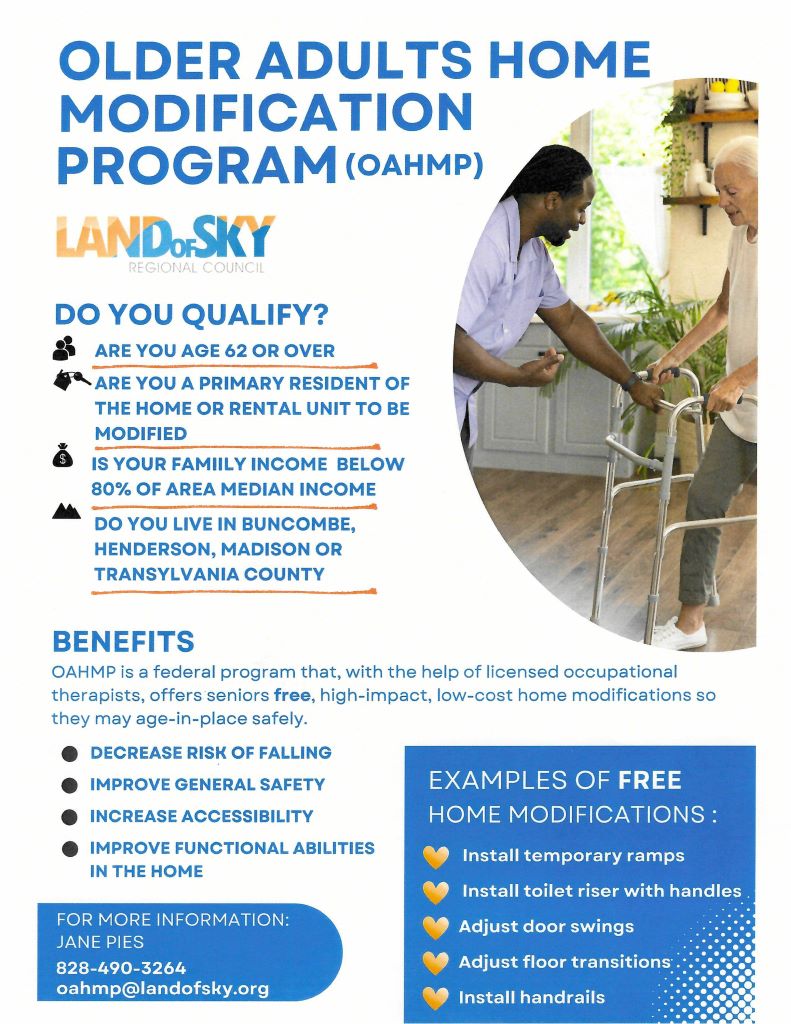
OAHMP is a federal program that, with the help of licensed occupational therapists, offer seniors free, high-impac, low-cost home modifications so they may age-in-place safely. Benefits include decrease risk of falling, improve general safety, increase accessibility, and improve functional abilities in the home. Examples of free home modifications are install temporary ramps, install toilet riser with handle, adjust door swing, repair floor transitions, or install handrails.
Do you qualify?
Are you age 62 or ove?
Are you the primary resident of the home or rental unit to be repaired?
Is your family income below 80% of area median income?
Do you live in Buncombe, Henderson, Madison or Transylvania County?
Aging in place means living in your own home safely and comfortably as you get older. Hi, I’m Betsy O’Leary, a Certified Aging in Place Specialist (CAPS) and publisher of the Carolina Living Choices Retirement Guide. I’ve spent years helping retirees and their families navigate the journey of aging in place with confidence and peace of mind. In this guide, I’ll walk you through key home modifications, how to assess your readiness—physically and financially—and how to stay engaged in your community. Let’s explore practical ways to help you or your loved ones age with independence and dignity.
Observations About Aging In Place
Aging in place is about staying in your own home and community as you get older, with 90% of older adults preferring this lifestyle.
Early planning is crucial for aging in place, focusing on health assessments, financial preparedness, and necessary home modifications.
Engaging with the community and maintaining social connections significantly enhance the well-being and independence of older adults.
Understanding Aging in Place
Remaining in one’s own residence during the aging process, while also continuing to be an active member of the community, epitomizes the concept of aging in place. This approach is profoundly important for many older adults. Indeed, an overwhelming 90% of those over 65 years old have indicated a strong desire for this way of life. The significance attached to fostering a living environment conducive to independent living is paramount as it must meet the distinct requirements of seniors and support their aspirations for independence.
The success with which individuals can age in place hinges on several key factors: their health status, home design features that accommodate changing needs, and access to essential services within their communities. Vital supports such as home care assistance and local services play integral roles by contributing substantially towards preserving autonomy and promoting overall well-being among senior citizens.
Recognizing these crucial aspects serves as a preliminary step towards devising strategies aimed at assuring comfort, security, and joy throughout one’s golden years.
Early Planning for Aging in Place
It is crucial not to procrastinate when it comes to arranging for aging in place. Initiating the planning process well ahead of time enables a thorough consideration of required modifications that support continued self-sufficiency. It’s widely advised by specialists to start this preparation significantly earlier, providing ample opportunity to contemplate every aspect associated with growing older.
To plan effectively from an early stage involves evaluating one’s physical health status, securing financial stability, and adjusting the household for upcoming needs. Tackling these elements beforehand permits older individuals to establish a living environment that accommodates their present necessities while being flexible enough to account for future developments, thus facilitating a smooth transition into old age.
Assessing Physical Health
Regular evaluations of one’s health can reveal potential upcoming needs for medical intervention or aid. Recognizing your present state of health and foreseeing possible future health difficulties enables you to make knowledgeable choices concerning the necessary forms of assistance and adjustments.
With increasing age, conditions such as diminished hearing, vision loss, and reduced physical robustness tend to emerge more frequently. By tackling these issues promptly, older individuals can preserve a superior standard of living and enhanced autonomy.
Engaging in physical therapy sessions and consistent healthcare examinations is crucial in handling these changes effectively. This ensures that an individual remains vigorous and engaged to the greatest extent possible.
Financial Preparedness
Financial preparation is vital for older adults who aim to age successfully in their own homes. It’s crucial to allocate funds early on for possible home modifications and related costs, which helps establish a secure and pleasant environment suitable for aging in place.
Implementing economical approaches when planning for one’s later years can make the process of aging more manageable. This includes gaining knowledge about the expenses associated with necessary adjustments, investigating options for financial aid, and preparing ahead of time for potential long-term care requirements. Such preparedness reduces worry among older adults, enabling them to relish their advancing years with greater peace of mind.
Home Readiness
As a Certified Aging in Place Specialist, I always emphasize that even modest changes to your home can make a big difference in both safety and independence. Whether it’s adding grab bars in the bathroom, installing a stair lift, or opting for a walk-in tub, these updates help create a living space that supports you now and into the future.
I often collaborate with occupational therapists, who bring invaluable insight into what specific modifications will work best for your unique needs. Their assessments, paired with thoughtful design, ensure that your home remains not only safe and accessible but also a place where you can thrive comfortably. Features like wider doorways, no-step entries, and open floor plans aren’t just practical—they give you the freedom to move confidently through your day.
Choosing the Right Home Environment
Selecting an appropriate living environment is essential for aging successfully in one’s own home. The decision-making process should account for variables including the geographical setting, the configuration of the residence, and its level of accessibility. Residing in a remote location with inadequate cellular coverage and a scarcity of neighbors could prompt a move to surroundings that provide better support.
Homes with only one level are Favored because they remove the risks associated with navigating stairs. Having broader doorways and hallways can accommodate mobility devices such as walkers or wheelchairs more easily, enhancing safety and simplifying everyday tasks.
If modifying an existing home for increased security is not practical or cost-effective, relocating to another dwelling with an already suitable design may be the most advisable course of action.
Preventing Isolation
For older adults, preserving social ties is crucial for their mental and emotional health. Becoming involved in community events can result in heightened satisfaction with life and diminished incidence of depression. A robust connection to the community bolsters social involvement, satisfying psychological requirements like independence and interpersonal connections.
Involvement in communal endeavors allows for the formation of social bonds that mitigate loneliness and enhance mental well-being. The availability of services within the community coupled with strong social links can notably improve life quality for individuals who are aging at home.
Special Considerations for Dementia
Aging in place can be highly advantageous for those in the early stages of dementia, as it may alleviate stress and disorientation by maintaining their presence in a recognizable setting. Such an environment often lessens worry and enhances their feeling of safety.
Receiving assistance from skilled professionals or family members is essential to maintain security and promote health. For individuals with advanced dementia or Alzheimer’s disease, aging at home might not be appropriate, prompting the need to contemplate other forms of care.
Overcoming Challenges
Aging in place does come with its share of challenges, but with the right strategies and support, those challenges can absolutely be overcome. I often work with clients who are facing mobility limitations or need a little extra help with daily tasks. That’s where services like home health care, occupational therapy, and physical therapy become essential—they’re not just about assistance; they’re about maintaining independence.
I always recommend starting with simple safety upgrades: grab bars in high-use areas, brighter lighting, and removing tripping hazards like loose rugs or cluttered walkways. And when it comes to the financial side, it’s worth exploring resources like Medicaid, veterans’ benefits, or long-term care insurance to help offset costs. The key is to plan ahead so you can stay in the home you love with confidence and peace of mind.
The Role of Family in Aging in Place
Support from family is crucial for older adults who desire to remain in their homes as they age. Emotional backing from relatives provides seniors with a feeling of value and connection. Frequent check-ins by family members serve not only to assess the well-being of these elders, but also to guarantee their safety.
Economic aid provided by the family can reduce tensions associated with healthcare expenses and necessary alterations in the home. Involving relatives in making choices fosters a sensation of autonomy and strengthens seniors’ confidence in managing their own affairs.
Benefits of Aging in Place
Aging in place provides older adults with the opportunity to preserve their independence and self-determination within a recognizable setting, greatly supporting their emotional health and personal identity. Opting to live at home can often be more financially advantageous than residential care, circumventing various expenses associated with long-term care.
Remaining in one’s own residence may safeguard against healthcare-related infections that are frequently encountered in nursing homes, thereby reinforcing the advantages of aging in an individual’s own environment.
Creating a Safe Living Space
Ensuring a secure environment is crucial for individuals who are aging and wish to remain in their homes. Potential hazards within the home, such as tripping dangers, insufficient shower support, and blocked walkways, should be addressed. Implementing safety measures like installing night lights and discarding loose rugs can help mitigate the risk of mishaps.
Occupational therapists suggest various home modifications to bolster security for those aging in place. These include upgrading lighting conditions and fitting chair lifts. Having a medical alert system installed at home serves as an effective contingency plan during emergencies, offering comfort through immediate assistance when needed.
Engaging with the Community
Engagement with the community plays a vital role in maintaining both the mental and physical well-being of older individuals. The presence of social ties diminishes feelings of solitude and offers critical emotional backing. Older adults who experience social seclusion stand at an increased likelihood of encountering severe health complications, underscoring the heightened importance of their participation in communal life.
The utilization of technology, including platforms like social media or video conferencing tools, can serve as conduits for sustaining contact with relatives and companions. Involvement in local events and joining support networks are additional strategies that contribute to enhancing mental health and counteracting feelings of isolation among seniors.
Resources for Aging in Place
Numerous services and initiatives have been established to facilitate aging in place for older adults. Programs such as the Aging in Place initiative by Partners for Livable Communities offer significant resources. Senior centers alongside Meals on Wheels and adult day care facilities provide vital assistance essential to this demographic.
To aid in preserving autonomy and ensuring safety within their homes, older individuals can utilize technology designed specifically for these purposes. Family members who provide caregiving can benefit from educational opportunities and support services made available through endeavors like the National Family Caregiver Support Program (NFCSP).
Summary
In essence, the concept of aging in place provides older individuals with a chance to preserve their autonomy and live comfortably within their personal residences. Initiating early preparations, making suitable home alterations, ensuring financial readiness, and actively participating in community life constitute crucial elements for thriving while aging at home.
Seniors can look forward to experiencing their advanced years with self-respect and assurance by adopting a proactive approach and tapping into existing resources. Engage in the process of aging in place by crafting a secure, nurturing, and satisfying living space for oneself or your cherished family members.
Frequently Asked Questions
What is aging in place?
Aging in place means being able to stay in your own home and community as you get older, enjoying independence and comfort in familiar surroundings.
It’s all about creating a supportive environment that allows you to thrive at home.
Why is early planning important for aging in place?
Early planning is crucial for aging in place because it helps you evaluate necessary changes to your home and lifestyle, ensuring you can maintain your independence.
It also means you can allocate resources wisely for a smoother transition as you age.
What are some common home modifications for aging in place?
To make your home safer as you age, consider adding grab bars in the bathroom, installing a stair lift, using walk-in bathtubs, and improving lighting.
These simple changes can really help prevent falls and keep you independent longer.
How can community engagement benefit older adults?
Community engagement can significantly boost older adults’ mental and physical health, helping them feel less lonely and more connected.
It fosters emotional support and a strong sense of belonging in their lives.
What resources are available for aging in place?
There are so many wonderful resources out there to support aging in place—it just takes knowing where to look. I often point people to local senior centers, which offer everything from social activities to wellness programs. Meals on Wheels is another great service that ensures nutritious food is delivered right to your door.
There are also financial assistance programs that can help cover the cost of home modifications or in-home care, and caregiver training for family members who are stepping into supportive roles. Don’t forget about technology, either—things like medical alert systems, smart home devices, and video call tools can really enhance safety and connection.
The goal is always the same: to help you feel secure, supported, and comfortable in your own home.
Stairs can pose a fall risk, but a few thoughtful changes can greatly reduce the danger. Installing sturdy handrails on both sides of stairs can provide essential support. Handrails offer balance and stability, making it easier to navigate stairs safely.
Enhancing Stairway Visibility
Lighting is also crucial. Ensure bright lights are installed above stairs and that light switches are easy to access at both the top and bottom of the stairs. This is especially helpful at night when visibility is lower.
Preventing Slips and Falls
If you have throw rugs near stairways, consider removing them or using non-slip mats to prevent accidental slips. Another simple upgrade is replacing traditional doorknobs with lever-style handles near stairs for easier grip and access, especially for those with limited hand mobility.
Keeping Stairs Clutter-Free
Keeping stairs clear of clutter is essential. Shoes, bags, and other items left on the steps can be easy to trip over, so make a habit of keeping this area tidy. With these modifications, stairways can be much safer, ensuring peace of mind in your home.
By implementing these simple modifications, you can make your home’s stairways safer, providing peace of mind and enhanced safety for your retirement years.
Essential Home Safety Tips for Living Independently
Home Safety Tips for Retirement Independence
For those wanting to stay independent as they age, home safety adjustments are key. One of the most important upgrades is improving lighting throughout the home, especially in high-traffic areas like hallways, stairs, and entryways. Well-lit areas can help prevent trips and falls.
Declutter for a Safer Retirement Home
Another tip is to remove clutter and keep pathways clear. Loose cords, throw rugs, and even decorative items can create tripping hazards, so make sure frequently used areas are organized and clutter-free.
Accessibility Enhancements for Comfort
Consider lever-style handles for doors instead of traditional doorknobs. These are easier to use, especially for those with limited grip strength. Also, installing grab bars in bathrooms and around other areas where stability is needed can provide added safety.
Be Prepared for Emergencies
Lastly, having emergency contacts handy is crucial. Place a list near the phone, and consider programming them into a cell phone for easy access. These changes create a safer environment, allowing individuals to enjoy their independence with greater confidence.
Creating a Senior-Friendly Home: Key Modifications
Creating a Safer Home for Retirement Living
As we age, making thoughtful changes to our homes can support mobility and safety. Installing grab bars in key areas like the bathroom and handrails on stairs can help prevent falls. For added comfort, consider replacing traditional bathtubs with walk-in showers that have built-in seats – this can make a daily routine much easier and safer.
Essential Tips for Safety and Comfort
Having a list of emergency contacts near the phone and in cell phones is essential for peace of mind. For those with mobility concerns, keeping daily essentials within easy reach can reduce the need for bending or stretching, which can sometimes be challenging.
Health and Emergency Preparedness
It’s also wise to schedule regular health check-ups with healthcare providers. Maintaining a connection with health professionals can help monitor and manage conditions that might affect safety at home. Finally, a medical alert system can provide added reassurance, enabling access to help with the press of a button.
These simple adjustments ensure a home is ready for safe, enjoyable living, allowing older adults to stay independent with confidence.
Daily safety at home can be achieved with a few simple but effective strategies. Encourage wearing non-slip shoes or slippers around the house to reduce the risk of slipping, especially on hard surfaces.
Emergency Preparedness for Retirees
In case of emergencies, having a medical alert system can provide peace of mind, ensuring quick access to help if needed. Additionally, it’s helpful to keep a fire extinguisher in the kitchen and know how to use it – fires can start unexpectedly, and being prepared can make all the difference.
Staying Connected and Maintaining a Safe Home
For those who live alone, staying connected with family or neighbors is also important. Regular check-ins can ensure someone is aware of any concerns or emergencies. Keeping the home clean and clutter-free is also vital; a regular cleaning schedule can help prevent accidents by ensuring floors are free from obstacles.
These tips make home a safer place, providing added comfort and security for everyday living.
Making Home a Safe Haven: Tips for a Safe Bathroom
Bathrooms can be a common spot for slips and falls, but a few simple changes can make them safer and more accessible. Start by installing grab bars near toilets and showers. These bars provide support and stability, helping prevent falls. Consider placing non-slip mats both inside and outside the shower or bathtub to reduce slipping on wet surfaces.
Another upgrade worth considering is a walk-in shower. Traditional bathtubs can be challenging to step into, but a walk-in shower with a built-in seat offers more stability and comfort. Additionally, using a shower chair and a handheld showerhead can make bathing easier and safer.
Good lighting is essential for bathroom safety. Make sure the area is well-lit, so it’s easy to see everything. Finally, keep the bathroom tidy to prevent tripping hazards – for example, store personal items in easy-to-reach places to avoid unnecessary bending or stretching.
With these small but impactful changes, the bathroom can become a safer, more comfortable space for everyone.
Green Living in Retirement: Sustainable Practices for an Eco-Friendly Lifestyle
Retirement is a wonderful time to embrace green living and contribute to a healthier planet. Adopting sustainable practices not only benefits the environment but also enriches your lifestyle. Here are some easy and rewarding ways to live an eco-friendly life in retirement.
Reduce, Reuse, Recycle
Start with the basics: reduce, reuse, and recycle. Be mindful of your consumption by choosing products with minimal packaging and opting for reusable items like cloth bags and stainless steel water bottles. Set up a recycling system at home to sort paper, plastic, glass, and metal. Many communities offer recycling programs that make it easy to dispose of these materials responsibly.
Energy Efficiency
Make your home more energy-efficient. Switch to LED light bulbs, which use less energy and last longer than traditional bulbs. Unplug electronics when they’re not in use to reduce “phantom” energy consumption. Consider installing a programmable thermostat to optimize heating and cooling, saving energy and lowering your utility bills.
Sustainable Transportation
Opt for sustainable transportation options whenever possible. Walking or biking not only reduces your carbon footprint but also keeps you active and healthy. For longer trips, consider public transportation or carpooling. If you’re in the market for a new vehicle, look into hybrid or electric cars.
Eco-Friendly Gardening
Gardening is a great way to connect with nature and practice sustainability. Use organic fertilizers and pesticides to protect the environment. Compost kitchen scraps and yard waste to create nutrient-rich soil for your garden. Plant native species, which require less water and provide a habitat for local wildlife.
Conscious Shopping
Shop with sustainability in mind. Support local farmers and artisans by buying fresh, locally produced food and goods. Choose products made from sustainable materials and look for certifications like Fair Trade and organic labels.
Reduce Water Usage
Conserve water by installing low-flow faucets and showerheads. Collect rainwater for gardening and fix any leaks promptly to prevent water waste. Be mindful of your water use by taking shorter showers and turning off the tap while brushing your teeth.
Embracing green living in retirement is about making small, mindful choices that add up to a big impact. By incorporating these sustainable practices into your daily routine, you can enjoy an eco-friendly lifestyle and contribute to a healthier planet for future generations.