As we move deeper into 2026, many Baby Boomers—and their adult children—are facing a critical question: What does safe, fulfilling aging really look like today? For those between the ages of 65 and 85, the traditional idea of “aging in place” is being weighed against the modern comforts of retirement community living. And increasingly, the scales are tipping in favor of community.
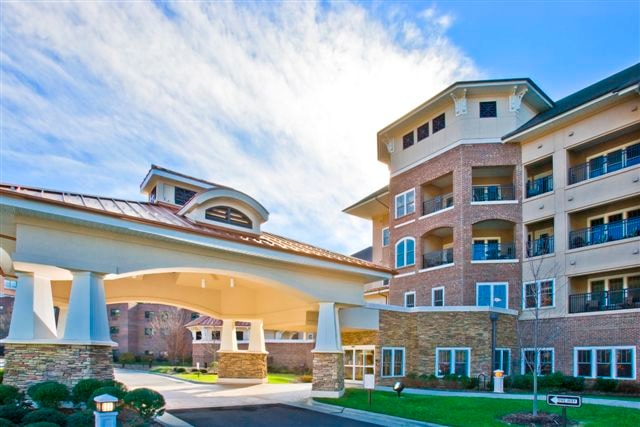
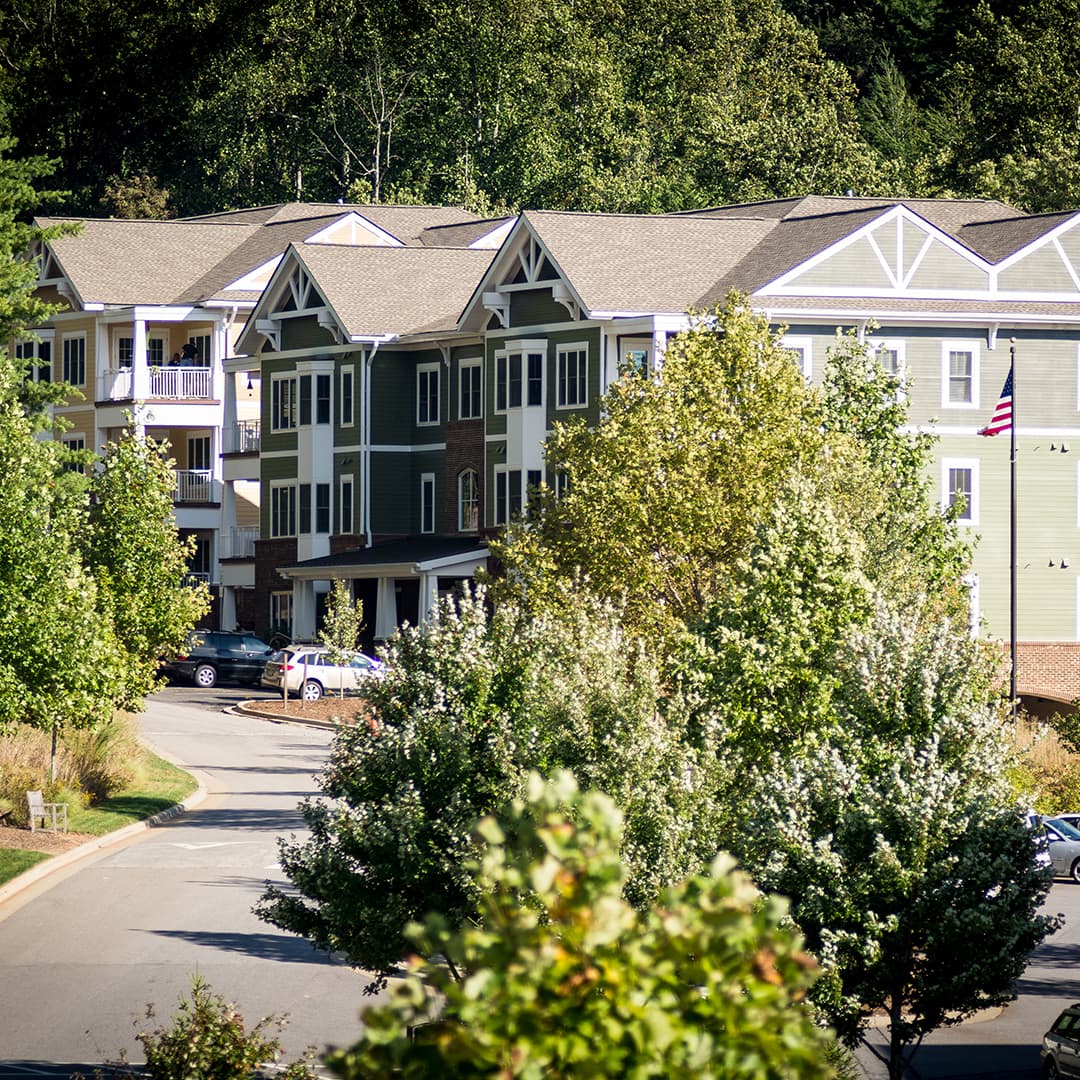
Retirement communities today are not what they were 20 years ago. They’re vibrant, worry-free environments where residents don’t just live—they thrive.
Living Without the “Honey-Do” List
Let’s be honest: the upkeep of a home can be relentless, especially with age. From cleaning gutters to managing yardwork, from replacing a roof to dealing with unexpected plumbing repairs—these chores don’t just eat up time, they chip away at peace of mind.
Retirement communities take that entire burden off the table.
In these communities, there’s no need to worry about scheduling a handyman, climbing a ladder to clear leaves, or figuring out who’s going to mow the lawn during an icy February. Residents enjoy maintenance-free living—period.
And that’s just the beginning.
More Than a Home: A Community
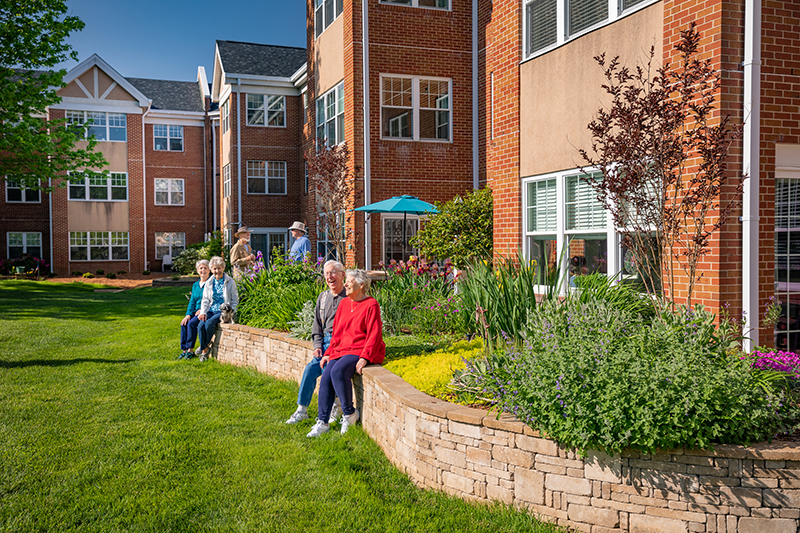
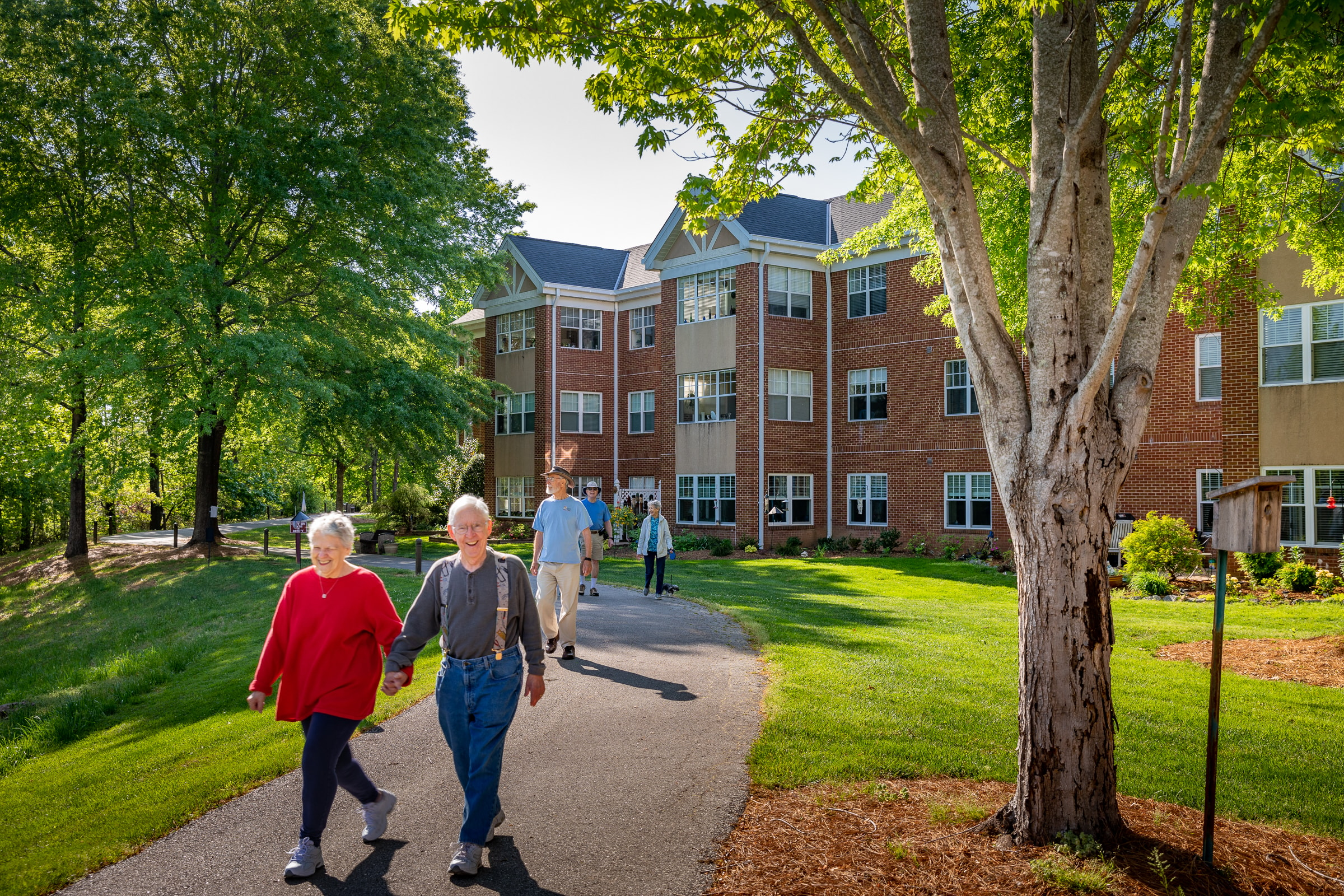
At the heart of these retirement settings is connection. Whether it’s enjoying chef-prepared meals with friends, joining a morning walking group, or participating in classes and events, residents are surrounded by community—not isolation.
And research backs this up.
According to a 2023 study by the AARP, seniors who engage socially on a regular basis have a 45% lower risk of developing cognitive decline and are 30% less likely to suffer from depression than their isolated counterparts. Retirement communities create a natural environment for that kind of engagement.
That’s the biggest myth we hear, and it’s worth challenging.
Yes, at first glance, the price tag of a retirement community can feel daunting. But let’s break it down.
Have you tallied up your monthly:
Grocery bills?
Water and sewer services?
Landscaping and lawn care?
Trash removal?
Homeowners insurance?
Property taxes?
Transportation or car maintenance?
Emergency repairs?
When you truly compare the bottom lines, you may find the costs are surprisingly similar. Especially when you add in the intangible value of safety, security, and daily connection.
A great tool to explore communities and compare amenities is CarolinaLivingChoices.com, which offers a full directory of retirement living options tailored to your lifestyle.
The Rise of the “Solo Agers”
Here’s a growing trend we can’t ignore: the “Solo Ager” or what some refer to as the Single-Flyer Boomer. These are individuals—many of whom are women—who are aging without a partner, spouse, children, or traditional support network.
And their numbers are growing. A Pew Research Center report shows that nearly 1 in 5 adults over 65 are aging alone—without immediate family nearby.
An interesting article by AARP.org states:
“In 1950, just 9 percent of all U.S. adults lived by themselves. Now 1 in 5 Americans ages 50 to 54, about 1 in 3 ages 55 to 74 and half of those age 75-plus are aging on their own, according to U.S. Census data. By 2038, the majority of people age 80 and older — about 10 million — will be solo agers, Harvard University experts estimate.” Source: https://www.aarp.org/family-relationships/solo-aging/
For these individuals, the decision to stay in a single-family home can quickly become dangerous. A slip on an icy porch, a power outage during a winter storm, a fall in the bathroom—without someone around to help, a minor event can turn tragic.
Statistically, the majority of aging adults do not get to choose when they move. Instead, the decision is made for them—by injury, illness, or an emergency event. It’s reactive, not proactive.
Many active adults and retirees don’t proactively plan their next move—instead, that decision is often made for them during a crisis. As I often say, if you don’t take the initiative to make a plan, the plan will be made for you—and it may not reflect your wishes.
Children of Aging Parents: A New Perspective
For adult children caring for aging parents, retirement communities can be life-changing. No more scrambling to pick up prescriptions, worrying about expired groceries, or missing work for a doctor’s appointment.
You get to become a son or daughter again—not a full-time caregiver.
And for the parent? They gain back independence, autonomy, and dignity in a place that’s designed for them to live fully.
Coming Next in Part 2: We’ll dive into the emotional, physical, and mental benefits of retirement community living—including wellness programs, safety stats, and interviews with real residents who’ve made the leap and never looked back.
In the meantime, explore Carolina Living Choices to see what’s possible—and why now may be the perfect time to take that next step.
The desire to maintain independence while aging doesn’t have to mean struggling alone with daily challenges. For many seniors, the choice isn’t simply between complete independence and full-time care—there’s a middle ground that preserves autonomy while providing selective support when needed.
Independent living with a little extra help strikes just the right balance. It gives older adults the freedom and privacy of their own space, with support available for things like meals, housekeeping, or getting around town. It’s no wonder this option is growing in popularity—more and more people want to age comfortably while keeping their independence and sense of control.
Key Takeaways
Independent living with assistance combines autonomy with supportive services like housekeeping, meal preparation, and transportation
Average monthly costs range from $3,700 to $7,200 depending on location and services included
Medicaid benefits do not cover room and board fees but may provide some services through Medicaid waivers
Ideal for seniors who can manage most daily living activities but need help with home maintenance and want social connections
Financial assistance programs, including veterans benefits and low income housing options, can help reduce the financial burden
Independent living with assistance is a great option for adults 55 and older who still enjoy their independence but appreciate having a little help when needed. Unlike traditional independent living, which offers minimal support, or assisted living, which includes daily hands-on care, this in-between choice gives residents the flexibility to tailor their support to fit their lifestyle.
Services in an independent living community often include things like help with meals, light housekeeping, laundry, transportation, medication reminders, and access to 24-hour emergency response. Residents typically live in private apartments or cottages, giving them full freedom and privacy to live on their own terms. While on-site medical care isn’t usually part of the package, many communities partner with outside providers who can visit as needed.
What really sets this senior living option apart is the freedom to choose. Instead of a one-size-fits-all plan, you pick the services you want—when you want them. And as your needs change, you can adjust the support you receive. It’s a flexible and supportive way to enjoy your independence while planning ahead for whatever life brings.
Types of Independent Living with Assistance Options
Apartment-Style Communities
These communities offer residents private apartments with the option to layer on supportive services. Base rent typically ranges from $2,500 to $4,000 monthly, with additional services available à la carte or in packages. Residents maintain their independence while accessing community amenities like fitness centers, libraries, and social activities.
Cottage and Villa Communities
For those preferring more space, cottage or villa communities provide maintenance-free living in individual homes. These housing options often include yard care and exterior maintenance in the base cost, with personal care services available upon request.
Continuing Care Retirement Communities (CCRCs)
Life plan communities offer the most comprehensive approach, providing a continuum from independent living community living through memory care and nursing homes. While requiring substantial entrance fees—often $50,000 to $300,000—they guarantee residents can age in place as their needs change.
HUD Section 202 Housing
For low income seniors, the Department of Housing and Urban Development provides affordable housing with built-in supportive services. These programs serve older adults with very low incomes, typically below 50% of area median income, though waiting lists can be extensive.
Who Benefits from Independent Living with Assistance?
Independent living with assistance is a wonderful fit for older adults who are mostly self-sufficient but find that a few daily tasks have become more difficult or time-consuming. It’s especially helpful for seniors who are doing well overall but could use a little support to make life easier and more enjoyable. On average, residents move in around age 80 and typically stay for two to three years before considering more involved care options, if needed.
This type of living is ideal for those who feel overwhelmed by home upkeep, would rather not cook every day, or are simply looking to downsize to a more manageable and stress-free environment. It’s also a good choice for individuals who might have mild mobility concerns, the occasional memory slip, or who just want the comfort of knowing help is close by—especially with features like emergency call systems and transportation services.
Many couples find these communities especially appealing. If one partner needs a bit more help while the other is still quite independent, this setup allows both to live together comfortably without sacrificing their closeness or routine. The ability to customize services to fit each person’s needs makes it easier for couples to age in place together while enjoying their shared home and lifestyle.
Health and Mobility Considerations
Before choosing independent living with assistance, seniors should honestly assess their current abilities and projected needs. Key considerations include:
Ability to manage personal care tasks like bathing and dressing independently
Medication management needs and frequency of medical appointments
Transportation requirements for shopping, social activities, and healthcare
Current and anticipated mobility challenges
Cognitive health and decision-making capacity
Most communities conduct assessments during the application process and provide regular reviews to ensure services match residents’ evolving needs.
Cost and Payment Options for Independent Living with Assistance
Understanding the costs associated with independent living with assistance helps families plan effectively. Monthly expenses typically range from $3,700 to $7,200, broken down into base rent and service packages.
Base rent generally falls between $2,000 and $5,000 monthly, covering the apartment or cottage, basic utilities, and community amenities. Service packages add $500 to $2,000 monthly, depending on the level of assistance required. Additional costs may include entrance fees, deposits, and charges for extra services.
Independent Living Expenses Breakdown
Base Housing Costs:
Apartment rent: $2,000-$4,000
Cottage/villa rent: $3,000-$5,000
Utilities and maintenance: Often included
Community amenities: Included
Service Package Costs:
Housekeeping (weekly): $200-$400
Meal plans: $300-$800
Laundry services: $100-$300
Transportation: $50-$200
Emergency response: $50-$100
In most cases, residents cover the cost of independent living with assistance using personal funds—like savings, retirement income, Social Security, or proceeds from selling a home. It’s good to know that Medicare doesn’t typically cover room and board, and traditional Medicaid may not apply to these types of living arrangements. Planning ahead and understanding your financial options can help make the transition smoother.
Financial Planning Strategies
Successful financial planning for independent living with assistance requires careful calculation of current income sources against projected costs. Social security retirement benefits, pension payments, and investment income form the foundation for most residents’ budgets.
Families should consider:
Total monthly income from all sources
Current home equity and potential sale proceeds
Long-term care insurance coverage for eligible services
Timing of the move to maximize financial resources
Potential need for family assistance or loans
Working with financial advisors experienced in senior housing can help families navigate complex decisions about spend-down strategies and asset preservation to make the right choices.
Government Programs and Assistance
While most independent living expenses require private payment, several financial assistance programs can help eligible individuals manage costs.
Medicaid Waiver Programs
Although Medicaid doesn’t cover room and board in independent living communities, Home and Community-Based Services (HCBS) Medicaid waivers may pay for specific supportive services. Eligible individuals typically have incomes below $2,523 monthly (roughly 300% of supplemental security income levels) and require assistance with daily activities.
Covered services often include:
Personal care assistance
Homemaker services
Adult day care
Respite care for family caregivers
Transportation to medical appointments
Since each state has its own Medicaid waiver programs with different services and availability, your local Medicaid office is a great place to get clear, personalized information about what’s covered and how to qualify.
Veterans Benefits
The Veterans Administration provides Aid and Attendance benefits for eligible veterans and their spouses who need daily assistance. This program can supplement income by up to $2,200 monthly for couples, though eligibility requirements are strict and focus on medical need and military service history.
HUD and Low Income Programs
The Department of Housing and Urban Development operates several programs for low income seniors, including Section 202 supportive housing and Section 8 housing vouchers. These programs serve older adults with very low incomes but often have extensive waiting lists in high-demand areas.
Local Area Agencies on Aging provide benefits counseling to help seniors identify and apply for all available assistance programs, including state supplements to social security and property tax relief.
Choosing the Right Independent Living with Assistance Community
Choosing the right community is about more than just the price tag—it’s about finding the best fit for your lifestyle. Think about location, too. Being close to family, doctors, shops, and favorite local spots can make everyday life more enjoyable and help you feel more at home in the long run.
Essential Evaluation Criteria
Community Features:
Size and layout of apartments or cottages
Available amenities like fitness centers, libraries, and dining rooms
Outdoor spaces and walking paths
Pet policies and accommodation
Staff and Services:
Staff-to-resident ratios and training requirements
Service flexibility and customization options
Emergency response procedures and medical coordination
Activity programming and opportunities to attend events
Financial Considerations:
Transparent pricing for all services
Refund policies for entrance fees and deposits
Payment plan options and financial assistance availability
Fee increase policies and resident notification procedures
Questions to Ask During Community Visits
When touring potential communities, ask specific questions to understand what life would be like as a resident:
What services are included in the base rent versus additional charges?
How are individual service needs assessed and reviewed over time?
What emergency procedures and call systems are in place?
Can you provide recent state inspection reports and licensing information?
What is the average length of residency and why do people typically leave?
Are there waiting lists for move-in, and what are the requirements?
How do you handle residents whose care needs increase beyond what you provide?
What transportation services are available for medical appointments and other services?
Can married couples remain together if one needs more assistance than the other?
What activities and social programming do you offer, and what participation is expected?
Visiting communities multiple times, including during meals and evening hours, provides a more complete picture of daily life and community atmosphere.
Moving to an independent living community represents a significant life change that benefits from careful planning and emotional preparation. Most families find that starting the process 6-12 months before the intended move date allows sufficient time for research, applications, and practical arrangements.
Plan logistics for selling current home or terminating lease
Notify utility companies and arrange service transfers
1-3 Months Before Moving:
Finalize community selection and sign contracts
Arrange moving services and schedule dates
Transfer medical records and pharmacy prescriptions
Plan layout and design of new living space
Emotional Preparation
It’s completely normal to feel a mix of emotions when making this kind of life change. For many older adults and their families, leaving a long-time home can bring up feelings of grief, anxiety about starting fresh, and worries about staying independent and in control.
Bringing family into the planning process can really help ease those emotions. It’s a chance to offer support while still honoring the senior’s choices and preferences. Focusing on the positives—like meeting new friends, having fewer home maintenance chores, and gaining access to fun activities and easy transportation—can help everyone see this move as an exciting new chapter.
Many senior communities also offer support groups for both residents and their families, which can be a big help during the adjustment period. Talking with others who are going through similar experiences makes the transition feel more manageable—and a lot less lonely.
Frequently Asked Questions
How is independent living with assistance different from assisted living? Independent living with assistance provides optional, customizable services to residents who remain largely self-sufficient, while assisted living offers more comprehensive daily care assistance and typically includes on-site medical staff.
What happens if my care needs increase while living in an independent community? Most communities regularly reassess residents and can help arrange additional services through outside agencies or facilitate transitions to assisted living facilities when necessary.
Can I bring my pet to an independent living facility? Pet policies vary by community, with many allowing small pets if residents can care for them independently. Some communities provide pet care services for an additional fee.
How do I know if I’m eligible for government assistance programs? Eligibility depends on income, assets, military service history, and medical needs. Local benefits counselors through Area Agencies on Aging can provide personalized assessments and application assistance.
What should I do if I can’t afford the monthly fees? Explore all available assistance programs, consider less expensive housing options in different geographic areas, investigate payment plans offered by communities, or discuss family financial support arrangements.
How do I evaluate the quality of care and services in different communities? Review state licensing and inspection reports, speak with current residents and their families, check staff turnover rates, and observe daily operations during multiple visits at different times.
Can married couples with different care needs live together in these communities? Most retirement communities accommodate couples with varying needs through flexible service plans, though eventually one or both partners may need to transition to higher levels of care.
What happens to my deposit or entrance fee if I need to move out? Refund policies vary significantly between communities and should be clearly outlined in contracts. Some offer partial refunds based on length of stay, while others may not refund entrance fees under certain circumstances.
Choosing the right independent living with assistance community means finding a good fit for your lifestyle, care needs, and budget. Taking the time to explore your options, ask thoughtful questions, and plan ahead can really pay off—helping you or your loved one feel confident in the decision. It’s all about striking a balance between independence, support, and the chance to stay socially connected.
The goal is to find a place that feels like home—where quality of life is front and center, and dignity and choice are always respected. With so many great senior living options out there today, most families can find a community that suits their needs and feels just right for this exciting next chapter.
A continuing care retirement community (CCRC) offers an all-in-one solution for your evolving healthcare needs in retirement. With options ranging from independent living to skilled nursing care, CCRCs ensure you can stay in the same community as your needs change. This article dives into the key benefits of CCRCs, how they operate, and why they are becoming a popular choice for many retirees.
Key Takeaways
Continuing Care Retirement Communities (CCRCs) provide a continuum of care options, allowing residents to age in place and access necessary medical assistance seamlessly as their needs evolve.
CCRC contracts vary significantly, including Extensive Life Care Contracts for predictable costs, Modified Contracts with limited coverage, and Fee-for-Service Contracts which can lead to higher overall expenses.
Prospective residents should thoroughly evaluate the financial commitment, community atmosphere, and available services before selecting a CCRC to ensure it aligns with their needs and lifestyle preferences.
What Is a Continuing Care Retirement Community?
Discover the Benefits of Continuing Care Retirement Communities (CCRCs)
As retirement needs evolve, Continuing Care Retirement Communities (CCRCs) offer a smart, all-in-one solution designed for peace of mind and long-term comfort. These communities provide a full spectrum of care-from independent living and assisted living to skilled nursing and memory support-all within the same community. That means as your health needs change, you won’t have to uproot your life or leave a place you love.
In Western North Carolina, several outstanding CCRCs are helping retirees enjoy vibrant, secure lifestyles:
Givens Estates in Asheville, NC: Nestled on a beautifully wooded campus, Givens Estates offers a dynamic mix of wellness programs, cultural activities, and on-site healthcare services-making it a top choice for retirees seeking both independence and future peace of mind.
Givens Highland Farms in Black Mountain, NC: Just east of Asheville, this close-knit community blends small-town charm with comprehensive care, allowing residents to age in place with grace and support.
Pisgah Valley Retirement Community in Candler, NC: Surrounded by the beauty of the Blue Ridge Mountains, Pisgah Valley offers a full continuum of care along with a vibrant social calendar and wellness-focused living.
Deerfield Episcopal Retirement Community in Asheville, NC: With a strong emphasis on spiritual wellness, lifelong learning, and compassionate care, Deerfield delivers a holistic approach to aging in a serene, thoughtfully planned setting.
Abernethy Laurels located in Newton, NC Abernethy Laurels is located on a gentle rolling 120-acre site nestled in the foothills of the Blue Ridge Mountains. We combine casual, comfortable, independent housing with convenient full-service accommodations on a fee-for-service basis. The conveniences of Charlotte, Asheville and Hickory offer a very appealing destination for retirement living.
These communities typically offer:
Independent living
Assisted living
Memory care
Skilled nursing care
All within the same place campus, providing a seamless transition through different levels of care.
One of the standout features of CCRCs is their ability to provide stability and comprehensive services to residents. Older adults can live independently for as long as possible, and access higher-level care like skilled nursing and memory care without leaving the community when their medical needs change. Designed with all stages of aging in mind, this integrated support system allows residents to live their best lives with peace of mind.
Families also gain significant peace of mind knowing that their loved ones have access to necessary support and medical assistance around the clock. Most communities offer a one-stop-shop living environment with various housing options like single-family homes or townhomes alongside nursing facilities. This arrangement ensures residents don’t have to worry about their living arrangements as their needs evolve, making CCRCs a compelling option for retirement living.
How CCRCs Work
Also known as life plan communities, CCRCs are meticulously structured to cater to the evolving needs of their residents. They offer independent living, assisted living, skilled nursing care, and memory care, all within the same location. This setup ensures that as a resident’s health needs change, they can smoothly transition from one level of care to another without the disruption of moving to a different facility.
A chief advantage of CCRCs is their continuity of care. Residents start their journey in independent living, where they can enjoy a vibrant, self-sufficient lifestyle. As their health needs evolve, they can transition to assisted living or skilled nursing care seamlessly within the same community. This not only ensures a familiar environment but also continuity in the quality of care and social connections.
The operational structure of CCRCs provides comprehensive support, allowing for a smooth transition between different levels of care. This continuity is crucial for maintaining quality of life and ensuring that changing health needs are met in a supportive and familiar environment.
This arrangement offers peace of mind to both residents and their families, knowing all necessary health and human services and health care services are available under one roof, provided by specially trained staff.
Types of CCRC Contracts
Understanding the different basic types of contracts is crucial when considering a move to a continuing care retirement community. CCRCs offer various contract options that outline the financial commitments and care services provided. The primary types include Extensive Life Care Contracts, Modified Contracts, and Fee-for-Service Contracts, each catering to different needs and preferences.
The Extensive Life Care Contract is among the most comprehensive options available. It guarantees residents access to various levels of care for life while maintaining stable monthly fees, regardless of increased care needs. This contract type is ideal for those looking for predictability in their financial planning and assurance that their care needs will be met without additional costs.
Modified Contracts provide coverage for skilled nursing facility services for a specific period, typically at least 60 days. During this time, only a portion of the resident’s monthly fee remains stable despite increased care needs. After the covered period, additional care costs are incurred.
Lastly, the fee for service contract does not include long-term care benefits, meaning residents pay for medical expenses as they incur them, which can lead to higher medical costs if extensive medical care is needed. This option usually has lower upfront service fees but can result in an additional cost if extensive medical care is needed.
Entrance Fees and Monthly Fees
A significant consideration when evaluating a CCRC is the cost structure, which typically includes an upfront entrance fee and ongoing monthly fees. Entrance fees are a substantial initial financial commitment that guarantees housing and access to medical services for a lifetime. These fees can vary widely, from as low as $40,000 to over $2 million, depending on the community and the level of services included.
The average entrance fee for CCRCs generally falls around $300,000, with more inclusive communities ranging from $150,000 to over $1 million. Monthly fees, which cover essential services such as maintenance, dining, and healthcare, typically range from $2,500 to $5,000. It’s important to clarify what these fees cover, as additional charges may apply for certain services like assisted living or healthcare.
Residents should inquire about expected annual increases in monthly fees and the monthly service fee, which typically range from 3 to 4 percent, as financial stability is key. It’s important to understand the procedures if a resident exhausts their financial resources, as policies can vary among CCRCs.
Prospective residents are advised to seek the guidance of a financial advisor to navigate these costs effectively and ensure a secure investment.
Services and Amenities
Continuing care retirement communities provide a wide range of residential services and amenities designed to enhance the quality of life for their residents. These services often include housekeeping, laundry, and transportation, which support daily living and allow residents to focus on enjoying their retirement.
Healthcare services, featuring on-site medical professionals and wellness programs tailored to residents’ needs, are a cornerstone of CCRCs. Many communities also boast fitness facilities and organized fitness classes to promote physical health. Social events and recreational activities are regularly scheduled to foster community engagement and reduce isolation, making CCRCs vibrant places to live. Additionally, health related services enhance the overall well-being of residents.
Living in a CCRC offers an all-inclusive lifestyle with provided meals, maintenance, and security, creating a hassle-free environment. This service model ensures residents have access to all necessary support systems within one location. The presence of a built-in social network and a health care support system offers peace of mind to both residents and their families, knowing that their medical and personal care needs are well taken care of.
Pros and Cons of CCRCs
Continuing care retirement communities provide an array of benefits, including housing and medical care under one roof, ensuring that multiple needs are addressed simultaneously. As the population ages, the demand for retirement housing with comprehensive care options is increasing, making CCRCs a popular choice.
However, adjusting to a CCRC can be challenging for some seniors as it requires adapting to a new environment and lifestyle. Additionally, the financial commitment can be significant, with high entrance and ongoing fees. It’s important for prospective residents to consider these factors and evaluate their personal needs and circumstances carefully.
Weighing the advantages and potential drawbacks helps seniors and their families make informed choices about CCRCs. The stability, comprehensive care, and peace of mind provided by CCRCs make them an attractive option for many, but it’s crucial to consider all aspects before making a decision.
Alternatives to CCRCs
While continuing care retirement communities offer a comprehensive solution for senior living, they are not the only option available. Various alternatives can also provide suitable living and care arrangements for older adults.
Assisted living communities, for instance, offer support with daily activities and personal care in a residential setting. Independent living communities cater to seniors who are mostly self-sufficient but seek a community environment. Home care services allow seniors to remain in their own homes while living independently and receiving the necessary support and medical care.
Each alternative offers its own benefits and may be more suitable depending on individual needs and preferences. Evaluating these options alongside CCRCs can help families and seniors make the best choice for their specific situation.
What to Look for When Choosing a CCRC
Choosing the right CCRC involves careful consideration of several factors. Prospective residents should gather financial information from the CCRC to ensure the stability of their investment and understand the fee structures.
In-person visits to CCRCs are highly recommended to gauge the community’s environment, staff members’ interactions, and daily activities. It’s also beneficial to inquire about staff training, their approach to personal care, and the availability of emergency response systems.
Engaging with current residents living and their families provides honest perspectives on the quality of life and care within the community. When a prospective resident decides to review housing options, floor plans, and available healthcare services at various levels of care, it is essential for making an informed decision.
Understanding CCRC Contracts
Thoroughly reviewing CCRC contracts before signing ensures clarity on terms and conditions. The residency agreement outlines financial commitments and care services provided, making it essential to understand every detail.
In fee-for-service CCRCs, long-term care services are billed on a per diem basis, which can lead to higher costs if extensive care is needed. Modified contracts typically cover skilled nursing services for a specific period, after which residents pay a market or per diem rate for additional care days.
Asking basic contract questions and understanding different contract options helps prospective residents choose the best financial and care arrangement for their needs.
Finding a CCRC Near You
Finding the right CCRC involves using available resources effectively. Online directories and comparison tools can simplify the process by showcasing the amenities and services of different CCRCs. Professional senior living advisors can also assist in locating CCRCs that align with specific health and lifestyle needs.
Considering factors like location, amenities, and financial options is vital for making an informed decision. Evaluating and comparing different CCRCs based on these criteria can help families and seniors find the best community that meets their specific needs and preferences.
Summary
Recap the key points covered in the post, emphasizing the benefits of CCRCs, the different types of contracts, costs, services, and tips for choosing the right community. Encourage readers to consider CCRCs as a viable option for retirement living and use the provided information to make informed decisions.
Frequently Asked Questions
What are the main benefits of living in a CCRC?
Living in a Continuing Care Retirement Community (CCRC) offers the primary benefit of a continuum of care, enabling residents to age in place while receiving comprehensive services. This arrangement fosters stability and provides peace of mind for both residents and their families.
How much do entrance and monthly fees cost in a CCRC?
Entrance fees for a Continuing Care Retirement Community (CCRC) can vary significantly, typically ranging from $40,000 to over $2 million, while monthly fees generally fall between $2,500 and $5,000, including housing and healthcare services.
What types of contracts do CCRCs offer?
CCRCs offer Extensive Life Care Contracts, Modified Contracts, and Fee-for-Service Contracts, catering to varying levels of care and financial commitments based on residents’ needs. Selecting the appropriate contract is crucial for ensuring long-term security and care.
What should I look for when choosing a CCRC?
When selecting a Continuing Care Retirement Community (CCRC), prioritize financial stability, staff qualifications, healthcare services, housing options, and conduct in-person visits to evaluate the community environment. This comprehensive approach ensures you choose a facility that meets your long-term needs effectively.
Are there alternatives to CCRCs?
Yes, alternatives to CCRCs include assisted living communities, independent living options, and home care services, which provide varying levels of support to meet individual needs.
A retirement home is a great option for older adults who want a safe, social, and low-maintenance lifestyle. These communities are designed with seniors in mind, offering helpful services and plenty of social activities. In this article, we’ll break down what a retirement home is, explore the different types, and share tips on how to find the one that’s right for you.
What You Need To Know
Retirement homes provide a supportive, social environment for seniors, with various options like independent living and assisted living to meet different needs.
Choosing the right retirement community involves evaluating factors like costs, location, and available services to ensure it aligns with one’s lifestyle and care requirements.
Living in retirement homes promotes well-being through engaging activities, social connections, and a maintenance-free lifestyle, debunking myths that they are only for those needing constant care.
A retirement home is a residential community tailored for older adults, typically those aged 65 and above, who seek a comfortable lifestyle with access to assistance and social activities. These communities are designed to cater to active seniors who desire a social environment and may require minimal help with daily tasks such as meal preparation and medical services.
Retirement homes are inclusive, welcoming seniors of all genders and backgrounds, and providing a space where diverse groups of older adults can thrive together. Social activities are a cornerstone of these communities, fostering a sense of belonging and camaraderie among residents. Whether it’s group outings, game nights, or fitness classes that encourage movement, there’s always something happening to keep everyone engaged.
Safety and security are top priorities in retirement homes, ensuring that residents feel secure within their community. Many of these homes also offer health and wellness programs to promote physical fitness and overall well-being, alongside personalized care plans such as therapy and nursing care to meet individual needs. Despite common misconceptions, many affordable options are available, making retirement homes accessible to a broader demographic.
This variety ensures that seniors can find a senior living community that suits their lifestyle and care requirements.
Retirement homes come in all shapes and sizes, each offering different levels of support and amenities. From active, independent living to more specialized care for memory-related needs, there’s something for everyone. Understanding these options is key to choosing the community that will best support you or your loved one in the years ahead.
Independent Living Communities
Independent living communities are perfect for healthy, active seniors who seek a vibrant, maintenance-free lifestyle. These senior living communities allow independent living residents to live independently in private apartments or houses while enjoying various services such as housekeeping, lawn care, and transportation.
Life in an independent living community is anything but boring! Most residents enjoy a full, active lifestyle focused on well-being, with plenty of opportunities for socializing, exploring new interests, and staying engaged. Whether it’s joining a word game group, trying out a new hobby, or simply enjoying a walk through green spaces, there’s always something to do. Many communities offer great amenities like fitness centers, dining rooms, and relaxing outdoor areas—all designed to support both daily living and a vibrant, connected lifestyle.
The key appeal of independent living is the blend of autonomy with the convenience of available support when needed. This setup enables seniors to enjoy their retirement years without the burdens of home maintenance, creating a carefree and engaging environment.
Assisted Living Communities
Assisted living communities are a great option for older adults who need a little help with daily tasks but still want to stay as independent as possible. They offer long-term care like meals, medication management, and 24/7 staff support—all designed to make life easier and more enjoyable for residents.
Personalized personal care services plans ensure that each resident receives the appropriate level of assistance, from help with dressing and bathing to managing medications. This personalized approach promotes safety and well-being, allowing residents to enjoy their day-to-day activities with peace of mind.
The supportive environment in assisted living communities fosters a sense of security and community. With various social activities and amenities, residents can maintain an active lifestyle while receiving the care they need.
Memory Care Facilities
Memory care facilities are specialized environments designed to support individuals with cognitive impairments, such as Alzheimer’s and other forms of dementia. These facilities provide a structured, secure setting that caters specifically to the unique needs of residents experiencing memory loss.
The focus in memory care is on creating a safe and supportive atmosphere, with staff trained to handle the complexities of cognitive decline. Activities and care plans are tailored to promote cognitive function and ensure that residents feel comfortable and engaged.
Continuing Care Retirement Communities (CCRCs) offer a comprehensive medical care solution for seniors as they age. These communities support various levels of care, from independent living to assisted living, to skilled nursing, all within the same campus. This setup allows residents to transition smoothly as their care needs evolve.
In CCRCs, residents can move between different care levels without having to relocate, making it a convenient and reassuring option for many seniors. Housing and care services are typically organized on different floors or in adjacent buildings, ensuring easy access to the needed support.
The blend of independent living, assisted living, and nursing home care in one community ensures that seniors receive the appropriate care at each stage of their retirement journey, providing peace of mind for both residents and their families.
Choosing the right retirement community requires careful consideration of several factors. Costs can vary widely based on location and the services provided, so it’s essential to evaluate your budget and financial options.
Consider the climate and convenience of nearby services when selecting a location. Proximity to medical care services and specialized care options should also be a priority, as these can significantly impact the quality of life and ease of access to necessary treatments.
A checklist of essential and desirable features can aid decision-making. Involving family in discussions and visiting potential communities can provide valuable insights, helping ensure the chosen community feels like home.
Living in a retirement home offers numerous benefits that contribute to a higher quality of life. Engaging activities and social events combat loneliness and depression, promoting mental and emotional well-being. Residents in independent living communities enjoy access to fitness centers, salons, dining options, and green spaces, all of which promote a healthy, active lifestyle.
The maintenance-free lifestyle reduces stress and allows residents to focus on enjoying their hobbies and interests. The sense of community in these homes fosters connections and friendships, creating a supportive environment where residents can thrive. These benefits are pivotal in ensuring a fulfilling and enjoyable retirement.
One common myth about retirement communities is that they are only for people who are sick or need constant supervision. In reality, many residents are active seniors who value the social opportunities and convenience these communities offer.
Retirement communities are designed to support independence while providing varying levels of care and assistance as needed, ensuring that residents can live life to the fullest during their retirement years.
Transitioning to a retirement home can be a smooth process with a bit of planning and organization. Visualizing the layout of the new home can help in making effective decisions about what furniture and belongings to bring.
Using the one-year rule can simplify the decision-making process by evaluating if items have been used in the past year. Digital storage solutions can also reduce physical clutter by allowing important documents and memories to be kept electronically.
Balancing emotional attachment with practical usage is key in making final decisions about what to keep and what to let go of. This thoughtful approach can make the transition easier and more enjoyable.
Summary
Understanding the various types of retirement homes and the benefits they offer is crucial in making an informed decision for you or your loved ones. Each type of senior living community provides unique advantages, from the autonomy of independent living to the comprehensive care in CCRCs.
By considering personal needs, preferences, and the provided services, you can select a community that will enhance your quality of life during your retirement years. Remember, the right retirement home is not just a place to live—it’s a place to thrive.
A retirement home is a place where older adults, usually 65 and over, can live comfortably while receiving assistance and enjoying social activities. It’s all about creating a supportive community for a fulfilling lifestyle.
You’ll find different options like independent living communities, assisted living communities, memory care facilities, and continuing care retirement communities (CCRCs). Each type has its unique focus, so it’s worth exploring which one fits your needs best!
Choosing the right retirement community comes down to a few key things—cost, location, healthcare services, and of course, your personal preferences. It helps to make a checklist of what matters most to you and visit a few communities to see which one feels like home. A resource like the Carolina Living Choices website can be a great starting point, offering listings and insights to help you narrow down your options and find the right fit.
Living in a retirement home offers engaging activities and a supportive community, making life enjoyable and less stressful. Plus, you get to enjoy a maintenance-free lifestyle that leads to better health outcomes.
Are retirement homes only for people who need constant supervision?
Not at all! Retirement homes cater to active seniors looking for social engagement and a convenient lifestyle, with options for care as needed, rather than just constant supervision.
Resilience, Friendship, and Celebration: The Spirit of Mars Hill Manor
Hurricane Helene may have caused a 4-day power outage at Mars Hill Manor, but our community never lost its spark. Throughout the storm, something truly special happened: the residents came together, forming even deeper bonds as they weathered the challenge side by side.
Although we were without electricity, we were fortunate to have running water, which kept things comfortable. But more importantly, it was the calm and positive spirit of our residents that truly stood out. Each floor saw neighbors connecting, sharing stories, and supporting one another-building friendships that will last long after the storm passed.
Our Marketing Director, Brooke Muller, beautifully captured the essence of this time. She said, “I fell in love with our residents all over again.” Inspired by their resilience and camaraderie, she created a “Wall of Celebration” within the community. This space is dedicated to highlighting the big and small positive moments in our residents’ lives. From birthdays to personal achievements, the wall has become a beloved centerpiece, and the residents look forward to seeing new stories of encouragement and joy.
At Mars Hill Manor, we are more than just a retirement community; we are a family. The Hurricane Helene experience reinforced just how strong, compassionate, and connected our community truly is. Every challenge is an opportunity for growth, and here at Mars Hill, we continue to grow closer together-celebrating every step of the way.
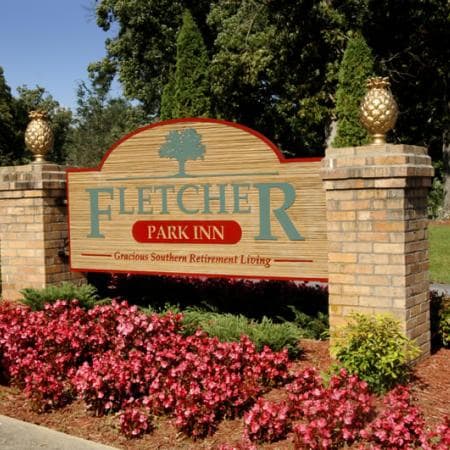
Fletcher Park Inn: A Community That Cares, Even In The Storm
Community Spotlight: We recently spoke with Lisa Metcalf, Director of Fletcher Park Inn in the aftermath of Hurricane Helene. This is her story:
When Hurricane Helene swept through, Fletcher Park Inn Retirement Community became more than just a safe haven for its residents-it turned into a hub of support, compassion, and resilience. While we were fortunate to avoid the worst of the storm, the way our community came together is something we will never forget.
In collaboration with Advent Hospital, we opened the doors to our vacant villas, providing a comfortable place for cardiologists to stay while they continued their life-saving work at the hospital. This not only gave these healthcare heroes much-needed peace of mind but also strengthened the partnership between Fletcher Park Inn and Advent Hospital during a time of need.
However, the true highlight of this story is the heartwarming response from our residents. Without prompting, they took it upon themselves to ensure that everyone within the community felt cared for and connected. Some organized meal deliveries, going door to door with hot meals, while others offered companionship with daily visits, making sure no one felt alone during the storm.
These resident-driven actions are a testament to the strong bonds and deep sense of responsibility our residents feel toward one another. It’s this very spirit that makes Fletcher Park Inn more than just a place to live-it’s a true community, where we care for each other as family, no matter the circumstances.
As we reflect on these moments of kindness and unity, we are proud to say that Fletcher Park Inn is not just a retirement community, but a shining example of what it means to come together in times of adversity.
Interested in learning more about the supportive and vibrant community at Fletcher Park Inn? Contact us today to find out how you can become part of this incredible family.
Retirement marks a significant transition in life, often accompanied by a change in living arrangements. As you embark on this new chapter, the decision regarding where to live becomes a pivotal point. The myriad of retirement housing options can be overwhelming, but understanding the different types and assessing your needs can simplify this process and lead you to a place you’ll be happy to call home. Let’s explore the diverse range of retirement housing types and factors to consider when making this important choice.
Independent Living Communities
For those seeking an active lifestyle and autonomy in a community setting, independent living communities are an excellent choice. These communities offer various housing options, from apartments to cottages, and often include amenities like fitness centers, social activities, and dining facilities. Seniors can enjoy a vibrant social life while having the freedom to maintain their independence.
Assisted Living Facilities
Assisted living facilities provide a higher level of care than independent living communities. They are suitable for individuals who need help with daily activities such as bathing, dressing, or medication management. These facilities offer 24-hour support staff, personalized care plans, and a range of services designed to promote independence while ensuring assistance is readily available.
Memory Care Facilities
For seniors dealing with Alzheimer’s or other forms of dementia, memory care facilities specialize in providing a safe and supportive environment. These facilities have trained staff, specialized programs, and secure settings to cater to the unique needs of residents with memory-related conditions.
Continuing Care Retirement Communities (CCRCs)
CCRCs offer a continuum of care, allowing residents to transition smoothly as their needs change. These communities typically include independent living, assisted living, and skilled nursing care on the same campus. This setup enables seniors to age in place, knowing that if their care needs evolve, they won’t have to move to a different facility.
Skilled Nursing Facilities
For individuals requiring extensive medical care and supervision, skilled nursing facilities are equipped with medical professionals to provide round-the-clock care. These facilities cater to seniors with complex health conditions or those recovering from surgery or illness.
Factors to Consider
When choosing a retirement housing type, several factors should guide your decision-making process:
Healthcare Needs: Assess your current and potential future health requirements to determine the level of care necessary.
Lifestyle Preferences: Consider the amenities, social activities, and community atmosphere that align with your interests and lifestyle.
Location: Think about proximity to family, healthcare services, and amenities like shopping centers or recreational facilities.
Costs and Financial Planning: Understand the fees associated with different housing options and ensure they fit within your budget. Consider long-term financial planning to cover potential future care needs.
Residence Size and Features: Evaluate the size, layout, and accessibility features of the residence to ensure it meets your preferences and any mobility considerations.
Conclusion
Choosing a retirement housing type involves careful consideration of various factors to ensure a smooth transition into this next phase of life. It’s essential to explore different options, visit facilities, and engage in conversations with staff and residents to gain a comprehensive understanding of each setting. Ultimately, the goal is to find a place that not only meets your current needs but also supports your well-being and happiness in the years to come. By taking the time to research and weigh your options, you can confidently select a retirement housing type that fits your lifestyle, preferences, and future aspirations.