
Tag: Buncombe County NC

  • Aging at Home Without Crisis: Why Small Steps Make the Biggest Difference with Daniel Pickus

    Aging at Home Without Crisis: Why Small Steps Make the Biggest Difference with Daniel Pickus

    Key Takeaways

    • How to evaluate home safety
    • Common caregiver mistakes
    • Local Asheville senior resources
    • Professionals every family should consult
    • Emergency planning checklist

    “If you make just one decision today, that’s one less decision you’ll have to make during a crisis.”

     In a recent conversation with Daniel Pickus of Senior Helpers of Asheville, NC, this simple but powerful reminder highlights the importance of planning early—before a fall or hospitalization—to reduce stress and support better long-term decisions.

    Aging in Place Starts with Small Steps: How to Stay Safe and Independent at Home

    Introduction

    For many families in Western North Carolina, including Asheville and Hendersonville, the goal is clear: remain at home safely and independently for as long as possible. Aging in place is achievable, but it requires thoughtful planning, awareness, and the right support systems. In a recent Ask the Expert conversation, Daniel Pickus of Senior Helpers of Asheville shared practical guidance to help families take those first steps with confidence.

    Start with Daily Routines and Home Safety

    The first step in senior planning is surprisingly simple—take an honest look at daily routines and the home environment. Most people don’t need major renovations, but small changes can significantly improve safety.

    Think about everyday activities like bathing, cooking, taking medications, and moving through the home. Are there risks? Could better lighting prevent a fall? Would adding a second handrail make stairs easier to navigate?

    Even minor home modifications can support aging in place while maintaining independence.

    Why Waiting Too Long Creates Bigger Problems

    One of the most common mistakes families make is waiting for a crisis. A fall, hospitalization, or caregiver burnout often forces quick decisions under pressure.

    Without a plan, options become limited. Families may feel overwhelmed trying to coordinate care, rehabilitation, and home support all at once. Creating a care plan early allows for thoughtful decisions instead of reactive ones.

    As Daniel Pickus emphasized, putting even one piece of a plan in place today can ease the burden later and help families avoid unnecessary stress.
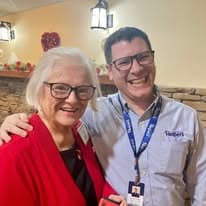
    Senior Helpers with Elderly Woman

    Build a Support Team Before You Need It

    Aging in place is not a solo journey. It requires a team of professionals and community support. Consider connecting with:

    • A home care agency that understands both health needs and home safety
    • An occupational therapist to evaluate mobility and home layout
    • A primary care provider to manage health conditions and medications
    • Care coordinators or geriatric care managers for long-term planning

    One simple but critical step is maintaining an up-to-date medication list. This ensures accurate care during doctor visits or emergencies.

    The Value of a Home Assessment

    When planning for care for a loved one, it can feel overwhelming, stressful, and even confusing to understand what type of support is truly needed. Families often ask: Where do we start? Who should be involved? And what level of care makes sense right now?

    In the conversation, Betsy O’Leary, Publisher and CAPS asked about how families can get clarity early, and Daniel explained that it doesn’t have to be complicated. Senior Helpers offers a unique approach through their Senior Helpers LIFE Profile (Life, Independence, Function, Evaluation) Assessment.

    “We wanted to make this easier for families,” Daniel shared. “

    The LIFE Profile is a data-driven assessment that gives a full picture of what’s really going on—looking at safety, independence, and overall quality of life.”

    Unlike a basic walkthrough, this assessment provides a holistic view of the risks and factors that influence whether someone can continue aging in place safely in their home. It evaluates everything from mobility and fall risks to daily routines and social engagement.

    Betsy noted how helpful that can be for families trying to avoid crisis situations. Instead of guessing or reacting after a fall, this type of care coordination offers a clear starting point and actionable insights.

    The result is not just information—but a practical roadmap. Families walk away with a better understanding of current needs, future risks, and what steps can be taken now to support independence.
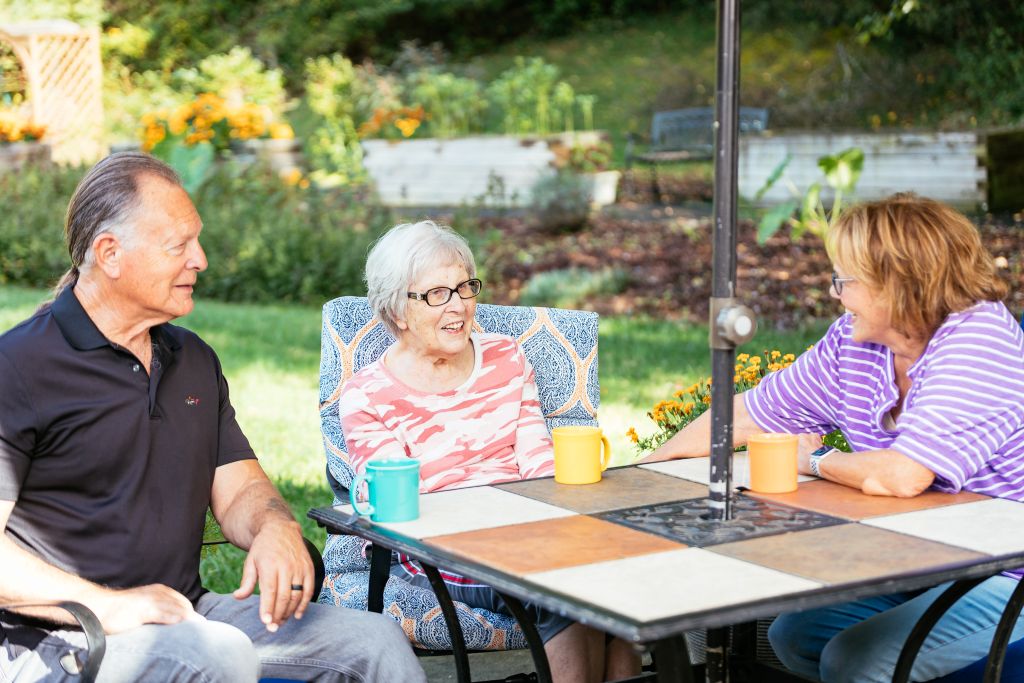
    Three people having a drink at a patio table at Heather Glen at Ardenwoods

    Recognizing Early Warning Signs

    Subtle changes at home can signal that additional support is needed. These signs are easy to miss but important to address early.

    Look for:

    • Unfinished laundry or a decline in housekeeping
    • Expired food or cluttered kitchen spaces
    • Changes in sleeping habits, such as avoiding the bedroom
    • Difficulty keeping up with daily routines
    • Concerns about driving, including getting lost or confused

    These are often early indicators that it’s time to explore senior resources or in-home care options.

    Balancing Independence and Safety

    One of the biggest challenges for families is balancing a parent’s desire for independence with the need for safety. This can create tension, especially as roles begin to shift.

    Approaching the conversation with empathy is key. Framing support as a way to maintain independence—not take it away—can help ease resistance.

    Introducing care as companionship rather than supervision is often a helpful way to begin.

    Companionship Matters More Than You Think

    Social connection plays a major role in healthy aging. Isolation can lead to both physical and emotional decline.

    In-home care often begins with companionship—someone to help with errands, light housekeeping, or simply provide conversation. These small interactions can greatly improve quality of life and reduce loneliness.

    Start Early and Take Small Steps

    Aging in place can feel overwhelming, but it doesn’t have to be. Start with small, manageable steps:

    • Schedule a home safety assessment
    • Update medical and medication information
    • Research local senior resources in Asheville and Hendersonville
    • Begin conversations with family members

    Each step reduces future stress and builds a stronger plan for long-term care and retirement living.

    Final Thoughts

    Aging in place is not about doing everything at once—it’s about doing something now. With the right planning, resources, and support, families can create a safer and more confident path forward.

    Even one small decision today can make tomorrow significantly easier.

  • Planning Ahead to Age in Place: Practical Guidance for Families in Western North Carolina

    Planning Ahead to Age in Place: Practical Guidance for Families in Western North Carolina

    Aging in place is the goal for many families across Western North Carolina, including Asheville and Hendersonville. But staying safely at home requires more than good intentions—it takes planning, honest assessment, and the right support system.

    In a recent Ask the Expert conversation,Edward Jones, a Family Caregiver Specialist from the Area Agency on Aging shared practical steps families can take now to prepare for the future.

    Start with a Home Safety Reality Check

    One of the most overlooked steps in senior planning is evaluating whether a home is truly safe and accessible. Many people don’t realize how challenging their space can be until mobility becomes limited.

    A helpful strategy is to simulate a temporary disability. Try navigating your home using a walker, crutches, or even one-handed movement. This reveals barriers like narrow doorways, tight bathrooms, or slippery surfaces.

    Bathrooms are especially critical. Ask yourself:

    • Can you safely step in and out of the shower?
    • Are there grab bars?
    • Is there enough room for a caregiver to assist if needed?

    These questions are essential for fall prevention and long-term home safety.

    Common Mistakes Families Make

    One of the biggest challenges in caregiving is waiting too long to ask for help. Many families try to manage everything on their own until they reach a crisis point. By then, decisions feel rushed and overwhelming.

    Another common issue is isolation. People often relocate to beautiful mountain areas for retirement but end up far from family and support systems. Without a community, aging in place becomes much harder.

    Delaying home modifications is also risky. Installing grab bars, widening doorways, or improving lighting is much easier—and more affordable—before it becomes urgent.

    Build Your Professional Support Team

    A strong plan for aging in place includes guidance from trusted professionals. Consider connecting with:

    • A financial advisor to understand the costs of long-term care and available resources.
    • An elder law attorney to ensure wills, advance directives, and legal documents are up to date.
    • An aging life care manager who can help coordinate care and provide expert guidance as needs change.
    • A veteran service officer for those who may qualify for valuable benefits.

    These professionals help families make informed decisions and avoid costly mistakes.

    Understanding Local Senior Resources

    Western North Carolina offers a wide range of senior resources that support both older adults and caregivers. Many programs are designed to help individuals remain independent while reducing caregiver stress.

    Services may include respite care vouchers, which provide short-term relief for caregivers, as well as home visits to assess safety and needs. There are also programs focused on fall prevention, chronic disease management, and caregiving support.

    Two men and a woman holding balls while enjoying the outdoors

    Volunteer-based programs, such as senior companions and intergenerational initiatives, help reduce isolation and build meaningful connections within the community.

    The Importance of Community and Connection

    Isolation is one of the biggest threats to successful aging in place. Building relationships early—through volunteering, community groups, or local organizations—creates a support network that becomes invaluable later.

    Volunteering not only helps others but also provides purpose, structure, and social connection. Whether it’s mentoring children, assisting at a food bank, or participating in a senior center, these activities strengthen both individual well-being and community resilience.

    When Should You Start Planning?

    The best time to begin planning is before there is a crisis. If you’re new to the Asheville or Hendersonville, NC area, learning about available resources early can make a significant difference.

    Families should also pay attention to subtle changes in health or memory. These early signs are often the right moment to explore care coordination options and build a plan.

    Have an Emergency Plan in Place

    Unexpected events—from falls to natural disasters—can quickly change a situation. Having an emergency plan ensures that everyone knows what to do and who to call.

    This plan should include emergency contacts, medical information, evacuation strategies, and access to important documents. Preparing for the “what ifs” brings peace of mind and reduces stress during difficult moments.

    Final Thoughts

    Aging in place is achievable with the right preparation, resources, and mindset. By taking proactive steps—evaluating your home, building a support team, and staying connected—you can create a safer, more confident path forward.

    The key takeaway is simple: don’t wait. Start planning today to make tomorrow easier for both you and your loved ones.

  • From the Desk of Billie Breeden, Age-Friendly Buncombe County News for August

    From the Desk of Billie Breeden, Age-Friendly Buncombe County News for August

    Buncombe County Age Friendly News for August 2024

    From the Desk of Billie Breeden, M.S.
    She/Her
    Health and Human Services
    Age-Friendly Coordinator (828) 767-4376
    40 Coxe Avenue, Asheville, NC 28801
    If you are interested in receiving information about Age-Friendly Buncombe County please visit this link and add your information:  https://forms.office.com/g/aTdbcU9rKt
    —————————————————————–

    ASHEVILLE BUNCOMBE BLACK ELDERS (ABBE) ENGAGEMENT PROJECT

    ABBE Community Meeting

    Saturday, August 24 from 10:30 am – 1:00 pm

    Skyland/South Buncombe Library, 260 Overlook Road, Asheville, 28803. 

    Come join us and learn about affordable housing from Givens Gerber Park, weatherization from Community Action Opportunities, fall prevention programs and what we can do to prevent falls from Brea Kuykendall, Aging Program Specialist, Health Promotion and Disease Prevention, at Land of Sky Regional Council Area Agency on Aging.  Join us for exercise too!  FREE.  Please RSVP to ZaKiya Bell-Rogers at (828) 216-3423 or ZaKiya.Bell-Rogers@buncombecounty.org.  Skyland/South Buncombe Library, 260 Overlook Road, Asheville, 28803.

    —————————————-

    BUNCOMBE COUNTY SHERIFF’S OFFICE

    Buncombe County Sheriff’s Office Invites You to National Night Out

    Tuesday, August 6 from 5:00 pm – 8:00 pm

    Charles Owen Park, 875 Warren Wilson Road, Swannanoa

    National Night Out is an annual, family-friendly event where first responders and community members work together to build a stronger and safer community.  There will be food trucks, ice cream, and games.  Free bike helmets and car seats will be available while supplies last and the first 100 visitors will get a complimentary meal.  The Buncombe County Sheriff’s Office is excited to see everyone at this fun and community-building event.

    —————————————-

    LAND OF SKY AREA AGENCY ON AGING

    Tai Chi for Arthritis and Fall Prevention

    August 7 – September 27

    Wednesdays, 12:15 pm – 1:00 pm and Fridays, 11:30 am – 12:30 pm

    West Asheville Library, 942 Haywood Rd, Asheville, 28806.

    This program was designed by medical professionals to improve flexibility, strength, and fitness.  Tai Chi is a mind-body exercise that reduces stress, increases relaxation, relieves pain, and improves physical function to increase balance and reduce the risk of falls.  Classes are open to the public and offered at NO CHARGE for adults, age 60 and over.  Registration required.  Please contact Brea at brea@landofsky.org or call 828-251-7438.

    —————————————-

    VIRTUAL COMPANY

    Virtual Company Sessions – Mondays and Saturdays at 3:00pm

    Are you spending time alone or know someone who is spending time alone?  Meet new friends via Zoom!  Virtual Company allows you to connect, virtually, once or twice a week. #VirtualCompany .  Sessions started July 15.  For more information, please contact Ms. Bettie Council at lionessdear@yahoo.com .

    —————————————-

    DEMENTIA FRIENDLY WNC

    Dementia Awareness Session

    Tuesday, August 13 from 12:30 pm to 2:30 pm

    AmeriHealth Caritas NC

    216 Asheland Ave, Asheville, 28801

    Come join us for an interactive session where you will learn to recognize dementia symptoms and receive tips on how to help a person living with dementia feel accepted and respected.  Virtual and in-person attendance options.  For in-person, space is limited and lunch will be served.  Please RSVP by calling 828-820-2080 or emailing dementiafriendlywnc@gmail.com.

    —————————————-

    BLUE RIDGE PRIDE GENERATION PLUS

    Connection Practice & Intentional Listening Workshop with Seek Healing

    Tuesday, August 6th from 2:30pm-3:45pm

    UNCA Cooperative Campus Ministries House

    24 Hyannis Drive, Asheville, 28804

    Join us for a session in which we practice intentional listening and gain skills in connecting with others while having difficult conversations. Seek Healing will be supporting us in mediating this conversation and in building skills to have more meaningful and open dialogue.  Please RSVP at https://www.blueridgepride.org/generation-plus/#GenPlusRSVP .

    ———————————————–

    Connections @ Folk Art Center & Lunch

    Friday, August 9th from 10:00 am-1:30 pm

    Milepost 382

    Join us for a morning at the Folk Art Center along the Blue Ridge Parkway. We will venture through craft exhibitions, witness artisan demonstrations, and visit the folk art market. Afterwards, we will be having lunch together at East Village Grille.  Please RSVP to Luna Britt at lbritt@blueridgepride.org or https://www.blueridgepride.org/generation-plus/#GenPlusRSVP .

    ———————————————–

    Thrive Lunch and Learn – Advance Care Directives

    Wednesday, August 28 from 12:00 pm – 2:00 pm

    ———————————————–

    UNCA Cooperative Campus Ministries House

    24 Hyannis Drive, Asheville, 28804

    Every 4th Wednesday of the month, 12-2 PM, Blue Ridge Pride Generation Plus offers a free lunch and learning session for our LGBTQ+ Elders.  On August 28th from 12-2 PM, LGBTQ+ Elders are invited to join us for a free lunch and learn.  Local attorney Cynthia Alleman (she/her) will be leading a workshop on Advance Care Directives, wills, and understanding legal hurdles as we age. Cynthia has been in this practice for over 25 years and plans to share a bit of her wisdom with us!  Please RSVP at https://www.blueridgepride.org/generation-plus/#GenPlusRSVP .

    —————————————-

    AARP MOUNTAIN REGION

    Let’s Talk About Voting: A Multigenerational Approach

    Monday, August 12 from 12:00 pm – 1:00 pm

    Linwood Crump Shiloh Community Center, 121 Shiloh Road, Asheville, 28803.

    Learn about the upcoming election with the Buncombe County Board of Elections staff.  Topics will include changes to election laws, new voter ID requirements including how to obtain a new ID, significant dates to know, and locations for voting.  The Board of Elections will  be prepared to make photo IDs if needed.  To register, please go to  AARP Mountain Region Event/Voting/Shiloh.  For questions, contact AARP NC at ncaarp@aarp.org.

    ———————————————-

    Let’s Talk About Voting: A Multigenerational Approach

    Wednesday, August 14 from 2:00 pm – 3:00 pm

    Maple Crest Apartments, 20 Lee Garden Lane, Asheville, 28801.

    Learn about the upcoming election with the Buncombe County Board of Elections staff.  Topics will include changes to election laws, new voter ID requirements including how to obtain a new ID, significant dates to know, and locations for voting.  The Board of Elections will  be prepared to make photo IDs if needed.  To register, please go to AARP Mountain Region Event/Voting/Maple Crest    For questions, contact AARP NC at ncaarp@aarp.org.