
Tag: Senior Solo

  • Planning Ahead to Age in Place: Practical Guidance for Families in Western North Carolina

    Planning Ahead to Age in Place: Practical Guidance for Families in Western North Carolina

    Aging in place is the goal for many families across Western North Carolina, including Asheville and Hendersonville. But staying safely at home requires more than good intentions—it takes planning, honest assessment, and the right support system.

    In a recent Ask the Expert conversation,Edward Jones, a Family Caregiver Specialist from the Area Agency on Aging shared practical steps families can take now to prepare for the future.

    Start with a Home Safety Reality Check

    One of the most overlooked steps in senior planning is evaluating whether a home is truly safe and accessible. Many people don’t realize how challenging their space can be until mobility becomes limited.

    A helpful strategy is to simulate a temporary disability. Try navigating your home using a walker, crutches, or even one-handed movement. This reveals barriers like narrow doorways, tight bathrooms, or slippery surfaces.

    Bathrooms are especially critical. Ask yourself:

    • Can you safely step in and out of the shower?
    • Are there grab bars?
    • Is there enough room for a caregiver to assist if needed?

    These questions are essential for fall prevention and long-term home safety.

    Common Mistakes Families Make

    One of the biggest challenges in caregiving is waiting too long to ask for help. Many families try to manage everything on their own until they reach a crisis point. By then, decisions feel rushed and overwhelming.

    Another common issue is isolation. People often relocate to beautiful mountain areas for retirement but end up far from family and support systems. Without a community, aging in place becomes much harder.

    Delaying home modifications is also risky. Installing grab bars, widening doorways, or improving lighting is much easier—and more affordable—before it becomes urgent.

    Build Your Professional Support Team

    A strong plan for aging in place includes guidance from trusted professionals. Consider connecting with:

    • A financial advisor to understand the costs of long-term care and available resources.
    • An elder law attorney to ensure wills, advance directives, and legal documents are up to date.
    • An aging life care manager who can help coordinate care and provide expert guidance as needs change.
    • A veteran service officer for those who may qualify for valuable benefits.

    These professionals help families make informed decisions and avoid costly mistakes.

    Understanding Local Senior Resources

    Western North Carolina offers a wide range of senior resources that support both older adults and caregivers. Many programs are designed to help individuals remain independent while reducing caregiver stress.

    Services may include respite care vouchers, which provide short-term relief for caregivers, as well as home visits to assess safety and needs. There are also programs focused on fall prevention, chronic disease management, and caregiving support.

    Two men and a woman holding balls while enjoying the outdoors

    Volunteer-based programs, such as senior companions and intergenerational initiatives, help reduce isolation and build meaningful connections within the community.

    The Importance of Community and Connection

    Isolation is one of the biggest threats to successful aging in place. Building relationships early—through volunteering, community groups, or local organizations—creates a support network that becomes invaluable later.

    Volunteering not only helps others but also provides purpose, structure, and social connection. Whether it’s mentoring children, assisting at a food bank, or participating in a senior center, these activities strengthen both individual well-being and community resilience.

    When Should You Start Planning?

    The best time to begin planning is before there is a crisis. If you’re new to the Asheville or Hendersonville, NC area, learning about available resources early can make a significant difference.

    Families should also pay attention to subtle changes in health or memory. These early signs are often the right moment to explore care coordination options and build a plan.

    Have an Emergency Plan in Place

    Unexpected events—from falls to natural disasters—can quickly change a situation. Having an emergency plan ensures that everyone knows what to do and who to call.

    This plan should include emergency contacts, medical information, evacuation strategies, and access to important documents. Preparing for the “what ifs” brings peace of mind and reduces stress during difficult moments.

    Final Thoughts

    Aging in place is achievable with the right preparation, resources, and mindset. By taking proactive steps—evaluating your home, building a support team, and staying connected—you can create a safer, more confident path forward.

    The key takeaway is simple: don’t wait. Start planning today to make tomorrow easier for both you and your loved ones.

  • Rethinking Retirement – Why Communities Bring Comfort, Connection, and Peace of Mind in 2026

    Rethinking Retirement – Why Communities Bring Comfort, Connection, and Peace of Mind in 2026

    As we move deeper into 2026, many Baby Boomers—and their adult children—are facing a critical question: What does safe, fulfilling aging really look like today? For those between the ages of 65 and 85, the traditional idea of “aging in place” is being weighed against the modern comforts of retirement community living. And increasingly, the scales are tipping in favor of community.

    Retirement communities today are not what they were 20 years ago. They’re vibrant, worry-free environments where residents don’t just live—they thrive.


    Living Without the “Honey-Do” List

    Let’s be honest: the upkeep of a home can be relentless, especially with age. From cleaning gutters to managing yardwork, from replacing a roof to dealing with unexpected plumbing repairs—these chores don’t just eat up time, they chip away at peace of mind.

    Retirement communities take that entire burden off the table.

    In these communities, there’s no need to worry about scheduling a handyman, climbing a ladder to clear leaves, or figuring out who’s going to mow the lawn during an icy February. Residents enjoy maintenance-free living—period.

    And that’s just the beginning.

    More Than a Home: A Community

    At the heart of these retirement settings is connection. Whether it’s enjoying chef-prepared meals with friends, joining a morning walking group, or participating in classes and events, residents are surrounded by community—not isolation.

    And research backs this up.

    According to a 2023 study by the AARP, seniors who engage socially on a regular basis have a 45% lower risk of developing cognitive decline and are 30% less likely to suffer from depression than their isolated counterparts. Retirement communities create a natural environment for that kind of engagement.

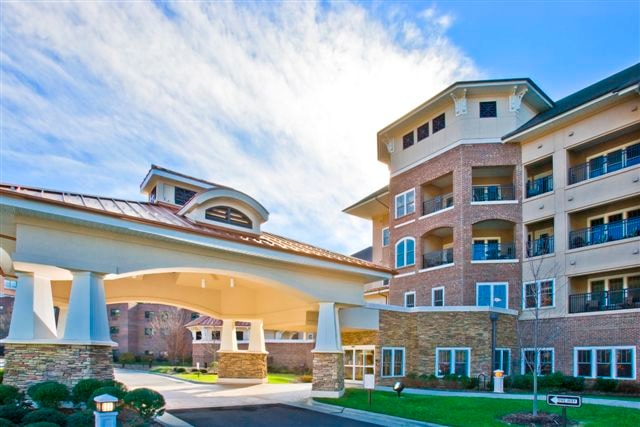
    Photo Credit: Givens Estates, a continuing care retirement community located in Asheville, NC

    Source : Givens Estates Retirement Community

    “But I Can’t Afford That…”

    That’s the biggest myth we hear, and it’s worth challenging.

    Yes, at first glance, the price tag of a retirement community can feel daunting. But let’s break it down.

    Have you tallied up your monthly:

    • Grocery bills?
    • Water and sewer services?
    • Landscaping and lawn care?
    • Trash removal?
    • Homeowners insurance?
    • Property taxes?
    • Transportation or car maintenance?
    • Emergency repairs?

    When you truly compare the bottom lines, you may find the costs are surprisingly similar. Especially when you add in the intangible value of safety, security, and daily connection.

    A great tool to explore communities and compare amenities is CarolinaLivingChoices.com, which offers a full directory of retirement living options tailored to your lifestyle.

    The Rise of the “Solo Agers”

    Here’s a growing trend we can’t ignore: the “Solo Ager” or what some refer to as the Single-Flyer Boomer. These are individuals—many of whom are women—who are aging without a partner, spouse, children, or traditional support network.

    And their numbers are growing. A Pew Research Center report shows that nearly 1 in 5 adults over 65 are aging alone—without immediate family nearby.

    An interesting article by AARP.org states:

    “In 1950, just 9 percent of all U.S. adults lived by themselves. Now 1 in 5 Americans ages 50 to 54, about 1 in 3 ages 55 to 74 and half of those age 75-plus are aging on their own, according to U.S. Census data. By 2038, the majority of people age 80 and older — about 10 million — will be solo agers, Harvard University experts estimate.” Source: https://www.aarp.org/family-relationships/solo-aging/

    For these individuals, the decision to stay in a single-family home can quickly become dangerous. A slip on an icy porch, a power outage during a winter storm, a fall in the bathroom—without someone around to help, a minor event can turn tragic.

    Statistically, the majority of aging adults do not get to choose when they move. Instead, the decision is made for them—by injury, illness, or an emergency event. It’s reactive, not proactive.

    Many active adults and retirees don’t proactively plan their next move—instead, that decision is often made for them during a crisis. As I often say, if you don’t take the initiative to make a plan, the plan will be made for you—and it may not reflect your wishes.

    Children of Aging Parents: A New Perspective

    For adult children caring for aging parents, retirement communities can be life-changing. No more scrambling to pick up prescriptions, worrying about expired groceries, or missing work for a doctor’s appointment.

    You get to become a son or daughter again—not a full-time caregiver.

    2 couples enjoying coffee

    And for the parent? They gain back independence, autonomy, and dignity in a place that’s designed for them to live fully.


    Coming Next in Part 2: We’ll dive into the emotional, physical, and mental benefits of retirement community living—including wellness programs, safety stats, and interviews with real residents who’ve made the leap and never looked back.

    In the meantime, explore Carolina Living Choices to see what’s possible—and why now may be the perfect time to take that next step.