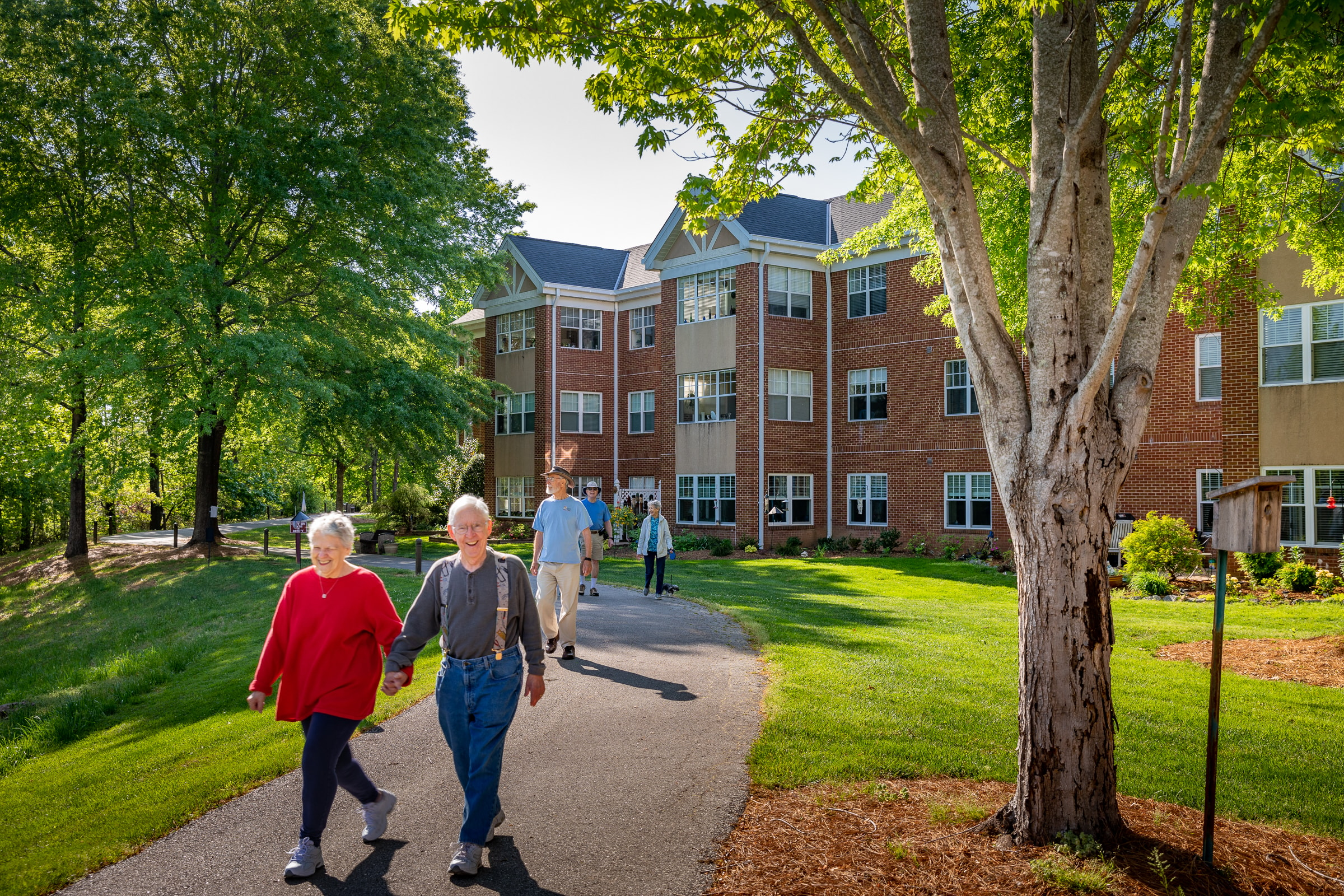
As families begin planning for retirement and long-term aging needs, one important topic is often overlooked: social connection. While many older adults in Asheville, NC and Hendersonville, NC value independence and aging in place, maintaining meaningful relationships and regular interaction is just as important as home safety, healthcare, and financial planning.
How Isolation Impacts Older Adults
Isolation does not always mean being physically alone. Many seniors experience loneliness even while living with family or participating in group settings. A lack of meaningful interaction, fear of burdening loved ones, or limited mobility can all contribute to feelings of disconnection.
Research consistently shows that social isolation can increase the risk of depression, anxiety, memory decline, and other health concerns. In contrast, regular social interaction can help lower stress, improve emotional well-being, and encourage healthier daily routines.
For many families exploring retirement options or senior planning resources in Western North Carolina, understanding the emotional side of aging is just as important as preparing for physical care needs.
Simple Ways to Encourage Social Connection
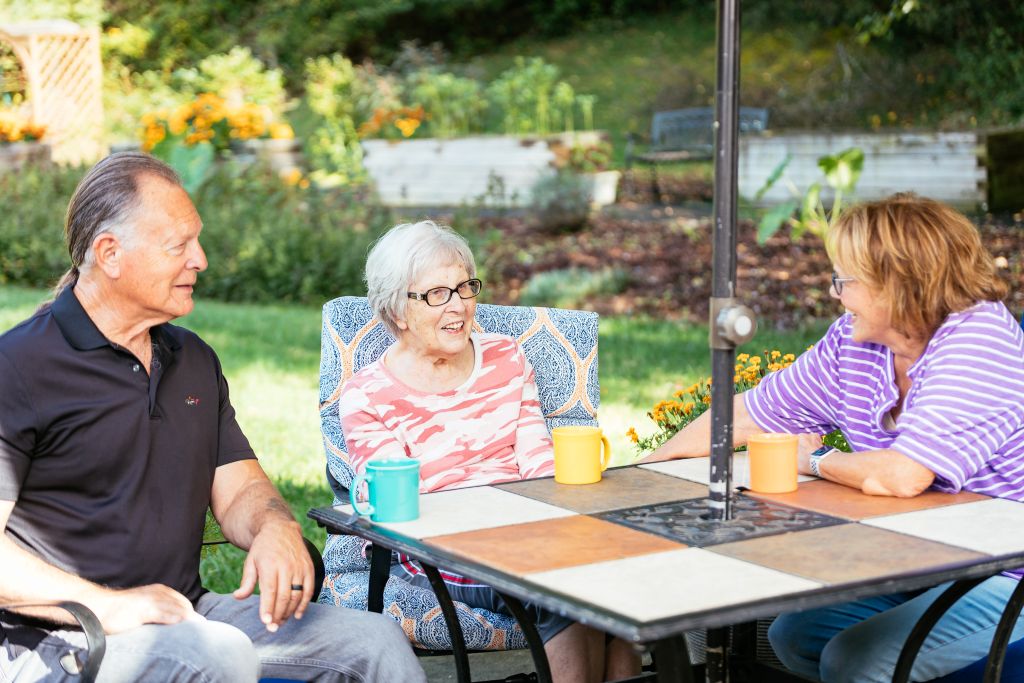
Photo Credit: Ardenwoods Retirement Community
Participate in Community Activities
Retirement communities, senior centers, and local organizations throughout Asheville, NC and Hendersonville, NC often offer activities designed to encourage social engagement. Music programs, fitness classes, arts and crafts, educational workshops, and group outings can help older adults build friendships and maintain a sense of purpose.
Families can support aging loved ones by reviewing community calendars together and encouraging participation in activities that match their interests and comfort level.
Encourage Shared Hobbies
Spending time together around familiar hobbies can help strengthen family relationships and reduce feelings of isolation. Reading together, gardening, cooking, knitting, or even watching favorite movies can create valuable opportunities for conversation and connection.
These small moments often become meaningful routines that improve emotional well-being over time.
Use Local Senior Resources
Programs like Meals on Wheels offer more than nutritional support. Regular visits from volunteers or delivery drivers provide important social interaction and wellness check-ins for seniors aging in place.
Many senior resources in Western North Carolina also offer transportation services, support groups, wellness programs, and educational opportunities that encourage older adults to stay active and engaged.
The Important Role of Caregivers
Caregivers often become one of the most consistent sources of daily interaction for older adults. A simple conversation, thoughtful question, or friendly greeting can make a significant difference in someone’s emotional health.
Care coordination is not only about managing appointments or medications. It also includes helping seniors feel heard, respected, and connected. Caregivers who take time to build genuine relationships can help reduce loneliness and improve overall quality of life.
Overcoming Common Barriers to Connection
Fear of Being a Burden
Many older adults hesitate to ask for help because they do not want to burden family members. Open and honest conversations about aging, retirement planning, and future support can help ease these concerns.
Families should work together to create supportive plans that balance independence with safety. Discussions about home modifications, fall prevention, transportation, and caregiving needs can help older adults feel more confident about accepting assistance when needed.
Limited Awareness of Opportunities
Some seniors simply may not know what resources are available to them. Local libraries, community colleges, churches, and senior centers often provide classes, volunteer opportunities, and social events specifically designed for older adults.
Volunteering can be especially beneficial because it creates both social interaction and a renewed sense of purpose. Even small opportunities to contribute to the community can positively affect mental and emotional health.
Key Takeaways
Social connection is an essential part of healthy aging and retirement planning. Older adults who stay socially engaged often experience better emotional and physical well-being.
Isolation can happen even when seniors are surrounded by others. Meaningful interaction and regular communication are important for reducing loneliness and supporting mental health.
Families and caregivers play a major role in helping older adults stay connected through community activities, shared hobbies, volunteer opportunities, and local senior resources.
Open conversations about aging in place, caregiving support, home safety, and long-term planning can help seniors feel supported without feeling like a burden.
Communities throughout Asheville, NC and Hendersonville, NC offer valuable programs and services that encourage connection, independence, and a higher quality of life during retirement.
Healthy Aging Requires Connection
Healthy aging involves much more than medical care or physical safety. Strong social connections help older adults maintain emotional wellness, reduce stress, and enjoy a greater sense of fulfillment during retirement.
Whether a loved one is aging in place, exploring independent living, or considering retirement communities in Asheville, NC or Hendersonville, NC, maintaining meaningful relationships should remain a priority.
Families, caregivers, and community organizations all play an important role in helping seniors stay connected. Even small interactions can have a lasting impact on emotional well-being and quality of life.
Most families don’t think about aging in place until something goes wrong. Jessie Bosshard explains what a real plan looks like—and why starting earlier changes everything.
The bigger takeaway is this: you don’t have to solve everything today. Start early, start small, and keep the focus on the life your loved one wants to keep living—right at home, with support that grows as needed. Aging in Place Starts With the Life You Want to Keep Living
In Carolina Living Choices’ Ask the Expert series, publisher and host Betsy O’Leary sat down with Jessie Bosshard, Executive Director of Givens Home First, to talk about what it really takes to age in place safely and confidently in Western North Carolina. Their message was simple: planning for independence isn’t only about avoiding problems. It’s about protecting the lifestyle that matters most—especially as retirement approaches and daily routines begin to shift.
Start the Conversation Before There’s a Crisis
Many families don’t start senior planning until something goes wrong—a fall, a hospitalization, or a sudden change that forces urgent decisions. Jessie encourages families in Asheville and surrounding communities to begin earlier, when choices are wider and stress is lower.
Instead of leading with “What care do you need?” she recommends starting with the bigger question: “How do you want to live?” That approach keeps the focus on quality of life, not fear. It also helps older adults feel respected and in control, which is often the most important part of aging in place.
Home Care Isn’t Only for Emergencies
One of the biggest misconceptions is that in-home care is only needed after a major event. Jessie shared that home care can start small—just a few hours a month—to support independent living and preserve energy for the things that bring joy.
That support might look like help with grocery shopping, meal prep, light housekeeping, errands, or simply companionship. For someone who lives alone, having a consistent, trusted helper can create a “rhythm of support” that makes it easier to stay connected and confident at home over time.
Home Safety and Home Modifications That Prevent Falls
A home safety evaluation is one of the most practical first steps for fall prevention. A Certified Aging in Place Specialist can look at the home environment with fresh eyes and recommend changes that reduce risk without turning the house upside down.
Home modifications don’t have to be major renovations. Often, small, thoughtful updates make the biggest difference: better lighting, safer bathroom setups, sturdy handholds, adjusted bed height, and improved pathways through the home. These changes support home safety now and can also prepare the home for future needs.
Avoid the “All-or-Nothing” Trap
Jessie emphasized that aging services are not one-size-fits-all. A well-thought-out aging in place plan doesn’t follow a neat checklist from A to Z. It’s personal, and it evolves.
When families wait too long, it can feel like choices are “all or nothing”—either full-time caregiving or a drastic move. Planning earlier opens the door to flexible options that can be layered in gradually, based on what the older adult wants and what the family can realistically support.
Who to Call When You’re Not Sure Where to Start
For adult children visiting from out of town and noticing concerns, Jessie recommended starting with a trusted medical provider and being honest about what you’re seeing. Primary care teams often know local senior resources and can help connect families to next steps.
She also pointed to community hubs like the local Council on Aging, which can guide families to reputable options for in-home care, care coordination, support groups, and other senior resources across the region, including Asheville and Hendersonville.
Coordinating Care Without Taking Over
Families often worry that helping will feel like “taking over.” Jessie offered a helpful reminder: most families don’t have it all figured out, and they’re not meant to. The goal isn’t perfection. It’s being intentional and taking one step at a time.
To keep a parent empowered, start with a conversation before appointments and ask permission to participate. Framing support as teamwork (instead of supervision) helps protect autonomy while still addressing safety.
When the moving parts feel overwhelming—care needs, home decisions, and long-term planning—working with a care coordinator can reduce pressure on the family. Care coordination can help prioritize, connect the dots, and keep the plan aligned with the older adult’s preferences.
A Simple Question to Open the Door
If “Where do you see yourself in 10 years?” feels too big, Jessie suggests starting smaller: “What brings you joy?” Then build from there.
For example, if walking the dog brings joy, the next step is to talk about what might become harder in a year or two—carrying food, managing long walks, lifting heavy items, or handling errands. From there, families can add targeted help that supports the goal, rather than focusing only on limitations.
Support for Caregivers in Western North Carolina
Caregiving insights matter, especially for adult daughters managing responsibilities from a distance. Jessie encouraged caregivers to lean on trusted friends or family first if the conversation feels hard to start. Then, reach out locally for guidance.
Support groups and caregiver education may be available through regional organizations, including Councils on Aging and memory care education programs. Even if your parent lives outside Asheville, starting with local senior resources can quickly point you toward the most relevant help.
Small Ideas Can Make a Big Difference
Aging in place is often improved by practical, everyday solutions. Jessie shared an example that surprised many people: simple bathroom upgrades—like adding a bidet attachment—can support cleanliness and dignity and may reduce health issues like UTIs for some older adults.
The bigger takeaway is this: you don’t have to solve everything today. Start early, start small, and keep the focus on the life your loved one wants to keep living—right at home, with support that grows as needed.
“If you make just one decision today, that’s one less decision you’ll have to make during a crisis.”
In a recent conversation with Daniel Pickus of Senior Helpers of Asheville, NC, this simple but powerful reminder highlights the importance of planning early—before a fall or hospitalization—to reduce stress and support better long-term decisions.
Aging in Place Starts with Small Steps: How to Stay Safe and Independent at Home
Introduction
For many families in Western North Carolina, including Asheville and Hendersonville, the goal is clear: remain at home safely and independently for as long as possible. Aging in place is achievable, but it requires thoughtful planning, awareness, and the right support systems. In a recent Ask the Expert conversation, Daniel Pickus of Senior Helpers of Asheville shared practical guidance to help families take those first steps with confidence.
Start with Daily Routines and Home Safety
The first step in senior planning is surprisingly simple—take an honest look at daily routines and the home environment. Most people don’t need major renovations, but small changes can significantly improve safety.
Think about everyday activities like bathing, cooking, taking medications, and moving through the home. Are there risks? Could better lighting prevent a fall? Would adding a second handrail make stairs easier to navigate?
Even minor home modifications can support aging in place while maintaining independence.
Why Waiting Too Long Creates Bigger Problems
One of the most common mistakes families make is waiting for a crisis. A fall, hospitalization, or caregiver burnout often forces quick decisions under pressure.
Without a plan, options become limited. Families may feel overwhelmed trying to coordinate care, rehabilitation, and home support all at once. Creating a care plan early allows for thoughtful decisions instead of reactive ones.
As Daniel Pickus emphasized, putting even one piece of a plan in place today can ease the burden later and help families avoid unnecessary stress.
Build a Support Team Before You Need It
Aging in place is not a solo journey. It requires a team of professionals and community support. Consider connecting with:
A home care agency that understands both health needs and home safety
An occupational therapist to evaluate mobility and home layout
A primary care provider to manage health conditions and medications
Care coordinators or geriatric care managers for long-term planning
One simple but critical step is maintaining an up-to-date medication list. This ensures accurate care during doctor visits or emergencies.
The Value of a Home Assessment
When planning for care for a loved one, it can feel overwhelming, stressful, and even confusing to understand what type of support is truly needed. Families often ask: Where do we start? Who should be involved? And what level of care makes sense right now?
In the conversation, Betsy O’Leary, Publisher and CAPS asked about how families can get clarity early, and Daniel explained that it doesn’t have to be complicated. Senior Helpers offers a unique approach through their Senior Helpers LIFE Profile (Life, Independence, Function, Evaluation) Assessment.
“We wanted to make this easier for families,” Daniel shared. “
The LIFE Profile is a data-driven assessment that gives a full picture of what’s really going on—looking at safety, independence, and overall quality of life.”
Unlike a basic walkthrough, this assessment provides a holistic view of the risks and factors that influence whether someone can continue aging in place safely in their home. It evaluates everything from mobility and fall risks to daily routines and social engagement.
Betsy noted how helpful that can be for families trying to avoid crisis situations. Instead of guessing or reacting after a fall, this type of care coordination offers a clear starting point and actionable insights.
The result is not just information—but a practical roadmap. Families walk away with a better understanding of current needs, future risks, and what steps can be taken now to support independence.
Recognizing Early Warning Signs
Subtle changes at home can signal that additional support is needed. These signs are easy to miss but important to address early.
Look for:
Unfinished laundry or a decline in housekeeping
Expired food or cluttered kitchen spaces
Changes in sleeping habits, such as avoiding the bedroom
Difficulty keeping up with daily routines
Concerns about driving, including getting lost or confused
These are often early indicators that it’s time to explore senior resources or in-home care options.
Balancing Independence and Safety
One of the biggest challenges for families is balancing a parent’s desire for independence with the need for safety. This can create tension, especially as roles begin to shift.
Approaching the conversation with empathy is key. Framing support as a way to maintain independence—not take it away—can help ease resistance.
Introducing care as companionship rather than supervision is often a helpful way to begin.
Companionship Matters More Than You Think
Social connection plays a major role in healthy aging. Isolation can lead to both physical and emotional decline.
In-home care often begins with companionship—someone to help with errands, light housekeeping, or simply provide conversation. These small interactions can greatly improve quality of life and reduce loneliness.
Start Early and Take Small Steps
Aging in place can feel overwhelming, but it doesn’t have to be. Start with small, manageable steps:
Schedule a home safety assessment
Update medical and medication information
Research local senior resources in Asheville and Hendersonville
Begin conversations with family members
Each step reduces future stress and builds a stronger plan for long-term care and retirement living.
Final Thoughts
Aging in place is not about doing everything at once—it’s about doing something now. With the right planning, resources, and support, families can create a safer and more confident path forward.
Even one small decision today can make tomorrow significantly easier.
Aging in place is the goal for many families across Western North Carolina, including Asheville and Hendersonville. But staying safely at home requires more than good intentions—it takes planning, honest assessment, and the right support system.
One of the most overlooked steps in senior planning is evaluating whether a home is truly safe and accessible. Many people don’t realize how challenging their space can be until mobility becomes limited.
A helpful strategy is to simulate a temporary disability. Try navigating your home using a walker, crutches, or even one-handed movement. This reveals barriers like narrow doorways, tight bathrooms, or slippery surfaces.
Bathrooms are especially critical. Ask yourself:
Can you safely step in and out of the shower?
Are there grab bars?
Is there enough room for a caregiver to assist if needed?
These questions are essential for fall prevention and long-term home safety.
Common Mistakes Families Make
One of the biggest challenges in caregiving is waiting too long to ask for help. Many families try to manage everything on their own until they reach a crisis point. By then, decisions feel rushed and overwhelming.
Another common issue is isolation. People often relocate to beautiful mountain areas for retirement but end up far from family and support systems. Without a community, aging in place becomes much harder.
Delaying home modifications is also risky. Installing grab bars, widening doorways, or improving lighting is much easier—and more affordable—before it becomes urgent.
Build Your Professional Support Team
A strong plan for aging in place includes guidance from trusted professionals. Consider connecting with:
A financial advisor to understand the costs of long-term care and available resources.
An elder law attorney to ensure wills, advance directives, and legal documents are up to date.
An aging life care manager who can help coordinate care and provide expert guidance as needs change.
A veteran service officer for those who may qualify for valuable benefits.
These professionals help families make informed decisions and avoid costly mistakes.
Understanding Local Senior Resources
Western North Carolina offers a wide range of senior resources that support both older adults and caregivers. Many programs are designed to help individuals remain independent while reducing caregiver stress.
Services may include respite care vouchers, which provide short-term relief for caregivers, as well as home visits to assess safety and needs. There are also programs focused on fall prevention, chronic disease management, and caregiving support.
Isolation is one of the biggest threats to successful aging in place. Building relationships early—through volunteering, community groups, or local organizations—creates a support network that becomes invaluable later.
Volunteering not only helps others but also provides purpose, structure, and social connection. Whether it’s mentoring children, assisting at a food bank, or participating in a senior center, these activities strengthen both individual well-being and community resilience.
When Should You Start Planning?
The best time to begin planning is before there is a crisis. If you’re new to the Asheville or Hendersonville, NC area, learning about available resources early can make a significant difference.
Families should also pay attention to subtle changes in health or memory. These early signs are often the right moment to explore care coordination options and build a plan.
Have an Emergency Plan in Place
Unexpected events—from falls to natural disasters—can quickly change a situation. Having an emergency plan ensures that everyone knows what to do and who to call.
This plan should include emergency contacts, medical information, evacuation strategies, and access to important documents. Preparing for the “what ifs” brings peace of mind and reduces stress during difficult moments.
Final Thoughts
Aging in place is achievable with the right preparation, resources, and mindset. By taking proactive steps—evaluating your home, building a support team, and staying connected—you can create a safer, more confident path forward.
The key takeaway is simple: don’t wait. Start planning today to make tomorrow easier for both you and your loved ones.
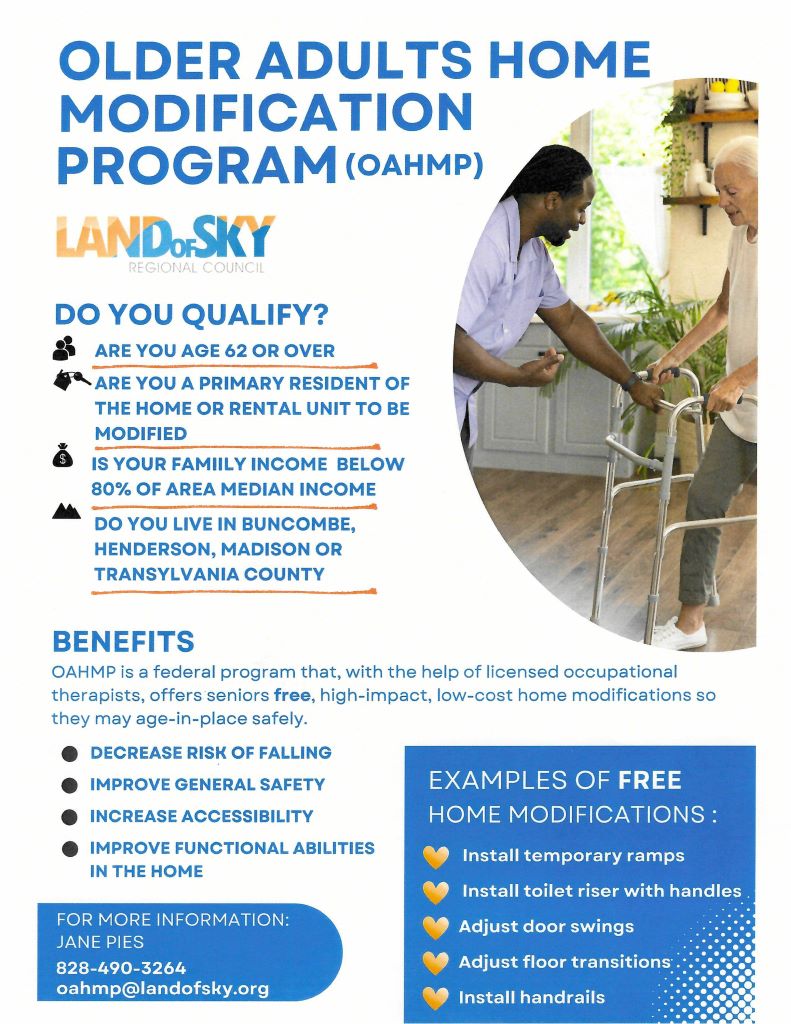
OAHMP is a federal program that, with the help of licensed occupational therapists, offer seniors free, high-impac, low-cost home modifications so they may age-in-place safely. Benefits include decrease risk of falling, improve general safety, increase accessibility, and improve functional abilities in the home. Examples of free home modifications are install temporary ramps, install toilet riser with handle, adjust door swing, repair floor transitions, or install handrails.
Do you qualify?
Are you age 62 or ove?
Are you the primary resident of the home or rental unit to be repaired?
Is your family income below 80% of area median income?
Do you live in Buncombe, Henderson, Madison or Transylvania County?
As we move deeper into 2026, many Baby Boomers—and their adult children—are facing a critical question: What does safe, fulfilling aging really look like today? For those between the ages of 65 and 85, the traditional idea of “aging in place” is being weighed against the modern comforts of retirement community living. And increasingly, the scales are tipping in favor of community.
Retirement communities today are not what they were 20 years ago. They’re vibrant, worry-free environments where residents don’t just live—they thrive.
Living Without the “Honey-Do” List
Let’s be honest: the upkeep of a home can be relentless, especially with age. From cleaning gutters to managing yardwork, from replacing a roof to dealing with unexpected plumbing repairs—these chores don’t just eat up time, they chip away at peace of mind.
Retirement communities take that entire burden off the table.
In these communities, there’s no need to worry about scheduling a handyman, climbing a ladder to clear leaves, or figuring out who’s going to mow the lawn during an icy February. Residents enjoy maintenance-free living—period.
And that’s just the beginning.
More Than a Home: A Community
At the heart of these retirement settings is connection. Whether it’s enjoying chef-prepared meals with friends, joining a morning walking group, or participating in classes and events, residents are surrounded by community—not isolation.
And research backs this up.
According to a 2023 study by the AARP, seniors who engage socially on a regular basis have a 45% lower risk of developing cognitive decline and are 30% less likely to suffer from depression than their isolated counterparts. Retirement communities create a natural environment for that kind of engagement.
That’s the biggest myth we hear, and it’s worth challenging.
Yes, at first glance, the price tag of a retirement community can feel daunting. But let’s break it down.
Have you tallied up your monthly:
Grocery bills?
Water and sewer services?
Landscaping and lawn care?
Trash removal?
Homeowners insurance?
Property taxes?
Transportation or car maintenance?
Emergency repairs?
When you truly compare the bottom lines, you may find the costs are surprisingly similar. Especially when you add in the intangible value of safety, security, and daily connection.
A great tool to explore communities and compare amenities is CarolinaLivingChoices.com, which offers a full directory of retirement living options tailored to your lifestyle.
The Rise of the “Solo Agers”
Here’s a growing trend we can’t ignore: the “Solo Ager” or what some refer to as the Single-Flyer Boomer. These are individuals—many of whom are women—who are aging without a partner, spouse, children, or traditional support network.
And their numbers are growing. A Pew Research Center report shows that nearly 1 in 5 adults over 65 are aging alone—without immediate family nearby.
An interesting article by AARP.org states:
“In 1950, just 9 percent of all U.S. adults lived by themselves. Now 1 in 5 Americans ages 50 to 54, about 1 in 3 ages 55 to 74 and half of those age 75-plus are aging on their own, according to U.S. Census data. By 2038, the majority of people age 80 and older — about 10 million — will be solo agers, Harvard University experts estimate.” Source: https://www.aarp.org/family-relationships/solo-aging/
For these individuals, the decision to stay in a single-family home can quickly become dangerous. A slip on an icy porch, a power outage during a winter storm, a fall in the bathroom—without someone around to help, a minor event can turn tragic.
Statistically, the majority of aging adults do not get to choose when they move. Instead, the decision is made for them—by injury, illness, or an emergency event. It’s reactive, not proactive.
Many active adults and retirees don’t proactively plan their next move—instead, that decision is often made for them during a crisis. As I often say, if you don’t take the initiative to make a plan, the plan will be made for you—and it may not reflect your wishes.
Children of Aging Parents: A New Perspective
For adult children caring for aging parents, retirement communities can be life-changing. No more scrambling to pick up prescriptions, worrying about expired groceries, or missing work for a doctor’s appointment.
You get to become a son or daughter again—not a full-time caregiver.
And for the parent? They gain back independence, autonomy, and dignity in a place that’s designed for them to live fully.
Coming Next in Part 2: We’ll dive into the emotional, physical, and mental benefits of retirement community living—including wellness programs, safety stats, and interviews with real residents who’ve made the leap and never looked back.
In the meantime, explore Carolina Living Choices to see what’s possible—and why now may be the perfect time to take that next step.
Professional in-home care services enable seniors to age safely and comfortably in their own homes while maintaining independence and dignity
Multiple assistance programs exist including food assistance, Medicare benefits, and specialized dementia care tailored to individual needs and circumstances
Family caregivers can access respite care and support services to prevent burnout while ensuring quality care for their loved ones
Transportation, companionship, and daily living assistance are core services that significantly improve seniors’ quality of life and safety
Government programs like SNAP, SFMNP, and Medicare Advantage provide financial assistance for food, healthcare, and essential services
Watching a loved one struggle with daily tasks that were once effortless can be both heartbreaking and overwhelming for seniors and thei families across the country. The good news is that assisting the elderly doesn’t mean sacrificing their independence or forcing them into home care or retirement communities. Here in Western NC we have amazing and caring Retirement Communities for loved ones to live in and THRIVE IN. Today’s comprehensive support services allow older adults to thrive in their own homes while receiving the help they need to live safely and comfortably.
Whether you’re noticing that your aging parent needs a little help with grocery shopping, medication management, or personal care, understanding your home care options can provide peace of mind for everyone involved, especially for older adults . From professional caregivers who become trusted team members to local aging agencies that help with daily expenses, there’s a wealth of resources available to support seniors and their families through this important life transition.
Understanding Professional In-Home Care Services
Professional in-home care represents a comprehensive approach to assisting the elderly while allowing them to remain in familiar surroundings. These services encompass personal hygiene assistance, medication management, health monitoring, and companionship – all delivered by trained professionals who understand the unique needs of aging clients.
The benefits of aging in place extend far beyond simple cost considerations, as it significantly reduces the risk of emotional distress for senior . While nursing home care can cost thousands of dollars monthly, in-home services often provide better value while preserving the emotional comfort of familiar surroundings. Seniors who receive care in their own homes typically experience better mental health outcomes, maintain stronger connections to their communities, and enjoy greater control over their daily routines.
Personalized care plans begin with comprehensive home safety assessments conducted by experienced professionals. These evaluations identify potential risks, assess the senior’s current abilities, and develop strategies that maximize independence while ensuring safety. Care managers work closely with families to understand medical conditions, personal preferences, and cultural considerations, and their knowledge helps shape the caregiving approach.
The caregiver matching process considers far more than basic qualifications. Successful matches take into account personality compatibility, shared interests, language preferences, and specific experience with the senior’s medical conditions. Many families find that the right caregiver becomes not just a service provider, but a trusted partner an companion who brings joy and engagement to their loved one’s day.
For seniors requiring continuous supervision, 24/7 care options provide around-the-clock assistance without the institutional setting of a nursing home. These arrangements include overnight assistance, emergency response protocols, and coordination with healthcare providers to ensure seamless care transitions that ensure comfort when health needs change.
Essential Daily Living Assistance
Daily living assistance forms the foundation of most elder care plans, addressing the activities that enable seniors to maintain their autonomy and dignity. Personal care services include bathing assistance that prioritizes well-being and privacy, with caregivers trained to prevent falls while respecting the senior’s comfort level and personal routines.
Dressing support goes beyond simply helping with buttons and zippers. Professional caregivers understand the importance of weather-appropriate clothing, comfortable fabrics, and maintaining the senior’s personal style preferences. This attention to detail helps preserve identity and self-esteem during what can feel like vulnerable moments.
Meal planning and preparation services address one of the most critical aspects of senior health. Caregivers can accommodate dietary restrictions, ensure proper nutrition, and prepare meals that are both appetizing and safe for seniors with swallowing difficulties or other medical considerations. Many families are surprised to learn how much their loved one’s appetite and energy improve with proper nutrition support, contributing to a happy and healthier lifestyle .
Light housekeeping tasks extend far beyond basic cleaning. These home services help maintain a safe, organized environment where seniors can navigate confidently. From managing laundry to organizing medications, these seemingly simple tasks can make the difference between self-reliance and unnecessary institutional care.
Medication reminders and management prevent dangerous drug interactions while ensuring seniors stay on track with their treatment plans. Professional caregivers are trained to recognize side effects, coordinate with healthcare providers, and maintain detailed records that help families and medical teams monitor the senior’s health status.
Transportation and Mobility Support
Transportation challenges often mark the beginning of social isolation for seniors, making mobility support a crucial component of comprehensive elder care. Medical appointment transportation ensures that seniors never miss critical healthcare visits, with caregivers who can provide transportation in the family’s vehicle or arrange for accessible transportation options.
Grocery shopping and errands assistance allows seniors to maintain their routines and preferences while ensuring they have access to fresh food and essential supplies. Many caregivers accompany seniors on these outings, providing both practical assistance and social interaction that helps combat loneliness and depression.
Social outings and recreational activities play a vital role in maintaining mental health and cognitive function. Whether it’s attending religious services, visiting friends, or enjoying hobbies, transportation support helps seniors stay connected to the activities and people that bring meaning to their lives.
Adaptive equipment recommendations can significantly improve home mobility and peace of mind. Professional caregivers are trained to identify when grab bars, ramps, or other modifications might help, and they can coordinate with occupational therapists to ensure proper installation and training.
Coordination with physical therapy and rehabilitation services ensures that seniors receive comprehensive care that addresses both immediate needs and long-term health goals. This integrated approach often leads to better outcomes and can help prevent future hospitalizations or injuries.
Specialized Care for Dementia and Alzheimer’s
Caring for seniors with dementia requires specialized knowledge and approaches that go far beyond basic companionship. Evidence-based programs like the Positive Approach™ to Care and Senior Gems™ program provide structured frameworks for understanding and responding to the unique needs of individuals with cognitive impairment.
Memory care techniques focus on establishing predictable routines that reduce anxiety and confusion. Professional caregivers trained in dementia care understand how to break down complex tasks into manageable steps, use visual cues effectively, and create environments that promote success rather than frustration.
Risk-Free modifications for homes housing seniors with dementia go beyond standard elder-proofing to enhance peace of mind. These might include door alarms to prevent wandering, medication locks to prevent accidental overdoses, and removal of potentially dangerous items while maintaining a homelike atmosphere that doesn’t feel institutional.
Family education and support represent crucial components of dementia care. Understanding disease progression, learning effective communication strategies, and developing realistic expectations can significantly reduce caregiver stress while improving outcomes for the person with dementia.
Professional caregiver training requirements for dementia-specific care ensure that families receive knowledgeable, compassionate support. Many agencies require specialized certification and ongoing education to ensure their team stays current with best practices in memory care.
Family Caregiver Support and Respite Care
Family caregivers provide the majority of care for older adults in this country, but they need support to sustain their efforts without sacrificing their own health and well-being. Respite care services offer temporary relief that allows family caregivers to join their loved ones in attending to their own needs, work responsibilities, or simply take a break from the demanding nature of caregiving.
Educational resources and training help family members develop the skills and knowledge they need to provide safe, effective care. These programs cover topics like safe transfer techniques, medication management, and recognizing signs of medical emergencies, empowering families to feel confident in their caregiving roles.
Support groups and counseling services address the emotional challenges that family caregivers face. Many families find that connecting with others in similar situations provides valuable perspective, practical tips, and emotional support that helps them continue caring for their loved one while maintaining their own mental health.
Emergency backup care plans ensure that seniors receive consistent care even when primary family caregivers become unavailable due to illness, work emergencies, or other unexpected circumstances. These plans typically involve pre-arranged relationships with professional care providers who can step in quickly when needed.
Care coordination between family members and professional services prevents gaps in coverage while avoiding duplication of efforts. Professional care managers can help families develop schedules, communicate effectively, and make decisions that benefit everyone involved in the senior’s care team.
Choosing the Right Care Provider
Selecting a care provider requires careful evaluation of qualifications, experience, and fit with your family’s needs and expectations. Essential questions include inquiries about licensing, insurance coverage, background check policies, and specific experience with your loved one’s medical conditions or care needs.
Cost comparison between different providers should include more than hourly rates. Consider whether agencies charge for travel time, minimum hour requirements, holiday rates, and cancellation policies. Understanding these details upfront prevents surprises and helps you budget effectively for ongoing care.
Evaluating caregiver qualifications means looking beyond basic certifications to understand training specific to your loved one’s needs. For example, caregivers working with seniors who have diabetes should understand blood sugar monitoring, while those caring for individuals with dementia need specialized training in communication and behavioral management.
Reading reviews and checking references from other support network provides valuable insights into how agencies handle challenges, communicate with families, and maintain consistency in their services. Don’t hesitate to ask for references from friends with similar care needs or circumstances.
Trial periods and service guarantees offered by reputable care companies allow families to evaluate compatibility before making long-term commitments. Look for agencies that offer satisfaction guarantees and are willing to adjust care plans based on your experience and feedback.
Technology and Innovation in Elder Care
Modern technology offers unprecedented opportunities to enhance safety and independence for seniors aging in their own homes, paving the way for a promising future . LIFE Profile technology and similar systems provide continuous health monitoring that can detect changes in activity patterns, sleep quality, and other indicators that might signal developing health issues.
Medical alert systems and emergency response devices have evolved far beyond simple pendant alarms. Today’s systems can detect falls automatically, provide GPS location aid for seniors who wander, and connect users to emergency services or loved ones members with the push of a button.
Telehealth communications have transformed how seniors access healthcare, particularly benefiting those with mobility limitations or transportation challenges. These platforms allow seniors to consult with doctors, specialists, and other healthcare providers from the comfort of their own homes, often leading to better medication adherence and earlier intervention for health problems.
Smart home modifications can automate many aspects of daily living while enhancing safety. Automated lighting systems prevent falls in dark hallways, programmable thermostats ensure comfortable temperatures, and smart security systems provide peace of mind for both seniors and their families.
Medication management apps and electronic pill dispensers address one of the most common safety concerns for seniors living independently. These systems can provide reminders, track adherence, and alert clients’ trusted circle or healthcare providers when medications aren’t taken as prescribed.
Financial Planning for Elder Care
Long-term care insurance options vary widely in coverage and cost, but policies that include in-home care benefits can provide significant financial protection. Understanding what care related resources are covered, waiting periods, and benefit limits helps cherished ones make informed decisions about their future regarding whether these policies make sense for their situation.
Medicaid waiver programs in many states allow qualifying seniors in our nation to receive in-home care instead of nursing home placement. These programs recognize that home-based care often costs less than institutional care while providing better outcomes for many seniors.
Private pay options and flexible payment arrangements with care providers can make professional care more accessible for loved ones who don’t qualify for government assistance, allowing families to contact providers easily . Many agencies offer sliding scale fees, package deals, or other arrangements that help families manage costs while ensuring their loved one receives needed care.
Tax deductions and credits available for elder care expenses can provide significant savings for families, contributing to their overall happy experience in caregiving . The Dependent Care Credit, medical expense deductions, and other tax benefits can help offset the cost of professional care businesses and medical expenses.
Frequently Asked Questions
How do I know when my elderly parent needs professional assistance at home, so I can better schedule caregivers accordingly ?
Carolina Living Choices staff have aging parents so we understand first hand about this concern. We encourage all relatives to get involved and visited their loved one. Having multiple connections visit and discuss amongst themselves what they are witnessing with their loved one is very beneficial. It can assist to see warning signs include frequent falls, missed medications, poor hygiene, social isolation, confusion about familiar tasks, and difficulty managing finances. A professional assessment can help determine the appropriate level of care needed. Other indicators include unopened mail, spoiled food in the refrigerator, and withdrawal from previously enjoyed activities.
What’s the difference between a certified home health aide and a companion caregiver?
Certified home health aides can provide medical care like wound care, medication administration, and physical therapy assistance, while companion caregivers focus on non-medical support like meal preparation, housekeeping, and social interaction, making them an ideal partner in caregiving . Home health aides typically require more extensive training and certification, while companion caregivers excel at providing emotional support and assistance with daily activities. Our office manager recently shared her tips in a blog article about “Caring from a Distance: Supporting Aging Parents When You Live Far Away.”
Can Medicare or Medicaid pay for in-home care ?
Medicare covers skilled nursing and therapy services when medically necessary but not custodial care. Some state Medicaid programs offer waiver assistance for in-home care as an alternative to nursing home placement for qualifying low-income seniors. Veterans may also qualify for benefits through the VA’s Aid and Attendance program.
How much advance notice do I need to arrange emergency care for my elderly parent?
Most reputable agencies can provide emergency care within 24-48 hours, though same-day service may be available for urgent situations. It’s best to establish a relationship with a provider before emergencies arise. Having a care plan in place ensures faster response times when urgent needs develop.
What safety modifications should I make to my parent’s home before care begins?
Essential modifications include removing trip hazards, installing grab bars in bathrooms, improving lighting, securing loose rugs, organizing medications safely, and ensuring easy access to emergency contacts and medical information. Professional caregivers can also recommend specific modifications based on your parent’s mobility and safety needs.
Ready to downsize your life? This guide gives you step-by-step strategies to reduce your living space and possessions efficiently. Learn about planning, decluttering, and making a smooth transition.
Key Takeaways
Start your downsizing journey with a simple plan that breaks everything into manageable steps. Taking it one piece at a time can make the whole process feel much less overwhelming.
Take a good look at your future home—think about the size, layout, and how you’ll use the space. That will help you decide what’s truly important to bring with you.
And don’t hesitate to ask for help! Working with a senior move specialist can take a big weight off your shoulders. They’re great at making the process smoother and less stressful for both you and your family.
Start With a Plan
Starting your downsizing journey with a clear vision and plan makes all the difference. Begin early and tackle tasks one step at a time to keep things manageable. A thoughtful approach can make the whole process feel much more doable.
Start by listing all your belongings to decide what to keep and what to let go. To maintain focus and organization, follow these steps:
Prioritize valued possessions.
Create a list of items to declutter in each room.
Set a timer for each room to encourage efficiency and avoid feeling overwhelmed.
Tackle the downsizing process gradually, one step at a time. This approach simplifies the task and allows for thoughtful decisions about what truly matters in your new space. A well-thought-out plan will be your best ally in this endeavor.
Assess Your Needs
Assessing your needs is crucial for a successful downsizing journey. Plan your move well in advance, ideally more than a year ahead, to allow ample time for making informed decisions. Key considerations include:
Knowing the dimensions of your new space
Understanding floor plans
Checking elevator sizes
To simplify decision-making and approach choices with clarity, consider the following steps:
Reflect on your priorities.
Consider lifestyle changes that necessitate downsizing, such as needing a more manageable living space due to retirement plan income.
Evaluate your needs in each room, for example, assess duplicate utensils in the kitchen to identify unnecessary items.
Start your assessment in places like the garage, where unused items tend to collect. A senior downsizing specialist can help you decide what to keep and design a floor plan that makes your new home both comfortable and practical for your lifestyle.
Declutter Room by Room
Tackling one room at a time can make decluttering feel much more manageable. Start by listing your belongings to decide what to keep, sell, or toss. Use a simple sorting system to quickly separate items into keep, donate, or discard categories.
Plan for dealing with unwanted items by:
Contacting charities for donation pickups or organizing a garage sale.
Considering re-homing usable items by offering them to friends or family before deciding to donate or discard.
Carefully inspecting each item to avoid unintentionally discarding valuable or sentimental belongings.
To effectively sort your possessions:
Allow enough time for sorting, ideally spreading the task over a few days, or months.
Involve family members or friends to alleviate stress and provide emotional support.
Use a systematic approach to ensure your new living space is clutter-free and ready for a fresh start.
Organize Important Documents
Organizing important documents is a critical step in the downsizing process. Start by sorting legal documents, insurance policies, social security information, and Medicare cards, ensuring they are easily accessible. Include financial documents, such as tax returns and bank statements, in your organization efforts.
Include important documents such as passports, diplomas, and birth certificates in your collection of essential records. Store these documents in a safe deposit box or a fireproof safe for secure storage. Additionally, consider scanning and storing these documents online for added security and convenience.
Include the following in your paperwork checklist:
Personal information like doctors and agent contact info
Personal assets
Liabilities
Tax returns
Clearly labeled and securely stored documents make it easy to find what you need both during and after your move.
Sorting Personal Possessions
Sorting through personal possessions can be emotional. To simplify decision-making, consider the following steps:
Set priorities for what you want in your new living space.
Create an inventory of your belongings to determine what is essential and what can be disposed of.
Use boxes or bins to sort items into categories, making the process more manageable.
When downsizing clothing, keep only items worn in the last 12 months and not worn regularly.
Take photos of collections and consider giving them as gifts to preserve memories without keeping the physical objects.
Donate unwanted items to organizations, some of which offer pickup services, helping you declutter while benefiting those in need.
Consider taking photos and creating an album for sentimental items and meaningful items to preserve memories without keeping the physical objects.
Sorting through your belongings with a plan helps make your new space more organized, practical, and free of extra clutter.
Packing Essentials
Packing essentials properly is key to a smooth move. Important items include:
Uniform-sized boxes: make stacking and moving easier, minimizing the risk of damage.
Wardrobe boxes: designed to protect hanging clothes during a move.
Stretch wrap: effective for bundling items together and securing furniture.
Tips for packing and moving:
Seal boxes with heavy-duty tape to ensure they stay secure during transport.
Rent eco-friendly plastic crates as a sustainable alternative to cardboard.
Properly label boxes during packing to identify their destination room or area in the new home, helping to avoid lost or damaged possessions.
Packing valuables and seldom-used belongings yourself helps maintain their safety. Enlist family members, friends, move specialists, or moving companies to assist with packing chores. With the right strategy, your move will be more organized and less stressful.
Address Change Notifications
Changing your address is an important part of downsizing. Be sure to notify your banks and financial institutions so you don’t miss account statements or important notices. Let your insurance providers know as well to update your policies and avoid any gaps in coverage.
Don’t forget to update your memberships and subscriptions to keep services running smoothly. Many companies offer simple ways to do this online or by calling customer service. Some may ask for a specific form or extra documentation to confirm the change.
Keeping everyone informed of your new address helps ensure nothing slips through the cracks. Maintaining a current address book can make this process easier and more organized.
Engage Professional Help
Engaging professional help can significantly streamline the seniors downsizing process. A senior move specialist offers a comprehensive solution, assisting with organizing and sorting belongings, overseeing packing and unpacking, and ensuring items are placed correctly in the new home. This alleviates stress for family members, allowing them to focus on providing emotional support.
Move managers often have access to a network of vetted professionals, helping families find additional services they may require during the move. This network can include real estate agents, auctioneers, and cleaning services, providing a one-stop solution for all your downsizing needs.
Hiring a senior relocation specialist helps older adults and their families feel less overwhelmed by the logistics of their upcoming move. With professional help, the moving process becomes more manageable and less stressful, offering peace of mind.
Preparing for Moving Day
Getting ready for moving day is key to keeping things running smoothly. Creating an inventory list helps you track your belongings and quickly spot anything that goes missing. Having a first-aid kit nearby is also a smart move in case of minor injuries.
Pack a few “open first” boxes with essentials like toiletries, clean bedding, and basic kitchen items so you’re set for the first night. Confirm the arrival time with your movers ahead of time to stay on schedule. Keep all important paperwork in a separate binder so it’s easy to find when you need it.
Snacks and drinks will help keep your energy up throughout the day. With some thoughtful planning, your move can be much less stressful and far more efficient.
Settling Into Your New Home
Settling into your new home starts with setting up your sleeping accommodations and bathroom immediately for the first night. Your ‘open first’ box should contain items for immediate use, such as:
fresh bedding
soap
toilet paper
toothbrush
nightclothes
towels
plates
utensils
clothes
a flashlight
tape
scissors
cash
This ensures you have the essentials right at hand.
Communities often aim to make you feel at home in your new environment. To cope with feelings of losing familiarity, actively engage in your new community by participating in local events and activities, helping you build new connections and adjust to your senior living community new lifestyle.
Focusing on these initial steps will create a comfortable and welcoming environment in your new home, marking a new chapter and making the transition smoother and more enjoyable in new homes.
Summary
Downsizing is more than just moving; it’s an opportunity to embrace a new chapter with less clutter and more freedom. Remember to start with a clear plan, assess your needs, declutter room by room, and organize your important documents. Sorting personal possessions thoughtfully and packing essentials properly will make the process smoother.
Don’t forget to update your address and consider engaging professional help to ease the transition. Preparing for moving day and settling into your new home with the essentials will ensure a comfortable start. Embrace this change as a positive step towards a simpler, more fulfilling life.
Frequently Asked Questions
How early should I start planning my downsizing move?
It’s smart to begin planning your downsizing move at least a year in advance. This gives you plenty of time to sort through belongings and make thoughtful decisions.
What should I do with duplicate kitchen utensils?
To declutter your kitchen, assess your duplicate utensils and consider donating or recycling the ones you don’t use. Keeping only what you need will make your cooking experience much more enjoyable!
How can I ensure my important documents are safe during the move?
To keep your important documents safe during a move, use a fireproof safe or a safe deposit box, and consider scanning them to store online. This way, you’ll have peace of mind knowing they’re secure and accessible.
What are some essential items to pack for the first night in my new home?
Make sure to pack fresh bedding, toiletries, and basic kitchen items in your ‘open first’ box for a comfortable first night in your new home. A flashlight and some cash can also come in handy!
Should I hire a professional move manager?
Hiring a professional move manager can really ease the stress of downsizing and relocating, helping you streamline the entire process. If you want a smoother experience, it’s definitely worth considering!
Retirement is not the end—it’s the beginning of a new life. From traveling the world to relaxing in a quiet town, retirement is full of opportunity. At Carolina Living Choices, we hear from retirees daily who are reshaping what retirement looks like. Many choose retirement living in North Carolina—and for good reason.
So, what’s your biggest retirement dream?
Let’s explore popular goals and how communities in North Carolina help make them real.
1. Travel the World: A Dream Beyond Other States
Poll Option: “I want to travel the world!”
Many retirees finally have the time and freedom to travel as they please.
Some want road trips. Others crave international adventures. Whether it’s RVing across other states or sailing through Europe, travel remains a top dream.
Popular travel goals include:
Exploring Route 66 by RV
Visiting grandkids and friends in other states
Bucket-list trips to Ireland or Bali
Asheville, NC and Charlotte, NC offer convenient airports.
That makes North Carolina a great launch pad for your next trip.
2. Finding the Perfect Retirement Community in North Carolina
Poll Option: “I want my dream retirement home!”
For some, the dream is staying local—but with style and ease.
In places like Hendersonville and Brevard, homes are built with accessibility in mind.
Think no-step entries, wide hallways, and smart layouts. Amenities often include walking trails, fitness centers, and clubhouses.
3. Wellness-Focused Retirement Living in North Carolina
Poll Option: “I want to stay healthy, active, and independent!”
Today’s retirees value wellness more than ever. Retirement living in North Carolina supports this lifestyle beautifully. From fitness to fresh food, wellness is woven into daily life.
Towns like Asheville, Tryon, and Mars Hill support lifelong learning. Many communities partner with colleges or art centers nearby.
5. Communities in North Carolina Keep Families Close
Poll Option: “I want to spend more time with loved ones!”
Quality time with family and friends tops many people’s lists. Communities in North Carolina make that dream easier to achieve. Guest suites and community gathering spaces are common. Nearby attractions include lakes, trails, and seasonal events. These help create lasting memories with family of all ages.
6. Purpose-Driven Retirement Living in North Carolina
Poll Option: “I want to feel fulfilled and make a difference.”
Many retirees want more than rest—they want purpose. Retirement communities often support meaningful involvement.
Opportunities include:
Volunteering in schools or museums
Joining civic groups
Helping organize local events
Feeling fulfilled is a big part of staying vibrant in retirement.
7. Simplicity and Peace in a North Carolina Retirement Community
Poll Option: “I want a slower pace of life and less stress.”
For many, the dream is about slowing down and simplifying.
Real-Life Stories from Retirement Living in North Carolina
We’re always inspired by residents who are truly living their retirement dreams. Here’s what a few had to say:
“We travel the world every year,” said Bruce and Susan from Asheville, NC. “But coming home to our cozy and friendly neighborhood and home in the mountains is the best part.”
“After retiring from nursing, I found a new passion,” shared Sherrye. “Now I teach watercolor painting to others in my community—it’s brought so much joy.”
“We love our one-level home,” said Ray and Claudia. “It’s perfect for hosting Sunday dinners with the family, and we take daily walks with our neighbors. It’s everything we hoped for.”
Carolina Living Choices Helps You Find the Right Fit
We’re here to help you discover your dream retirement community.
A continuing care retirement community (CCRC) offers an all-in-one solution for your evolving healthcare needs in retirement. With options ranging from independent living to skilled nursing care, CCRCs ensure you can stay in the same community as your needs change. This article dives into the key benefits of CCRCs, how they operate, and why they are becoming a popular choice for many retirees.
Key Takeaways
Continuing Care Retirement Communities (CCRCs) provide a continuum of care options, allowing residents to age in place and access necessary medical assistance seamlessly as their needs evolve.
CCRC contracts vary significantly, including Extensive Life Care Contracts for predictable costs, Modified Contracts with limited coverage, and Fee-for-Service Contracts which can lead to higher overall expenses.
Prospective residents should thoroughly evaluate the financial commitment, community atmosphere, and available services before selecting a CCRC to ensure it aligns with their needs and lifestyle preferences.
What Is a Continuing Care Retirement Community?
Discover the Benefits of Continuing Care Retirement Communities (CCRCs)
As retirement needs evolve, Continuing Care Retirement Communities (CCRCs) offer a smart, all-in-one solution designed for peace of mind and long-term comfort. These communities provide a full spectrum of care-from independent living and assisted living to skilled nursing and memory support-all within the same community. That means as your health needs change, you won’t have to uproot your life or leave a place you love.
In Western North Carolina, several outstanding CCRCs are helping retirees enjoy vibrant, secure lifestyles:
Givens Estates in Asheville, NC: Nestled on a beautifully wooded campus, Givens Estates offers a dynamic mix of wellness programs, cultural activities, and on-site healthcare services-making it a top choice for retirees seeking both independence and future peace of mind.
Givens Highland Farms in Black Mountain, NC: Just east of Asheville, this close-knit community blends small-town charm with comprehensive care, allowing residents to age in place with grace and support.
Pisgah Valley Retirement Community in Candler, NC: Surrounded by the beauty of the Blue Ridge Mountains, Pisgah Valley offers a full continuum of care along with a vibrant social calendar and wellness-focused living.
Deerfield Episcopal Retirement Community in Asheville, NC: With a strong emphasis on spiritual wellness, lifelong learning, and compassionate care, Deerfield delivers a holistic approach to aging in a serene, thoughtfully planned setting.
Abernethy Laurels located in Newton, NC Abernethy Laurels is located on a gentle rolling 120-acre site nestled in the foothills of the Blue Ridge Mountains. We combine casual, comfortable, independent housing with convenient full-service accommodations on a fee-for-service basis. The conveniences of Charlotte, Asheville and Hickory offer a very appealing destination for retirement living.
These communities typically offer:
Independent living
Assisted living
Memory care
Skilled nursing care
All within the same place campus, providing a seamless transition through different levels of care.
One of the standout features of CCRCs is their ability to provide stability and comprehensive services to residents. Older adults can live independently for as long as possible, and access higher-level care like skilled nursing and memory care without leaving the community when their medical needs change. Designed with all stages of aging in mind, this integrated support system allows residents to live their best lives with peace of mind.
Families also gain significant peace of mind knowing that their loved ones have access to necessary support and medical assistance around the clock. Most communities offer a one-stop-shop living environment with various housing options like single-family homes or townhomes alongside nursing facilities. This arrangement ensures residents don’t have to worry about their living arrangements as their needs evolve, making CCRCs a compelling option for retirement living.
How CCRCs Work
Also known as life plan communities, CCRCs are meticulously structured to cater to the evolving needs of their residents. They offer independent living, assisted living, skilled nursing care, and memory care, all within the same location. This setup ensures that as a resident’s health needs change, they can smoothly transition from one level of care to another without the disruption of moving to a different facility.
A chief advantage of CCRCs is their continuity of care. Residents start their journey in independent living, where they can enjoy a vibrant, self-sufficient lifestyle. As their health needs evolve, they can transition to assisted living or skilled nursing care seamlessly within the same community. This not only ensures a familiar environment but also continuity in the quality of care and social connections.
The operational structure of CCRCs provides comprehensive support, allowing for a smooth transition between different levels of care. This continuity is crucial for maintaining quality of life and ensuring that changing health needs are met in a supportive and familiar environment.
This arrangement offers peace of mind to both residents and their families, knowing all necessary health and human services and health care services are available under one roof, provided by specially trained staff.
Types of CCRC Contracts
Understanding the different basic types of contracts is crucial when considering a move to a continuing care retirement community. CCRCs offer various contract options that outline the financial commitments and care services provided. The primary types include Extensive Life Care Contracts, Modified Contracts, and Fee-for-Service Contracts, each catering to different needs and preferences.
The Extensive Life Care Contract is among the most comprehensive options available. It guarantees residents access to various levels of care for life while maintaining stable monthly fees, regardless of increased care needs. This contract type is ideal for those looking for predictability in their financial planning and assurance that their care needs will be met without additional costs.
Modified Contracts provide coverage for skilled nursing facility services for a specific period, typically at least 60 days. During this time, only a portion of the resident’s monthly fee remains stable despite increased care needs. After the covered period, additional care costs are incurred.
Lastly, the fee for service contract does not include long-term care benefits, meaning residents pay for medical expenses as they incur them, which can lead to higher medical costs if extensive medical care is needed. This option usually has lower upfront service fees but can result in an additional cost if extensive medical care is needed.
Entrance Fees and Monthly Fees
A significant consideration when evaluating a CCRC is the cost structure, which typically includes an upfront entrance fee and ongoing monthly fees. Entrance fees are a substantial initial financial commitment that guarantees housing and access to medical services for a lifetime. These fees can vary widely, from as low as $40,000 to over $2 million, depending on the community and the level of services included.
The average entrance fee for CCRCs generally falls around $300,000, with more inclusive communities ranging from $150,000 to over $1 million. Monthly fees, which cover essential services such as maintenance, dining, and healthcare, typically range from $2,500 to $5,000. It’s important to clarify what these fees cover, as additional charges may apply for certain services like assisted living or healthcare.
Residents should inquire about expected annual increases in monthly fees and the monthly service fee, which typically range from 3 to 4 percent, as financial stability is key. It’s important to understand the procedures if a resident exhausts their financial resources, as policies can vary among CCRCs.
Prospective residents are advised to seek the guidance of a financial advisor to navigate these costs effectively and ensure a secure investment.
Services and Amenities
Continuing care retirement communities provide a wide range of residential services and amenities designed to enhance the quality of life for their residents. These services often include housekeeping, laundry, and transportation, which support daily living and allow residents to focus on enjoying their retirement.
Healthcare services, featuring on-site medical professionals and wellness programs tailored to residents’ needs, are a cornerstone of CCRCs. Many communities also boast fitness facilities and organized fitness classes to promote physical health. Social events and recreational activities are regularly scheduled to foster community engagement and reduce isolation, making CCRCs vibrant places to live. Additionally, health related services enhance the overall well-being of residents.
Living in a CCRC offers an all-inclusive lifestyle with provided meals, maintenance, and security, creating a hassle-free environment. This service model ensures residents have access to all necessary support systems within one location. The presence of a built-in social network and a health care support system offers peace of mind to both residents and their families, knowing that their medical and personal care needs are well taken care of.
Pros and Cons of CCRCs
Continuing care retirement communities provide an array of benefits, including housing and medical care under one roof, ensuring that multiple needs are addressed simultaneously. As the population ages, the demand for retirement housing with comprehensive care options is increasing, making CCRCs a popular choice.
However, adjusting to a CCRC can be challenging for some seniors as it requires adapting to a new environment and lifestyle. Additionally, the financial commitment can be significant, with high entrance and ongoing fees. It’s important for prospective residents to consider these factors and evaluate their personal needs and circumstances carefully.
Weighing the advantages and potential drawbacks helps seniors and their families make informed choices about CCRCs. The stability, comprehensive care, and peace of mind provided by CCRCs make them an attractive option for many, but it’s crucial to consider all aspects before making a decision.
Alternatives to CCRCs
While continuing care retirement communities offer a comprehensive solution for senior living, they are not the only option available. Various alternatives can also provide suitable living and care arrangements for older adults.
Assisted living communities, for instance, offer support with daily activities and personal care in a residential setting. Independent living communities cater to seniors who are mostly self-sufficient but seek a community environment. Home care services allow seniors to remain in their own homes while living independently and receiving the necessary support and medical care.
Each alternative offers its own benefits and may be more suitable depending on individual needs and preferences. Evaluating these options alongside CCRCs can help families and seniors make the best choice for their specific situation.
What to Look for When Choosing a CCRC
Choosing the right CCRC involves careful consideration of several factors. Prospective residents should gather financial information from the CCRC to ensure the stability of their investment and understand the fee structures.
In-person visits to CCRCs are highly recommended to gauge the community’s environment, staff members’ interactions, and daily activities. It’s also beneficial to inquire about staff training, their approach to personal care, and the availability of emergency response systems.
Engaging with current residents living and their families provides honest perspectives on the quality of life and care within the community. When a prospective resident decides to review housing options, floor plans, and available healthcare services at various levels of care, it is essential for making an informed decision.
Understanding CCRC Contracts
Thoroughly reviewing CCRC contracts before signing ensures clarity on terms and conditions. The residency agreement outlines financial commitments and care services provided, making it essential to understand every detail.
In fee-for-service CCRCs, long-term care services are billed on a per diem basis, which can lead to higher costs if extensive care is needed. Modified contracts typically cover skilled nursing services for a specific period, after which residents pay a market or per diem rate for additional care days.
Asking basic contract questions and understanding different contract options helps prospective residents choose the best financial and care arrangement for their needs.
Finding a CCRC Near You
Finding the right CCRC involves using available resources effectively. Online directories and comparison tools can simplify the process by showcasing the amenities and services of different CCRCs. Professional senior living advisors can also assist in locating CCRCs that align with specific health and lifestyle needs.
Considering factors like location, amenities, and financial options is vital for making an informed decision. Evaluating and comparing different CCRCs based on these criteria can help families and seniors find the best community that meets their specific needs and preferences.
Summary
Recap the key points covered in the post, emphasizing the benefits of CCRCs, the different types of contracts, costs, services, and tips for choosing the right community. Encourage readers to consider CCRCs as a viable option for retirement living and use the provided information to make informed decisions.
Frequently Asked Questions
What are the main benefits of living in a CCRC?
Living in a Continuing Care Retirement Community (CCRC) offers the primary benefit of a continuum of care, enabling residents to age in place while receiving comprehensive services. This arrangement fosters stability and provides peace of mind for both residents and their families.
How much do entrance and monthly fees cost in a CCRC?
Entrance fees for a Continuing Care Retirement Community (CCRC) can vary significantly, typically ranging from $40,000 to over $2 million, while monthly fees generally fall between $2,500 and $5,000, including housing and healthcare services.
What types of contracts do CCRCs offer?
CCRCs offer Extensive Life Care Contracts, Modified Contracts, and Fee-for-Service Contracts, catering to varying levels of care and financial commitments based on residents’ needs. Selecting the appropriate contract is crucial for ensuring long-term security and care.
What should I look for when choosing a CCRC?
When selecting a Continuing Care Retirement Community (CCRC), prioritize financial stability, staff qualifications, healthcare services, housing options, and conduct in-person visits to evaluate the community environment. This comprehensive approach ensures you choose a facility that meets your long-term needs effectively.
Are there alternatives to CCRCs?
Yes, alternatives to CCRCs include assisted living communities, independent living options, and home care services, which provide varying levels of support to meet individual needs.