Author: Betsy O’Leary

  • Aging Healthy: Top Tips for Every Stage of Life

    Aging Healthy: Top Tips for Every Stage of Life

    Aging healthy means making choices that help you stay physically and mentally fit as you grow older. This article provides tips on healthy eating, regular physical activity, sleep health, and preventing chronic diseases. Additionally, we’ll cover mental and emotional well-being and offer guidance on community resources and support. Let’s explore how to age healthily.

    Key Takeaways

    • Adopting a healthy lifestyle, including nutrition, physical activity, and sleep hygiene, is essential for improving quality of life and preventing chronic diseases in older adults.
    • Community resources, such as health promotion programs and caregiver support, play a vital role in assisting older adults in maintaining their independence and managing health effectively.
    • Mental and emotional well-being significantly impacts older adults’ quality of life, with social connections and engagement in cognitive activities helping combat feelings of isolation and decline in cognitive function.

    Adopting a Healthy Lifestyle

    The cornerstone of healthy aging lies in adopting a healthy lifestyle. It’s about making conscious choices that positively impact your well-being. Programs focused on healthy aging aim to help older adults stay healthy, improving their overall quality of life. With a rapidly growing demographic of those aged 65 and older, projected to reach around 78.3 million by 2040, focusing on healthy lifestyle choices has never been more critical. Community health programs and resources, like those offered by the Center for Healthy Aging, play a crucial role in promoting these healthy habits.

    How Community Healthcare and Lifestyle Choices Work Together

    Staying updated on current studies and engaging with wellness programs can significantly influence health outcomes for older adults. Community-integrated healthcare is vital for enabling older adults to live independently while accessing necessary services. Engaging with updated information and health promotion programs enables older adults to make informed decisions for better health outcomes. A healthy lifestyle encompasses several key areas, including healthy eating, regular physical activity, and good sleep habits. Concentrating on these aspects helps older adults reduce the risk of chronic health conditions and enhance their overall well-being. Let’s explore each of these components in more detail.

    Healthy Eating

    Nutrition plays a pivotal role in healthy aging. A balanced diet should include a variety of foods to ensure adequate intake of essential nutrients. Recent studies indicate that a diet rich in fruits, vegetables, and whole grains is linked to a greater likelihood of aging without chronic diseases. This dietary approach not only supports physical health but also contributes to brain health and overall well-being.

    Protein is a Building Block to Healthy Eating

    Protein is especially important for older adults as it helps preserve muscle mass, which can decline with age. Ensuring adequate protein intake through sources like lean meats, fish, beans, and legumes is vital for maintaining strength and mobility. Hydration is equally crucial, as the sense of thirst diminishes with age. Older adults should consume plenty of water and nutrient-rich beverages to stay healthy.

    How Senior Communities Support Nutrition and Wellness

    Residents of senior communities often benefit from well-balanced meals and planned fitness programs that contribute to better overall health. These communities provide structured support that makes healthy eating easier to maintain. Emphasizing nutrition allows older adults to significantly enhance their health outcomes and enjoy a higher quality of life. Incorporating these dietary practices into daily life can help prevent chronic health conditions and support a healthy lifestyle. Prioritizing nutrition is a foundational step in achieving healthy aging.

    Physical Activity

    Regular physical activity is a cornerstone of healthy aging. Engaging in exercise enhances various health aspects, including balance, strength, and mental function. Older adults are advised to achieve at least 150 minutes of moderate physical activity weekly to maintain health. This can include activities like walking, swimming, or cycling. Strength, balance, and flexibility exercises are recommended at least twice a week to reduce the risk of falls and improve overall mobility. Programs designed for older adults, such as the ‘Otago Exercise Program’, focus on these areas and have been shown to reduce falls by 35-40% among frail older adults.

    Disease Prevention

    Physical activity also plays a significant role in disease prevention. Regular exercise can help prevent chronic diseases such as heart disease and diabetes. Remaining active helps older adults manage existing health problems more effectively and boosts their overall quality of life. Incorporating physical activity into daily routines can make a substantial difference in health outcomes. Whether through structured exercise programs or simple daily activities, staying active is key to living longer and healthier work.

    Sleep Health

    Quality sleep is essential for healthy aging. Developing good sleep habits can help improve sleep quality and duration among older adults. Establishing a regular sleep schedule and creating a restful environment are simple yet effective ways to enhance sleep health. Sleep plays a vital role in overall well-being, impacting both physical and mental health. For older adults, quality sleep is linked to better cognitive function and emotional stability. Poor sleep can exacerbate health problems and negatively affect quality of life, making it crucial to prioritize good sleep hygiene.

    Get Quality Sleep for a Quality Life

    Improving sleep health supports overall well-being and leads to a more fulfilling life for older adults. Simple changes, such as avoiding caffeine before bed and maintaining a consistent sleep routine, can make a significant difference.

    Preventing Chronic Health Conditions

    Preventing chronic health conditions is essential for healthy aging. Chronic diseases such as heart disease, diabetes, and cancer can significantly impact quality of life. Adopting a healthy lifestyle, including proper nutrition, regular physical activity, and good sleep habits, is key to preventing these things.

    Supporting Healthy Aging with Prevention Programs

    Programs that assist with healthy aging can help in preventing falls and managing chronic conditions. Most chronic diseases are linked to common risk factors such as smoking and poor diet. Addressing these risk factors helps older adults reduce their likelihood of developing chronic health issues. Evidence-based health promotion programs are crucial for preventing chronic diseases. They contribute significantly to overall health management and improvement. These programs provide valuable resources and support, helping older adults stay healthy and manage their health more effectively.

    Disease Prevention

    Disease prevention is a critical component of healthy aging. Vaccinations can significantly reduce the risk of serious illnesses in older adults. The CDC provides comprehensive guidelines and recommendations for vaccinations and health screenings, ensuring that older adults receive the preventive care they need.

    Get Moving to Reduce Diseases

    Physical activity, even at moderate levels, is linked to a reduced risk of chronic diseases among seniors. Regular exercise can help prevent conditions like heart disease and diabetes, making it an essential part of disease prevention strategies.

    Staying current with vaccinations and maintaining regular physical activity helps older adults proactively prevent chronic health conditions and maintain good health.

    Managing Chronic Conditions

    Managing chronic conditions is crucial for maintaining quality of life in older adults. Monitoring blood sugar levels is essential for those managing diabetes. Regular physical activity, such as 150 minutes of moderate aerobic activity each week, promotes cardiovascular health and helps manage chronic conditions.

    Individualized Care Plans are the Key

    Many seniors experience multiple chronic illnesses, complicating their management. Home-based cardiac rehabilitation programs have shown variable effectiveness in improving health outcomes, highlighting the need for individualized care plans. Senior living communities often provide tailored support that allows residents to maintain independence while receiving necessary care. These communities offer structured programs and resources to help older adults manage their health effectively.

    Risk Factors

    Understanding risk factors is essential for disease prevention. For older adults, maintaining a varied diet can lower the risk of chronic illnesses such as heart disease and diabetes. Good nutrition supports physical health and improves quality of life.

    Heart Health and the Power of Physical Activity

    Engaging in regular physical activity reduces the risk of heart disease and stroke among older adults. Obesity is a significant risk factor that can lead to various chronic health issues. Addressing these risk factors through healthy lifestyle choices can significantly reduce the likelihood of developing chronic conditions.

    Older adults may also experience heightened risks from substance abuse due to interactions with medications and underlying health conditions. Understanding and mitigating these risks enhances overall health and well-being for older adults.

    Mental and Emotional Well-Being

    Mental and emotional well-being is critical for older adults, significantly impacting their quality of life and overall well-being. Quality sleep influences both physical and mental health, making it an essential aspect of overall wellness and living longer. Addressing mental health issues, such as depression and anxiety, is crucial for maintaining good health.

    Living in community settings can significantly improve mental and emotional health among older adults. These environments provide opportunities for social interaction and support, reducing feelings of loneliness and isolation.

    Social Connections

    Social engagement significantly enhances mental health and can mitigate feelings of loneliness and isolation among older adults. Maintaining strong social ties leads to notable health benefits, including reduced risks of depression and anxiety. Engaging with others enhances life satisfaction and mental well-being.

    The Social Side of Healthy Aging

    Community living arrangements facilitate social interactions, reducing loneliness and promoting mental and emotional well-being. Senior communities offer structured social activities that promote engagement, improving overall health outcomes.

    Living in a senior community reduces the risk of social isolation, which is linked to improved mental and physical health outcomes.

    Brain Health

    Engaging in activities that challenge the mind helps preserve cognitive functions and can mitigate the effects of cognitive decline. Regular mental challenges, such as puzzles and learning new skills, help preserve cognitive abilities as people age. Engaging in cognitive activities, such as puzzles or reading, is linked to a lower risk of cognitive decline in older adults. Physical activity also plays a significant role in improving cognitive function. Prioritizing brain health helps older adults maintain cognitive abilities and enjoy a higher quality of life.

    Substance Abuse

    Older adults often face higher risks of substance misuse, particularly with prescription medications, due to factors like chronic pain or mental health issues. Excessive alcohol consumption and smoking are major risk factors that can lead to various chronic health issues.

    A significant number of adults aged 65 and older struggle with substance use disorders, often related to alcohol and prescription medications. Resources are available for older adults seeking support and treatment for substance abuse issues, helping them manage their health more effectively.

    Safety and Fall Prevention

    Falls rank as one of the primary causes of injuries among older adults. Implementing safety measures can significantly reduce the risk of falls and improve overall well-being. Substance abuse poses significant dangers, including increased risks of falls and cognitive impairment.

    Home Safety

    Removing hazards like loose rugs and improving lighting can significantly enhance home safety for seniors. Using nonslip mats in bathrooms and making simple modifications, such as installing grab bars, can reduce the risk of falls. Ensuring a safe home environment is crucial for older adults to reduce the risk of falls and injuries. These measures help protect older adults and support healthy aging.

    Evidence Based Fall Prevention Programs

    Programs like ‘A Matter of Balance’ focus on building confidence and improving activity levels to help older adults manage the fear of falling. The ‘Stepping On’ program helps older adults regain confidence and encourages physical activity to prevent falls and change their approach to staying active. Many fall prevention initiatives involve assessing and modifying an individual’s home environment. These programs provide structured support to reduce the risk of falls and promote healthy aging.

    Community Resources and Support

    Community-integrated health care is essential for aging in place and delivering services to older adults. Community resources and support systems are crucial for aging individuals to thrive and maintain their independence.

    Health Promotion Programs

    Health promotion programs play a significant role in encouraging healthy aging and improving the quality of life for older adults. Initiatives like the Healthy People 2030 offer measurable objectives focused on enhancing the health and well-being of older adults. The World Health Organization also provides a wealth of resources and updates on healthy aging through its dedicated platform.

    Community-based fall prevention programs often integrate social engagement, which can enhance their effectiveness in reducing fall risk. National health promotion programs emphasize the importance of regular physical activity, healthy eating, and social interactions to maintain both physical and emotional well-being. By participating in these programs, older adults can adopt healthier lifestyles and benefit from structured support systems designed to promote good health and prevent chronic conditions.

    Caregiver Support

    Caregivers play a critical role in supporting older adults, and they need adequate resources to manage their responsibilities effectively. Caregiver support resources include training programs that educate caregivers on best practices for providing care. These programs can help caregivers understand the unique needs of older adults and how to address them.

    Respite care services are available to give caregivers a break from their duties, helping to reduce caregiver stress and prevent burnout. The Administration for Community Living offers various resources specifically aimed at assisting caregivers of older adults.

    Providing caregivers with the necessary support and resources is essential for ensuring that older adults receive the best possible care. These resources help caregivers manage their responsibilities while maintaining their well-being.

    Community Living

    Community living arrangements offer numerous benefits for older adults, including increased opportunities for social interactions and access to various activities and services. These environments help reduce feelings of loneliness and isolation, promoting mental and emotional well-being.

    Enhancing Quality of Life Through Supportive Services

    Support systems, such as community centers and transportation services, play a vital role in maintaining the autonomy and independence of older adults living in these environments. A supportive network in community living significantly enhances the quality of life for older adults. Living in a community setting can help older adults stay engaged, active, and healthy, contributing to a more fulfilling and enjoyable life through collaboration.

    Staying Informed

    Staying informed about the latest data and research on healthy aging is crucial for older adults to make informed health decisions. Continuous learning and understanding of effective health strategies can significantly improve quality of life as we age. Reliable sources of information, such as government health sites, respected medical organizations, and peer-reviewed journals, offer accurate and trustworthy guidance on healthy aging.

    Staying updated on the latest research allows older adults to adopt evidence-based practices that enhance their health and well-being. This proactive approach to health can help older adults maintain their independence and thrive.

    Latest Research

    The National Institutes of Health (NIH) provides access to research articles and guidelines specifically aimed at promoting health among older adults. These resources are invaluable for understanding effective strategies and practices that can enhance health outcomes in older populations.

    Knowledge is Power: Using Research to Age Well

    Staying informed about the latest research related to aging and health is crucial for improving quality of life. Older adults should actively seek out this research to make informed decisions about their health and wellness. Engaging with the latest data and evidence-based programs enables older adults to adopt practices supporting healthy aging and contributing to a higher quality of life.

    Reliable Sources

    Reputable health organizations like WHO and NIH offer valuable resources and research to help you find information pertaining to healthy aging. MyHealthfinder provides accessible health information specifically designed for older adults, covering various health topics and preventive care.

    These reliable sources ensure that older adults have access to accurate and up-to-date information, which is crucial for making informed health decisions. Relying on evidence-based programs and professionals’ guidance helps older adults maintain their independence and well-being.

    Staying informed through these trusted sources can help older adults learn to navigate the complexities of aging and adopt practices that promote long-term health.

    Summary

    Healthy aging is a multifaceted journey that involves adopting a healthy lifestyle, preventing chronic health conditions, addressing health problems, and maintaining mental and emotional well-being. By focusing on nutrition, physical activity, sleep health, and staying informed, older adults can significantly improve their quality of life. Community resources, caregiver support, and reliable information play crucial roles in supporting these efforts. Embrace these tips and strategies to thrive and enjoy a vibrant, fulfilling life as you age.

    Frequently Asked Questions

    What are some key components of a healthy lifestyle for older adults?

    A healthy lifestyle for older adults consists of nutritious eating, consistent physical activity, adequate sleep, and staying updated on health information. These components are essential for maintaining overall well-being and vitality and reducing health problems.

    How can older adults prevent chronic health conditions?

    To prevent chronic health conditions, older adults should focus on maintaining a healthy lifestyle, which includes staying physically active, eating a balanced diet, getting regular vaccinations, and avoiding harmful habits like smoking. This proactive approach is essential for long-term well-being.

    Why is mental and emotional well-being important for older adults?

    Mental and emotional well-being is crucial for older adults as it greatly affects their quality of life and decreases the likelihood of depression, anxiety, and cognitive decline. Maintaining social connections and engaging in community activities can further enhance their mental health.

    What safety measures can older adults take to prevent falls at home?

    To prevent falls at home, older adults should remove hazards such as loose rugs, use nonslip mats in bathrooms, install grab bars, and ensure adequate lighting throughout the home. Taking these steps significantly enhances safety and reduces fall risks.

    Where can older adults find reliable health information?

    Older adults can find reliable health information through reputable organizations such as the World Health Organization (WHO), National Institutes of Health (NIH), and MyHealthfinder, which provide evidence-based resources on healthy aging.


  • Top Communities for Retirement: Best Places for an Active Lifestyle

    Top Communities for Retirement: Best Places for an Active Lifestyle

    Searching for the perfect retirement community? You’re in the right place. Our guide to the top communities for retirement in the U.S. will help you find the ideal spot that matches your lifestyle and budget. From vibrant cities to peaceful countryside retreats, discover where you can spend your golden years in comfort and style.

    Insights and Applications

    • The U.S. offers diverse retirement communities, with popular states like North Carolina, Florida, California, and Arizona providing unique benefits for active adults.
    • Choosing the right retirement community requires evaluating personal needs, researching options, and understanding associated costs to find a perfect fit.
    • Active lifestyle amenities and community engagement are key features of retirement communities, enhancing overall well-being and social connections for residents.

    Discover the Best Retirement Communities

    As you explore these destinations, envision yourself enjoying leisurely strolls in the mountains, engaging in cultural activities, or playing a round of golf under the clear blue sky. Each community has its own charm and character, waiting to be discovered by retirees like you.

    Western North Carolina: Mountain Views and Vibrant Culture

    If you’re dreaming of a retirement that blends natural beauty, vibrant culture, and a strong sense of community, Asheville and Western North Carolina should be at the top of your list. Nestled in the Blue Ridge Mountains, Asheville offers a mild climate, stunning landscapes, and a thriving arts scene. The area is also known for its excellent healthcare facilities, including Mission Hospital, which has been recognized for its cardiovascular care.​

    To help you navigate the many retirement options in this region, Carolina Living Choices provides a comprehensive print and online guide. This resource offers detailed information on 55+ communities, real estate options, and lifestyle amenities throughout Western North Carolina. Whether you’re looking for an active adult community or a serene mountain retreat, Carolina Living Choices can assist you in finding the perfect fit.​

    Florida: Sunshine and Leisure

    Florida continues to be a top choice for retirees, boasting over 500 retirement communities. The state’s warm climate, beautiful beaches, and tax-friendly policies make it an attractive destination. Communities like The Villages offer a plethora of amenities, including golf courses, fitness centers, and social clubs, catering to an active lifestyle.​

    With such a diverse range of communities, retirees can find the perfect fit tailored to their lifestyle. From vibrant cities to peaceful coastal towns, each community offers unique amenities that enhance the joy of living. Picture yourself enjoying the amenities of your dream retirement destination, where every day feels like a vacation.

    California: Diverse Landscapes and Culture

    California offers retirees a mix of coastal living, desert retreats, and mountain getaways. With its diverse landscapes and rich cultural offerings, the state provides numerous opportunities for recreation and engagement. Retirement communities here often feature amenities like swimming pools, walking trails, and arts programs.​

    Whether you’re an art enthusiast, a foodie, or someone who enjoys outdoor activities, California has something for everyone. The state’s retirement communities provide various amenities and services that ensure a comfortable and fulfilling life.

    Arizona: Outdoor Adventures Await

    Arizona’s dry climate and scenic beauty make it a haven for outdoor enthusiasts. Cities like Lake Havasu offer affordable living, access to healthcare, and a range of recreational activities, from boating to hiking.

    In addition to its natural beauty, Arizona’s retirement communities are equipped with amenities that cater to outdoor enthusiasts. From golf courses to fitness centers, these communities ensure that residents can maintain an active and healthy lifestyle. Whether you’re a seasoned golfer or someone who enjoys a leisurely walk, Arizona has something to offer everyone.

    Pennsylvania: History and Affordability

    Pennsylvania combines historical charm with affordable living. The state offers a variety of retirement communities set amidst picturesque landscapes. Residents can enjoy cultural attractions, outdoor activities, and a lower cost of living compared to many other states.​

    Texas: Warmth and Hospitality

    Texas is known for its friendly communities and diverse environments. From bustling cities to quiet countryside, the state offers a range of retirement options. Communities here often feature amenities like clubhouses, swimming pools, and organized social events, fostering a strong sense of camaraderie among residents.​

    Midwest: Hidden Gems

    The Midwest offers retirees the charm of small-town living combined with affordability. States like Iowa and Wisconsin boast low crime rates, quality healthcare, and a slower pace of life. Retirement communities in this region often provide spacious homes, community gardens, and access to nature trails.

    Finding Your Perfect Fit

    Choosing the right retirement community is a significant decision that involves aligning your choice with your lifestyle, needs, and long-term goals. Understanding your personal preferences and how they align with the community’s offerings is crucial. Imagine finding a place that feels just right, where you can thrive and enjoy your retirement years to the fullest.

    Exploring various community options and conducting thorough research are crucial steps in this process. Visiting potential communities allows you to get a feel for the environment and meet current residents to gauge satisfaction. This hands-on approach ensures that your chosen community meets your expectations and preferences.

    Understanding the costs and benefits associated with retirement living is also vital. Analyzing entrance fees, monthly costs, and overall living expenses can help you make an informed decision. Consider how these factors align with your budget and long-term financial plans.

    Assessing Your Needs

    When you’re looking for the right retirement community, it’s really important to think about what you need now—and what you might need down the road. Maybe you’re in great health today, but it’s smart to consider how things could change and what kind of medical care or support might be helpful later. Planning ahead for long-term care options can give you peace of mind, knowing you’re covered if your needs shift.

    It’s also worth thinking about the little things that make daily life more enjoyable. Do you love swimming laps? A pool might be a must-have. Prefer staying active with friends? A good fitness center or group classes could be perfect. And having on-site healthcare can be a big plus for convenience and confidence. These kinds of amenities can really boost your day-to-day quality of life.

    Exploring Community Options

    Doing your homework really pays off when it comes to choosing the right retirement community. Taking the time to visit a few places in person can give you a real feel for the atmosphere, meet some residents, and see what day-to-day life is like. It’s one thing to read about a community—and another to walk through the dining room or chat with someone who’s already living there. Those little details help you know whether it’s the right fit for you.

    Online tools can also be super helpful in narrowing down your options. With just a few clicks, you can filter communities by what matters most to you—like location, amenities, or budget. It’s a great way to explore different possibilities from the comfort of home before making a visit. When you combine that with a personal tour, you’re well on your way to finding a spot that really feels like home.

    Considering Costs and Benefits

    Understanding the costs associated with retirement living is crucial for long-term financial planning. Analyzing both the entrance fees and ongoing monthly costs is important. Monthly fees in Life Plan Communities can include a range of services that might be more economical than maintaining a private home.

    In addition to entrance fees, be aware of ongoing costs like association dues, which can significantly impact your budget. Analyzing the total cost of living in a retirement community helps in understanding potential savings compared to maintaining a private home.

    Embracing an Active Lifestyle

    Retirement communities encourage residents to maintain an active lifestyle, promoting overall health and well-being. Remaining active and engaged significantly contributes to physical and mental well-being. Many residents have reported significant improvements in their social lives and overall happiness after joining a retirement community.

    Engaging in physical activities, social events, and wellness programs can lead to a fulfilling and joyful retirement. Let’s explore the various ways retirement communities foster an active and engaged lifestyle.

    Amenities for Active Adults

    Many retirement communities feature recreational amenities such as fitness centers, golf courses, and swimming pools tailored for active residents. These facilities encourage residents to stay active and healthy.

    Swimming pools provide opportunities for low-impact exercise and social interaction.

    Community Engagement and Social Activities

    One of the best parts about moving into a retirement community is the chance to meet new people and feel connected right away. Getting involved in group activities or joining in on community events makes it easy to form friendships and feel like you truly belong. Whether it’s a group outing, a casual coffee hour, or a game night, there’s always something going on to bring folks together.

    Communities also love to host special events—like dinner parties, live music nights, or holiday celebrations—that really make the place feel lively and warm. It’s those shared experiences that help turn neighbors into friends and make your new community feel like home.

    Health and Wellness Programs

    Numerous retirement communities offer specialized wellness programs and fitness classes aimed at enhancing residents’ health. These programs range from yoga to strength training, significantly contributing to seniors’ health.

    Wellness education workshops inform residents about healthy aging and various wellness dimensions.

    Expert Advice on Transitioning to Retirement Living

    Making the move to retirement living is a big step, but with a little planning and the right support, it can actually be a really smooth—and even exciting—transition. One of the best things you can do is start the downsizing process early. Giving yourself plenty of time takes the pressure off and helps you feel more in control. Instead of feeling rushed or overwhelmed, you can go at your own pace and make thoughtful decisions about what to keep, what to let go of, and how to get organized for this next chapter.

    Planning Your Move

    Creating a step-by-step plan can help keep you organized and ensure that you don’t overlook important tasks during your move. Taking an inventory of your belongings can aid in making informed decisions about what to keep or discard. Using the four-box method—keep, donate, sell, or discard—can simplify the decision-making process during downsizing.

    Involving family or friends during packing can make the process enjoyable and alleviate emotional stress for families. Their support can transform a potentially daunting task into a shared experience, making it easier to face the changes ahead.

    Adjusting to Community Life

    One couple shared that after moving into their new 55+ community, they enjoyed a welcoming atmosphere with friendly neighbors and numerous social activities. Building relationships within a new community can greatly enhance one’s retirement experience.

    Moving to a community can help individuals regain a sense of independence and happiness after making the transition.

    Long-Term Care Considerations

    Retirement communities provide a wide range of care options tailored to meet various healthcare needs. Top communities frequently receive awards for excellence in long-term care, showcasing their commitment to quality living. Special programs are available in these communities to stimulate engagement for residents with memory care impairments.

    Planning for long-term care involves understanding these options and ensuring that the community you choose can meet your future healthcare needs.

    Celebrating Community Success Stories

    Community success stories illustrate the joy and fulfillment residents experience in their retirement communities. Many residents express gratitude for the social connections and sense of belonging they find in their communities.

    Special events such as community fairs, holiday celebrations, and wellness workshops are commonly organized, promoting engagement among residents.

    Resident Testimonials

    It’s amazing how often we hear folks say their retirement community turned out to be so much more than they expected. What starts as simple curiosity—maybe just stopping by for a tour—often grows into real love for the place. After settling in, many residents say they can’t imagine living anywhere else.

    These personal stories really show how being part of a vibrant, welcoming community can make such a difference. It’s not just about having a nice place to live—it’s about finding joy, connection, and new experiences that truly enrich your everyday life.

    Community Achievements

    Retirement communities frequently receive accolades for their supportive environments and well-planned social events that foster resident connections. Several senior living communities have been nationally recognized for innovative designs and exceptional lifestyle features tailored for older adults.

    Special Events and Milestones

    Many retirement communities regularly host special events such as holiday parties, arts and crafts fairs, and seasonal festivals. Communities frequently showcase resident achievements, highlighting the accomplishments of residents during dedicated recognition events.

    Milestones such as anniversaries of the community or individual resident celebrations are often recognized with special ceremonies and gatherings.

    Find Your Ideal Retirement Destination

    Finding the right retirement community can feel a little overwhelming at first—but having the right tools and resources makes all the difference. Whether you’re dreaming of peaceful mountain views, an active social scene, or specific amenities that match your lifestyle, a little guidance can go a long way in helping you find your perfect fit.

    That’s where the Carolina Living Choices website and magazine come in. They’re fantastic resources packed with helpful articles, community listings, and real-life stories to help you explore your options throughout Western North Carolina. It’s like having a local friend walk you through the process, making it easier (and more fun!) to find a place that truly feels like home.

    Virtual Tours and Open Houses

    Virtual tours provide an immersive way for potential residents to explore without needing to travel. These tours enable prospective residents to view community layouts and facilities remotely, facilitating a more informed decision-making process.

    This convenience allows you to envision your life in different communities and make a confident choice.

    Contacting Communities Directly

    Reaching out to retirement communities directly can provide personalized information and address specific questions about living in those areas. Engaging directly with representatives can yield personalized insights and options, making it easier to find the right fit. This direct engagement ensures that all your queries are answered, helping you make an informed decision.

    Conclusion

    When selecting a retirement community, consider factors such as cost, location, healthcare services, and personal preferences. Visiting potential communities and speaking with current residents can provide valuable insights. Utilizing resources like Carolina Living Choices can also streamline the decision-making process, offering detailed information tailored to your needs.​

    Whether you’re drawn to the mountains of North Carolina, the beaches of Florida, or the deserts of Arizona, there’s a retirement community that fits your desired lifestyle. By exploring various options and utilizing trusted resources, you can find the perfect place to enjoy your golden years.​

    Frequently Asked Questions

    How do I determine which retirement community is right for me?

    To determine the right retirement community for you, start by assessing your specific needs and exploring different options. Don’t forget to visit potential communities and weigh the costs and benefits to make an informed choice.

    What amenities should I look for in a retirement community?

    When choosing a retirement community, focus on amenities that boost your lifestyle, like fitness centers, swimming pools, and on-site healthcare. These features can really make a difference in your daily enjoyment and well-being.

    How can I ensure that a retirement community fits my budget?

    To make sure a retirement community fits your budget, take a close look at the entrance fees, monthly costs, and other living expenses. This way, you can see how everything aligns with your financial plans.

    What are the benefits of participating in community activities?

    Participating in community activities truly boosts your happiness and well-being by helping you forge new friendships and feel more connected to others. It’s a win-win for both your social life and mental health!

    How do retirement communities support long-term care needs?

    Retirement communities really step up by providing diverse care options to cater to different health needs, including specialized programs for memory care. This ensures that residents get the support they need to thrive in a comfortable environment.

  • What Is a Retirement Home? Understanding Your Senior Living Options

    What Is a Retirement Home? Understanding Your Senior Living Options

    A retirement home is a great option for older adults who want a safe, social, and low-maintenance lifestyle. These communities are designed with seniors in mind, offering helpful services and plenty of social activities. In this article, we’ll break down what a retirement home is, explore the different types, and share tips on how to find the one that’s right for you.

    What You Need To Know

    • Retirement homes provide a supportive, social environment for seniors, with various options like independent living and assisted living to meet different needs.
    • Choosing the right retirement community involves evaluating factors like costs, location, and available services to ensure it aligns with one’s lifestyle and care requirements.
    • Living in retirement homes promotes well-being through engaging activities, social connections, and a maintenance-free lifestyle, debunking myths that they are only for those needing constant care.

    Defining a Retirement Home

    A retirement home is a residential community tailored for older adults, typically those aged 65 and above, who seek a comfortable lifestyle with access to assistance and social activities. These communities are designed to cater to active seniors who desire a social environment and may require minimal help with daily tasks such as meal preparation and medical services.

    Retirement homes are inclusive, welcoming seniors of all genders and backgrounds, and providing a space where diverse groups of older adults can thrive together. Social activities are a cornerstone of these communities, fostering a sense of belonging and camaraderie among residents. Whether it’s group outings, game nights, or fitness classes that encourage movement, there’s always something happening to keep everyone engaged.

    Safety and security are top priorities in retirement homes, ensuring that residents feel secure within their community. Many of these homes also offer health and wellness programs to promote physical fitness and overall well-being, alongside personalized care plans such as therapy and nursing care to meet individual needs. Despite common misconceptions, many affordable options are available, making retirement homes accessible to a broader demographic.

    Types of Retirement Homes

    Retirement homes come in various forms, each tailored to meet the unique needs and preferences of older adults. The main types include:

    • Independent living communities
    • Assisted living communities
    • Memory care facilities
    • Continuing care retirement communities

    This variety ensures that seniors can find a senior living community that suits their lifestyle and care requirements.

    Retirement homes come in all shapes and sizes, each offering different levels of support and amenities. From active, independent living to more specialized care for memory-related needs, there’s something for everyone. Understanding these options is key to choosing the community that will best support you or your loved one in the years ahead.

    Independent Living Communities

    Independent living communities are perfect for healthy, active seniors who seek a vibrant, maintenance-free lifestyle. These senior living communities allow independent living residents to live independently in private apartments or houses while enjoying various services such as housekeeping, lawn care, and transportation.

    Life in an independent living community is anything but boring! Most residents enjoy a full, active lifestyle focused on well-being, with plenty of opportunities for socializing, exploring new interests, and staying engaged. Whether it’s joining a word game group, trying out a new hobby, or simply enjoying a walk through green spaces, there’s always something to do. Many communities offer great amenities like fitness centers, dining rooms, and relaxing outdoor areas—all designed to support both daily living and a vibrant, connected lifestyle.

    The key appeal of independent living is the blend of autonomy with the convenience of available support when needed. This setup enables seniors to enjoy their retirement years without the burdens of home maintenance, creating a carefree and engaging environment.

    Assisted Living Communities

    Assisted living communities are a great option for older adults who need a little help with daily tasks but still want to stay as independent as possible. They offer long-term care like meals, medication management, and 24/7 staff support—all designed to make life easier and more enjoyable for residents.

    Personalized personal care services plans ensure that each resident receives the appropriate level of assistance, from help with dressing and bathing to managing medications. This personalized approach promotes safety and well-being, allowing residents to enjoy their day-to-day activities with peace of mind.

    The supportive environment in assisted living communities fosters a sense of security and community. With various social activities and amenities, residents can maintain an active lifestyle while receiving the care they need.

    Memory Care Facilities

    Memory care facilities are specialized environments designed to support individuals with cognitive impairments, such as Alzheimer’s and other forms of dementia. These facilities provide a structured, secure setting that caters specifically to the unique needs of residents experiencing memory loss.

    The focus in memory care is on creating a safe and supportive atmosphere, with staff trained to handle the complexities of cognitive decline. Activities and care plans are tailored to promote cognitive function and ensure that residents feel comfortable and engaged.

    Continuing Care Retirement Communities (CCRCs)

    Continuing Care Retirement Communities (CCRCs) offer a comprehensive medical care solution for seniors as they age. These communities support various levels of care, from independent living to assisted living, to skilled nursing, all within the same campus. This setup allows residents to transition smoothly as their care needs evolve.

    In CCRCs, residents can move between different care levels without having to relocate, making it a convenient and reassuring option for many seniors. Housing and care services are typically organized on different floors or in adjacent buildings, ensuring easy access to the needed support.

    The blend of independent living, assisted living, and nursing home care in one community ensures that seniors receive the appropriate care at each stage of their retirement journey, providing peace of mind for both residents and their families.

    Choosing the Right Retirement Community

    Choosing the right retirement community, depicting a family discussing options with a senior.

    Choosing the right retirement community requires careful consideration of several factors. Costs can vary widely based on location and the services provided, so it’s essential to evaluate your budget and financial options.

    Consider the climate and convenience of nearby services when selecting a location. Proximity to medical care services and specialized care options should also be a priority, as these can significantly impact the quality of life and ease of access to necessary treatments.

    A checklist of essential and desirable features can aid decision-making. Involving family in discussions and visiting potential communities can provide valuable insights, helping ensure the chosen community feels like home.

    Benefits of Living in a Retirement Home

    Living in a retirement home offers numerous benefits that contribute to a higher quality of life. Engaging activities and social events combat loneliness and depression, promoting mental and emotional well-being. Residents in independent living communities enjoy access to fitness centers, salons, dining options, and green spaces, all of which promote a healthy, active lifestyle.

    The maintenance-free lifestyle reduces stress and allows residents to focus on enjoying their hobbies and interests. The sense of community in these homes fosters connections and friendships, creating a supportive environment where residents can thrive. These benefits are pivotal in ensuring a fulfilling and enjoyable retirement.

    Common Myths About Retirement Homes

    One common myth about retirement communities is that they are only for people who are sick or need constant supervision. In reality, many residents are active seniors who value the social opportunities and convenience these communities offer.

    Retirement communities are designed to support independence while providing varying levels of care and assistance as needed, ensuring that residents can live life to the fullest during their retirement years.

    Transitioning to a Retirement Home

    Transitioning to a retirement home can be a smooth process with a bit of planning and organization. Visualizing the layout of the new home can help in making effective decisions about what furniture and belongings to bring.

    Using the one-year rule can simplify the decision-making process by evaluating if items have been used in the past year. Digital storage solutions can also reduce physical clutter by allowing important documents and memories to be kept electronically.

    Balancing emotional attachment with practical usage is key in making final decisions about what to keep and what to let go of. This thoughtful approach can make the transition easier and more enjoyable.

    Summary

    Understanding the various types of retirement homes and the benefits they offer is crucial in making an informed decision for you or your loved ones. Each type of senior living community provides unique advantages, from the autonomy of independent living to the comprehensive care in CCRCs.

    By considering personal needs, preferences, and the provided services, you can select a community that will enhance your quality of life during your retirement years. Remember, the right retirement home is not just a place to live—it’s a place to thrive.

    Frequently Asked Questions

    What is a retirement home?

    A retirement home is a place where older adults, usually 65 and over, can live comfortably while receiving assistance and enjoying social activities. It’s all about creating a supportive community for a fulfilling lifestyle.

    What types of retirement homes are available?

    You’ll find different options like independent living communities, assisted living communities, memory care facilities, and continuing care retirement communities (CCRCs). Each type has its unique focus, so it’s worth exploring which one fits your needs best!

    How do I choose the right retirement community?

    Choosing the right retirement community comes down to a few key things—cost, location, healthcare services, and of course, your personal preferences. It helps to make a checklist of what matters most to you and visit a few communities to see which one feels like home. A resource like the Carolina Living Choices website can be a great starting point, offering listings and insights to help you narrow down your options and find the right fit.

    What are the benefits of living in a retirement home?

    Living in a retirement home offers engaging activities and a supportive community, making life enjoyable and less stressful. Plus, you get to enjoy a maintenance-free lifestyle that leads to better health outcomes.

    Are retirement homes only for people who need constant supervision?

    Not at all! Retirement homes cater to active seniors looking for social engagement and a convenient lifestyle, with options for care as needed, rather than just constant supervision.

  • Top 5 Best Houses for Retirement: Finding Your Perfect Future Home

    Top 5 Best Houses for Retirement: Finding Your Perfect Future Home

    Having just gone through the journey of finding my own retirement home in the Asheville area, I know firsthand how important it is to choose the right place for this next chapter of life. Whether you’re thinking about aging in place, downsizing, or exploring options like condos or active adult communities, finding the right fit can make all the difference. In this article, I’ll walk you through some of the top housing choices for retirement and share insights on the benefits, lifestyle considerations, and financial factors to help you make a confident, informed decision.

    Critical Aspects

    • Aging in place can be enhanced through home modifications that improve safety and accessibility, allowing seniors to maintain independence in familiar surroundings.
    • Downsizing to smaller homes or opting for condos and townhouses can reduce maintenance costs while improving financial stability during retirement.
    • Independent living communities and Life Plan Communities provide various housing options that promote social engagement and health services, addressing the diverse needs of retirees.

    Aging in Place: Modifying Your Current Home

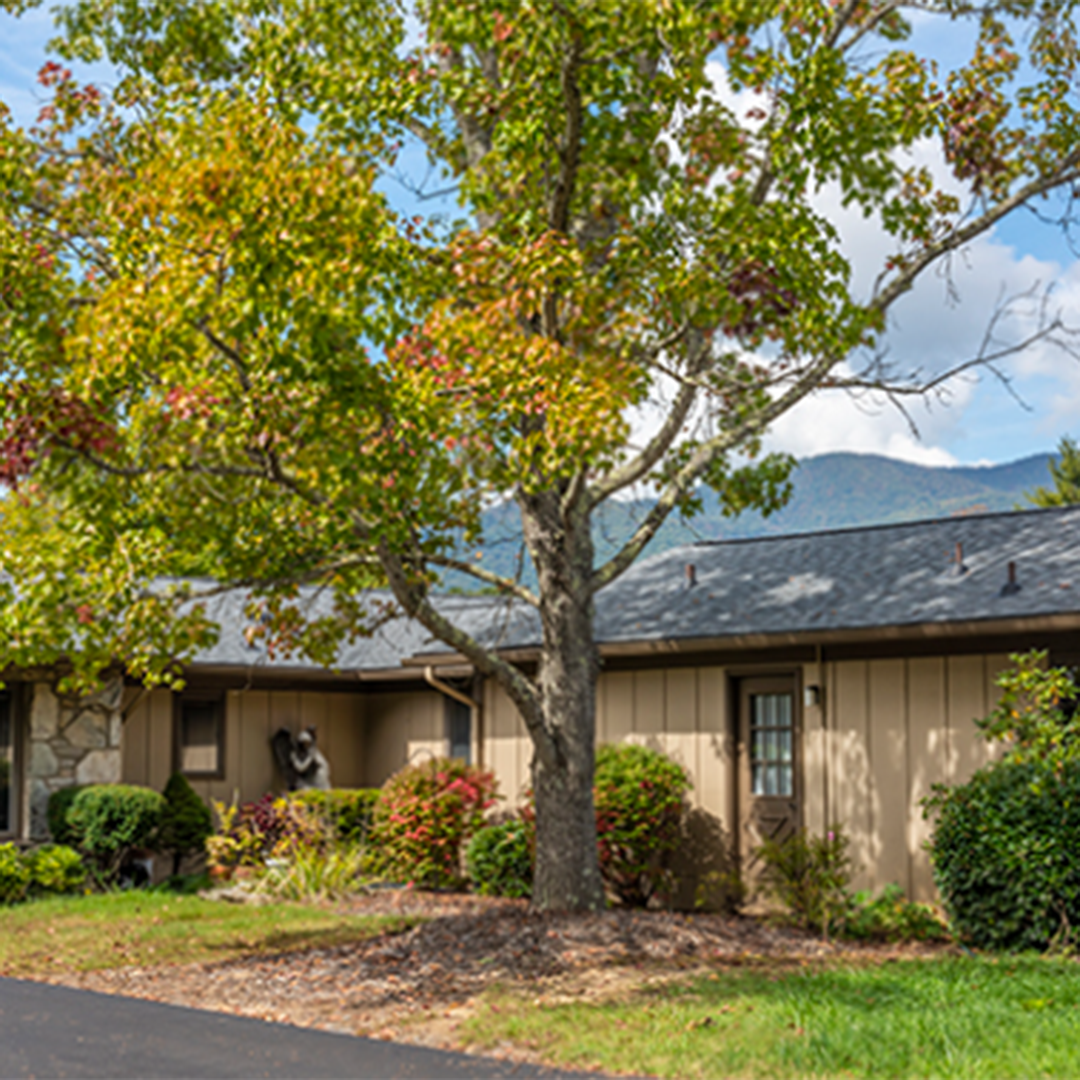
    Wynnshire Ridge Active Adult Community in Hickory NC. Single Level home with rock features and landscaping.

    One of the things I’ve come to really appreciate is the idea of aging in place—being able to stay in the home you love while making a few smart changes to keep it safe and comfortable as your needs evolve. There’s something deeply reassuring about staying in familiar surroundings, especially when the home is thoughtfully adapted. For many folks, that might mean adding grab bars in the bathroom, adjusting room layouts to improve flow, or widening doorways to make getting around easier. It’s all about making your home work for you, now and in the years to come.

    Relocating the bedroom to the main floor can reduce mobility challenges. Handrails in hallways, staircases, and near kitchen counters offer extra support. Low-impact flooring such as rubber or cork can mitigate fall risks. Together, these changes create a safer living space, fostering independence and peace of mind.

    Home assessments and various funding programs often provide financial assistance for these modifications, easing the financial burden and making aging in place more feasible for many seniors. Installing specialized medical alert systems can greatly enhance emergency response.

    Downsizing to a Smaller Home

    Givens Highland Farms

    Retiring to a smaller home offers a fresh start and easier navigation. Smaller homes require less upkeep, saving time and money on maintenance, leading to a more relaxed lifestyle.

    When I was house hunting in the Asheville area, one of the things at the top of my list was single-level living—and I ended up finding a great ranch-style home that fits just right. Having everything on one floor really makes day-to-day life easier, especially as we think long-term about comfort and mobility.

    These kinds of homes are popular with retirees for a reason—they cut out the hassle of stairs and make things like cleaning, cooking, and moving around so much simpler. Plus, smaller homes often come with a friendlier price tag, which can mean a bigger down payment and more manageable monthly expenses.

    Downsizing offers financial benefits, including lower mortgage payments and property taxes, allowing retirees to save significantly and enhance their retirement living or invest elsewhere.

    Embracing Condo Living

    Condos offer low-maintenance living, often in urban locations like Asheville, North Carolina. Many complexes include amenities like pools, gyms, and gated security. These features enhance quality of life and promote an active, healthy lifestyle.

    Condos provide social engagement opportunities and relieve residents of maintenance duties, freeing up leisure time. This lifestyle suits those who wish to enjoy retirement without the hassle of home upkeep. The convenience and community spirit of condo living make it a popular choice among retirees.

    One of the best parts about condo living is the built-in sense of community. With shared amenities and plenty of chances to socialize, it’s easy to meet neighbors and build real friendships. Whether it’s chatting by the pool, joining a walking group, or just bumping into familiar faces in the hallway, these little moments can really enrich your retirement and make every day feel a little more connected.

    Townhouses: A Middle Ground

    Townhouses have always been a smart option for retirees who want a comfortable home without stretching the budget too far. In many cases, they’ve been priced well under $200,000, which makes them especially appealing for anyone looking to keep costs in check. You still get that cozy, homey feel—just with fewer expenses and less maintenance than a standalone house. It’s a win-win!

    Offering more privacy and space than apartments, townhouses provide the potential for homeownership and serve as a balanced option for retirees. The blend of affordability and living benefits makes townhouses an appealing choice for retirees.

    Furthermore, townhouses offer retirement housing options that help retirees build equity, providing a significant advantage for future investment while enjoying comfortable, private living.

    Independent Living Communities

    Independent living communities are a great fit for older adults—especially baby boomers—who are ready to enjoy a maintenance-free lifestyle with just the right amount of support. Most of these communities welcome folks starting at age 62, though some open their doors as early as 55. Whether you’re looking for a cozy condo, a townhome, a single-family home, or even a mobile home, there’s a wide variety of housing options to choose from.

    Many communities also offer additional services like meal plans, housekeeping, and transportation. And while there is usually an application process, it’s often pretty straightforward and well worth it for the peace of mind and sense of community that come with the move.

    Independent living might not include daily care but often provides meal and laundry services. These communities frequently feature security, convenience, fitness facilities, and dining options tailored to dietary needs. On-site amenities such as beauty salons and barbershops boost residents’ self-esteem and well-being.

    Recent developments in urban development highlight outdoor spaces like gardens and walking trails, fostering a connection with nature. These communities are designed to promote social interaction through shared spaces and organized activities.

    Financing Your Retirement Home

    Seniors might sell their current home to finance a retirement home or modify their existing one using options like reverse mortgages. Programs from entities like the U.S. Department of Agriculture may offer financial assistance for home modifications, providing essential support for needed changes.

    Loans backed by FHA, VA, and USDA offer flexible financing options for seniors. Bank statement loans allow seniors to qualify for a mortgage using bank statements instead of traditional income verification. Asset depletion loans enable seniors to qualify for a mortgage based on their liquid assets’ value rather than traditional income.

    Seniors can use home equity lines of credit (HELOC) to access funds from their home’s equity. Transitioning to a smaller home usually lowers housing expenses, including mortgage payments and property taxes. Choosing retirement communities often results in savings, as they typically include services like maintenance and recreational facilities.

    Choosing the Right Location

    Access to healthcare services, including emergency care, is crucial when choosing a retirement location during retirement years. Local cultural amenities and activities greatly enhance the retirement experience and meet social needs. Cost of living varies widely; desirable locations may come with higher housing and service expenses.

    Being close to family and friends is vital, as it affects social connections and support networks. These areas are often close to essential services, shops, and recreational spots, enhancing convenience for residents. Your preferred climate, whether warm weather or distinct seasons, should match your daily comfort needs.

    Benefits of Active Adult Communities

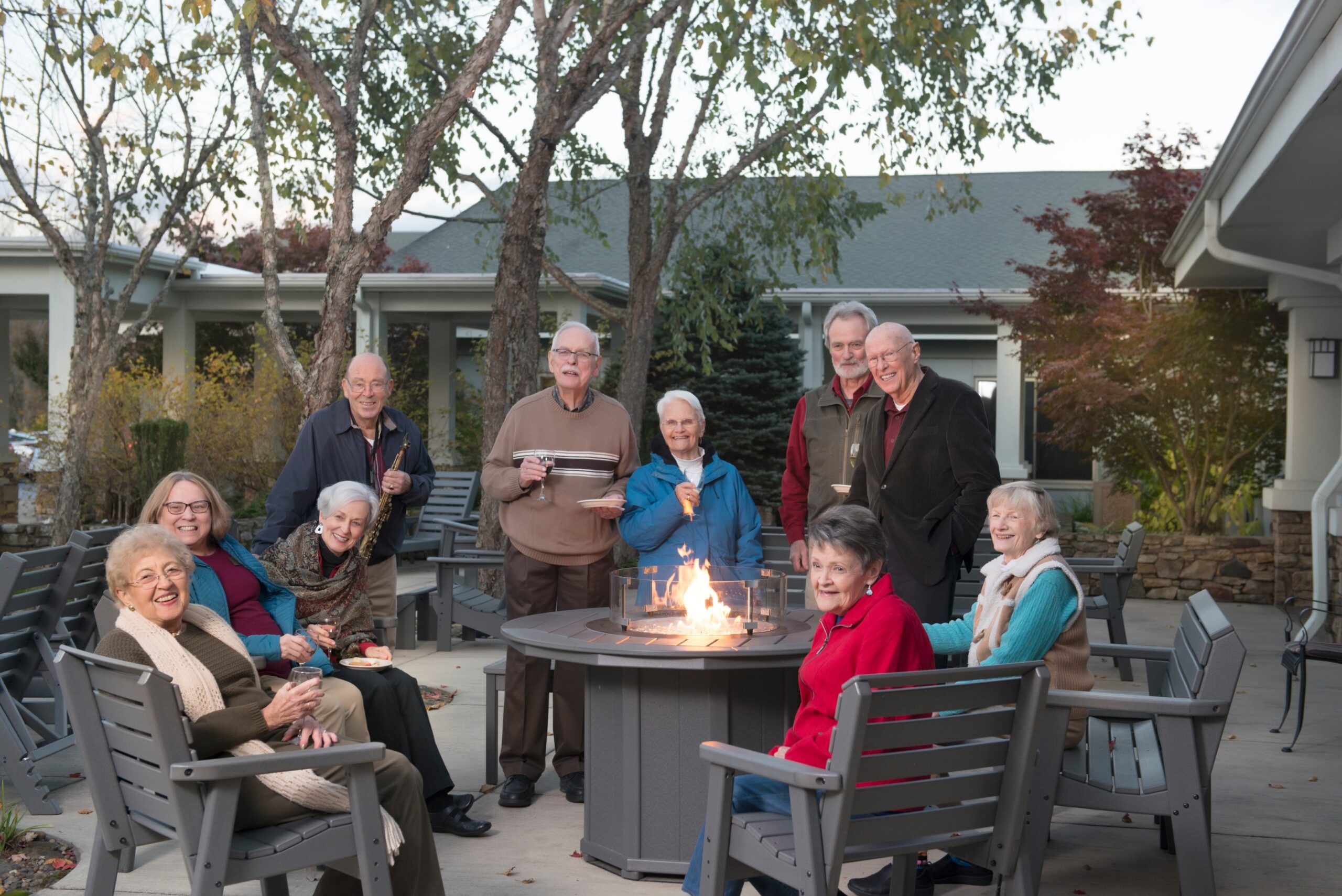
    Group of Ardenwoods residents enjoying their time together

    For most people, one of the big draws of active adult communities is the vibrant lifestyle they offer. These neighborhoods are designed with older adults in mind and often come packed with amenities—think golf courses, fitness centers, walking trails, and plenty of social activities to keep things fun and engaging. It’s easy to connect with neighbors who are in a similar stage of life, and that sense of community can be incredibly fulfilling. Plus, with a wide range of options available, there’s usually something to fit just about any financial situation.

    Health and wellness amenities in Life Plan Communities promote an active lifestyle in active retirement communities. They offer a supportive environment where retirees can enjoy their later years in a retirement community.

    Life Plan Communities: Comprehensive Care

    In a lively Asheville art studio, an older woman with short white hair from Ardenwoods smiles as she paints, embracing senior living. She holds a brush and palette filled with vibrant reds, yellows, and purples for her colorful abstract piece.

    Life Plan Communities, or continuing care retirement communities (CCRCs), offer a structured approach to retirement living. They are designed to provide varying levels of care and support as residents age. These communities offer peace of mind with a continuum of healthcare services as needs change. CCRCs facilitate seamless transitions from independent to assisted living as care needs evolve.

    Life Plan Communities, also known as Continuing Care Retirement Communities, offer a full spectrum of care all in one place—making them a smart choice for older adults who want to plan ahead. These communities typically include independent living options along with access to assisted living, memory care, and even nursing home services if needed down the road.

    Homes are often thoughtfully designed with aging in mind, featuring wide doorways and other accessible features. On top of that, many Life Plan Communities offer transportation services to help residents stay active and connected without the worry of driving. It’s a comforting blend of independence and support, all under one roof.

    Monthly fees may increase or stay the same as care needs grow, depending on community policies. Some communities offer assistance programs for residents who can no longer afford the monthly charge.

    Residents can tailor their schedules without fixed routines, promoting independence.

    When you’re thinking about relocating for retirement, having the right resources can make all the difference. Online directories focused on senior living are a great place to start—they help narrow down options and save time. Reading reviews from current or former residents can also give you a real feel for what life is like in different communities. Local community centers often have helpful information too.

    And don’t forget to check out Carolina Living Choices, both the website and our print magazine—they’re packed with trusted listings, articles, and advice tailored specifically for seniors and their families exploring retirement living in Western North Carolina.

    A senior living advisor can tailor the search to your specific needs and preferences. This personalized approach makes finding the perfect retirement home more manageable and less overwhelming.

    Summary

    In conclusion, finding the perfect retirement home requires careful consideration of various housing options, financial aspects, and personal preferences. From aging in place to exploring independent living communities, each choice offers unique benefits that can significantly enhance your retirement years.

    By understanding the different options and planning accordingly, you can ensure a comfortable and fulfilling retirement. Embrace this new chapter with confidence and excitement, knowing that the perfect home is within reach.

    Frequently Asked Questions

    What are the benefits of aging in place?

    Aging in place offers seniors the benefit of staying in familiar surroundings, promoting their independence and comfort while enhancing safety through necessary home modifications. This approach not only fosters emotional well-being but also allows for continuity in social connections and daily routines.

    Why should I consider downsizing to a smaller home?

    Downsizing to a smaller home can lead to lower maintenance costs and mortgage payments, allowing for a more manageable lifestyle and potential savings. This choice offers a practical solution for those seeking financial relief and simplicity.

    What amenities are typically available in independent living communities?

    Independent living communities typically offer amenities such as security, fitness facilities, dining options, and services like meal preparation and laundry, all designed to foster a convenient and active lifestyle.

    How can I finance my retirement home?

    You can finance your retirement home through various means such as selling your current home, obtaining a reverse mortgage, pursuing government-backed loans, or leveraging home equity lines of credit. These options can help you achieve your goal of securing a comfortable living situation in retirement.

    What factors should I consider when choosing a retirement location?

    Consider accessibility to healthcare, cost of living, proximity to family and friends, available local amenities, and your climate preferences when choosing a retirement location. Prioritizing these factors will help ensure a comfortable and fulfilling retirement.

  • “How to Make Shopping with an Aging Parent a Little Easier” by our Publisher Betsy O’Leary

    “How to Make Shopping with an Aging Parent a Little Easier” by our Publisher Betsy O’Leary

    “How to Make Shopping with an Aging Parent a little easier”

    In my last blog, I shared the ups and downs of taking my mom shopping at Walmart. It was a trip full of memories, both sweet and bittersweet, but it wasn’t without its challenges. If you’re caring for an aging parent, you know how outings like these can be both meaningful and exhausting. Over time, I’ve learned a few strategies that help make these trips smoother-for both my mom and me.

    Here are some tips to keep in mind if you’re planning a shopping trip with your aging parent:

    1. Plan Ahead, but Stay Flexible

    Have a general idea of what you need to pick up, but remember the outing might not go as planned. Allow extra time for wandering, storytelling, or detours. Flexibility can help ease frustrations for both of you.

    1. Choose the Right Time

    Pick a time of day when your parent is most energetic and focused. For my mom, mornings work best. Also, avoid peak shopping hours to minimize distractions and stress. Also Walmart is a great store but maybe CVS, Walgreens or Aldi might be easier to navigate and have a smaller selection to make choices easier and manageable.

    1. Encourage Participation

    Let your parent take the lead where they can. Whether it’s pushing the cart, picking out produce, or making small decisions, being involved can make them feel more connected and in control. Shopping carts or shopping buggies are very large at some stores, maybe a smaller cart easier to push and navigate! 

    1. Redirect with Compassion

    If they get fixated on items they don’t need or can’t use, try redirecting the conversation gently. For instance, when my mom picked up a pizza, I reminded her she doesn’t have an oven and then suggested we could go out for pizza together sometime (even if she ultimately declined).

    1. Embrace the Memories

    Shopping can trigger a flood of memories. Some may be warm and heartfelt; others may bring up challenges or frustrations from the past. Take a deep breath and listen. These moments can be an opportunity to connect and understand your parent better.

    1. Be Realistic About Your Limits

    It’s okay to feel drained or frustrated-it’s a lot to balance. Give yourself grace, and consider shorter trips if you’re feeling overwhelmed.

    1. Have a Post-Trip Plan

    Outings can be tiring for both of you. Plan for some downtime afterward-maybe a quiet coffee break together or time for each of you to recharge.

    1. Ask for Help When Needed

    If shopping trips become too challenging, don’t hesitate to ask for help. A family member, friend, or even a caregiver could step in, giving you both a break when necessary.

  • “A Trip Down Memory Lane (and Detours) in the Aisles of Walmart” by our Publisher Betsy O’Leary

    “A Trip Down Memory Lane (and Detours) in the Aisles of Walmart” by our Publisher Betsy O’Leary

    “A Trip Down Memory Lane (and Detours) in the Aisles of Walmart”

    Taking my mom shopping at Walmart for “a few things” seemed simple enough when we planned it. But as with many things in life, what started as a straightforward errand turned into a layered experience-one filled with nostalgia, moments of connection, and, I’ll admit, a fair share of frustration.

    Mom lives in assisted living now, where all her meals are prepared for her. She doesn’t cook anymore, but the moment we entered the produce section, it was clear how much she missed it. She wandered through the brightly lit aisles, picking up peppers and leafy greens, remembering the stir-fries she used to make. Her face softened as she reminisced about days spent chopping and stirring in her kitchen. I felt a pang of sadness, knowing how much those routines had meant to her.

    Then came the frozen pizza. “I could make this,” she said confidently, holding the box like a prized treasure. I had to remind her gently-again-that she doesn’t have an oven in her room. “Oh, right,” she said with a wry smile, putting it back. But as she turned away, she added, “Pizza gives me heartburn anyway,” with a light laugh.

    While many of these moments felt warm and touching, others were draining. For every story that brought a smile, there were several moments of redirection, reminders, and patience-testing detours. She’d pick up items we didn’t need, insist on getting something she couldn’t use, or fixate on things from recipes she hadn’t cooked in decades. The best was picking up a cup of ramen noodles! Mom is supposed to be on a low sodium diet!  And honestly? It was exhausting.

    We’d get stuck in memories that weren’t always sweet. Some took us back to my childhood, where cooking wasn’t always a fun family activity-it was sometimes chaotic, rushed, or just another chore in a busy household. She’d recall burning dinner while trying to help me with homework  or picking up Kentucky Fried Chicken bucket.  These weren’t the rosy, cinematic memories you’d expect, but they were real.

    There were times I found myself biting my tongue, frustrated that the trip was dragging on and not going as planned. I’d have to gently steer her away from piling our cart with items she didn’t need or couldn’t use.

    And let’s be honest-shopping in a crowded Walmart on any day can be overwhelming, let alone when you’re balancing your own emotions with the needs of a parent who’s longing for a piece of their past.

    But even through the frustration, I realized something important: this wasn’t just about groceries. The trip was her way of connecting with a part of herself she doesn’t get to express anymore. It wasn’t just shopping; it was reminiscing, processing, and sharing.

    When we finally made it to the checkout, I felt drained. But as we sat in the car, bags in the trunk and her stories still fresh in my mind, I realized how meaningful the trip had been. It wasn’t perfect-far from it-but it mattered.

    Sometimes, these moments with aging parents aren’t easy. They’re a mix of joy, fatigue, love, and, yes, frustration. But they’re also reminders to slow down, meet them where they are, and find grace in the in-between moments.

    The groceries we left with weren’t just items on a list. They were touchstones for memories, a bridge between then and now. And for that, I’m grateful-exhausted, but grateful.

  • “Holidays with Mom: Navigating Joy, Frustration, and the New Normal” by our Publisher Betsy O’Leary

    “Holidays with Mom: Navigating Joy, Frustration, and the New Normal” by our Publisher Betsy O’Leary

    “Holidays with Mom: Navigating Joy, Frustration, and the New Normal”

    The holidays have always been special in my family. Mom loved them-her house was always decorated just so, the food was homemade and perfect, and every detail reflected her love for the season. But now, things are different. Mom lives in assisted living, and the holidays are no longer her domain. It’s a shift she hasn’t fully accepted, and to be honest, neither have I.

    These days, her mindset is a mix of forgetfulness and resentment. She insists she doesn’t belong in assisted living, that she’s perfectly capable of being on her own, and that she’s just there because we “don’t want to deal with her.” Trust me, hearing that stings every time. And the holidays? They seem to magnify everything-her anger, her sadness, and my own frustration as I try to make the season special for both of us.

    A Holiday in Layers

    Last year, I made the mistake of over-planning. I wanted to recreate some of our old traditions-decorating cookies, shopping for gifts, and hosting a family meal at my house. I thought it would make her happy. But from the moment I picked her up, things were off.

    “Why do I even have to go back there?” she asked in the car, meaning the assisted living facility. “I’m fine on my own.” I started to explain, again, that she needs help with daily things-medications, meals, getting around safely-but she wasn’t having it. The more I tried to soothe her, the angrier she got. By the time we got to my house, I was emotionally drained, and the day had barely started.

    Shopping, But Not for Gifts

    Gift shopping was another hurdle. We went to the mall, something she used to love, but it was clear the experience wasn’t the same for her. She couldn’t keep track of what we were looking for and kept insisting we buy things that didn’t make sense. At one point, she wanted to get a sweater for my brother-one three sizes too small. When I gently pointed it out, she snapped, “Well, you’re the expert on everything, aren’t you?”

    Mom wasn’t just frustrated with the shopping; she was frustrated with me, with the situation, with the reality that things had changed. And honestly? I was frustrated too. I wanted so badly to make her happy, but nothing I did seemed to work.

    Letting Go of Perfection

    By the time the holidays were over last year, I was emotionally and physically spent. I’d tried so hard to recreate the magic of the past, but all it seemed to do was highlight everything that was different now.

    This year, I’m approaching things differently. Instead of trying to force joy, I’m focusing on what’s manageable for both of us. I’ve accepted that Mom might not always be happy, and that’s okay. Her anger about being in assisted living isn’t something I can fix with outings or gifts, no matter how hard I try.

    What We’re Doing Instead

    This year, I’m keeping it simple.

    • Decorating her space: We’ll put up a small tree in her room with a few ornaments from her collection. It’s less overwhelming than doing the whole house, and it brings a touch of her old traditions into her new space.
    • A low-key meal: Instead of a big family dinner, we’ll have something simple-maybe takeout or a small lunch together. It’s less stressful for both of us and gives her a chance to enjoy without feeling out of place.
    • Short outings: If she’s up for it, we’ll do one or two short trips, like driving around to look at lights or picking out a gift for one of the grandkids.

    I’ve also let go of the idea that I need to “fix” her mood. If she’s angry, I try not to take it personally. If she forgets something, I remind her gently and move on. It’s not easy, and there are still moments when I want to scream into a pillow, but I’m learning that the holidays don’t have to be perfect to be meaningful.

    Finding the Joy in the Messiness

    Not every moment is beautiful. Some are downright hard. But then there are small, surprising flashes of connection-a shared laugh over an old family story, the way her face lights up when she sees a photo of her grandkids, or the simple peace of sitting together in the glow of a Christmas tree.

    The holidays with Mom aren’t what they used to be, and they may never be again. But they’re still ours, messy and complicated and real. And for now, that’s enough.

  • From the Desk of Billie Breeden, Age-Friendly Buncombe County News for August

    From the Desk of Billie Breeden, Age-Friendly Buncombe County News for August

    Buncombe County Age Friendly News for August 2024

    From the Desk of Billie Breeden, M.S.
    She/Her
    Health and Human Services
    Age-Friendly Coordinator (828) 767-4376
    40 Coxe Avenue, Asheville, NC 28801
    If you are interested in receiving information about Age-Friendly Buncombe County please visit this link and add your information:  https://forms.office.com/g/aTdbcU9rKt
    —————————————————————–

    ASHEVILLE BUNCOMBE BLACK ELDERS (ABBE) ENGAGEMENT PROJECT

    ABBE Community Meeting

    Saturday, August 24 from 10:30 am – 1:00 pm

    Skyland/South Buncombe Library, 260 Overlook Road, Asheville, 28803. 

    Come join us and learn about affordable housing from Givens Gerber Park, weatherization from Community Action Opportunities, fall prevention programs and what we can do to prevent falls from Brea Kuykendall, Aging Program Specialist, Health Promotion and Disease Prevention, at Land of Sky Regional Council Area Agency on Aging.  Join us for exercise too!  FREE.  Please RSVP to ZaKiya Bell-Rogers at (828) 216-3423 or ZaKiya.Bell-Rogers@buncombecounty.org.  Skyland/South Buncombe Library, 260 Overlook Road, Asheville, 28803.

    —————————————-

    BUNCOMBE COUNTY SHERIFF’S OFFICE

    Buncombe County Sheriff’s Office Invites You to National Night Out

    Tuesday, August 6 from 5:00 pm – 8:00 pm

    Charles Owen Park, 875 Warren Wilson Road, Swannanoa

    National Night Out is an annual, family-friendly event where first responders and community members work together to build a stronger and safer community.  There will be food trucks, ice cream, and games.  Free bike helmets and car seats will be available while supplies last and the first 100 visitors will get a complimentary meal.  The Buncombe County Sheriff’s Office is excited to see everyone at this fun and community-building event.

    —————————————-

    LAND OF SKY AREA AGENCY ON AGING

    Tai Chi for Arthritis and Fall Prevention

    August 7 – September 27

    Wednesdays, 12:15 pm – 1:00 pm and Fridays, 11:30 am – 12:30 pm

    West Asheville Library, 942 Haywood Rd, Asheville, 28806.

    This program was designed by medical professionals to improve flexibility, strength, and fitness.  Tai Chi is a mind-body exercise that reduces stress, increases relaxation, relieves pain, and improves physical function to increase balance and reduce the risk of falls.  Classes are open to the public and offered at NO CHARGE for adults, age 60 and over.  Registration required.  Please contact Brea at brea@landofsky.org or call 828-251-7438.

    —————————————-

    VIRTUAL COMPANY

    Virtual Company Sessions – Mondays and Saturdays at 3:00pm

    Are you spending time alone or know someone who is spending time alone?  Meet new friends via Zoom!  Virtual Company allows you to connect, virtually, once or twice a week. #VirtualCompany .  Sessions started July 15.  For more information, please contact Ms. Bettie Council at lionessdear@yahoo.com .

    —————————————-

    DEMENTIA FRIENDLY WNC

    Dementia Awareness Session

    Tuesday, August 13 from 12:30 pm to 2:30 pm

    AmeriHealth Caritas NC

    216 Asheland Ave, Asheville, 28801

    Come join us for an interactive session where you will learn to recognize dementia symptoms and receive tips on how to help a person living with dementia feel accepted and respected.  Virtual and in-person attendance options.  For in-person, space is limited and lunch will be served.  Please RSVP by calling 828-820-2080 or emailing dementiafriendlywnc@gmail.com.

    —————————————-

    BLUE RIDGE PRIDE GENERATION PLUS

    Connection Practice & Intentional Listening Workshop with Seek Healing

    Tuesday, August 6th from 2:30pm-3:45pm

    UNCA Cooperative Campus Ministries House

    24 Hyannis Drive, Asheville, 28804

    Join us for a session in which we practice intentional listening and gain skills in connecting with others while having difficult conversations. Seek Healing will be supporting us in mediating this conversation and in building skills to have more meaningful and open dialogue.  Please RSVP at https://www.blueridgepride.org/generation-plus/#GenPlusRSVP .

    ———————————————–

    Connections @ Folk Art Center & Lunch

    Friday, August 9th from 10:00 am-1:30 pm

    Milepost 382

    Join us for a morning at the Folk Art Center along the Blue Ridge Parkway. We will venture through craft exhibitions, witness artisan demonstrations, and visit the folk art market. Afterwards, we will be having lunch together at East Village Grille.  Please RSVP to Luna Britt at lbritt@blueridgepride.org or https://www.blueridgepride.org/generation-plus/#GenPlusRSVP .

    ———————————————–

    Thrive Lunch and Learn – Advance Care Directives

    Wednesday, August 28 from 12:00 pm – 2:00 pm

    ———————————————–

    UNCA Cooperative Campus Ministries House

    24 Hyannis Drive, Asheville, 28804

    Every 4th Wednesday of the month, 12-2 PM, Blue Ridge Pride Generation Plus offers a free lunch and learning session for our LGBTQ+ Elders.  On August 28th from 12-2 PM, LGBTQ+ Elders are invited to join us for a free lunch and learn.  Local attorney Cynthia Alleman (she/her) will be leading a workshop on Advance Care Directives, wills, and understanding legal hurdles as we age. Cynthia has been in this practice for over 25 years and plans to share a bit of her wisdom with us!  Please RSVP at https://www.blueridgepride.org/generation-plus/#GenPlusRSVP .

    —————————————-

    AARP MOUNTAIN REGION

    Let’s Talk About Voting: A Multigenerational Approach

    Monday, August 12 from 12:00 pm – 1:00 pm

    Linwood Crump Shiloh Community Center, 121 Shiloh Road, Asheville, 28803.

    Learn about the upcoming election with the Buncombe County Board of Elections staff.  Topics will include changes to election laws, new voter ID requirements including how to obtain a new ID, significant dates to know, and locations for voting.  The Board of Elections will  be prepared to make photo IDs if needed.  To register, please go to  AARP Mountain Region Event/Voting/Shiloh.  For questions, contact AARP NC at ncaarp@aarp.org.

    ———————————————-

    Let’s Talk About Voting: A Multigenerational Approach

    Wednesday, August 14 from 2:00 pm – 3:00 pm

    Maple Crest Apartments, 20 Lee Garden Lane, Asheville, 28801.

    Learn about the upcoming election with the Buncombe County Board of Elections staff.  Topics will include changes to election laws, new voter ID requirements including how to obtain a new ID, significant dates to know, and locations for voting.  The Board of Elections will  be prepared to make photo IDs if needed.  To register, please go to AARP Mountain Region Event/Voting/Maple Crest    For questions, contact AARP NC at ncaarp@aarp.org.

  • Pet Companionship in Retirement

    Pet Companionship in Retirement

    Pet Companionship in Retirement

    Retirement offers the perfect opportunity to welcome a pet into your life, bringing joy, companionship, and numerous health benefits. Here’s why pets can be wonderful additions and what to consider before adopting one.

    Benefits of Pet Companionship

    1. Emotional Support: Pets offer unwavering loyalty and affection, alleviating loneliness and providing a sense of purpose. A dog’s wagging tail or a cat’s gentle purr can bring immense joy and comfort.
    2. Physical Health: Dogs encourage regular walks, leading to improved cardiovascular health and overall fitness. Even playing with a cat or small pet can keep you active and agile.
    3. Mental Health: Petting an animal releases endorphins, reducing stress and anxiety. Pets provide routine and structure, enhancing mental well-being and offering a comforting presence.
    4. Social Interaction: Pets are great conversation starters, fostering social connections through walks, vet visits, and community events.

    Considerations Before Getting a Pet

    1. Lifestyle and Activity Level: Choose a pet that matches your lifestyle. Dogs need daily exercise, while cats are more independent. Consider your mobility and energy levels.
    2. Financial Commitment: Budget for food, veterinary care, grooming, and supplies to ensure you’re financially prepared for long-term pet care.
    3. Health and Mobility: Assess your ability to meet a pet’s needs, including walking, feeding, and cleaning.
    4. Pet’s Age and Lifespan: Decide between a young, energetic pet or a more settled older one, considering their lifespan and your future plans.
    5. Support System: Ensure you have friends or family to help with pet care and research local pet care services for additional support.

    Pet companionship can greatly enrich your retirement years. By considering your lifestyle, health, and financial situation, you can find the perfect pet to share your journey and enjoy the many rewards of having a furry friend by your side.