Explore education and enrichment programs for older adults in Western North Carolina. Find lifelong learning classes, workshops, and senior-friendly activities to support healthy aging and mental wellness
As families begin planning for retirement and long-term aging needs, one important topic is often overlooked: social connection. While many older adults in Asheville, NC and Hendersonville, NC value independence and aging in place, maintaining meaningful relationships and regular interaction is just as important as home safety, healthcare, and financial planning.
How Isolation Impacts Older Adults
Isolation does not always mean being physically alone. Many seniors experience loneliness even while living with family or participating in group settings. A lack of meaningful interaction, fear of burdening loved ones, or limited mobility can all contribute to feelings of disconnection.
Research consistently shows that social isolation can increase the risk of depression, anxiety, memory decline, and other health concerns. In contrast, regular social interaction can help lower stress, improve emotional well-being, and encourage healthier daily routines.
For many families exploring retirement options or senior planning resources in Western North Carolina, understanding the emotional side of aging is just as important as preparing for physical care needs.
Simple Ways to Encourage Social Connection
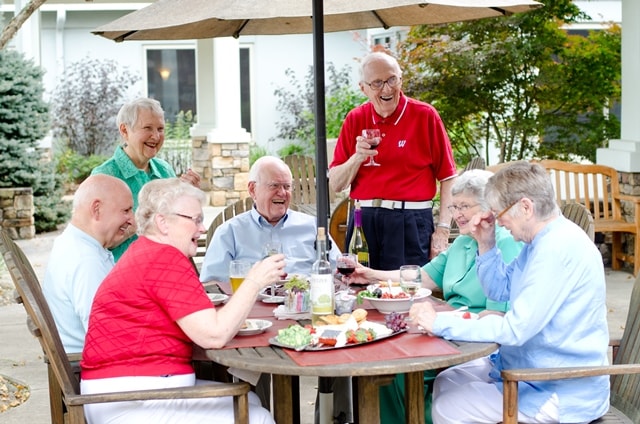
Photo Credit: Ardenwoods Retirement Community
Participate in Community Activities
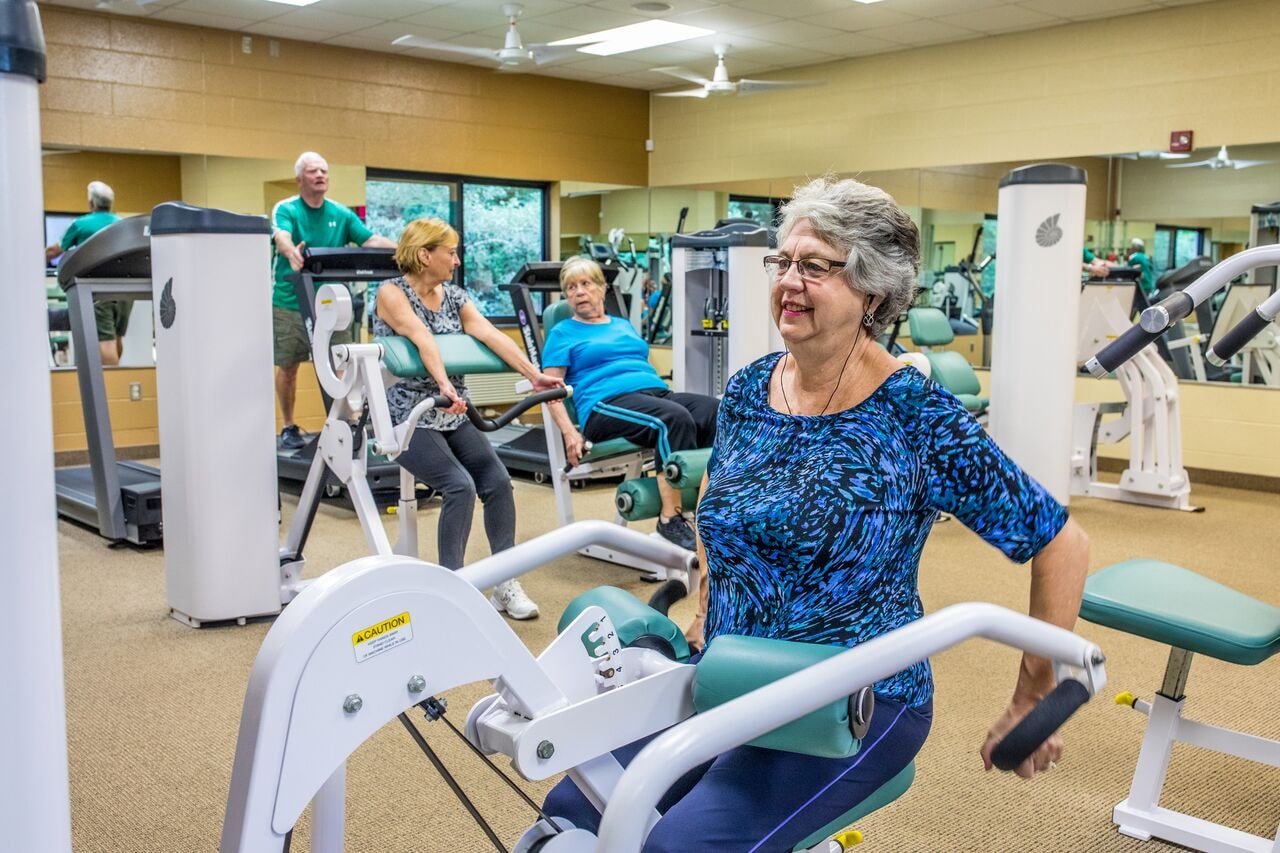
Retirement communities, senior centers, and local organizations throughout Asheville, NC and Hendersonville, NC often offer activities designed to encourage social engagement. Music programs, fitness classes, arts and crafts, educational workshops, and group outings can help older adults build friendships and maintain a sense of purpose.
Families can support aging loved ones by reviewing community calendars together and encouraging participation in activities that match their interests and comfort level.
Encourage Shared Hobbies
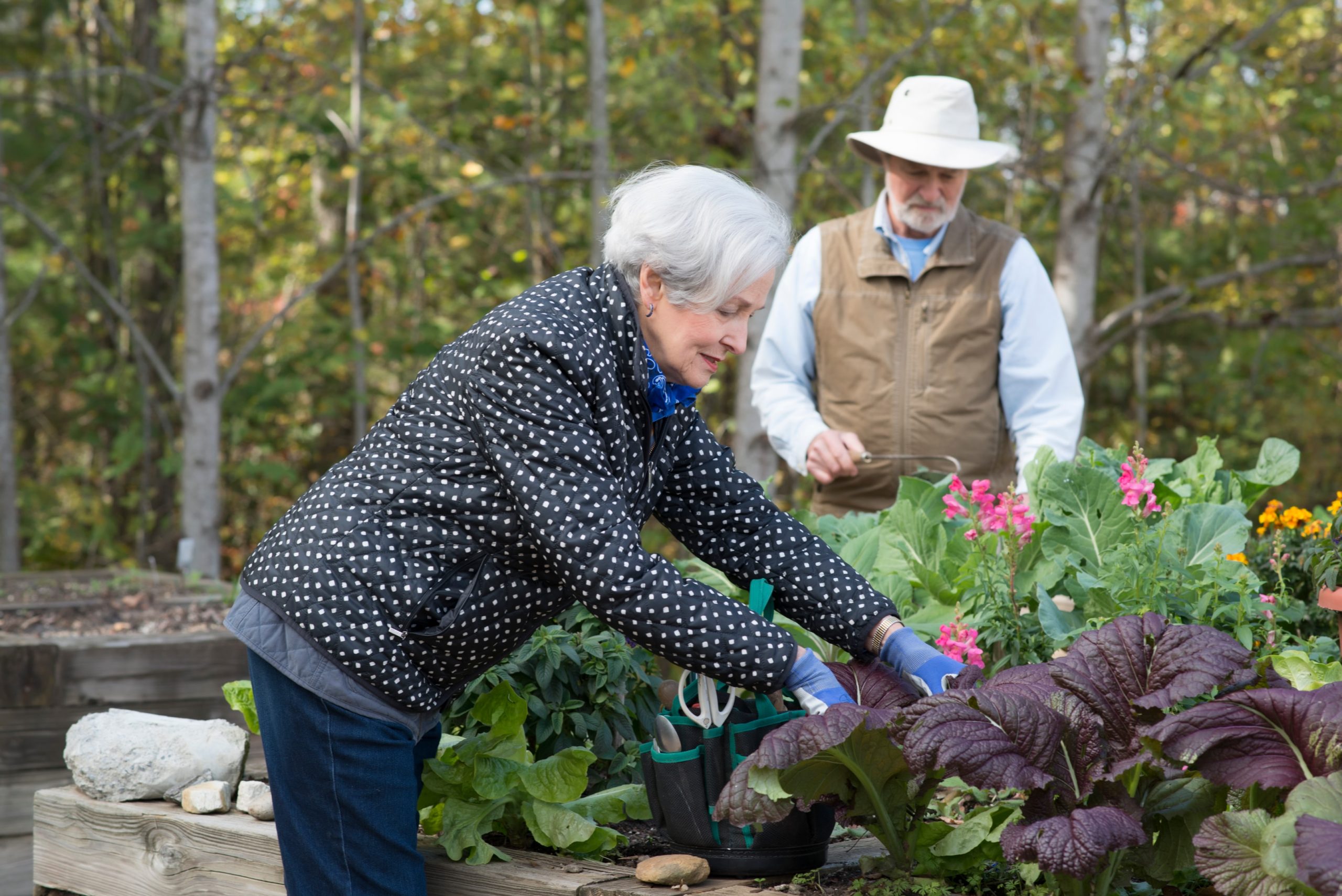
Spending time together around familiar hobbies can help strengthen family relationships and reduce feelings of isolation. Reading together, gardening, cooking, knitting, or even watching favorite movies can create valuable opportunities for conversation and connection.
These small moments often become meaningful routines that improve emotional well-being over time.
Use Local Senior Resources
Programs like Meals on Wheels offer more than nutritional support. Regular visits from volunteers or delivery drivers provide important social interaction and wellness check-ins for seniors aging in place.
Many senior resources in Western North Carolina also offer transportation services, support groups, wellness programs, and educational opportunities that encourage older adults to stay active and engaged.
The Important Role of Caregivers
Caregivers often become one of the most consistent sources of daily interaction for older adults. A simple conversation, thoughtful question, or friendly greeting can make a significant difference in someone’s emotional health.
Care coordination is not only about managing appointments or medications. It also includes helping seniors feel heard, respected, and connected. Caregivers who take time to build genuine relationships can help reduce loneliness and improve overall quality of life.
Overcoming Common Barriers to Connection
Fear of Being a Burden
Many older adults hesitate to ask for help because they do not want to burden family members. Open and honest conversations about aging, retirement planning, and future support can help ease these concerns.
Families should work together to create supportive plans that balance independence with safety. Discussions about home modifications, fall prevention, transportation, and caregiving needs can help older adults feel more confident about accepting assistance when needed.
Limited Awareness of Opportunities
Some seniors simply may not know what resources are available to them. Local libraries, community colleges, churches, and senior centers often provide classes, volunteer opportunities, and social events specifically designed for older adults.
Volunteering can be especially beneficial because it creates both social interaction and a renewed sense of purpose. Even small opportunities to contribute to the community can positively affect mental and emotional health.
Key Takeaways
Social connection is an essential part of healthy aging and retirement planning. Older adults who stay socially engaged often experience better emotional and physical well-being.
Isolation can happen even when seniors are surrounded by others. Meaningful interaction and regular communication are important for reducing loneliness and supporting mental health.
Families and caregivers play a major role in helping older adults stay connected through community activities, shared hobbies, volunteer opportunities, and local senior resources.
Open conversations about aging in place, caregiving support, home safety, and long-term planning can help seniors feel supported without feeling like a burden.
Communities throughout Asheville, NC and Hendersonville, NC offer valuable programs and services that encourage connection, independence, and a higher quality of life during retirement.
Healthy Aging Requires Connection
Healthy aging involves much more than medical care or physical safety. Strong social connections help older adults maintain emotional wellness, reduce stress, and enjoy a greater sense of fulfillment during retirement.
Whether a loved one is aging in place, exploring independent living, or considering retirement communities in Asheville, NC or Hendersonville, NC, maintaining meaningful relationships should remain a priority.
Families, caregivers, and community organizations all play an important role in helping seniors stay connected. Even small interactions can have a lasting impact on emotional well-being and quality of life.
Most families don’t think about aging in place until something goes wrong. Jessie Bosshard explains what a real plan looks like—and why starting earlier changes everything.
The bigger takeaway is this: you don’t have to solve everything today. Start early, start small, and keep the focus on the life your loved one wants to keep living—right at home, with support that grows as needed. Aging in Place Starts With the Life You Want to Keep Living
In Carolina Living Choices’ Ask the Expert series, publisher and host Betsy O’Leary sat down with Jessie Bosshard, Executive Director of Givens Home First, to talk about what it really takes to age in place safely and confidently in Western North Carolina. Their message was simple: planning for independence isn’t only about avoiding problems. It’s about protecting the lifestyle that matters most—especially as retirement approaches and daily routines begin to shift.
Start the Conversation Before There’s a Crisis
Many families don’t start senior planning until something goes wrong—a fall, a hospitalization, or a sudden change that forces urgent decisions. Jessie encourages families in Asheville and surrounding communities to begin earlier, when choices are wider and stress is lower.
Instead of leading with “What care do you need?” she recommends starting with the bigger question: “How do you want to live?” That approach keeps the focus on quality of life, not fear. It also helps older adults feel respected and in control, which is often the most important part of aging in place.
Home Care Isn’t Only for Emergencies
One of the biggest misconceptions is that in-home care is only needed after a major event. Jessie shared that home care can start small—just a few hours a month—to support independent living and preserve energy for the things that bring joy.
That support might look like help with grocery shopping, meal prep, light housekeeping, errands, or simply companionship. For someone who lives alone, having a consistent, trusted helper can create a “rhythm of support” that makes it easier to stay connected and confident at home over time.
Home Safety and Home Modifications That Prevent Falls
A home safety evaluation is one of the most practical first steps for fall prevention. A Certified Aging in Place Specialist can look at the home environment with fresh eyes and recommend changes that reduce risk without turning the house upside down.
Home modifications don’t have to be major renovations. Often, small, thoughtful updates make the biggest difference: better lighting, safer bathroom setups, sturdy handholds, adjusted bed height, and improved pathways through the home. These changes support home safety now and can also prepare the home for future needs.
Avoid the “All-or-Nothing” Trap
Jessie emphasized that aging services are not one-size-fits-all. A well-thought-out aging in place plan doesn’t follow a neat checklist from A to Z. It’s personal, and it evolves.
When families wait too long, it can feel like choices are “all or nothing”—either full-time caregiving or a drastic move. Planning earlier opens the door to flexible options that can be layered in gradually, based on what the older adult wants and what the family can realistically support.
Who to Call When You’re Not Sure Where to Start
For adult children visiting from out of town and noticing concerns, Jessie recommended starting with a trusted medical provider and being honest about what you’re seeing. Primary care teams often know local senior resources and can help connect families to next steps.
She also pointed to community hubs like the local Council on Aging, which can guide families to reputable options for in-home care, care coordination, support groups, and other senior resources across the region, including Asheville and Hendersonville.
Coordinating Care Without Taking Over
Families often worry that helping will feel like “taking over.” Jessie offered a helpful reminder: most families don’t have it all figured out, and they’re not meant to. The goal isn’t perfection. It’s being intentional and taking one step at a time.
To keep a parent empowered, start with a conversation before appointments and ask permission to participate. Framing support as teamwork (instead of supervision) helps protect autonomy while still addressing safety.
When the moving parts feel overwhelming—care needs, home decisions, and long-term planning—working with a care coordinator can reduce pressure on the family. Care coordination can help prioritize, connect the dots, and keep the plan aligned with the older adult’s preferences.
A Simple Question to Open the Door
If “Where do you see yourself in 10 years?” feels too big, Jessie suggests starting smaller: “What brings you joy?” Then build from there.
For example, if walking the dog brings joy, the next step is to talk about what might become harder in a year or two—carrying food, managing long walks, lifting heavy items, or handling errands. From there, families can add targeted help that supports the goal, rather than focusing only on limitations.
Support for Caregivers in Western North Carolina
Caregiving insights matter, especially for adult daughters managing responsibilities from a distance. Jessie encouraged caregivers to lean on trusted friends or family first if the conversation feels hard to start. Then, reach out locally for guidance.
Support groups and caregiver education may be available through regional organizations, including Councils on Aging and memory care education programs. Even if your parent lives outside Asheville, starting with local senior resources can quickly point you toward the most relevant help.
Small Ideas Can Make a Big Difference
Aging in place is often improved by practical, everyday solutions. Jessie shared an example that surprised many people: simple bathroom upgrades—like adding a bidet attachment—can support cleanliness and dignity and may reduce health issues like UTIs for some older adults.
The bigger takeaway is this: you don’t have to solve everything today. Start early, start small, and keep the focus on the life your loved one wants to keep living—right at home, with support that grows as needed.
“If you make just one decision today, that’s one less decision you’ll have to make during a crisis.”
In a recent conversation with Daniel Pickus of Senior Helpers of Asheville, NC, this simple but powerful reminder highlights the importance of planning early—before a fall or hospitalization—to reduce stress and support better long-term decisions.
Aging in Place Starts with Small Steps: How to Stay Safe and Independent at Home
Introduction
For many families in Western North Carolina, including Asheville and Hendersonville, the goal is clear: remain at home safely and independently for as long as possible. Aging in place is achievable, but it requires thoughtful planning, awareness, and the right support systems. In a recent Ask the Expert conversation, Daniel Pickus of Senior Helpers of Asheville shared practical guidance to help families take those first steps with confidence.
Start with Daily Routines and Home Safety
The first step in senior planning is surprisingly simple—take an honest look at daily routines and the home environment. Most people don’t need major renovations, but small changes can significantly improve safety.
Think about everyday activities like bathing, cooking, taking medications, and moving through the home. Are there risks? Could better lighting prevent a fall? Would adding a second handrail make stairs easier to navigate?
Even minor home modifications can support aging in place while maintaining independence.
Why Waiting Too Long Creates Bigger Problems
One of the most common mistakes families make is waiting for a crisis. A fall, hospitalization, or caregiver burnout often forces quick decisions under pressure.
Without a plan, options become limited. Families may feel overwhelmed trying to coordinate care, rehabilitation, and home support all at once. Creating a care plan early allows for thoughtful decisions instead of reactive ones.
As Daniel Pickus emphasized, putting even one piece of a plan in place today can ease the burden later and help families avoid unnecessary stress.
Build a Support Team Before You Need It
Aging in place is not a solo journey. It requires a team of professionals and community support. Consider connecting with:
A home care agency that understands both health needs and home safety
An occupational therapist to evaluate mobility and home layout
A primary care provider to manage health conditions and medications
Care coordinators or geriatric care managers for long-term planning
One simple but critical step is maintaining an up-to-date medication list. This ensures accurate care during doctor visits or emergencies.
The Value of a Home Assessment
When planning for care for a loved one, it can feel overwhelming, stressful, and even confusing to understand what type of support is truly needed. Families often ask: Where do we start? Who should be involved? And what level of care makes sense right now?
In the conversation, Betsy O’Leary, Publisher and CAPS asked about how families can get clarity early, and Daniel explained that it doesn’t have to be complicated. Senior Helpers offers a unique approach through their Senior Helpers LIFE Profile (Life, Independence, Function, Evaluation) Assessment.
“We wanted to make this easier for families,” Daniel shared. “
The LIFE Profile is a data-driven assessment that gives a full picture of what’s really going on—looking at safety, independence, and overall quality of life.”
Unlike a basic walkthrough, this assessment provides a holistic view of the risks and factors that influence whether someone can continue aging in place safely in their home. It evaluates everything from mobility and fall risks to daily routines and social engagement.
Betsy noted how helpful that can be for families trying to avoid crisis situations. Instead of guessing or reacting after a fall, this type of care coordination offers a clear starting point and actionable insights.
The result is not just information—but a practical roadmap. Families walk away with a better understanding of current needs, future risks, and what steps can be taken now to support independence.
Recognizing Early Warning Signs
Subtle changes at home can signal that additional support is needed. These signs are easy to miss but important to address early.
Look for:
Unfinished laundry or a decline in housekeeping
Expired food or cluttered kitchen spaces
Changes in sleeping habits, such as avoiding the bedroom
Difficulty keeping up with daily routines
Concerns about driving, including getting lost or confused
These are often early indicators that it’s time to explore senior resources or in-home care options.
Balancing Independence and Safety
One of the biggest challenges for families is balancing a parent’s desire for independence with the need for safety. This can create tension, especially as roles begin to shift.
Approaching the conversation with empathy is key. Framing support as a way to maintain independence—not take it away—can help ease resistance.
Introducing care as companionship rather than supervision is often a helpful way to begin.
Companionship Matters More Than You Think
Social connection plays a major role in healthy aging. Isolation can lead to both physical and emotional decline.
In-home care often begins with companionship—someone to help with errands, light housekeeping, or simply provide conversation. These small interactions can greatly improve quality of life and reduce loneliness.
Start Early and Take Small Steps
Aging in place can feel overwhelming, but it doesn’t have to be. Start with small, manageable steps:
Schedule a home safety assessment
Update medical and medication information
Research local senior resources in Asheville and Hendersonville
Begin conversations with family members
Each step reduces future stress and builds a stronger plan for long-term care and retirement living.
Final Thoughts
Aging in place is not about doing everything at once—it’s about doing something now. With the right planning, resources, and support, families can create a safer and more confident path forward.
Even one small decision today can make tomorrow significantly easier.
Aging in place is the goal for many families across Western North Carolina, including Asheville and Hendersonville. But staying safely at home requires more than good intentions—it takes planning, honest assessment, and the right support system.
One of the most overlooked steps in senior planning is evaluating whether a home is truly safe and accessible. Many people don’t realize how challenging their space can be until mobility becomes limited.
A helpful strategy is to simulate a temporary disability. Try navigating your home using a walker, crutches, or even one-handed movement. This reveals barriers like narrow doorways, tight bathrooms, or slippery surfaces.
Bathrooms are especially critical. Ask yourself:
Can you safely step in and out of the shower?
Are there grab bars?
Is there enough room for a caregiver to assist if needed?
These questions are essential for fall prevention and long-term home safety.
Common Mistakes Families Make
One of the biggest challenges in caregiving is waiting too long to ask for help. Many families try to manage everything on their own until they reach a crisis point. By then, decisions feel rushed and overwhelming.
Another common issue is isolation. People often relocate to beautiful mountain areas for retirement but end up far from family and support systems. Without a community, aging in place becomes much harder.
Delaying home modifications is also risky. Installing grab bars, widening doorways, or improving lighting is much easier—and more affordable—before it becomes urgent.
Build Your Professional Support Team
A strong plan for aging in place includes guidance from trusted professionals. Consider connecting with:
A financial advisor to understand the costs of long-term care and available resources.
An elder law attorney to ensure wills, advance directives, and legal documents are up to date.
An aging life care manager who can help coordinate care and provide expert guidance as needs change.
A veteran service officer for those who may qualify for valuable benefits.
These professionals help families make informed decisions and avoid costly mistakes.
Understanding Local Senior Resources
Western North Carolina offers a wide range of senior resources that support both older adults and caregivers. Many programs are designed to help individuals remain independent while reducing caregiver stress.
Services may include respite care vouchers, which provide short-term relief for caregivers, as well as home visits to assess safety and needs. There are also programs focused on fall prevention, chronic disease management, and caregiving support.
Isolation is one of the biggest threats to successful aging in place. Building relationships early—through volunteering, community groups, or local organizations—creates a support network that becomes invaluable later.
Volunteering not only helps others but also provides purpose, structure, and social connection. Whether it’s mentoring children, assisting at a food bank, or participating in a senior center, these activities strengthen both individual well-being and community resilience.
When Should You Start Planning?
The best time to begin planning is before there is a crisis. If you’re new to the Asheville or Hendersonville, NC area, learning about available resources early can make a significant difference.
Families should also pay attention to subtle changes in health or memory. These early signs are often the right moment to explore care coordination options and build a plan.
Have an Emergency Plan in Place
Unexpected events—from falls to natural disasters—can quickly change a situation. Having an emergency plan ensures that everyone knows what to do and who to call.
This plan should include emergency contacts, medical information, evacuation strategies, and access to important documents. Preparing for the “what ifs” brings peace of mind and reduces stress during difficult moments.
Final Thoughts
Aging in place is achievable with the right preparation, resources, and mindset. By taking proactive steps—evaluating your home, building a support team, and staying connected—you can create a safer, more confident path forward.
The key takeaway is simple: don’t wait. Start planning today to make tomorrow easier for both you and your loved ones.
Retirement is a big life change—and it often means figuring out what daily life looks like without the routine of work. In this article, we’ll share friendly, practical tips to help you stay active, manage your finances, and uncover new hobbies you’ll truly enjoy. Let’s take a look at how to make your retirement years some of your most rewarding yet.
Key Takeaways
Transitioning to retirement offers a chance for new beginnings; embracing hobbies, social activities, and lifelong learning can enhance fulfillment.
Staying physically active and engaged with the community through volunteering and social clubs significantly boosts mental and emotional well-being.
Effective financial planning and maintaining a structured routine are essential for enjoying a stress-free and prosperous retirement lifestyle.
Retirement brings a mix of emotions—it can be exciting to have more freedom, but it’s also a big adjustment. Many new retirees feel a little lost at first as they step away from familiar routines, work responsibilities, and daily interactions with colleagues. Letting go of that personal mission can bring unexpected feelings of grief, stress, or even loneliness as they figure out how to fill their days.
But this new chapter also opens the door to fresh opportunities and fulfilling activities. It’s a great time to explore new interests, rekindle old passions, and connect with others in meaningful ways. Staying active and curious, building a strong circle of support, and diving into lifelong learning can all help make this stage of life both joyful and rewarding.
Retirees often find it challenging to fill their newfound free time, which can lead to uncertainty and stress. The absence of a daily routine can disrupt their ideas of stability and well-being. Creating a structured daily routine can help establish a new rhythm and provide a guiding goal.
Another common challenge in retirement is staying socially connected. As routines change and friends move or become less available, it’s easy to feel a little lonely. But the good news is that finding new ways to connect—whether through group activities, clubs, or volunteering—can make a big difference. Staying social isn’t just enjoyable; it’s also a great way to support your mental and emotional well-being.
Embracing new interests and hobbies can significantly help lessen these challenges and enhance your focus. If you are interested in exploring new activities, it can lead to personal interest growth.
Embracing New Interests and Hobbies
Retirement is a wonderful chance to dive into interests and hobbies that may have taken a backseat during your working years. Spending time on activities you enjoy isn’t just fun—it also supports your mental and physical well-being. Pursuing hobbies can help ease feelings of loneliness and boost your sense of purpose by giving you something meaningful to work toward and enjoy.
Pursuing hobbies can offer various benefits for retirees, including:
Gardening or photography, which connect retirees with nature while providing physical activity.
Creative outlets such as painting, crafting, or playing a musical instrument, offering self-expression and mental stimulation.
Popular hobbies like cooking, woodworking, and fixing up old cars, which can reignite passions from earlier in life.
Thinking back on lifelong interests or childhood hobbies is a great way for retirees to discover new activities they’ll truly enjoy. Many free or affordable classes—online or through local organizations—make it easy to pick up new skills or dive deeper into old favorites.
Getting involved in community events is also a fun and friendly way to meet people. Whether it’s a local art class, a gardening group, or a neighborhood gathering, these activities offer great chances to connect, stay social, and build a circle of support during retirement.
Social interaction through clubs and groups is critical for staying engaged and fulfilled. Whether it’s joining a book club, a gardening group, or a walking club, these activities can significantly enhance the social aspect of retirement life.
Staying Physically Active
Regular physical activity significantly lowers the risk of chronic diseases and improves both physical and mental health. Many retirees follow a routine of regular exercise for 20-30 minutes daily, which can include activities like swimming, walking, or hiking.
Outdoor activities like hiking and bird-watching are enjoyable ways for retirees to explore their surroundings while staying active. Spending time outdoors and choosing the right exercise routine and participating in sports leagues can provide numerous benefits.
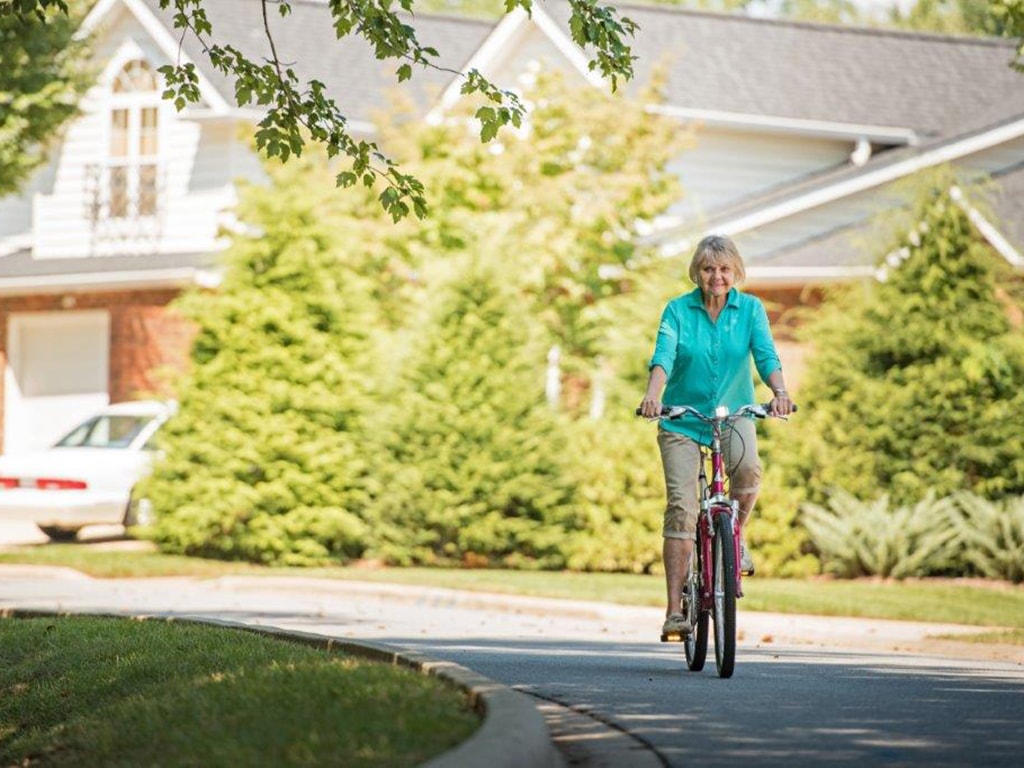
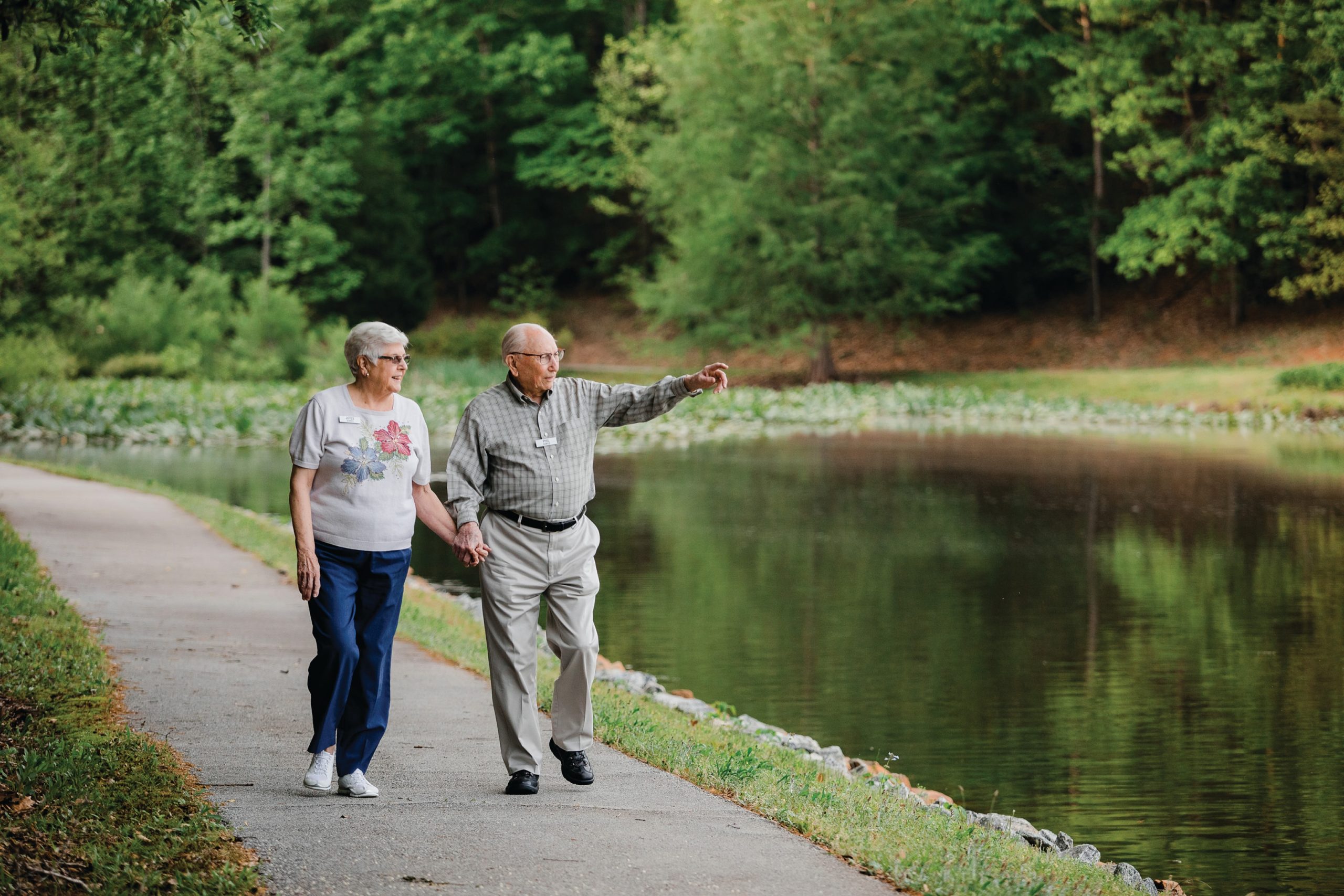
Walking is one of the recommended exercises for older adults because it is low-impact and easily accessible. For instance, walking five times a week or participating in a morning routine of walking two miles can help establish a consistent exercise habit.
Retirees should choose activities that they enjoy and that fit their physical abilities, ensuring that they stay motivated and committed to their exercise routine. Joining a sports league helps retirees stay healthy and socially active. One popular sport retirees can try is pickleball. Searching online for local groups or leagues is a great way to get started and stay engaged.
Volunteering and Giving Back
Finding new purpose after retirement adds joy and enriches life. Volunteering is a fantastic way to expand one’s social network, improve health, and stay active. In fact, 96% of volunteers report being involved in meaningful activities.
Opportunities like helping at a local food pantry or even running for a community board can be incredibly rewarding. Getting involved not only makes a positive impact but also helps retirees feel more connected to their community. Choosing roles that align with your interests makes the experience even more meaningful and enjoyable.
Seniors can find opportunities that match their interests by reaching out to local charities or using online platforms dedicated to volunteer work. Contacting local charitable organizations or using volunteer search sites can help identify suitable opportunities. From part-time roles to more involved positions, there are many ways to give back and stay engaged with the community.
Pursuing Lifelong Learning
Picking up a new skill is a great way to keep your mind sharp. It helps strengthen memory, boost brain connections, and may even lower the risk of dementia. Whether it’s trying puzzles, learning a language, or exploring a new hobby, keeping your brain active plays a big part in staying mentally strong.
Embracing lifelong learning can make retirement even more rewarding. There are plenty of ways to keep learning—local classes, online courses, or community workshops all offer fun, engaging opportunities to grow and stay curious.
Local libraries often provide full access to various learning resources, including local library new language learning programs and workshops, for example, to talk about language learning.
Community colleges frequently offer affordable courses tailored for seniors seeking to develop new skills. Platforms like Udemy allow retirees to explore a wide range of subjects through self-paced courses. Many online learning sites provide free introductory courses, making education accessible for retirees.
Many retirees may experience a decline in health, with studies indicating a higher risk of heart attacks and strokes shortly after retirement. Benefits of physical activity and participation for seniors include:
Boosting mood
Relieving tension and stress
Improving relaxation
Helping combat social isolation
Establishing a strong social network can significantly enhance mental and emotional well-being for retirees. Regular health check-ups and mental health practices play a crucial role in maintaining overall well being. Routine medical examinations are crucial for early detection and management of health issues, helping retirees maintain their well-being. Regular check-ups often include tests for blood pressure and cholesterol, which are vital for identifying risk factors.
Incorporating mindfulness techniques can lead to improved mental clarity and emotional balance. Examples of these practices are:
meditation
progressive muscle relaxation
deep breathing
yoga
tai chi
Practicing gratitude is a simple way to improve mood during retirement. Finding new purpose and staying socially and physically active are recommended practices for maintaining mental health after retirement.
Smart financial planning plays a big role in enjoying a comfortable retirement. Without it, many retirees risk stretching their savings too thin—nearly 45% could run out of funds. Taking a proactive approach can ease stress and make life more enjoyable. Creating a clear budget and even considering a part-time job can help provide added security and peace of mind.
Creating a budget helps retirees track their spending and ensure they live within their means. Nearly one-third of retirees spend overspend beyond their means, making careful tracking of expenses essential. Retirees should regularly review their expenses to adjust their budget according to changing needs.
Working part-time can help retirees supplement their income, alleviating financial pressure. Many retirees find satisfaction in earning money while continuing to work part-time, with 30% of workers hoping to work during retirement. Retirees can consider seasonal jobs in interesting locations to pursue fulfilling work. Utilizing seasonal employment websites can help cater to varying interests and locations for a part time job.
Traveling and Exploring
Retirement opens the door to all kinds of travel adventures, from relaxing getaways to exciting new destinations. With the freedom to go where and when they please, retirees can plan trips that match their pace and interests—without the limits of a work schedule.
Whether it’s exploring new places or enjoying local day trips, travel can add a fresh spark to retirement life. A little planning goes a long way, and finding new experiences close to home or farther away can bring joy, inspiration, and a sense of adventure.
Budget-conscious travelers can find numerous affordable options for enjoying scenic road trips across the country. Selecting destinations with senior-friendly amenities can improve comfort and enjoyment during trips.
Travel surveys indicate that a significant percentage of older travelers plan to venture abroad, highlighting a shift in retirement travel patterns related to age.
Exploring local activities can provide fulfilling experiences without extensive travel. Popular options for retirees include:
Visiting local parks
Exploring museums
Attending community events
Participating in local outdoor activities
Local excursions offer convenience and ease of access, making them an attractive option for retirees and providing several advantages. This option also presents a significant advantage for those looking to explore their surroundings. These local adventures can provide a feeling of adventure without the hassle of long-distance travel, enriching the retirement experience with minimal effort.
Building a Supportive Community
Participating in clubs and social groups allows seniors to connect with others who share similar interests, enhancing socialization. Benefits and ways seniors can engage socially include:
Connecting with others who share similar interests
Creating social networks through shared hobbies that lead to companionship and mutual support
Engaging in community events to experience local culture and meet new people
Retirees can strengthen their social network by:
Staying in touch with old colleagues
Broadening their social connections
Strengthening family bonds
Making new friends
Taking intentional steps during retirement can add meaning and fulfillment to this exciting phase of life. Many people who retire early find that it opens the door to new opportunities—whether it’s joining a meaningful organization, exploring new hobbies, or making smart financial decisions.
If you’re thinking about retiring soon, it’s a great time to consider how you want to spend your days and what matters most to you. With thoughtful planning, retirement can be a truly rewarding chapter filled with purpose and joy.
Frequent family visits can greatly enhance the emotional well-being of retirees during their golden years. Family gatherings provide fun opportunities to share experiences with loved ones, reinforce connections, and create lasting memories. Regular family activities such as game nights or potlucks can enhance family connections for retirees.
Ways retirees can enhance social connections and well-being include:
Joining clubs centered around personal interests to connect with like-minded individuals.
Participating in peer support groups that provide emotional support and social interaction to cope with retirement challenges.
Making new friends in retirement to enhance emotional well-being and provide a sense of belonging.
Staying socially active and open to new close friend can transform the retirement experience as we grow older, making it more fulfilling and enjoyable.
Summary
Retirement is a golden opportunity to explore new horizons, stay active, and build meaningful connections. By understanding the transition, embracing new interests, staying physically active, giving back, pursuing lifelong learning, managing health, planning finances, traveling, and building a supportive community, retirees can ensure a fulfilling and happy retirement life. Embrace this new chapter with enthusiasm and curiosity, and let the adventure of retirement bring joy and satisfaction.
Frequently Asked Questions
What are some common emotional challenges faced by retirees?
Retirees often face emotional challenges like a sense of loss and aimlessness due to the shift from work life. By building a support network and pursuing meaningful activities, you can successfully navigate this transition and thrive in your retirement!
How can retirees find new hobbies or interests?
Retirees can reignite their passions by reflecting on past interests or exploring new ones they’ve always wanted to try. Dive into free or low-cost courses to develop these skills and watch your newfound hobbies flourish!
What are some benefits of volunteering for retirees?
Volunteering is a fantastic way for retirees to find purpose, strengthen social connections, and boost their health. Embrace this opportunity for personal growth and fulfillment!
How important is financial planning for retirees?
Financial planning is essential for retirees to maintain a comfortable lifestyle and prevent financial stress. By creating a budget and considering part-time work, you can ensure your funds last throughout retirement.
What are some ways to stay physically active during retirement?
Staying physically active during retirement is essential for your well-being, so consider walking, swimming, or joining sports leagues. These low-impact exercises not only keep you fit but also uplift your mood and relieve stress!