Category: Education and Enrichment

Explore education and enrichment programs for older adults in Western North Carolina. Find lifelong learning classes, workshops, and senior-friendly activities to support healthy aging and mental wellness

  • What’s Your Biggest Retirement Dream?

    What’s Your Biggest Retirement Dream?

    Retirement is not the end—it’s the beginning of a new life. From traveling the world to relaxing in a quiet town, retirement is full of opportunity. At Carolina Living Choices, we hear from retirees daily who are reshaping what retirement looks like. Many choose retirement living in North Carolina—and for good reason.

    So, what’s your biggest retirement dream?

    Let’s explore popular goals and how communities in North Carolina help make them real.
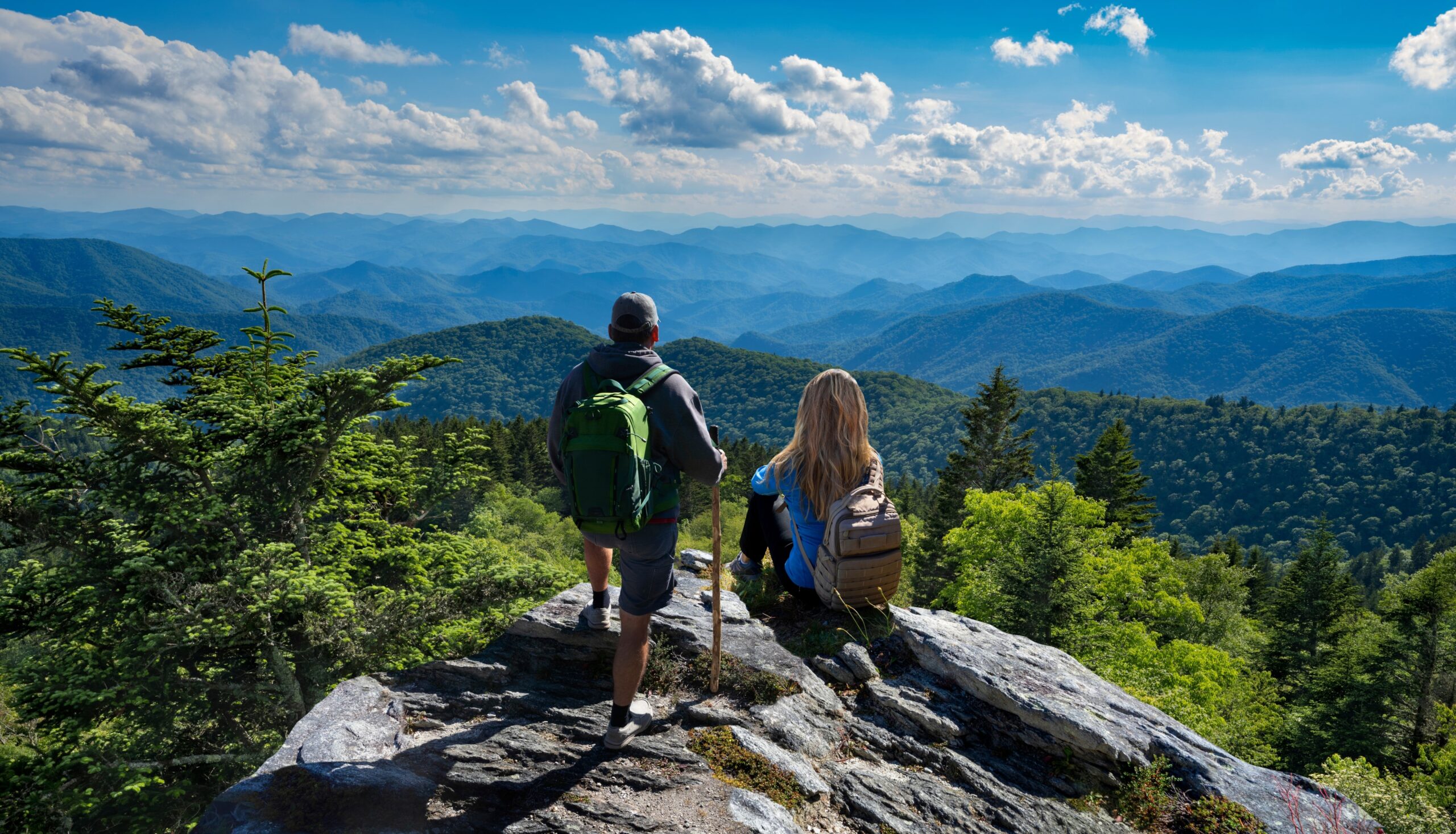
    Active Adults hikers looking out over the Blue Ridge Mountains.

    1. Travel the World: A Dream Beyond Other States

    Poll Option: “I want to travel the world!”

    Many retirees finally have the time and freedom to travel as they please.

    Some want road trips. Others crave international adventures. Whether it’s RVing across other states or sailing through Europe, travel remains a top dream.

    Popular travel goals include:

    • Exploring Route 66 by RV
    • Visiting grandkids and friends in other states
    • Bucket-list trips to Ireland or Bali

    Asheville, NC and Charlotte, NC offer convenient airports.

    That makes North Carolina a great launch pad for your next trip.


    2. Finding the Perfect Retirement Community in North Carolina

    Poll Option: “I want my dream retirement home!”

    For some, the dream is staying local—but with style and ease.

    They’re looking for the ideal retirement community that fits their lifestyle.

    Common wish list items:

    • Single-story homes in active retirement communities
    • Mountain-view cabins with low maintenance
    • Condos near shops and parks

    In places like Hendersonville and Brevard, homes are built with accessibility in mind.

    Think no-step entries, wide hallways, and smart layouts. Amenities often include walking trails, fitness centers, and clubhouses.

    Wynnshire Ridge Active Adult Community in Hickory NC. Single Level home with rock features and landscaping.

    3. Wellness-Focused Retirement Living in North Carolina

    Poll Option: “I want to stay healthy, active, and independent!”

    Today’s retirees value wellness more than ever. Retirement living in North Carolina supports this lifestyle beautifully. From fitness to fresh food, wellness is woven into daily life.

    Activities include:

    • Yoga or pickleball on community campuses
    • Walks at the NC Arboretum
    • Farm-to-table meals from local markets

    The Blue Ridge Mountains provide fresh air and natural scenery.

    It’s like a built-in wellness retreat.

    Brooks Howell Retirement Community indoor swimming pootl

    4. Rediscover Yourself in Active Retirement Communities

    Poll Option: “I want to pursue my passion—or discover a new one!”

    Retirement offers the freedom to explore new or old interests.

    Active retirement communities often provide the perfect setting for this.

    Popular pastimes include:

    • Painting or woodworking
    • Volunteering or mentoring
    • Joining local book clubs

    Towns like Asheville, Tryon, and Mars Hill support lifelong learning. Many communities partner with colleges or art centers nearby.

    Pinnacle at Arabella Covered Porch

    5. Communities in North Carolina Keep Families Close

    Poll Option: “I want to spend more time with loved ones!”

    Quality time with family and friends tops many people’s lists. Communities in North Carolina make that dream easier to achieve. Guest suites and community gathering spaces are common. Nearby attractions include lakes, trails, and seasonal events. These help create lasting memories with family of all ages.


    6. Purpose-Driven Retirement Living in North Carolina

    Poll Option: “I want to feel fulfilled and make a difference.”

    Many retirees want more than rest—they want purpose. Retirement communities often support meaningful involvement.

    Opportunities include:

    • Volunteering in schools or museums
    • Joining civic groups
    • Helping organize local events

    Feeling fulfilled is a big part of staying vibrant in retirement.


    7. Simplicity and Peace in a North Carolina Retirement Community

    Poll Option: “I want a slower pace of life and less stress.”

    For many, the dream is about slowing down and simplifying.

    That may include:

    • Downsizing to a smaller home
    • Living near nature
    • Reducing clutter and costs
    • Having easy access to healthcare

    These retirement communities combine comfort with smart amenities.
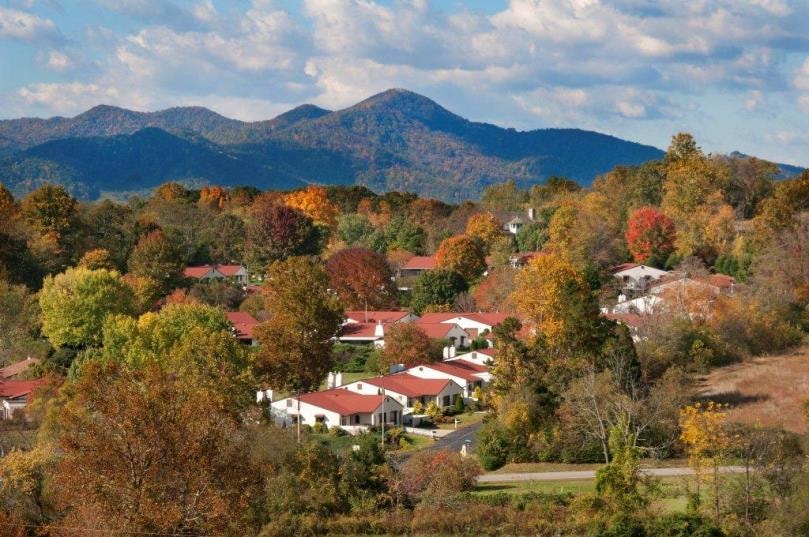
    Pisgah Valley Villa A Liberty Senior Living Community

    What’s Your Retirement Dream?

    Which dream speaks to you?

    • Travel the world
    • Build or buy your dream home
    • Stay active and healthy
    • Explore hobbies or start a business
    • Be near family and friends
    • Live with purpose
    • Enjoy peace and simplicity

    Real-Life Stories from Retirement Living in North Carolina

    We’re always inspired by residents who are truly living their retirement dreams. Here’s what a few had to say:

    “We travel the world every year,” said Bruce and Susan from Asheville, NC. “But coming home to our cozy and friendly neighborhood and home in the mountains is the best part.”

    “After retiring from nursing, I found a new passion,” shared Sherrye. “Now I teach watercolor painting to others in my community—it’s brought so much joy.”

    “We love our one-level home,” said Ray and Claudia. “It’s perfect for hosting Sunday dinners with the family, and we take daily walks with our neighbors. It’s everything we hoped for.”


    Carolina Living Choices Helps You Find the Right Fit

    We’re here to help you discover your dream retirement community.

    Explore our listings of active retirement communities in North Carolina.

    You’ll also find planning tools, stories, and updates on community life.

    ????️ Ready to visit? Check out our featured communities.

    ???? Want more inspiration? Subscribe to our newsletter.

    Picture of multi-media devices
  • Finding Joy and Connection: Coping with Loneliness During the Holidays

    Finding Joy and Connection: Coping with Loneliness During the Holidays

    Finding Joy and Connection: Coping with Loneliness During the Holidays

    The holiday season can be a challenging time for seniors without family nearby. Feelings of loneliness can be especially pronounced during this period of togetherness and celebration. However, there are several strategies to help cope with loneliness and find joy in the season.

    Connect with Friends and Community

    Reach out to friends and neighbors. Organize small get-togethers or potluck dinners to share the holiday spirit. Many communities have events and activities during the holidays, such as concerts, craft fairs, and community dinners. Participating in these events can foster a sense of belonging and provide opportunities to make new connections.

    Embrace Technology

    Technology can bridge the distance with loved ones. Set up video calls with family and friends to share holiday greetings and updates. Platforms like Zoom, Skype, and FaceTime make it easy to connect face-to-face. Virtual gatherings, even if brief, can significantly lift your spirits.

    Volunteer

    Volunteering is a wonderful way to combat loneliness. Many organizations need extra help during the holidays, from soup kitchens to local shelters. Giving your time not only helps others but also provides a sense of purpose and community. You’ll meet new people and find fulfillment in making a positive impact.

    Focus on Self-Care

    Take time to pamper yourself. Engage in activities that bring you joy, whether it’s reading a good book, watching your favorite movies, or indulging in a hobby. Consider treating yourself to something special, like a nice meal or a spa day at home.

    Create New Traditions

    Start new traditions that you can look forward to each year. This could be baking holiday treats, decorating your home, or taking a scenic walk to enjoy the winter landscape. Establishing personal traditions can make the holidays feel special and meaningful.

    Seek Support

    If feelings of loneliness become overwhelming, don’t hesitate to seek support. Talk to a friend, counselor, or join a support group. Many organizations offer resources and helplines for seniors dealing with loneliness and mental health concerns.

    By connecting with others, embracing technology, volunteering, and focusing on self-care, seniors can find ways to navigate the holiday season with joy and resilience. Remember, the holidays are a time for kindness, including being kind to yourself.

  • Building New Friendships as a Senior After Relocating

    Building New Friendships as a Senior After Relocating

    Building New Friendships as a Senior After Relocating

    Moving to a new location can be both exciting and daunting, especially for seniors. One of the biggest challenges is building a new social network. However, making new friends and connections can enrich your life and make your new home feel welcoming. Here are some tips to help you make friends in a new location.

    Get Involved in Local Activities

    Participating in local activities is a great way to meet people with similar interests. Look for clubs, classes, or groups that focus on your hobbies, such as gardening, book clubs, or art classes. Many community centers and senior organizations offer a variety of activities specifically for seniors.

    Attend Community Events

    Community events, such as farmers’ markets, festivals, and local fairs, provide excellent opportunities to meet new people. These events often have a relaxed atmosphere, making it easy to strike up conversations and build connections.

    Volunteer

    Volunteering is a fantastic way to give back to your new community and meet like-minded individuals. Whether it’s helping at a local food bank, animal shelter, or community center, volunteering can lead to meaningful friendships and a sense of belonging.

    Join a Senior Center

    Senior centers are designed to offer social opportunities, activities, and support for older adults. They often host events, exercise classes, and social gatherings that can help you meet new friends in a comfortable and welcoming environment.

    Explore Faith-Based Groups

    If you’re religious or spiritual, joining a local church, synagogue, or other faith-based group can provide a supportive community. Many religious organizations offer social activities, volunteer opportunities, and support groups that foster connection.

    Use Technology

    Don’t underestimate the power of technology in making new friends. Online platforms and social media groups can help you find local meetups and events. Apps specifically designed for seniors can also connect you with others in your area.

    Making new friends as a senior after moving takes effort, but it’s well worth it. By getting involved, attending events, volunteering, and leveraging technology, you can build a vibrant social network and enjoy your new surroundings.

  • Staying Tech-Savvy: A Guide to Using Smartphones, Tablets, and Computers

    Staying Tech-Savvy: A Guide to Using Smartphones, Tablets, and Computers

    Staying Tech-Savvy: A Guide to Using Smartphones, Tablets, and Computers

    Embracing modern technology can enhance your daily life, keeping you connected, informed, and entertained. Here’s a friendly guide to help seniors navigate smartphones, tablets, and computers while staying safe online and making the most of digital tools.

    Getting Started

    Smartphones and Tablets: Begin by exploring the basics. Familiarize yourself with the home screen, how to make calls, send texts, and use the camera. Most devices have user-friendly tutorials in the settings or help sections.

    Computers: Learn to use essential programs like email, web browsers, and word processors. Websites like YouTube offer excellent tutorials on various topics, from basic functions to more advanced features.

    Staying Safe Online

    Strong Passwords: Use unique, complex passwords for each account. Consider using a password manager to keep track of them securely.

    Beware of Scams: Be cautious of unsolicited emails or messages asking for personal information. Never click on suspicious links or download attachments from unknown sources.

    Regular Updates: Keep your devices and software up to date. Updates often include security patches that protect against the latest threats.

    Leveraging Digital Tools

    Communication: Stay connected with family and friends through video calls using apps like Zoom, Skype, or FaceTime. Social media platforms like Facebook can help you stay in touch and share updates.

    Entertainment: Explore streaming services such as Netflix, Hulu, or YouTube for movies, shows, and educational content. E-books and audiobooks are also great options for reading on the go.

    Organization: Utilize calendar apps to keep track of appointments and events. Note-taking apps like Evernote or OneNote can help you organize your thoughts and tasks.

    Learning: Online courses from platforms like Coursera, Udemy, or Khan Academy offer a chance to learn new skills or hobbies at your own pace.

    Getting Help

    Don’t hesitate to ask for help. Local community centers, libraries, or senior centers often offer technology classes. There are also numerous online resources and tutorials available.

    By becoming tech-savvy, you can enhance your daily life, stay connected, and enjoy the convenience that modern technology offers. Take your time, explore, and have fun with your devices!

  • Mindfulness and Meditation: Techniques for Stress Relief and Mental Wellness

    Mindfulness and Meditation: Techniques for Stress Relief and Mental Wellness

    Mindfulness and Meditation: Techniques for Stress Relief and Mental Wellness

    In today’s fast-paced world, mindfulness and meditation have become essential practices for managing stress and enhancing mental wellness, especially for seniors. Embracing these techniques can help you find calm, improve your focus, and boost your overall well-being. Here are some simple ways to incorporate mindfulness and meditation into your daily routine.

    Understanding Mindfulness

    Mindfulness is the practice of being fully present in the moment, aware of your thoughts, feelings, and surroundings without judgment. It helps you appreciate the now and reduces anxiety about the past or future.

    Basic Mindfulness Practices

    1. Mindful Breathing: Start by focusing on your breath. Sit comfortably, close your eyes, and take slow, deep breaths. Pay attention to the sensation of the air entering and leaving your body. If your mind wanders, gently bring it back to your breath.
    2. Body Scan: Lie down or sit comfortably and close your eyes. Slowly bring your attention to different parts of your body, starting from your toes and moving up to your head. Notice any tension or discomfort and breathe into those areas to relax them.

    Introduction to Meditation

    Meditation involves focusing your mind to achieve a state of calm and clarity. Regular meditation can improve mental clarity, reduce stress, and enhance emotional health.

    Simple Meditation Techniques

    1. Guided Meditation: Use a meditation app or online video to guide you through a meditation session. These typically involve following a narrator’s instructions to focus on your breath, visualize peaceful scenes, or repeat calming mantras.
    2. Silent Meditation: Find a quiet space, sit comfortably, and close your eyes. Set a timer for 5 to 10 minutes. Focus on your breath or a single word or phrase (like “peace” or “calm”). When your mind wanders, gently bring it back to your point of focus.

    Benefits of Regular Practice

    Incorporating mindfulness and meditation into your routine can lead to numerous benefits, including lower blood pressure, improved concentration, better sleep, and enhanced emotional resilience. Even a few minutes each day can make a significant difference.

    Getting Started

    Begin with short sessions and gradually increase the time as you become more comfortable. Joining a local meditation group or class can also provide support and motivation.

    By embracing mindfulness and meditation, you can manage stress more effectively and enjoy greater mental wellness. Give these practices a try and discover the peace and clarity they can bring to your life.

  • Dealing With the Emotional Aspects of Retirement

    Dealing With the Emotional Aspects of Retirement

    Dealing With the Emotional Aspects of Retirement

    Retirement marks a significant life transition, and the emotional journey that accompanies it can be both enriching and challenging. Here are strategies to navigate the emotional aspects of retirement:

    1. Embrace Change: Acknowledge that retirement represents a new phase of life. Embrace the opportunities it offers for personal growth, exploration, and pursuing passions.
    2. Create a Routine: Establish a new routine that provides structure and purpose. Engage in activities you enjoy, whether it’s volunteering, pursuing hobbies, or learning new skills.
    3. Stay Connected: Maintain social connections with friends, family, and former colleagues. Cultivate new friendships through community groups, classes, or local clubs.
    4. Seek Support: Discuss feelings and concerns with loved ones or a professional counselor if needed. Sharing experiences and emotions can alleviate stress and provide perspective.
    5. Stay Active: Physical activity promotes emotional well-being. Incorporate exercise into your routine to boost mood and energy levels.
    6. Set Realistic Expectations: Understand that adjusting to retirement takes time. Be patient with yourself and allow for adaptation to this new phase of life.

    Navigating the emotional aspects of retirement involves embracing change, maintaining connections, and finding purpose in new activities. By approaching this transition with openness and positivity, retirees can cultivate a fulfilling and emotionally rewarding retirement lifestyle.

  • Exploring Lifelong Learning Opportunities for Seniors

    Exploring Lifelong Learning Opportunities for Seniors

    Exploring Lifelong Learning Opportunities for Seniors

    Retirement is a wonderful time to embrace lifelong learning and explore new interests. Engaging in educational activities keeps your mind sharp, enhances your skills, and provides a sense of fulfillment. Here are some fantastic lifelong learning opportunities for seniors.

    Community Colleges and Universities

    Many community colleges and universities offer programs specifically designed for seniors. These courses cover a wide range of subjects, from history and literature to technology and art. Institutions like the University of North Carolina Asheville’s College for Seniors provide affordable classes that cater to older adults, encouraging intellectual growth and social interaction.

    Online Courses

    The internet has opened up a world of learning opportunities. Websites like Coursera, edX, and Udemy offer a plethora of online courses on virtually any topic you can imagine. Whether you want to learn a new language, dive into computer science, or explore creative writing, there’s a course for you. Online learning is flexible, allowing you to study at your own pace from the comfort of your home.

    Local Libraries

    Public libraries are treasure troves of knowledge and often host educational events and workshops. Many libraries offer computer classes, book clubs, and lectures on various topics. They also provide access to online learning resources and digital books, making it easy to continue learning.

    Senior Centers

    Senior centers frequently offer classes and workshops tailored to the interests of older adults. These can include arts and crafts, fitness programs, and educational seminars. Participating in these activities not only promotes learning but also helps you stay socially connected.

    Volunteer Opportunities

    Volunteering is a great way to learn new skills and gain valuable experience. Many organizations offer training for volunteers, allowing you to learn while giving back to the community. Whether it’s teaching others, helping with conservation efforts, or supporting local events, volunteering can be a fulfilling educational experience.

    Cultural and Art Centers

    Explore local museums, art galleries, and cultural centers for workshops and lectures. These institutions often host events that allow you to learn about art, history, and culture. Participating in these activities can spark new interests and deepen your understanding of various subjects.

    Embracing lifelong learning in retirement enriches your life and keeps you engaged and curious. By taking advantage of these opportunities, you can continue to grow, meet new people, and enjoy the journey of discovery. Happy learning!

  • Technology Tips for Seniors: Staying Connected and Safe Online

    Technology Tips for Seniors: Staying Connected and Safe Online

    Technology Tips for Seniors: Staying Connected and Safe Online

    Embracing technology can greatly enhance your retirement years, helping you stay connected with loved ones and making daily tasks easier. However, navigating the digital world can seem daunting at first. Here are some friendly tips to help you stay connected and safe online.

    Stay Connected with Loved Ones

    Video calls are a wonderful way to keep in touch with family and friends. Platforms like Zoom, Skype, and FaceTime allow for face-to-face conversations, no matter the distance. Social media platforms like Facebook can also help you stay updated on what’s happening in your loved ones’ lives. Don’t hesitate to ask a friend or family member to help you set up these accounts and show you the basics.

    Explore Online Communities

    Join online communities and forums that match your interests. Websites like Meetup and Facebook Groups offer a variety of online gatherings and discussions. Whether you’re into gardening, reading, or cooking, you’ll find a group of like-minded individuals to share your passions with.

    Online Learning

    There are countless resources available for learning new skills or hobbies. Websites like Coursera, Udemy, and YouTube offer tutorials on everything from playing an instrument to cooking a new recipe. These platforms can help keep your mind active and engaged.

    Safety First

    Online safety is crucial. Create strong, unique passwords for your accounts and change them regularly. Be cautious of unsolicited emails or messages asking for personal information-these could be phishing scams. Install antivirus software on your devices and keep it updated to protect against malware.

    Secure Online Shopping

    Shopping online can be convenient, but it’s important to use trusted websites. Look for secure websites with “https” in the address bar and avoid entering personal information on unsecured sites. Always review your bank statements for any unauthorized transactions.

    Embrace Technology at Your Pace

    Remember, there’s no rush. Take your time learning new technologies and don’t hesitate to ask for help when needed. Many libraries and community centers offer basic computer and internet courses for seniors.

    By embracing technology, you can stay connected, engaged, and safe, making your retirement years even more enjoyable. Happy surfing!

  • Volunteering: Giving Back to Your Community

    Volunteering: Giving Back to Your Community

    Volunteering: Giving Back to your community

    Retirement opens up a world of opportunities, and one of the most rewarding is volunteering. Giving back to your community not only benefits those in need but also brings immense satisfaction and purpose to your own life. Here’s why volunteering is a fantastic way to spend your retirement years and how to get started.

    Benefits of Volunteering

    Volunteering provides a sense of fulfillment and purpose. It’s a great way to use your skills and experiences to make a positive impact. It keeps you active, both mentally and physically, and offers a chance to meet new people and form meaningful connections. Studies show that volunteering can improve mental health, reduce stress, and even enhance physical well-being.

    Finding the Right Opportunity

    Start by considering your interests and passions. Are you passionate about education? Look for tutoring or mentoring opportunities. Do you love animals? Animal shelters often need volunteers. Community centers, hospitals, food banks, and environmental organizations are just a few places that regularly seek help.

    Making Connections

    Volunteering is also a great way to meet like-minded individuals. Working together towards a common goal fosters camaraderie and builds lasting friendships. It provides a social network and a sense of belonging, which is especially important in retirement.

    Flexible Commitment

    One of the great things about volunteering is the flexibility. You can choose opportunities that fit your schedule and energy levels. Whether it’s a few hours a week or a monthly commitment, there’s a volunteer role that’s perfect for you.

    Getting Started

    Reach out to local organizations, check community bulletin boards, or search online for volunteer opportunities in your area. Websites like VolunteerMatch can help you find the perfect match based on your interests and location.

    Making a Difference

    In retirement, you have the time and wisdom to make a significant difference. Volunteering is a fulfilling way to contribute to your community, stay active, and meet new people. So, why not give it a try? Your efforts will not only enrich the lives of others but also bring joy and purpose to your own life.